Paris has always had a certain grip on the imagination. The arrondissements, the Seine, the cafés spilling out onto cobblestoned sidewalks – it’s a city that sells a lifestyle as much as a location. But here’s the thing: for a single person, the estimated monthly cost of living in Paris (excluding rent) runs between roughly €1,064 and €1,314, and when you factor in a furnished one-bedroom apartment, you’re looking at a total monthly budget of approximately €2,564 to €3,814 to live comfortably. That is not a small number. Meanwhile, according to U.S. News Best Places rankings, quality of life is now the most important factor for Americans thinking about moving. So what if you could get the beauty, the culture, and the walkable neighborhoods – at a fraction of the cost? These four American cities are making a compelling case in 2026.
1. Pittsburgh, Pennsylvania – The City of Bridges That Beats Paris on Price

Pittsburgh remains one of the most affordable major U.S. housing markets, with median home prices well below statewide and national figures. The median sales price in Pittsburgh for 2024 was $228,400, according to the National Association of REALTORS®. Compare that against Paris, where property prices average around €10,418 per square meter, and it becomes clear that Pittsburgh offers a dramatically different financial reality for residents. Pittsburgh’s 2026 cost of living sits at roughly $2,401 per month for singles, with living costs running 3% lower than the U.S. national average.
The visual appeal of Pittsburgh is genuinely underrated. The city boasts 90 distinct neighborhoods, including downtown Pittsburgh, Squirrel Hill, Mount Washington, Lawrenceville, and South Side. If you’d like to live in a beautiful city with a booming job market, tons of spectacular attractions, and a dependable healthcare system, Pittsburgh makes a compelling case. Groceries run around 2% cheaper than the rest of the country, clothing costs about 6% less, healthcare services cost 5% less compared to the national average, and non-necessary expenses like entertainment and grooming are 6% cheaper. For a city this scenic and historically layered, those numbers are remarkable.
2. Asheville, North Carolina – Blue Ridge Beauty at Mountain-Town Prices
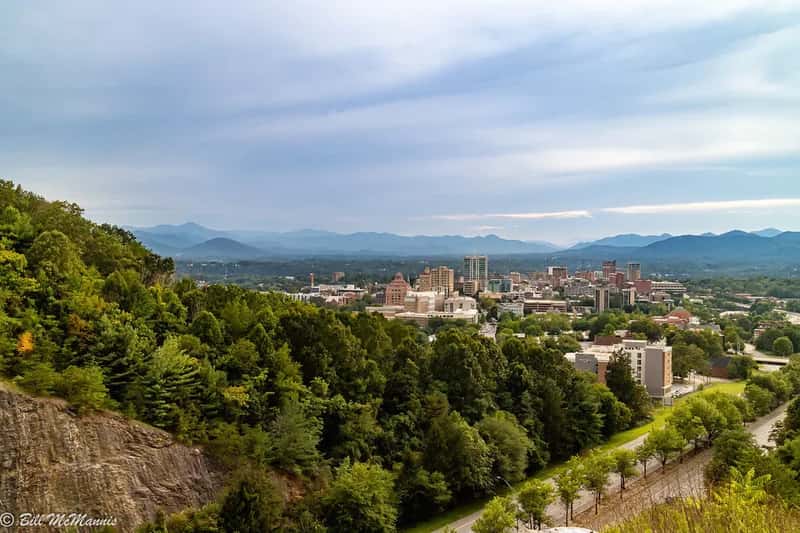
Tucked away in the Blue Ridge Mountains, Asheville enchants residents with its blend of natural beauty and sense of community – home to a thriving food and craft beer scene, diverse economic opportunities, and easy access to endless outdoor activities. The comparison to Paris here is almost philosophical: both cities are beloved for their arts, food culture, and distinct neighborhoods. Yet the numbers tell a starkly different story. Asheville’s 2025 cost of living is 57% below New York, 37% less than Boston, and 29% less than Washington D.C. That positions it well in the conversation about where you actually get the most life for your dollar.
Asheville’s 2026 cost of living is approximately $2,756 per month for singles and $6,069 per month for families of four. Housing costs run 4% lower than the national average, and energy, transportation, and healthcare costs come in 21.1% lower – quite a gap when compounded monthly. The city’s resilience is also worth noting. After Hurricane Helene’s hit in the fall of 2024, the tight-knit community has only grown closer, and tourism has become one of the most meaningful ways to support the city’s recovery. Asheville isn’t just surviving – it’s rebuilding beautifully.
3. Tulsa, Oklahoma – Art Deco Architecture and River Parks at a Fraction of the Cost
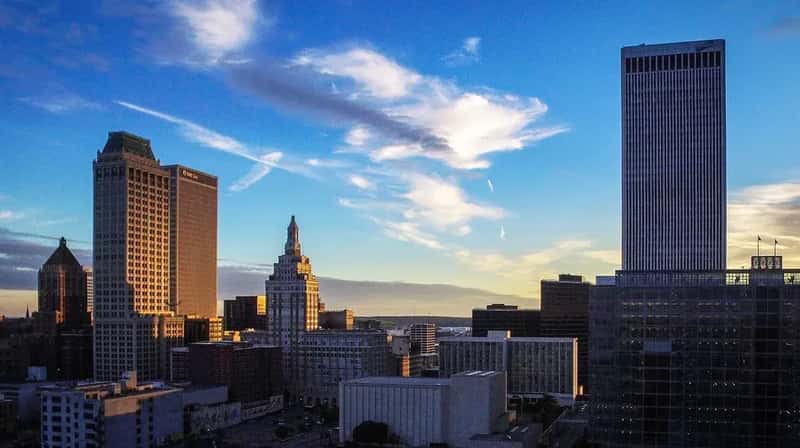
Tulsa tends to get overlooked in national conversations about great American cities, and that oversight is frankly its greatest advantage right now. Based on cost of living data, Tulsa is 11% less expensive than the national average. Costs in Tulsa for transportation, healthcare, housing, utilities, and groceries are all relatively low compared to the national average. Oklahoma currently ranks as one of the cheapest states with a Cost of Living Index of 86.0, making Tulsa one of the most affordable mid-sized cities in the entire country. Paris, by clear contrast, demands a budget roughly double what daily life in Tulsa requires.
The city’s visual character is surprisingly rich. The Philbrook Museum of Art is an immersive cultural experience housed within a stunning 1920s Italian Renaissance villa, seamlessly blending world-class art with breathtaking natural beauty – its collection spans continents and centuries, featuring significant works of American, European, and Native American art. Gathering Place, a massive public park along the Arkansas River, stretches over 66 acres of green space with playgrounds, gardens, walking trails, a boathouse, a skate park, and dining options, making it one of the most compelling urban parks in the American interior. Tulsa is also paying qualified remote workers up to $10,000 to move to the city through its Tulsa Remote program – a detail that says something real about how seriously the city takes attracting new residents.
4. Savannah, Georgia – Historic Squares and Coastal Charm at Southern Prices
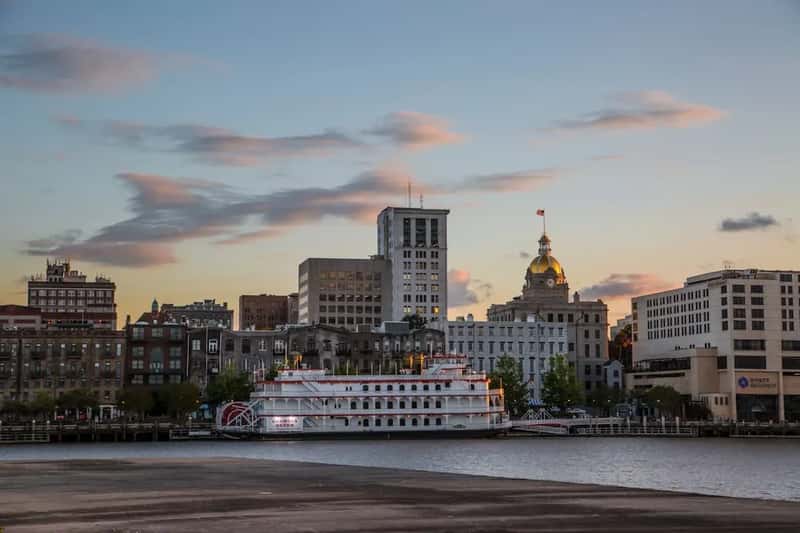
Savannah, Georgia, is a city filled with historic charm, coastal beauty, and Southern hospitality – and whether you’re relocating for work, retirement, or a fresh start, living there offers a blend of affordability, culture, and vibrant community life. The city’s famous grid of 22 moss-draped squares, its antebellum architecture, and its proximity to the Georgia coast give it an aesthetic identity that genuinely rivals many European destinations. Savannah offers an affordable cost of living lower than many U.S. coastal cities, a beautiful historic district with cobblestone streets and stunning architecture, mild winters, and Tybee Island beach just 20 minutes away.
For context, when you factor in rent for a furnished one-bedroom apartment in Paris, which typically falls between €1,500 and €2,500 per month, you’re looking at a total monthly budget of approximately €2,564 to €3,814 just to live comfortably. Savannah’s cost profile sits considerably lower, particularly when it comes to housing, where the city remains more accessible than coastal counterparts like Miami or Washington D.C. Savannah is a food lover’s paradise – with everything from classic Southern comfort food to modern gourmet dining, including The Grey, a James Beard Award-winning restaurant. The combination of architectural grandeur, food culture, mild climate, and real-world affordability makes Savannah one of the most persuasive arguments against overpaying for beauty anywhere in the world – Paris included.