Most travelers obsess over travel insurance, pickpockets, and food safety warnings before a trip. They research vaccines, check the foreign office advisories, and pack extra hand sanitizer. Yet there is one invisible, odorless, entirely silent threat that almost nobody talks about – and it follows you straight into your hotel room, your rented apartment, your spa retreat, or that charming basement bar in Prague.
Radon is not a trendy buzzword. It is a radioactive gas, and it is building up in popular travel destinations around the world. Recent science, updated government maps, and new research from 2024 and 2025 are making the picture clearer, and honestly, a little alarming. So let’s dive in.
1. What Radon Actually Is – and Why It Matters
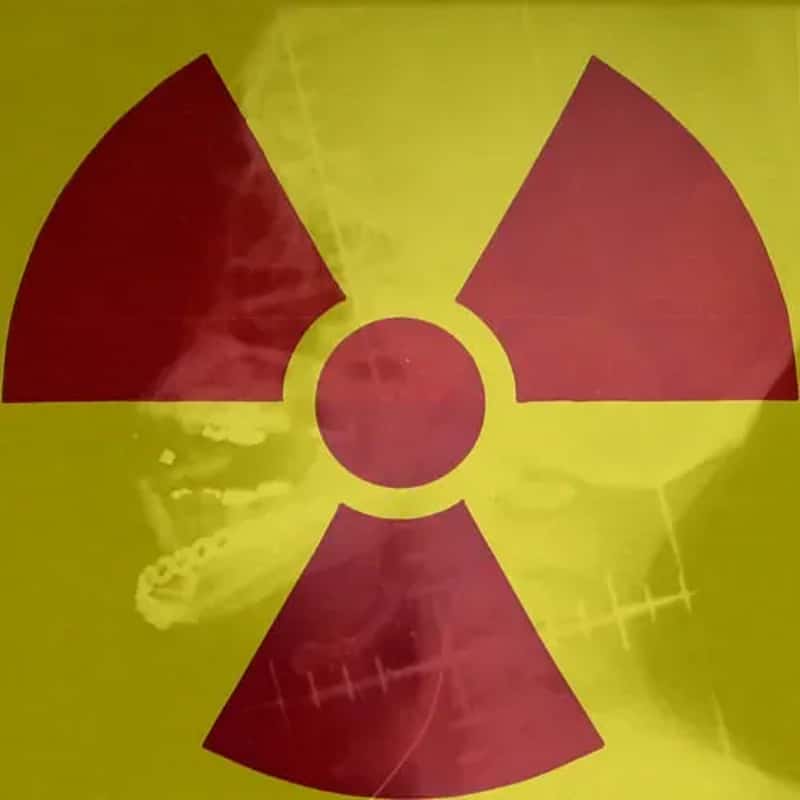
Radon is a naturally occurring radioactive gas that is odorless, tasteless, and colorless. It forms through the natural radioactive decay of uranium in rock, soil, and water. Think of it like an invisible exhaust fume constantly seeping up from the ground beneath your feet. You will never smell it. You will never see it. You simply breathe it in.
Radon is recognized as the second leading cause of lung cancer worldwide, trailing only behind smoking, with an estimated three to twenty percent of global lung cancer fatalities attributed to radon exposure. That range alone is staggering when you start thinking about the sheer number of people involved.
It is estimated to cause around 21,000 deaths annually in the United States alone, and the World Health Organization estimates that three to fifteen percent of all lung cancer worldwide is due to radon toxicity. Yet almost no traveler thinks about it before booking a trip.
2. The Global Rise: Radon Levels Are Going Up
Analyses from Airthings align with large-scale studies such as the 2024 Cross-Canada Survey of Radon, confirming that radon levels are increasing worldwide. This is not a localized blip. It is a global trend, and researchers are increasingly pointing to buildings themselves as part of the problem.
As buildings become more energy-efficient and airtight, radon levels in homes, workplaces, and schools are rising. The very thing that makes a modern hotel energy-efficient, tight insulation and sealed windows, is exactly what helps radon accumulate indoors.
It is anticipated that radon exposure will rise in the coming years due to the direct and indirect effects of climate change on meteorological, geological, and anthropological factors associated with indoor radon levels. Climate change, in other words, is making this worse. Not just environmental policy issues – your weekend getaway could be affected too.
3. Alaska, USA – The High-Radon Adventure Destination
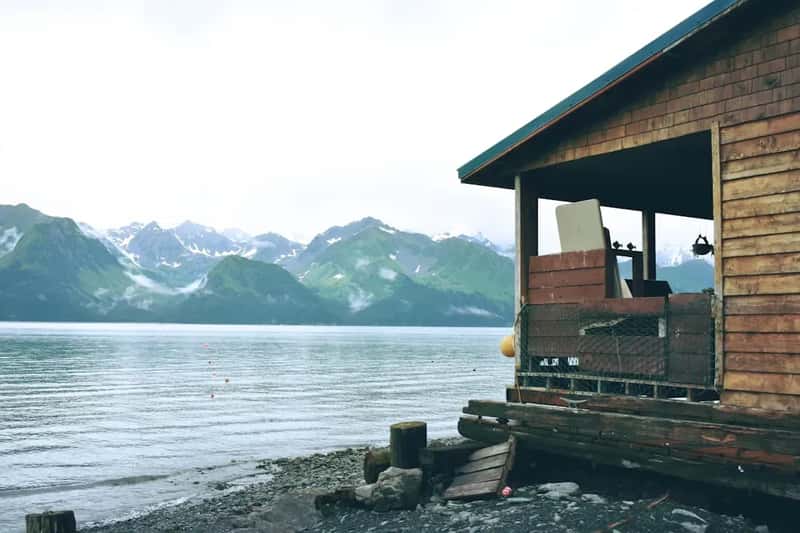
Alaska is one of the most spectacular travel destinations on Earth. Glaciers, wildlife, northern lights. It is also, verified by state-level data, the most radon-intense location in the entire United States. Alaska has the highest radon levels of any U.S. state, measured at an average of 10.7 pCi/L. To put that in perspective, the EPA’s recommended action level is 4 pCi/L.
Visitors spending extended time in lodges, cabins, or basement-level hotel rooms in Alaska are exposed to levels that would trigger mandatory mitigation if this were someone’s permanent home. Homeowners in Alaska are encouraged to test for radon every two years – a recommendation that says a lot about the ongoing scale of the problem there.
The state’s geological composition, rich in uranium-bearing rock and dense soil, means radon is continuously being generated beneath buildings. Short-term travelers may shrug this off, but longer wilderness stays or winter travel packages involving many indoor hours carry a genuinely non-trivial dose.
4. Iowa and the Midwest, USA – Where Nearly All Homes Exceed Safe Limits
Iowa might not be the first destination that springs to mind for international tourists, but it draws millions of domestic visitors, and it has one of the most alarming radon profiles in North America. Over seventy percent of homes in Iowa have average radon levels above the EPA threshold of 4 pCi/L, and the average radon level in Iowa homes is 6.1 pCi/L.
High levels of radon in Iowa may be attributed to the state’s glacial history. The passage of glaciers over Iowa led to the deposition of finely ground rocks that contain radium. This deposit constitutes a large surface area that emits radon gas. The geology here essentially functions as a radon factory hidden just under the surface.
There is no known threshold concentration below which radon exposure presents no risk, and even low concentrations of radon can result in a small increase in the risk of lung cancer. Anyone staying in budget accommodation in this region, especially ground-floor or basement rooms, deserves to know this.
5. Czech Republic – Ancient Architecture, High Radon Readings

Prague is one of the most visited cities in Europe, celebrated for its Gothic spires, medieval bridges, and impossibly photogenic architecture. What the tourism brochures don’t mention is that much of central Europe sits atop geology that produces consistently elevated radon. The average radon levels in Finland far exceed those in the Netherlands, and there are areas such as Cornwall in the U.K., and former uranium mining areas in Germany and Czechia well above the country average.
The Czech Republic has one of the most active national radon monitoring programs in Europe, precisely because the issue is so significant there. The areas in and around the Central European Ore Mountains, including parts of northern Bohemia, now the Czech Republic, contain historically high radiation environments linked to uranium mining history.
Old stone buildings, vaulted cellars turned into bars and restaurants, basement hotel rooms in historic buildings – all of these are classic radon-accumulation scenarios. Enclosed environments, areas with low to no continuous ventilation, are more prone to radon accumulation over time. Prague’s charm is, in part, its age. That same age brings radon risk.
6. Finland – A Nordic Gem With Europe’s Highest Radon Averages
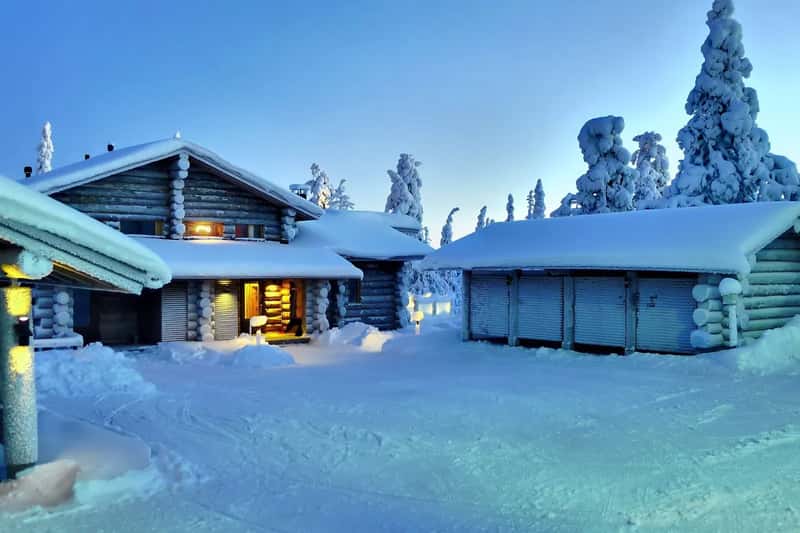
Finland is experiencing a surge in tourism, drawing visitors with its saunas, lakes, and Lapland wilderness. It is also one of the countries in Europe most associated with elevated indoor radon levels. The average radon levels in Finland far exceed those in the Netherlands, a country considered to have comparatively low readings.
In Finland, indoor radon levels in workplaces are regulated by the Radiation Act, which states that radon concentrations in workspaces with more than 600 hours per year of occupancy must not exceed 300 Bq/m3. The fact that such specific workplace regulation exists reflects how seriously Finland takes this threat nationally.
For travelers renting countryside cottages, staying in low-level accommodations, or spending prolonged winters in Finnish lodges, the risk is tangible. Continuous measurements show that radon often spikes in winter and during periods of low ventilation – and Finland in winter is, to put it gently, very well-insulated and very cold.
7. Rome, Italy – Volcanic Ground Beneath the Eternal City

Rome is one of the most visited cities on the planet, welcoming tens of millions of tourists every year. What most visitors don’t realize is that much of Rome is built on volcanic rock – and that geology has serious radon implications. The urbanized area of Rome is largely built over volcanic deposits, characterized by a significant radionuclides content and consequently a high radon emanation potential.
A 2024 study published in Environmental Science and Pollution Research conducted comprehensive radon monitoring inside an apartment building in the historic center of Rome, finding that building floors, ventilation, and local geology all significantly influenced indoor concentrations. The ground floors and lower levels were consistently more affected. This matters enormously for travelers in historic hotels and apartments, which in Rome are often centuries-old stone structures with limited ventilation.
Major sources of indoor radon include soil, domestic water, building materials, nearby fuels, and the infiltration of outdoor radon. These sources are affected by meteorological conditions, ventilation strategies, and human lifestyle choices. Rome’s dense, ancient urban fabric checks almost every box on that list.
8. Pennsylvania and the Appalachian Region, USA – A Tourist Corridor With Serious Radon

Pennsylvania’s Appalachian region is a hugely popular destination for hiking, fall foliage tourism, and historic travel through places like Gettysburg and the Pocono Mountains. It also sits on some of the most radon-rich geology in the entire country. The highest radon levels in the United States were found in South Dakota, North Dakota, Nebraska, parts of Iowa, eastern Pennsylvania, and central Ohio.
Researchers from Harvard’s School of Public Health found that almost a quarter of the U.S. population may be exposed to dangerous levels of radon above 4.0 pCi/L. Pennsylvania is consistently among the most affected states in every national dataset. Its shale-rich geology, combined with older building stock, creates conditions where radon seeps readily into buildings.
The travel industry in this region is booming, with Airbnb rentals, ski chalets, and country inns flourishing. Radon levels have been shown to fluctuate greatly between neighborhoods and sometimes even from house to house, which means a short stay in one rental might be completely fine, while the one next door could be a different story entirely.
9. Norway – Breathtaking Fjords, Hidden Indoor Air Risks
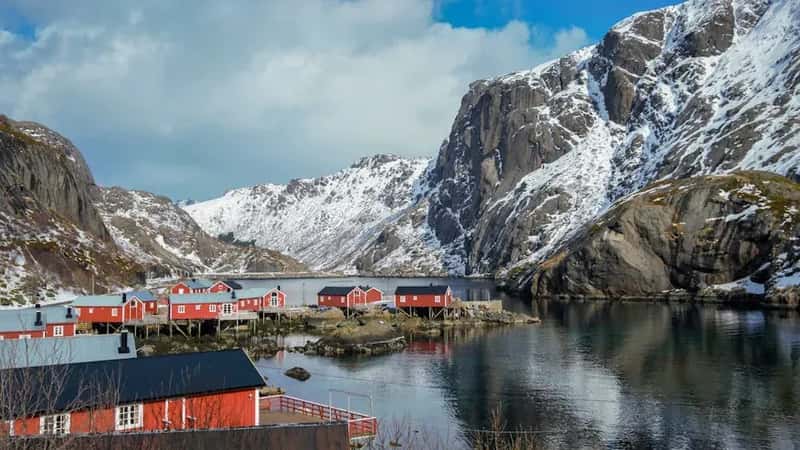
Norway draws travelers from across the world for fjord cruises, northern lights chasing, and outdoor adventures. It is also one of only a handful of countries that implemented radon standards as far back as the early 1990s – revealing just how long this issue has been recognized there. In 1991, seven countries had adopted or proposed indoor radon standards: Canada, Finland, Germany, Norway, Sweden, the U.K., and the U.S. Norway’s early regulation was a direct response to genuinely elevated national readings.
Norway’s granite-heavy geology, particularly in coastal and mountainous regions, is a known source of radon emanation. Travelers staying in traditional wooden hytte (cabins) or low-lying stone accommodations in rural areas face the same risks as local residents. Commercial buildings see radon rise when ventilation systems are off, such as overnight and at weekends – precisely when most travelers are sleeping in their rooms.
Indoor radon concentration is affected by a variety of interconnected factors, including geological properties of the site, architectural features of the building, occupants’ habits, and prevailing meteorological conditions. Norway hits several of those factors simultaneously, especially in cooler seasons when windows stay firmly shut.
10. Spain – Radon Hotspots Beneath the Sun

Spain welcomed nearly 94 million international tourists in 2024, making it one of the most visited countries on Earth. Yet beneath its sun-drenched reputation lies a well-documented radon problem, particularly in certain geologic zones. Various countries have implemented regulations to limit indoor radon exposure, with reference levels set at 300 Bq/m3 in Spain. That Spain has a formal national reference level is itself evidence of a recognized, real problem.
Regions like Galicia and Extremadura in particular sit on granite-rich bedrock that generates radon continuously. The European Commission Joint Research Centre has collected readings carried out on the ground floors of residential buildings and made them publicly available as geographical maps, called the European Indoor Radon Maps, periodically published online since 2018, with the latest updated version published in November 2024. These maps show Spain’s northwest and interior regions carrying notably elevated readings compared to coastal tourist zones.
Epidemiological data indicate that an increase of indoor radon concentration by 100 Bq/m3 raises lung cancer risk by sixteen percent, with thirty-five to forty percent of radon-related lung cancers potentially preventable through exposure reduction. That is a remarkable statistic. It means this is not a fatalistic problem – action genuinely works.
Conclusion: The Risk Nobody Talks About at the Departure Gate

Here is the thing. Nobody is saying you should cancel your trip to Prague or avoid a cabin in the Finnish wilderness. Radon risk from short-term travel is not the same as living in a high-radon home for thirty years. Context matters enormously. Still, the evidence is clear and increasingly hard to ignore.
Radon exposure doesn’t cause symptoms right away – it can take decades to develop health conditions related to exposure. Testing the buildings that you live or work in is the only way to know if you’re being exposed. As a traveler, you cannot test every hotel. But you can open a window. You can choose upper-floor rooms when possible. You can ask about air quality in accommodations you book for extended stays.
Despite being the second leading cause of lung cancer, recent surveys show that most people are unfamiliar with radon and its dangers. That awareness gap is precisely what makes this a hidden travel risk. The destinations on this list are not dangerous places – they are beautiful, culturally rich, deeply worth visiting. The radon risk just deserves a seat at the table alongside every other travel health conversation we’re already having.
What would you have guessed was the biggest invisible health risk hiding in your favorite travel destination? Tell us in the comments.