When you walk the streets of Oslo or Helsinki, something feels different. There’s a quietness to the sidewalks, an absence of makeshift tents or people huddled in doorways. It’s not by accident. Some nations have managed to nearly eliminate homelessness, while others struggle with rising numbers despite enormous wealth. Let’s be real, comparing countries on homelessness is tricky because everyone defines and counts it differently. Yet the contrasts are striking enough to make you wonder what’s really going on.
At least 2 million people in the OECD were considered to be experiencing homelessness in official government statistics in 2024 or the latest year. Globally, the scale is far larger. Data presented in 2024 by the United Nations Human Settlements Programme showed that there were between 1.6 billion and 3 billion people around the world without decent housing. So let’s dive into which countries are doing the best and which face the toughest challenges.
Japan: Where Homelessness Nearly Disappears

Homelessness in Japan dropped by 8% in 2023 to a record low of 2,820 people in April 2024, as reported by the Japan Times with the authorities explaining this drop was due to efficient social assistance policies. With a population of roughly 124 million, that translates to an extraordinarily low rate. According to a 2022 study by the UK’s Greater Change Foundation which measured homelessness globally, Japan has the lowest homelessness rate in the world at 0.003%, which is approximately 1 homeless person out of every 34,000 citizens. Here’s the thing though: Japan’s definition of homelessness is incredibly narrow, only counting those sleeping in parks, under bridges, or at train stations. People in internet cafes, capsule hotels, or temporary housing aren’t included. Still, the visible street homelessness is remarkably minimal.
Finland: The Housing First Success Story
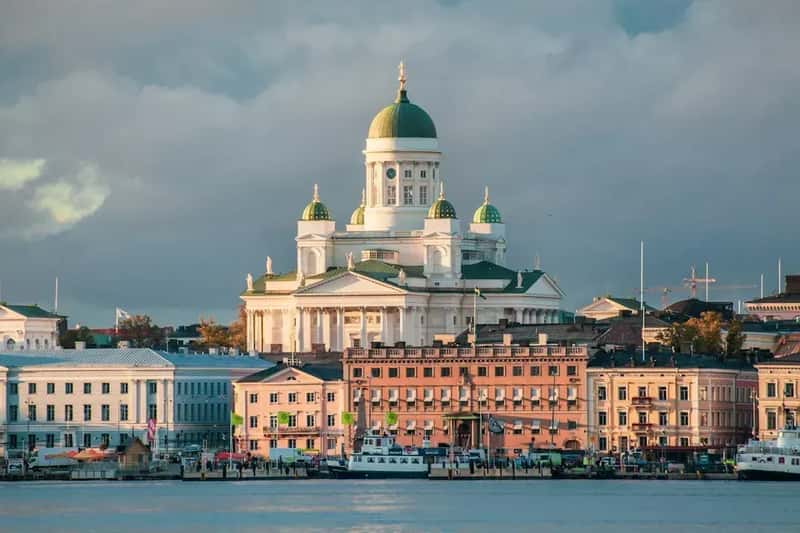
Since Housing First was introduced in 2008, the number of people who are homeless has fallen almost every year and according to Juha Kahila from Y-Säätiö, Finland’s fourth largest landlord and largest nationwide non-profit landlord, the country now thinks it is possible to eradicate homelessness completely by the early 2030s. Finland’s approach flips traditional homeless services on their head. Unlike traditional homelessness models that many countries use – which often require people to address their problems with substance abuse or mental illness before being assigned housing – stable housing comes first in Finland’s initiative. Once participants in the program have a place to stay, they receive other support services to help them deal with substance abuse or other challenges. The number of homeless individuals residing in hostels or boarding houses decreased by 76% from 2008 to 2017.
Norway: Making Homelessness History
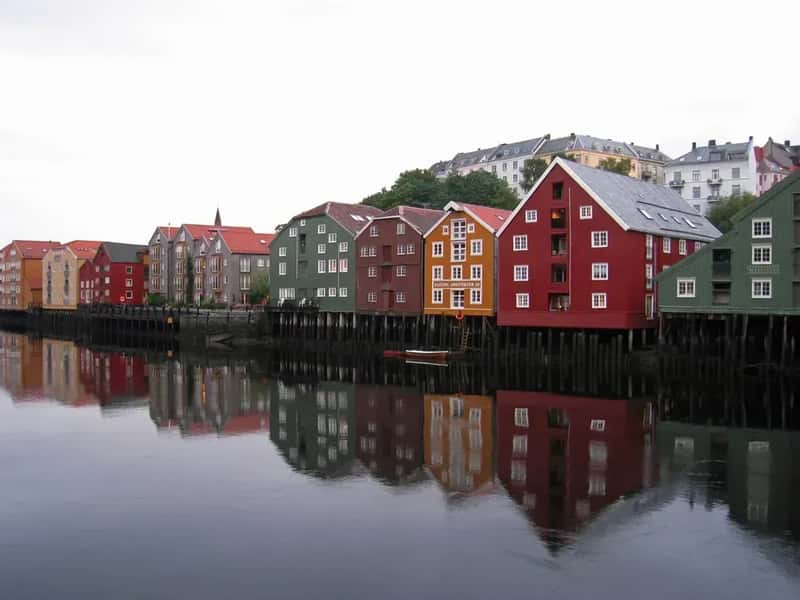
Norway has been quietly dismantling homelessness for decades. In 1996, 6,200 people were homeless in Norway, according to official statistics, the equivalent of 1.5 people per 1,000 residents on average. By 2020, thanks to the government’s efforts, the number had fallen to nearly half of that total, dropping the rate to just 0.62 people per 1,000. The Norwegian approach centers on the belief that housing is a fundamental human right. Their social service system provides support networks that catch people before they fall through the cracks. Norway’s homelessness rate is one of the lowest in the world. The homeless population in the country mostly includes non-Norwegian citizens, alcoholics, as well as those who are mentally ill. Norway’s social service system helps combat homelessness in the country.
Denmark: Steady Decline Through Prevention
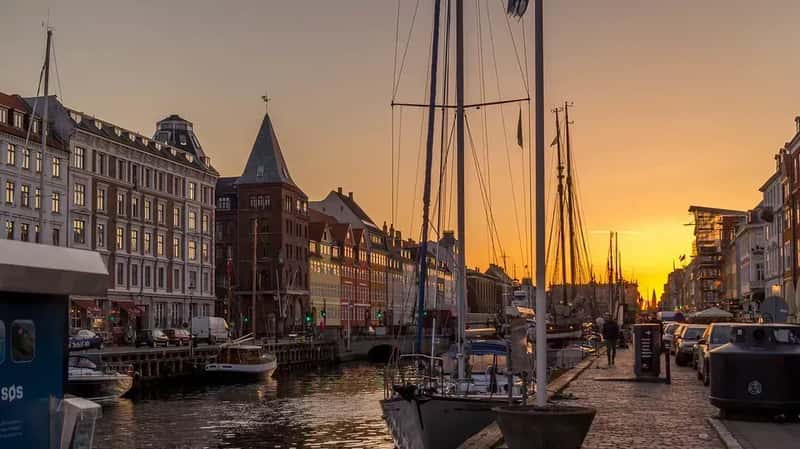
Between 2019 and 2022, homelessness decreased by almost 10% in Denmark. The country has embraced a broad definition of homelessness that includes hidden populations, yet they’re still seeing numbers drop. The country hosts a smaller proportion of people who are homeless. The number of street sleepers and younger homeless people declined in the country in 2022. Denmark conducts regular nationwide counts to track trends and adjust policies accordingly. Their focus on prevention and early intervention keeps people housed before crises escalate. Honestly, it’s hard not to admire how methodical the Danes are about social problems.
Slovenia: Low Numbers, Focused Support

Slovenia consistently appears among countries with minimal homelessness. The 20 countries with the lowest homeless population in the world rank Slovenia as well. While many homeless people in the country register at the address of a centre for social work and temporary municipal emergency housing units, others tend to live on the streets. The country’s relatively small population and social welfare systems help maintain low rates. Municipal emergency housing provides safety nets, though like everywhere, challenges remain. The system isn’t perfect, yet Slovenia manages to keep homelessness from becoming a widespread crisis.
Austria: Housing First Gains Ground

Austria ranks as one of the countries with the lowest homeless population in the world. Cheaper homes along with the Housing First strategy is targeting homelessness in Austria. The country has planned to offer numerous homeless people their own flats. Following Finland’s lead, Austria has begun implementing Housing First principles more widely. The combination of affordable housing construction and direct placement into apartments shows promise. It’s a recent shift, but early results suggest that giving people homes without preconditions works in Austrian cities just as it does in Nordic ones.
Latvia: Small Population, Manageable Numbers

One of the lowest homeless populations globally resides in Latvia. Though the country faces economic pressures and rising housing costs, overall homelessness rates remain relatively low compared to larger European nations. Housing affordability is one of the factors impacting homeless people in Latvia since house prices in the country have grown between 2010 and 2023. The challenge for Latvia will be maintaining low rates as economic conditions shift and housing markets tighten. Still, for now, they’re among the countries keeping homelessness minimized.
United States: A Wealthy Nation’s Struggle

Despite being the world’s largest economy, America faces a severe homelessness crisis. The number of Americans exposed to homelessness on a single night in 2024 was the highest ever recorded according to the U.S. Department of Housing and Urban Development. The latest homelessness data shows that 771,480 people in the U.S. were homeless and living in emergency shelters, safe havens, transitional housing programs, or unsheltered areas nationwide. That’s roughly 23 people per 10,000, nearly four times Norway’s rate. Hawaii is the state that faced nearly a double increase in homelessness in the period 2019-2024 – from 44 persons per 10,000 to 80 persons. High housing costs, inadequate social safety nets, and systemic issues drive these numbers upward year after year.
Nigeria: Millions Without Adequate Shelter

Nigeria is the most populous country in Africa, and this presents an epidemic of homelessness throughout the nation. Approximately 4.5 million people are considered homeless, with many more not having appropriate access to a proper dwelling that has access to some of the most basic services. The scale in Nigeria reflects broader issues of poverty, inadequate infrastructure, and rapid urbanization. Resources exist within the country, yet distribution and access remain major barriers. The gap between available wealth and the lived reality for millions creates a homelessness crisis that overwhelms local systems.
India: Population Pressures Create Housing Crisis
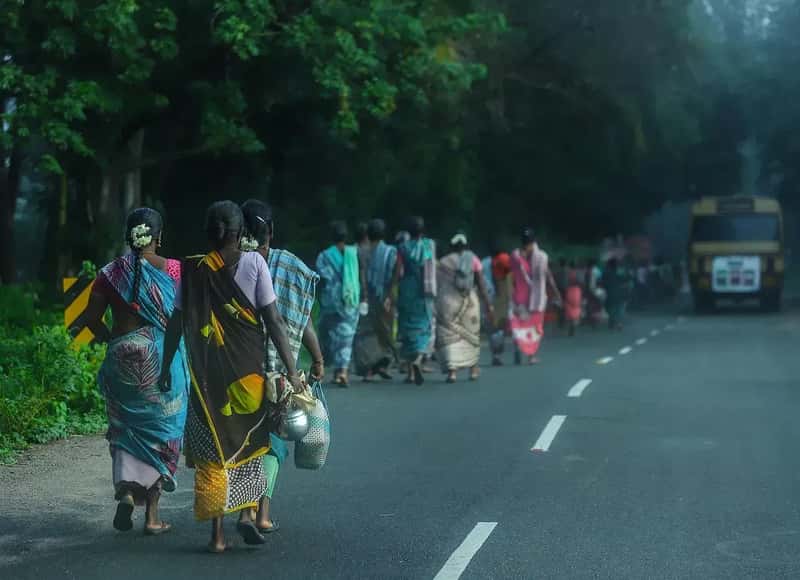
As one of the world’s most populous nations, India grapples with massive homelessness. Homelessness in India is largely due to poverty, which is exacerbated by its large population. Many Indians choose to work overseas or even migrate outside of the country to look for any job opportunities that may be present, as there is a huge issue of unemployment in the country. Urban centers like Mumbai, Delhi, and Kolkata have sprawling populations living on streets, in slums, and in inadequate structures. The complexity of India’s homelessness goes beyond simple numbers into questions of what constitutes adequate housing in a developing economy.
Mexico: 14 Million Facing Housing Insecurity
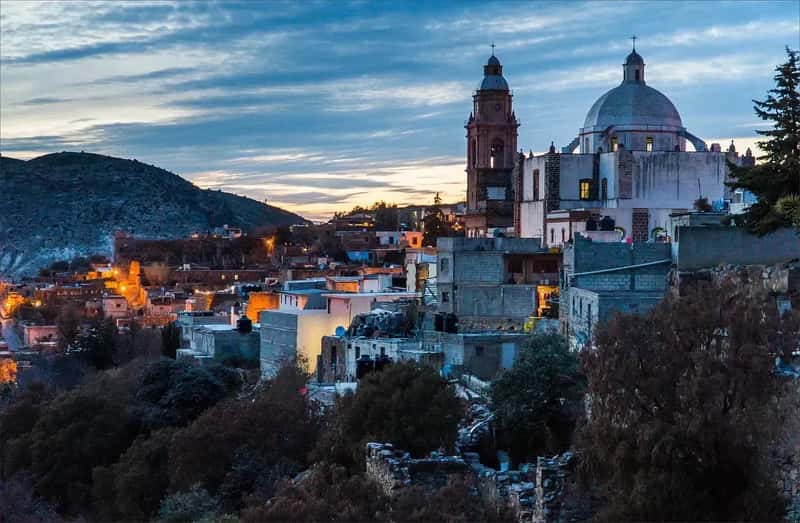
Poverty and other social issues plaguing Mexico are the major reasons for the 14 million homeless people on the streets of Mexico. Plagued with drugs, gang warfare, and lack of a viable government infrastructure, Mexico has long fought the battle of poverty and homelessness. The situation in Mexico intertwines with violence, economic instability, and migration pressures. Government capacity to address homelessness remains limited in many regions. Cartel violence displaces communities, poverty drives people from rural areas to cities, and the cycle continues. It’s a sobering reminder that homelessness often reflects deeper societal fractures.
The divide between countries with almost no homelessness and those with millions affected reveals vastly different approaches to housing as a human right. Finland, Norway, and Denmark prove that with political will and systematic investment, homelessness can be driven toward zero. Japan’s success, though complicated by narrow definitions, shows cultural factors matter too. Meanwhile, wealthy nations like the United States demonstrate that economic prosperity alone doesn’t solve housing crises. What’s your take on why some rich countries can’t seem to fix this problem while smaller, less wealthy nations succeed? The answers might be more about priorities than resources.