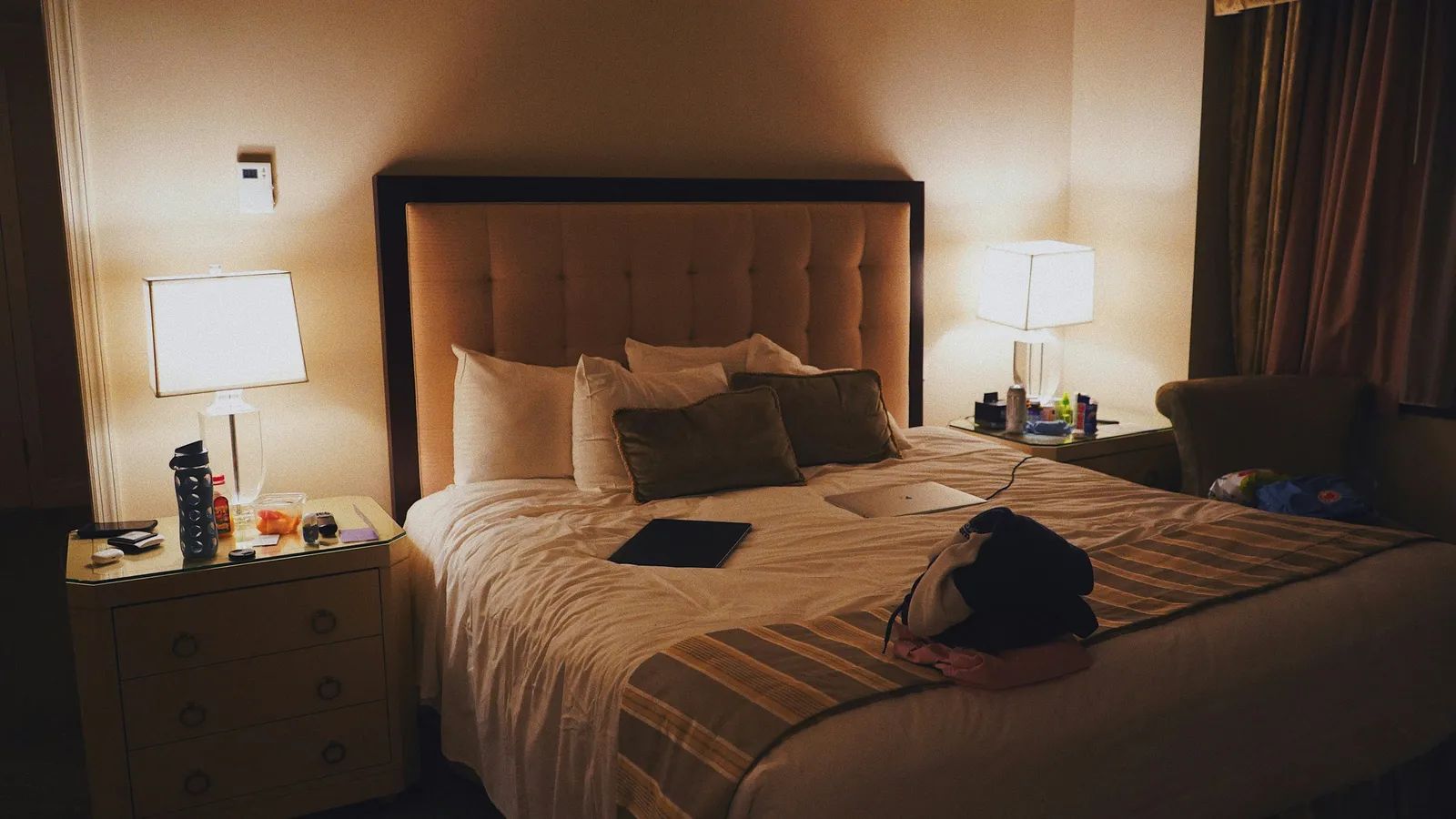
Travelers often drop their bags and settle in without a second thought the moment they enter a hotel room. One of the first actions many take is placing a suitcase directly on the bed or floor, a habit that can create unnecessary complications later. Simple adjustments at the start of a stay help protect belongings and maintain peace of mind throughout the trip. ([1])
Why Luggage Placement Matters Right Away
Placing a suitcase on the bed or floor brings it into contact with surfaces that may harbor pests or dirt tracked in from previous guests. Experts at the EPA recommend using a dedicated luggage rack instead, which keeps bags elevated and away from common hiding spots. The Northeastern IPM Center suggests an alternative of storing luggage in the bathroom tub during the initial inspection of the room.
A quick visual check of the mattress seams, headboard, and any wall-mounted fixtures takes only a moment but reveals potential issues before unpacking begins. Running a card or similar object behind the headboard can help confirm nothing is concealed there. These steps reduce the chance of carrying problems home at the end of the stay.
Securing the Door and Verifying Visitors
Hotel doors often include an extra lock or deadbolt that many guests overlook after the initial entry. The Las Vegas Metropolitan Police Department advises engaging these additional locks every time the room is occupied and confirming the identity of anyone who knocks. Calling the front desk to verify unexpected service requests prevents unwanted access.
The U.S. State Department further recommends testing all locks, including those on windows and the bathroom door, upon arrival. Meeting visitors in the lobby rather than the room adds another layer of control. If a door viewer is present, using it before opening provides a simple visual confirmation of who stands outside.
Protecting Valuables Without Relying on the In-Room Safe
Leaving cash, electronics, or important documents in plain sight creates an obvious target during housekeeping visits or any other access to the room. The Las Vegas police suggest storing such items in the room safe when available or depositing them at the front desk with a written inventory. Luggage should remain locked whenever it is left unattended.
In-room safes carry their own limitations, as AAA notes that many models can be opened with master keys or override codes. High-value items are better kept on the traveler’s person or placed in the hotel’s main secure storage. This approach avoids assumptions about the reliability of room-level security features.
Handling Glasses and the In-Room Kettle With Care
Drinking glasses in hotel rooms receive varying levels of attention between guests, and a quick wash with hot water and dish soap removes any residue that might remain. A 2012 University of Houston study highlighted elevated bacteria on several high-touch surfaces in sampled rooms, underscoring the value of basic precautions even when specific data on glasses is limited.
The kettle presents a different concern because its interior is difficult to inspect thoroughly. Using it only for plain water prevents residue from previous uses, such as soup or instant noodles, from affecting the next guest. When the appliance shows visible stains or an unusual odor, requesting hot water from the front desk or using the lobby station offers a straightforward alternative.
Bringing the Same Habits Home
Upon return, unpacking luggage directly into the washing machine limits any transfer of issues to the rest of the household. The EPA notes that a hot dryer cycle provides more reliable results than washing alone for certain concerns. Storing the empty suitcase in a basement, garage, or other area outside the bedroom keeps it away from living spaces.
If anything unusual appears during or after the trip, notifying the hotel management allows staff to address the room promptly. These consistent practices turn a short stay into a smoother experience from arrival through the journey home.