
When I first decided to move to Bangkok, one of the first questions my wife asked was, “What are we going to do about the air pollution?” She’d traveled to Bangkok a few times for work and was already well acquainted with the issue. I felt like I had some solid ideas on how to handle it. After all, we survived COVID with minimal issues, so wearing a mask when we went out wouldn’t be that hard, right?
What I didn’t realize was just how prevalent the problem could be, or the subtle ways it would shape daily life. After living here for a few months, I’ve become a little more informed, and hopefully I can share some useful context and tips to make your stay here just a little healthier.
What’s Actually in the Air
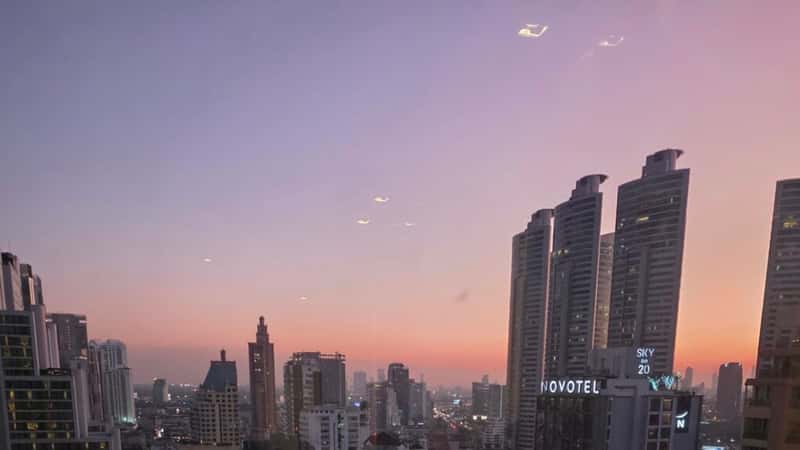
Anyone who’s lived in a major city knows the risks that smog typically presents. However, Bangkok is a very different ecosystem compared to places like Los Angeles or New York City. Some contributing factors are familiar—vehicle exhaust combined with tight traffic density and the occasional burning season—but others are less obvious. Construction dust, limited wind flow between buildings, and long stretches without rain during the dry season can all turn a manageable issue into something more serious.
One common way air quality is measured is through PM2.5, which stands for particulate matter that is 2.5 micrometers or smaller. These particles are roughly thirty times smaller than a human hair, small enough to enter the lungs and eventually pass into the bloodstream. Prolonged exposure to high levels of PM2.5 is associated with increased risks of heart disease, stroke, asthma, lung damage, and even cognitive and developmental issues with long-term exposure.
On the Air Quality Index, readings from 0–100 are considered lower risk, 101–200 are unhealthy, and anything above 200 is considered very unhealthy or hazardous. During certain times of the year, Bangkok regularly finds itself well into that upper range. It’s common to see the current PM2.5 on billboards and signs, as well as apps on your smartphone if you so desire, updated hourly in both cases.
How Bangkok Residents Adapt
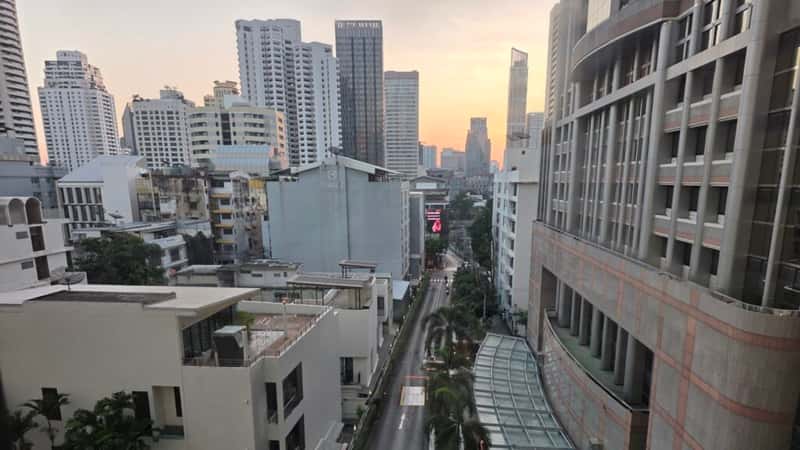
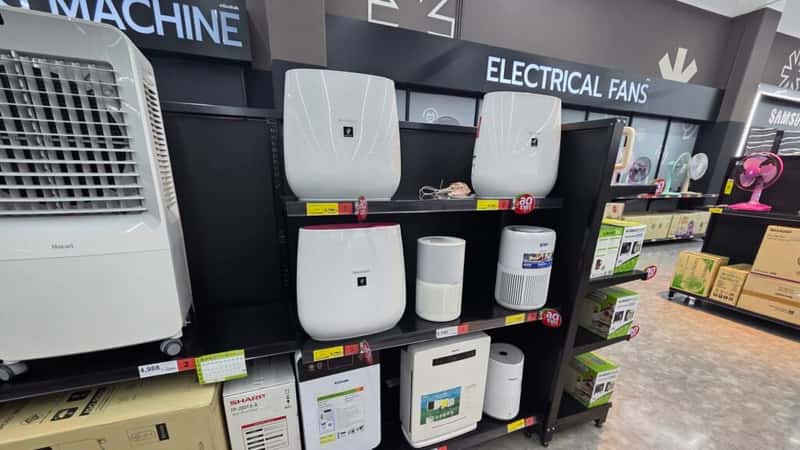
For someone coming from the plains and deserts of the American West, this can sound alarming at first. But like many challenges societies face, residents here have developed systems for managing it. Some adaptations are obvious: mask usage is common, with KN95 or N95 masks being the preferred standard, and air purifiers are widely used indoors. Many people also time outdoor activities around air quality readings to reduce exposure during the worst hours.
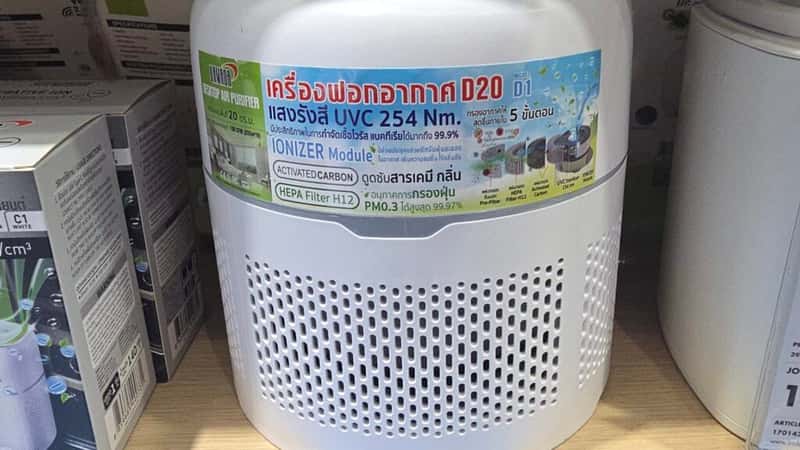
It helps that Bangkok is such a dense city. Massive shopping centers function almost like indoor neighborhoods, offering food, services, gyms, and social spaces under one roof. On days when the air quality dips, daily life doesn’t stop—it simply moves indoors.
Seasonal Factors
Seasonal weather patterns also play a significant role. Thailand’s rainy season typically runs from May through October, followed by a cooler season from November through February and a hotter season from March through May. Agricultural burning usually occurs between January and April, with February and March being the most intense months.
Farmers burn leftover crop residue to clear fields and prepare for planting, a practice that occurs not only in northern Thailand but also across Myanmar, Laos, and Cambodia. Smoke and prevailing winds don’t respect borders, and much of that haze eventually settles over Bangkok. Because burning coincides with the dry season, there’s little rain to help pull particulates out of the air, resulting in a double hit of concentrated smoke and stagnant conditions.
Taking a Breath
I don’t regret moving here, and I want to make that clear. Living in Bangkok has simply required an adjustment—an understanding that air quality, like traffic or heat, is part of the cost of life in a dense city. Over time, I’ve learned to adapt much as locals do: checking air quality before exercising, wearing a mask without a second thought, and treating clean indoor spaces as something you seek out rather than something you expect.
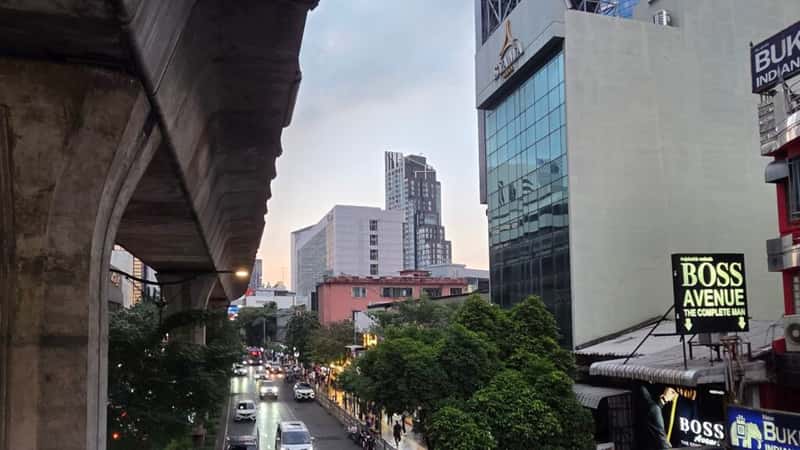
What surprised me mostwass how familiar this felt. Much like during COVID, air pollution is a shared problem with deeply personal solutions. Everyone navigates it differently, negotiating risk rather than eliminating it outright. Yet it doesn’t seem to drain the city of its energy or joy. Instead, the haze becomes part of the background—acknowledged, managed, and folded into daily life.
Bangkok taught me that clean air isn’t always something you’re given. Sometimes, it’s something you actively seek out, one decision at a time. Hopefully, knowing that makes adapting to the city’s rhythm a little easier for anyone considering the move.