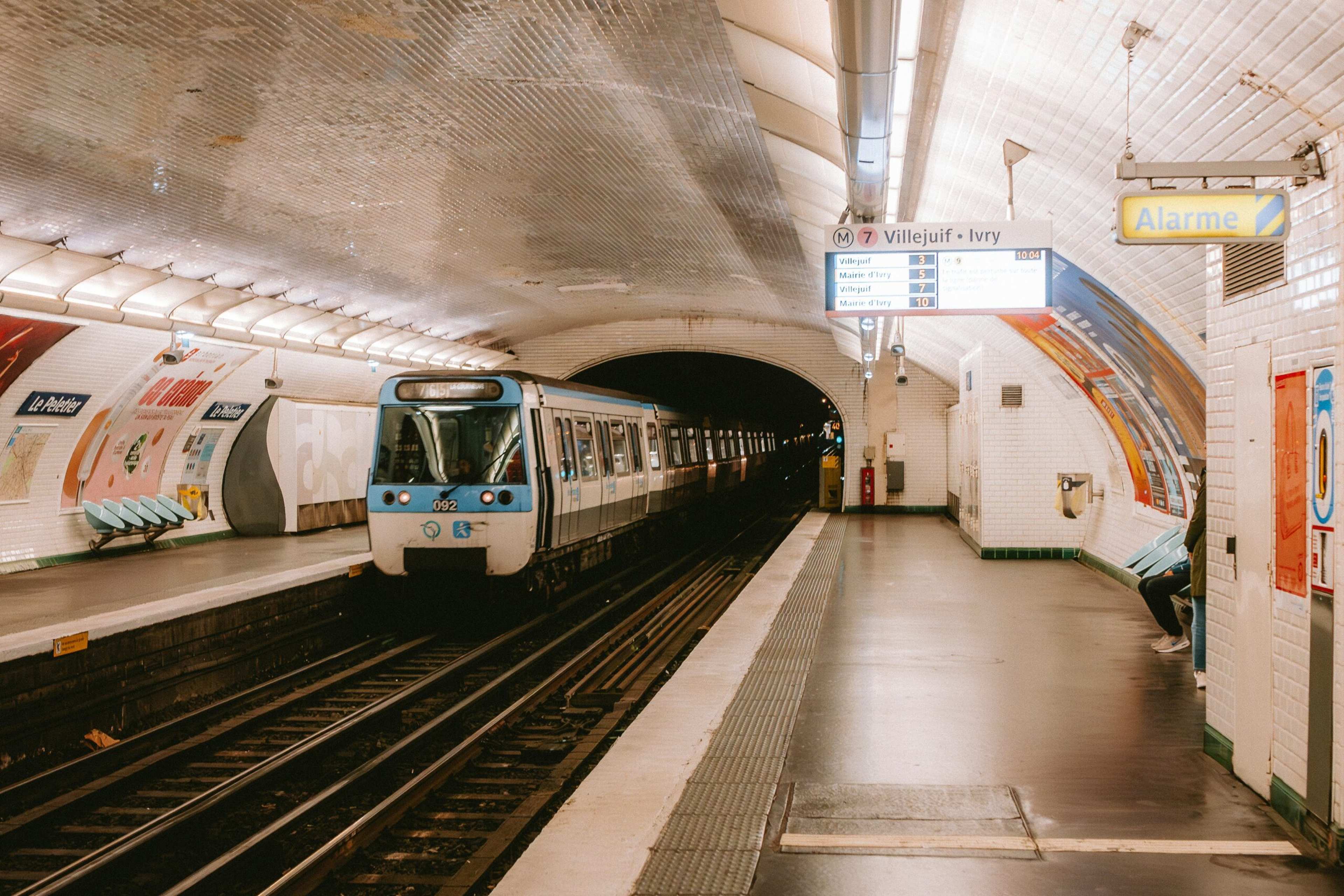
Tokyo is one of the most enchanting cities on the planet. There’s a reason why millions flock here every year, mesmerized by the neon-lit streets of Shibuya, the tranquil temples of Asakusa, and the promise of culinary adventures that seem endless. It’s hard not to feel swept up in the energy.
Honestly, experiencing Tokyo is transformative. Yet there’s something beneath the surface that many tourists miss entirely. The city has its own rhythm, an unspoken set of rules that keep everything flowing smoothly. When you break them, even innocently, you create ripples of discomfort that locals feel deeply every single day.
Here’s the thing. A whopping 36.8 million tourists arrived in Japan in 2024, which is the highest number since records began in 1964. This tourism boom isn’t just statistics. It’s crowded trains, overwhelmed neighborhoods, and locals increasingly using the phrase kankō kōgai, literally “tourism pollution” to describe how their daily lives are affected. So let’s get started and find out exactly what behaviors are making locals cringe.
Talking Loudly on Trains Like You’re Still at a Party
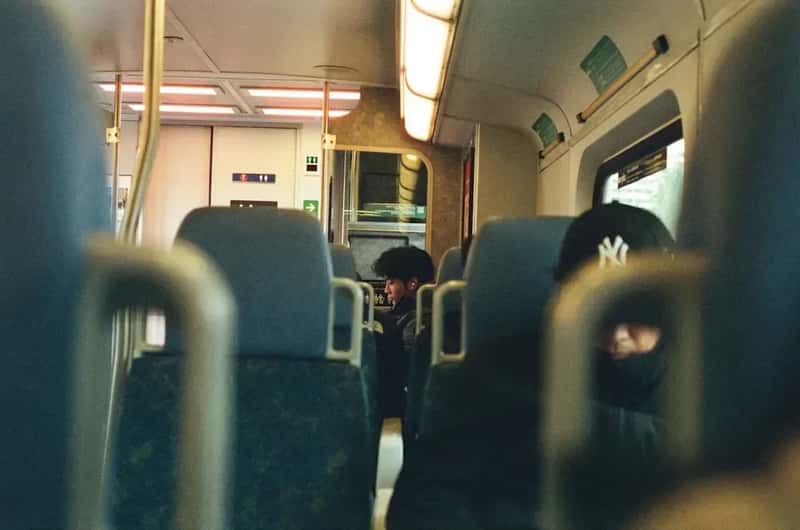
Talking loudly on trains is considered bad mannered and ranks highly amongst the most annoying behaviors on trains in Japan. Think about it from a local perspective. They’re commuting to work in silence, maybe catching a few minutes of sleep before a long day, when suddenly a group of excited tourists starts chatting at full volume about where to eat dinner.
During rush hour in Tokyo, when trains become extremely crowded, this silence becomes almost meditative, a collective agreement to make a potentially uncomfortable situation more bearable for everyone. The trains are already packed shoulder to shoulder. Don’t talk on the phone. Even a quick call is seen as incredibly rude. Set your phone to silent and if you absolutely must communicate, text instead. You’ll blend in far better, and the person sitting next to you won’t be silently wishing you’d get off at the next stop.
Eating and Drinking on Subway Lines
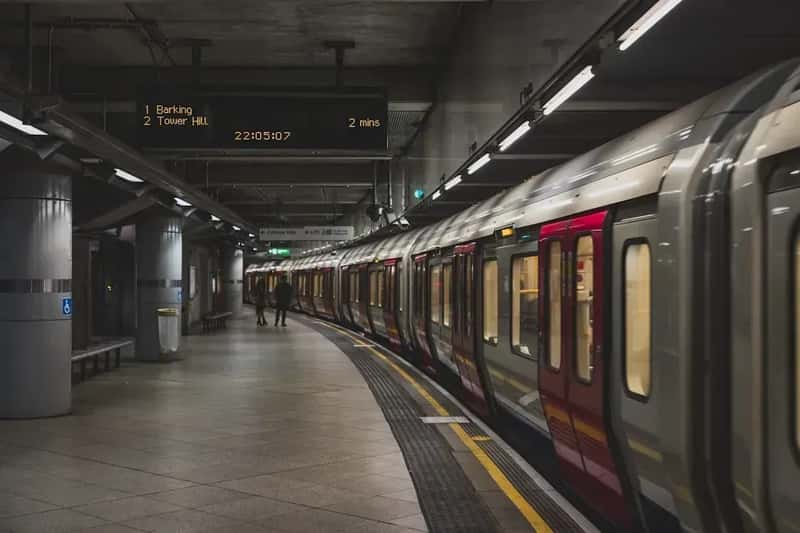
Here’s where things get tricky for newcomers. Don’t eat or drink on subways. This isn’t about being uptight. It’s about respecting shared space in one of the world’s most densely populated cities.
Refrain from eating on urban trains because it’s uncomfortable for those around you in cramped conditions. The smell of your takeaway coffee or that convenience store onigiri might seem harmless, but in a silent, crowded car, it becomes noticeable and annoying. On bullet trains, eating is okay – bento boxes are even sold onboard. The distinction matters. Long-distance Shinkansen travel allows eating, but your morning commute subway? Absolutely not.
Blocking Passageways and Sidewalks for the Perfect Instagram Shot
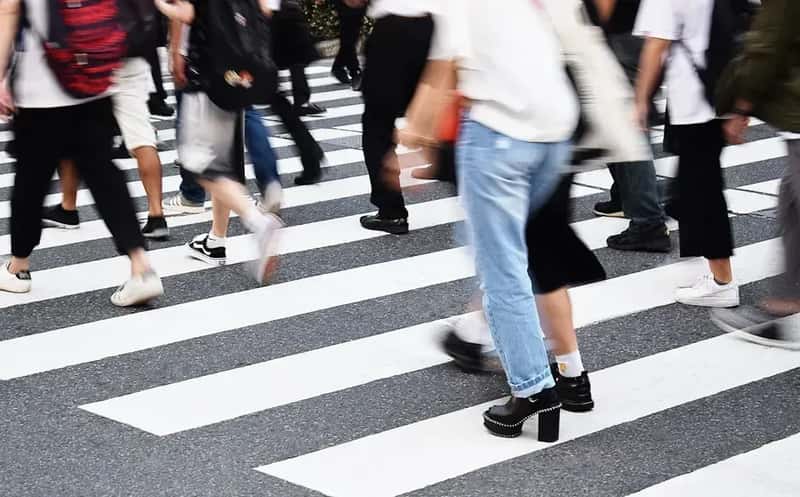
I get it. Tokyo is insanely photogenic. Every corner looks like it belongs on a postcard. Still, there’s a time and place for everything.
Top complaints are related to inconsideration when taking photos (blocking passageways, trespassing and crossing roads dangerously), noise, eating while walking, garbage disposal and luggage. Picture this: you’re standing in the middle of a busy Shibuya crosswalk, posing while hundreds of people try to navigate around you. Keep your voice down in consideration for those who wish to relax and are not interested in your conversation. The same principle applies to blocking foot traffic. Move to the side, take your shot quickly, and let life continue flowing around you. Locals have places to be, and they’re not interested in being extras in your travel vlog.
Ignoring the Shoe Removal Custom
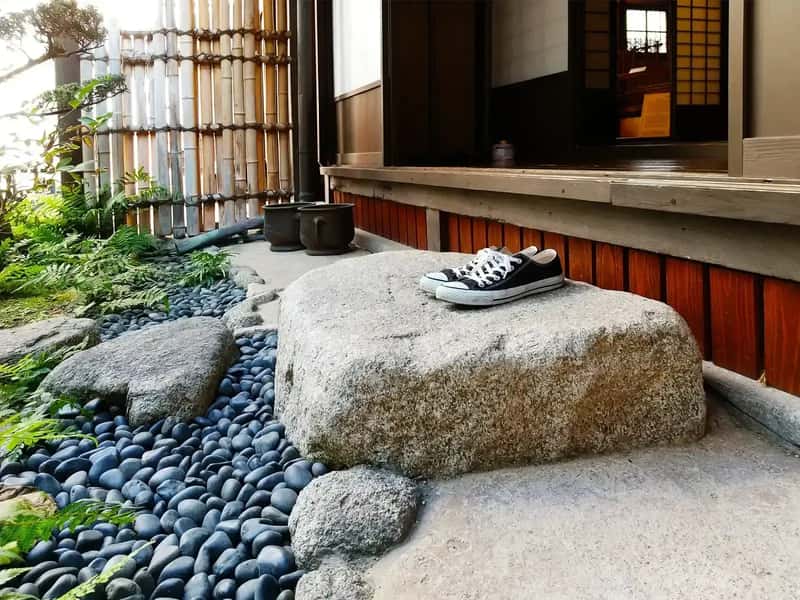
At a lot of temples, you will be expected to leave your shoes outside as they are seen as dirty. This isn’t optional. When you see a genkan entryway or notice locals removing their footwear, you do the same.
Look for a “genkan” (entryway) where you should remove and neatly store your shoes. The rule extends beyond temples to certain restaurants, traditional inns, and even some offices. Bring socks. Walking around barefoot when slippers aren’t provided is considered odd. I know it sounds like a small detail, but accidentally wearing bathroom slippers back into the main area is genuinely one of the most mortifying cultural mistakes you can make in Japan.
Assuming Everyone Speaks English and Getting Frustrated
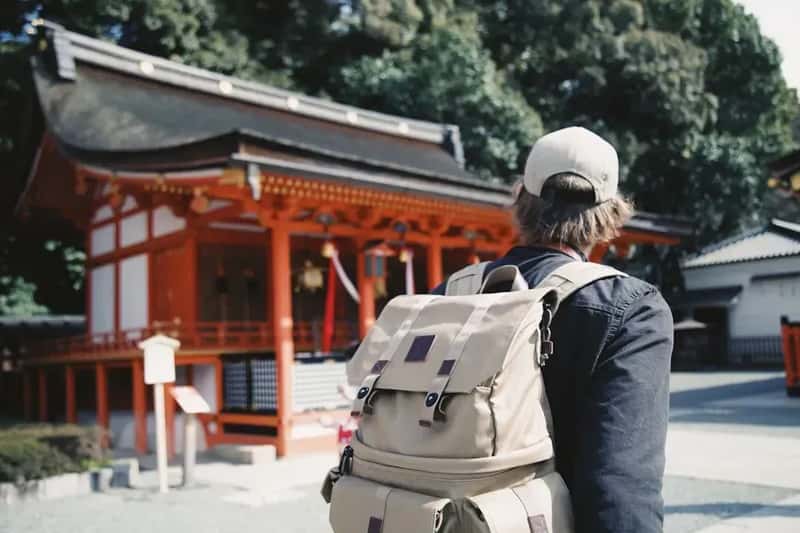
Many visitors mistakenly assume that everyone in Tokyo speaks some English. This assumption leads to awkward, sometimes aggressive encounters that leave both parties uncomfortable.
I’ve seen tourists aggressively ask questions in English when the other party is unable or unwilling to speak the language and even push phones into their faces in an attempt to communicate. Honestly, it’s hard to watch. Japanese people are incredibly polite, but that doesn’t mean they’re obligated to understand your language. Learn a few basic Japanese phrases before you arrive. Even a simple “sumimasen” (excuse me) goes a long way. If someone seems uncomfortable, back off and find an information desk where English-speaking staff can help. Respect goes both ways.
Misusing Chopsticks at the Dinner Table
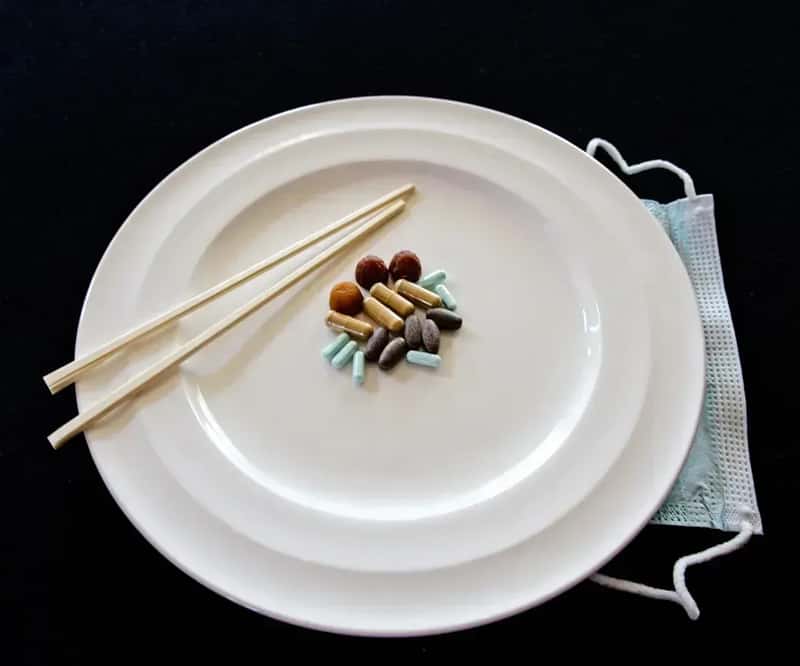
Chopstick etiquette is serious business in Japan, and breaking these rules can genuinely offend people. Avoid placing chopsticks vertically into a bowl of rice, as this mirrors a traditional funeral practice and is considered highly inappropriate in Japanese culture.
Don’t pass food from chopsticks to chopsticks – also linked to death customs. These aren’t just superstitions. They’re deeply rooted cultural practices tied to mourning rituals. Other mistakes to avoid? Don’t point with your chopsticks, wave them around while talking, or stab your food. When you’re taking a break from eating, place them on the holder provided or across your plate. It’s a small gesture that shows you’ve done your homework.
Treating Sacred and Residential Spaces Like Theme Parks
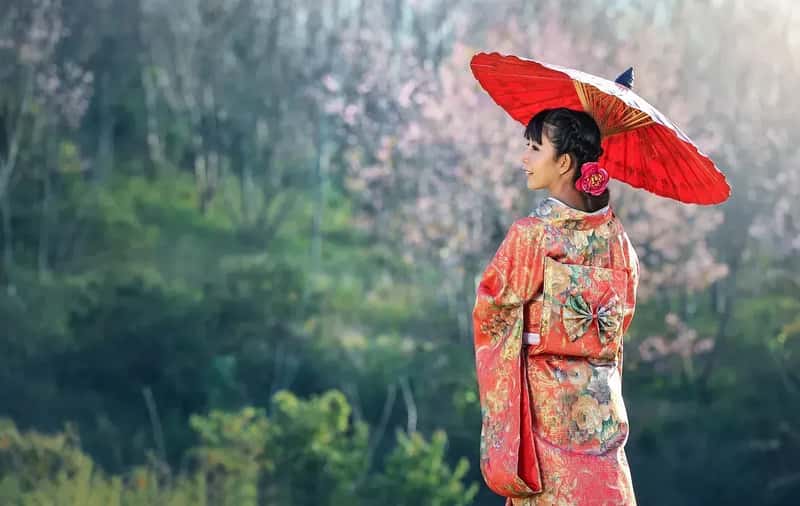
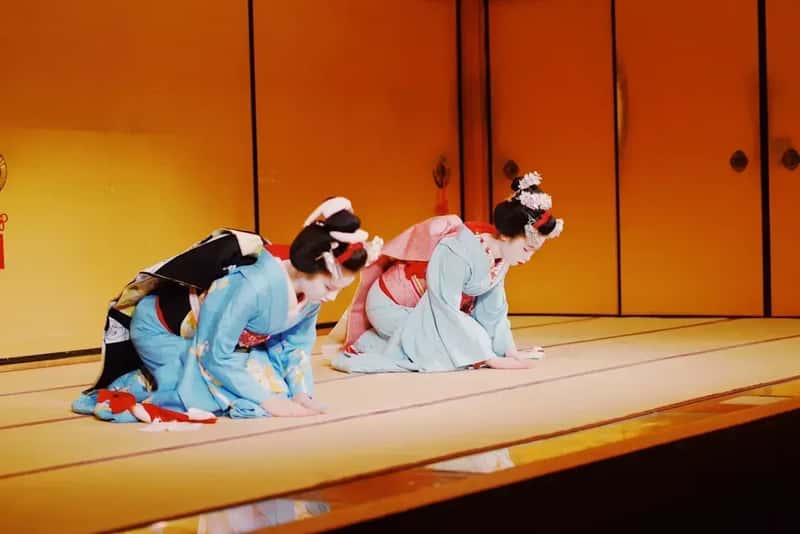
Maiko (geishas in training) were harassed by tourists for selfies whilst they were on their way to work, leaving them in tears. This reality is heartbreaking. The Gion district in Kyoto officially banned tourists from entering its private alleyways starting in April 2025, following years of increasing harassment complaints from geishas.
Tourists often enter private alleyways, chase geisha (or geiko, as they’re known in Kyoto) with cameras, ignore “private property” or “no trespassing” signs, and generally disrupt the traditional environment. Let’s be real. Just because you’re on vacation doesn’t mean someone else’s neighborhood becomes your personal photo studio. Respect boundaries. If there’s a sign saying private property, it means exactly that. Religious sites aren’t Instagram backdrops. They’re places of worship where locals go to find peace. Act accordingly.
Conclusion
Tokyo will captivate you, challenge you, and probably change the way you see urban life forever. The key to truly experiencing this incredible city is understanding that respect isn’t just about following rules. It’s about recognizing that behind every cultural expectation is a real person trying to live their life.
Most locals won’t confront you directly, but that doesn’t mean they don’t notice or aren’t affected. When you keep your voice down on the train, remove your shoes at the temple entrance, and step aside to let foot traffic flow, you’re not just being polite. You’re showing that you value cultural connection over convenience. Did you notice any of these behaviors during your own travels? Share your thoughts in the comments below.