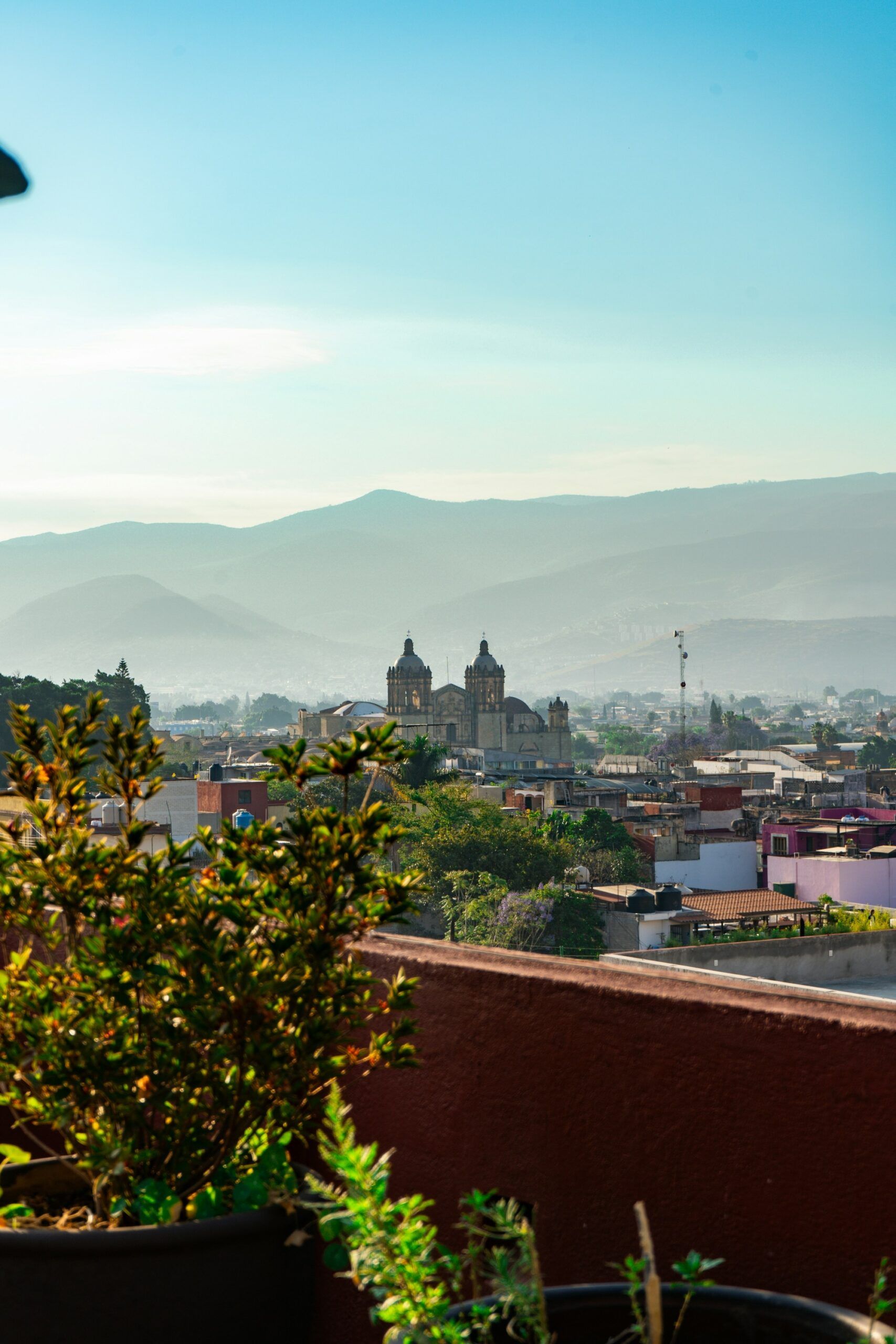
If someone handed me a plane ticket and a free week, I wouldn’t spend long deciding. I’d pick Oaxaca City, the capital of the southern state of the same name. It isn’t the biggest or the most famous Mexican city, and it isn’t the easiest to reach. It does pack a lot into a walkable grid: colonial streets, ancient ruins, a serious food scene and the center of the mezcal world.
This is a pick based on what the evidence says about the place, not a claim that it’s perfect. Oaxaca has had a record-setting stretch and a rough patch for hotels, sometimes in the same year. So here’s the case for going back, with the caveats left in.
A Grid Laid Out Nearly 500 Years Ago
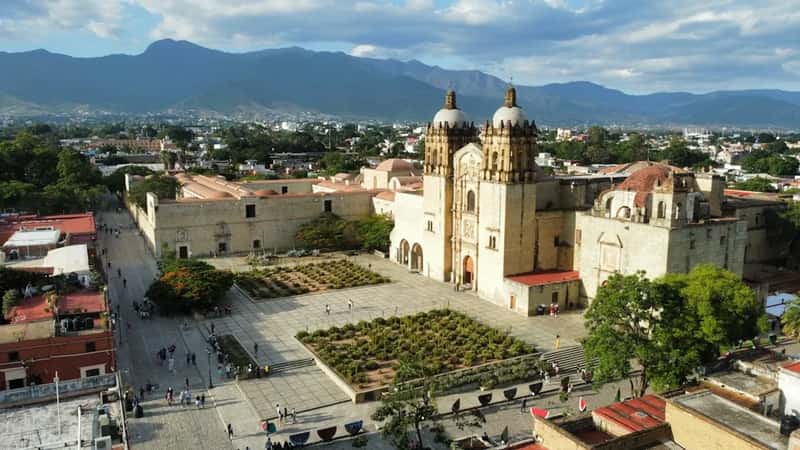
Start with the bones of the city. The Historic Centre of Oaxaca was founded in 1529 as Antequera, and it keeps a sixteenth-century colonial grid layout along with preserved architecture.[1] That grid is why the center feels so easy to wander. You rarely need a map, and a few blocks in any direction usually turn up something worth stopping for.
UNESCO agrees the place matters. The historic centre and the nearby archaeological site of Monte Albán have been recognized together as a World Heritage Site since 1987.[1] Plenty of heritage cities feel like museums. Oaxaca still works as a living city, which is much of the appeal.
Monte Albán, Just Up the Hill
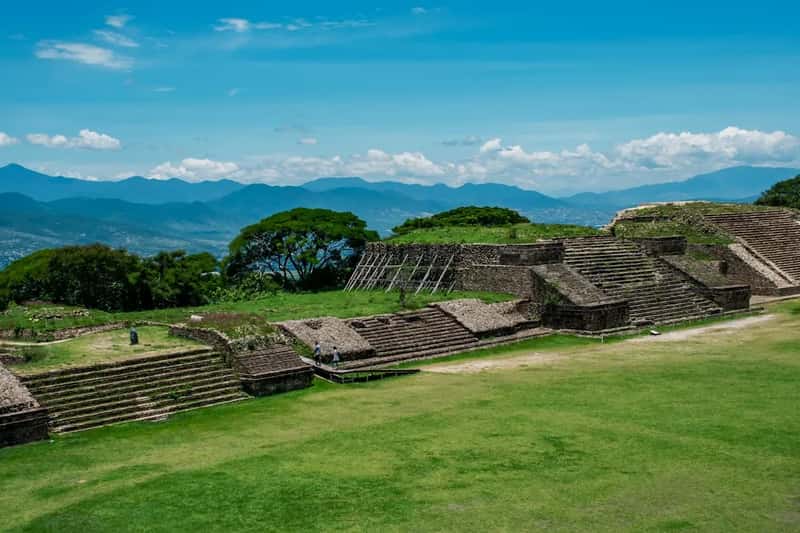
Few cities put a major Mesoamerican capital within easy reach, and Oaxaca does. Monte Albán sits on a flattened mountaintop about 10 kilometers from the city, with wide views over the surrounding valleys.[2] It’s described as the first major urban center in Mesoamerica, home to roughly 35,000 people at its peak.[2] Estimates of its population vary between sources, but the scale is clear either way.
The site’s Grand Plaza is the part I’d want to see again. It’s a vast open esplanade nearly 300 meters long.[2] Standing in a space built for rulers and ceremony, with the valley spread out below, puts the colonial city you left that morning into a much longer story.
Mezcal Is Serious Business Here
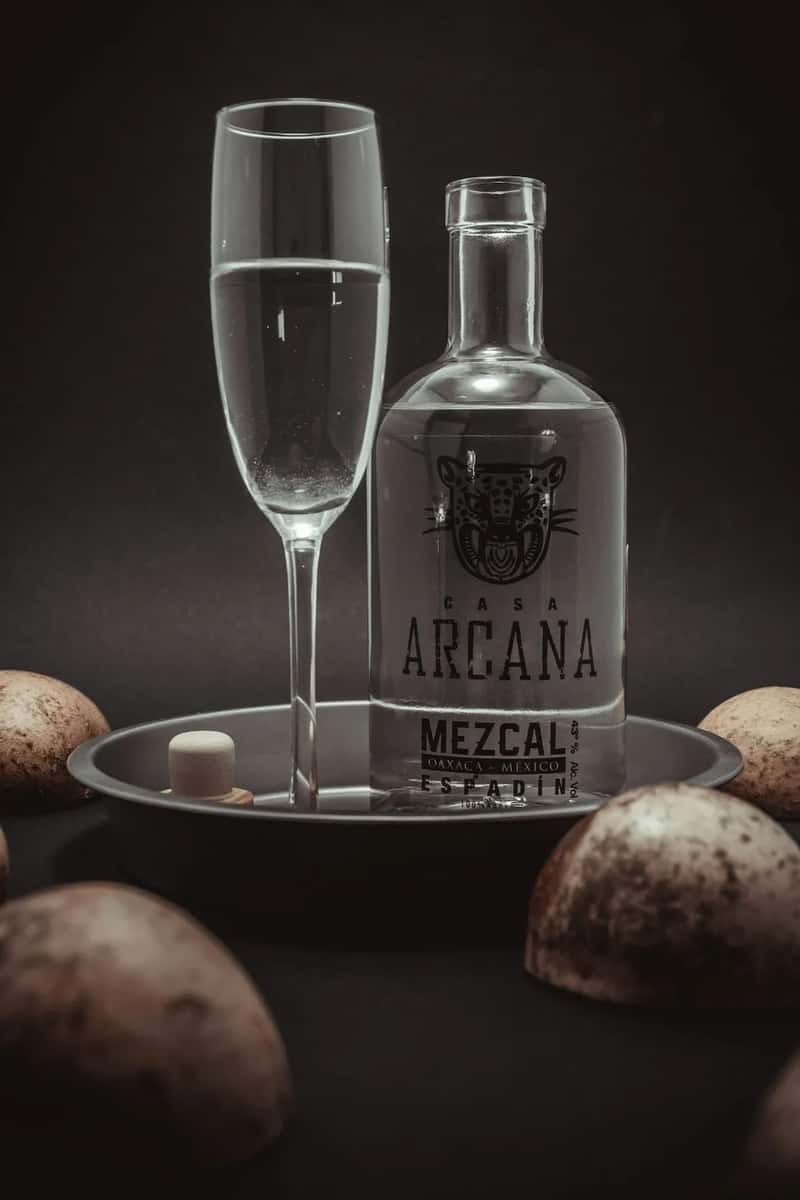
You can’t talk about Oaxaca without mezcal, and the numbers back that up. In 2025, Oaxaca accounted for 89.47 percent of Mexico’s certified mezcal production, according to COMERCAM.[3] That figure covers certified mezcal only, so it doesn’t capture every liter made outside the formal system. Still, nearly nine of every ten certified bottles is a strong sign of where the center of gravity sits.
What I like is the variety behind the number. CONABIO records 35 naturally occurring agave species in Oaxaca, about 22 percent of Mexico’s total.[3] Yet espadín made up a little over 84 percent of certified production in 2025, measured by agave used.[3] A good tasting room is where you can explore beyond that dominant plant.
The Month the City Changes Rhythm
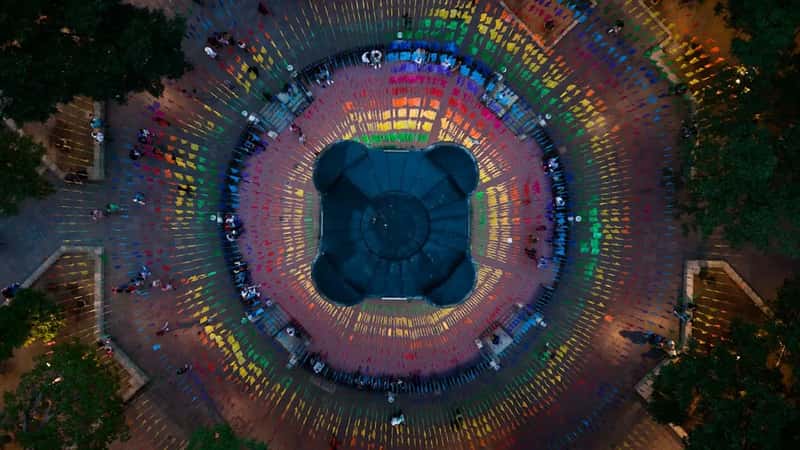
July is when Oaxaca turns up the volume. The Guelaguetza is the headline event, and the 2026 main shows took place on Monday, July 20 and Monday, July 27, at the Cerro del Fortín auditorium.[4] The 2026 edition was officially presented as the 94th.[5] Delegations from all eight regions of Oaxaca were set to take part.[6]
The festival also spills into the surrounding weeks. In 2026, the Feria del Mezcal ran from July 17 to 28 at the CCCO, and the Festival de los Moles moved to Plaza de la Danza on July 24 and 25.[7] So even if you can’t get a seat at the amphitheater, the city offers plenty of other ways in. I’d happily plan a return around it again.
Records on Paper, Empty Rooms in Some Hotels
The official tourism story is one of growth. Oaxaca state reported 6.289 million visitors in 2025 and an economic impact of 23.348 billion pesos, which officials called the best results in the sector’s history.[8] Those are state government figures, so they come with a promotional edge. Even so, they fit the wider picture of a destination that has moved well beyond its backpacker roots.
Hotels tell a more mixed story. The same state report put hotel occupancy at 43.20 percent, up from 39.15 percent over three years.[9] During the 2026 Guelaguetza, the state’s hotel association reported occupancy of about 38 percent, its lowest level since the pandemic.[10] The sector points to a softer economy, tighter budgets, security worries and a shift toward short-term rentals, which don’t show up in hotel figures.[10] Meanwhile, the federal Tourism Secretariat had projected around 83 percent occupancy for the same period.[11] The two numbers don’t match, and that’s worth knowing before you assume the city is either overrun or deserted.
Why a Slow Trip Suits It
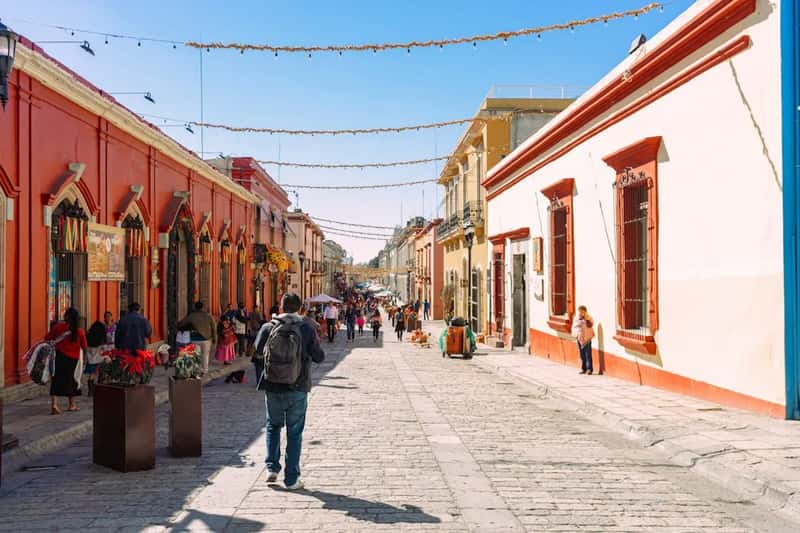
Oaxaca rewards staying put. The historic center is compact, Monte Albán is a short ride away, and mezcal tastings and market meals fill the gaps. One travel statistics roundup claims visitors average seven to nine nights, longer than at beach resorts,[12] though that’s a secondary source and I’d treat the exact range with caution. The general idea, that people linger here, matches how the city feels.
Getting there has also become easier on paper. The state’s four airports handled 3,721,320 passengers in 2025, a rise of 23.5 percent since the start of the current administration.[9] More seats and more passengers don’t guarantee a smooth trip. Still, they suggest the city is better connected than it was a few years ago.
How I’d Plan the Return
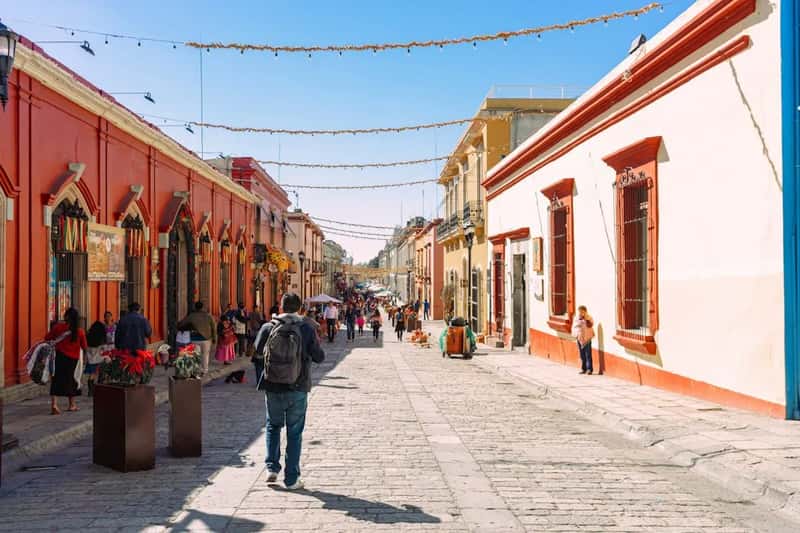
First, I’d decide whether I want the festival or the calm. If July is the goal, book early, because tickets are capped at two per account and the free seating areas are handed out in person, not online.[7] Rules shift from year to year, so check the official announcements for whichever edition you’re targeting. If crowds aren’t your thing, a quieter month lets you see the same streets at a gentler pace.
Second, I’d split my time deliberately. Give the center a couple of days on foot, set aside a morning for Monte Albán, and book a mezcal tasting with a producer who can explain the agave behind the glass. Keep an afternoon empty for nothing in particular. That’s usually when Oaxaca does its best work.
Conclusion: One City, Many Reasons
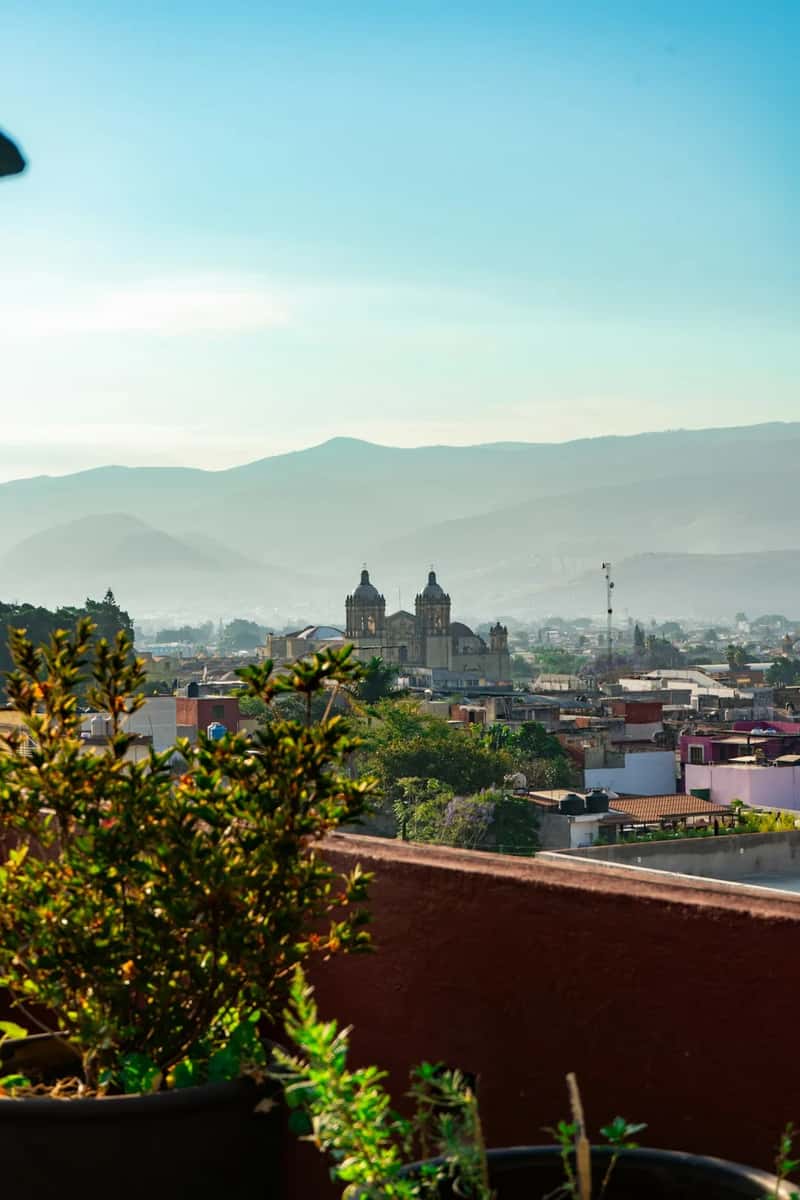
Oaxaca earns its place on my list because it stacks up in layers. There’s a UNESCO-listed colonial grid, a Zapotec capital on the hill, a state that makes nearly nine in ten certified mezcal bottles, and a July festival that takes over the city. The tourism numbers are strong, the hotel picture is uneven, and both are worth keeping in mind.
That honesty doesn’t weaken the case for me. A city that’s still working out how to handle its own popularity is usually still worth visiting. I’d go back tomorrow, and I’d leave the itinerary loose.