
Most Americans arrive in Mexico with a tipping reflex built for home, where the percentages are high and the expectations are firm. Some of those habits carry over well. Others lead to overpaying, double tipping, or handing over the wrong kind of money.
Tipping is called la propina in Mexico, and it shows up in more places than many visitors expect. The amounts are usually smaller than in the States, though, and they change depending on whether you’re in a beach resort, a big city, or a neighborhood lunch spot.
Why Tipping Works Differently Than at Home
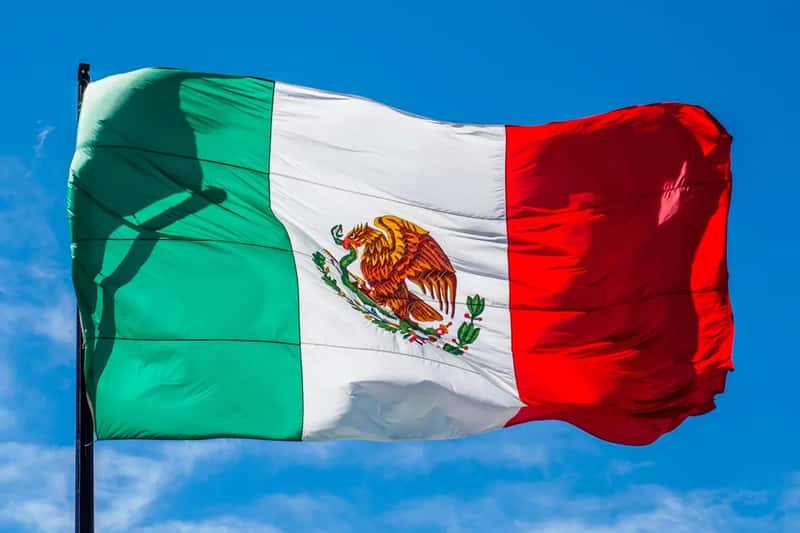
Tipping is a normal part of daily life in Mexico, and understanding where it’s expected and how much is standard helps you handle service situations with confidence[1]. One reason it matters is pay. The general minimum wage in 2026 is roughly 278.80 pesos per day, about 14 US dollars[2], so restaurant, hotel, and gas station workers often lean on tips.
The biggest gap from the US is the percentage. While 15 to 20 percent is standard at restaurants in the US, 10 to 15 percent is more common in Mexico.[3] Location also plays a part, since beach destinations tend to be more expensive than major cities or places off the tourist trail[4].
Restaurants and the Ten to Fifteen Percent Baseline

At sit down restaurants, the standard tip is 10 to 15 percent for good service, and 15 to 20 percent for exceptional service[1]. In everyday neighborhood spots, the number drops a little. At local fondas, 10 percent is plenty[5].
Upscale places tend to lean higher. At upscale restaurants in Mexico City, Tulum, and Los Cabos, 15 percent has become the norm[1], as pricing and expectations line up more closely with US and European habits. A quick example: on a bill of around 500 pesos, 50 pesos would be a standard tip[3].
Check the Bill Before You Add Anything
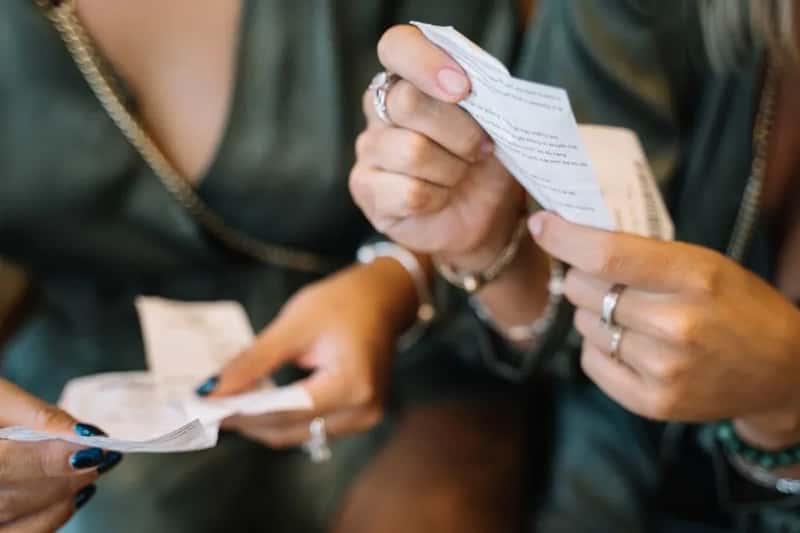
Before you tip, look at the receipt. Bills in Mexico don’t include a service charge by default, so look for “propina incluida” or “servicio incluido” near the bottom.[1] If neither appears, a tip is expected.
This matters more than it used to. According to AFAR, Mexico’s consumer protection agency, PROFECO, issued a nationwide warning in early 2026 after busy tourist restaurants in Cancun began adding a 15 percent charge automatically[4]. Mandatory tips are illegal under Mexican law, yet it happens often in Cancun’s Hotel Zone.[4] Reading the bill takes ten seconds and can save you from tipping twice.
Bars, Cafés, and Beach Clubs
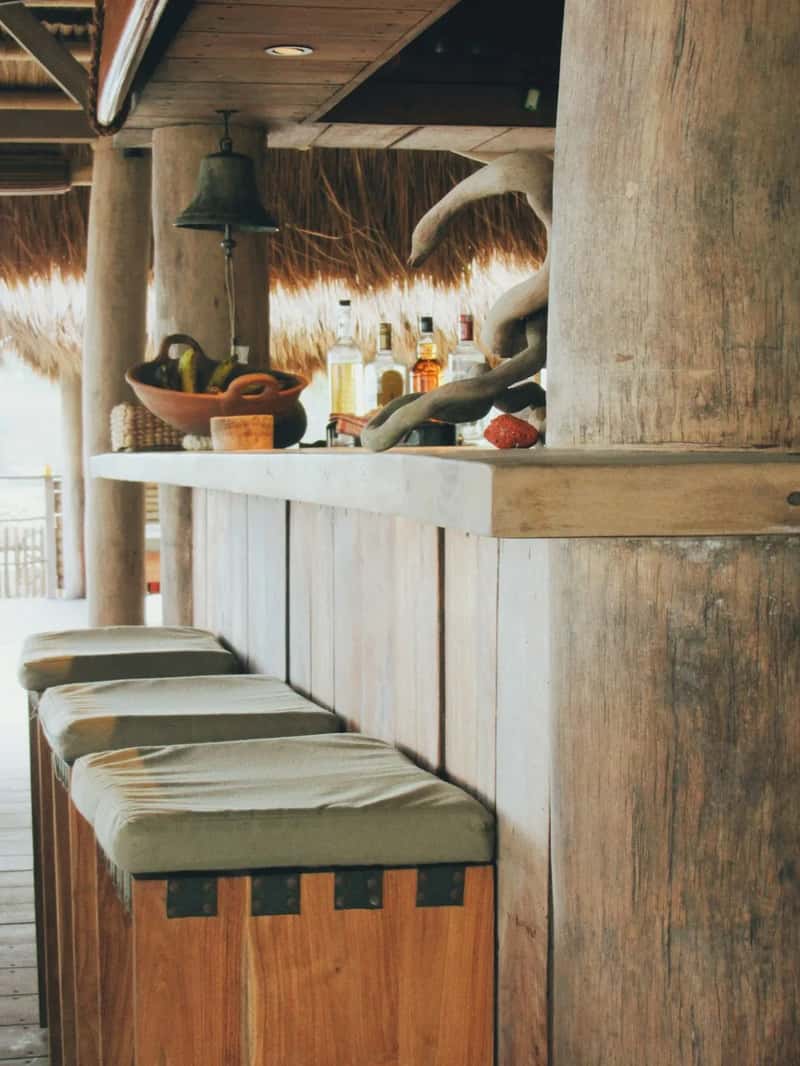
Bar tipping looks a lot like it does at home. If you pay with each round, you can leave pesos on the bar, and twenty pesos per round is sufficient.[4] If you run a tab, the same 10 to 20 percent rule as in restaurants applies[4], depending on the type of bar and where it is.
Beach clubs sit in their own category because the service is so hands on. Where staff bring ice, towels, and refills, 50 to 100 pesos per service interaction is reasonable[1]. At casual cafés, small change is often enough, though a sit down café order with table service can follow the restaurant range.
Hotel Housekeeping, Bellhops, and Concierges

Hotel tips are less rigid than restaurant tips, but they’re appreciated. Tipping at hotels may not be as expected as in restaurants or bars, but it’s definitely appreciated, especially for employees who may earn below a living wage.[6] For housekeeping, published guidance ranges from about 25 to 50 pesos per day, with some Cancun sources suggesting 50 to 100 pesos[7].
Leave it daily rather than at checkout. Housekeeping staff may rotate, and if you tip all at once, the total is unlikely to be shared.[8] For other staff, bellhops typically get 25 to 50 pesos, leaning higher with several bags, and concierges 50 to 150 pesos depending on the service[9].
All Inclusive Resorts Are Not All the Same

“All inclusive” doesn’t always mean tips are covered. Many all inclusive resorts in Mexico include gratuities in the rate; some have a no tipping policy, while others are fine with a little extra for great service.[10] The simplest move is to check your resort’s policy before you arrive.
If tipping is allowed, the same hotel guidelines apply. Small, early gestures can also go a long way. One tour operator notes that a couple of bucks slipped to a bartender early in the day can make service noticeably more attentive[8], which is anecdotal but a common view among travelers.
Taxis, Rideshares, and Airport Transfers

Taxis are one of the places where Mexico differs most from the US. Sources disagree a little on how much to give, but most agree it’s optional. Most taxi drivers and shuttle operators don’t expect a tip, though around 10 pesos is a courteous gesture if the driver helps with luggage.[10]
Rideshare is a bit different. AFAR advises that tipping an Uber driver in Mexico is the same as in the US, since a large portion of the fare goes to Uber[4]. Another guide suggests 20 pesos for short rides and 10 to 15 percent for longer ones[8]. Apps also let you add a tip in the app after your ride.
Tour Guides and Private Drivers

Guides depend heavily on tips. Guides at archaeological sites, cenote tours, cooking classes, and day trips work at low base wages.[1] For group tours, each participant tips individually, and if a company collects a group tip, follow its guidance[1].
Amounts vary by source. AFAR suggests 100 pesos per person for large group tours[4], while Skyscanner recommends 10 to 20 percent of the total cost of the tour per person[9]. Private tours generally call for more, and AFAR lists 300 to 600 pesos per person for a full day[6].
Pesos, Cash, and Card Machines

Bring pesos for tips. US dollars are accepted in tourist areas but aren’t preferred by local workers who have to exchange them.[5] Coins are especially awkward, since AFAR notes that foreign coins can never be exchanged for pesos[4].
Cards are widely accepted now, yet cash still rules for tipping. Contactless works at most restaurants and hotels in major cities and resorts, but tipping remains overwhelmingly cash.[2] If a server asks about “el servicio” when you pay by card, that refers to the tip[3]. It also helps to carry 20 and 50 peso notes, since a 200 peso note is too large for small tips[2].
Small Tips for Everyday Stops
Some of the smallest tips catch visitors off guard. At gas stations and grocery stores, TipCalc suggests 10 to 20 pesos for the gas station attendant and 5 to 10 pesos for the grocery bag packer[2]. At taco stands, tipping isn’t expected, but 5 to 10 pesos is a kind gesture[5].
Personal services follow the familiar pattern. AFAR lists 10 to 20 percent of the cost for spa treatments, massages, barbers, and hairdressers[6]. Keeping a small stack of 20 and 50 peso notes in an easy pocket makes all of these stops simple.