Everyone who has ever booked a flight to Cancún or Mexico City has heard the same recycled tips: watch your bag on the metro, don’t drink the tap water, book a reputable tour operator. That advice isn’t wrong, but it’s incomplete, and it hasn’t caught up with what’s actually changed in Mexico this year. Between a reshaped travel advisory system, a sweeping new vaping law, a World Cup summer bending prices in three host cities, and a peso that no longer behaves like the bargain currency travelers remember, 2026 is quietly a different trip than the one most guidebooks describe.
This isn’t a scare piece, and it isn’t a dismissal either. It’s the stuff that tends to get buried under generic “stay safe” lists, the details that actually change how much you spend, what gets confiscated at customs, and which neighborhoods deserve a second look before you book.
The State-by-State Advisory Nobody Reads Past the Headline
Most travelers see “Mexico: Level 2, Exercise Increased Caution” and stop reading right there. That single number hides something unusual: Mexico is the only country where the U.S. State Department publishes a separate advisory level for each of its 32 federal entities. That granularity is the most useful piece of information a traveller can have, and the one most often lost when search engines and AI summaries flatten everything to a single line.
The practical picture as of mid-2026 looks like this: six states remain under a Level 4 “Do Not Travel” advisory, including Colima, Guerrero, Michoacán, Sinaloa, Tamaulipas and Zacatecas, while several additional states including Baja California, Chihuahua, Guanajuato and Jalisco are classified as Level 3, meaning Americans should reconsider travel. Meanwhile, popular tourist hubs like Yucatán and Campeche remain at Level 1, the lowest tier on the scale. What that means in practice is that flying into Mérida and flying into parts of Sinaloa are not remotely comparable trips, even though both technically fall under “Mexico.” Before you book anything, look up the specific state, not just the country.
The World Cup Changes More Than Just Crowds
Mexico is co-hosting the 2026 FIFA World Cup alongside the United States and Canada, and that has ripple effects well beyond ticket prices. The updated advisory, issued May 29, applies to Mexico, one of three countries hosting the 2026 FIFA World Cup, which is set to host matches in Mexico City, Guadalajara and Monterrey. The State Department has specifically flagged this tournament in its guidance, urging fans to stay alert to embassy updates throughout the summer.
Beyond safety messaging, the tournament is genuinely reshaping the ground reality in host cities. Hotel rates, restaurant prices, and transportation costs in Mexico City, Guadalajara, and Monterrey have shifted noticeably around match dates, and 2026 is shaping up to be an especially busy year thanks to the FIFA World Cup rolling through those three cities, bringing extra crowds, extra confusion, and extra chances for visitors to trip themselves up. If your trip doesn’t revolve around the tournament, it may be worth timing your visit around match weeks rather than during them.
The Vape Ban Is Absolute, Not a Gray Area
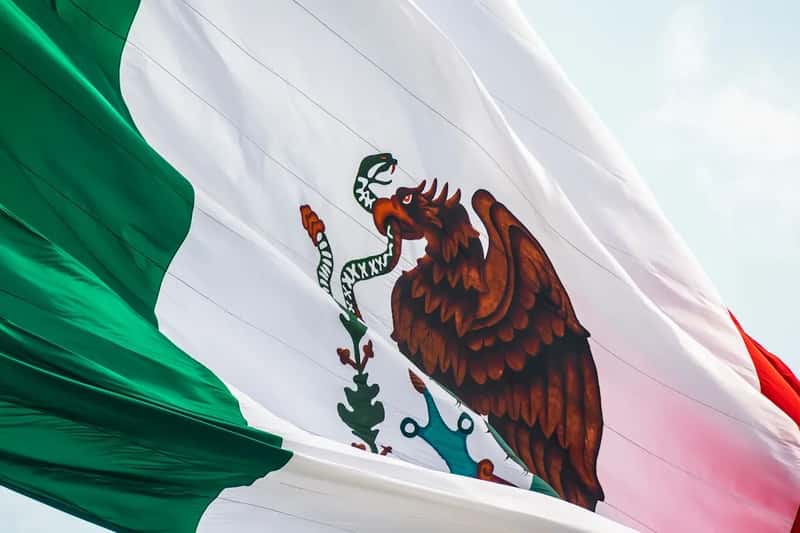
This is the one that catches even seasoned travelers off guard. Mexico didn’t just tighten its vaping rules, it rewrote its constitution over it. Mexico has a complete constitutional ban on vaping effective January 18, 2025, becoming the first country in the world to embed a vape ban directly in its constitution. As of early 2026, enforcement has become active rather than theoretical, with customs officials now utilizing high-resolution X-rays to detect lithium batteries and authorized to confiscate all devices and issue administrative fines.
The penalties are not symmetric with the risk most tourists imagine. The vape ban in Mexico carries penalties of up to $12,500 and 8 years in prison, and there’s no wiggle room for personal or medical use. Import penalties start at $1,000 USD and can reach $100,000 or more, with no exceptions for tourists, personal use, or small quantities. If you vape, the safest move by a wide margin is to leave the device at home entirely rather than risk a confiscation that can escalate into something far more serious at the border.
Your Dollar Doesn’t Stretch Like It Used To
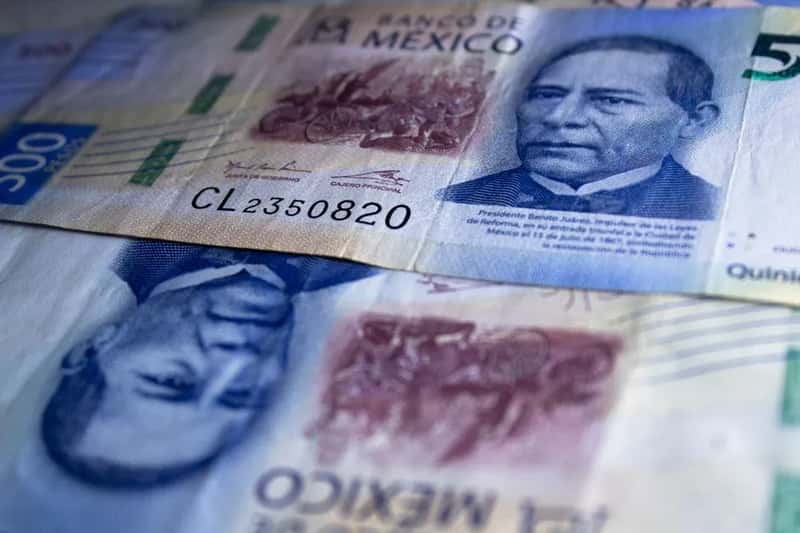
The old assumption that Mexico is automatically cheap needs an update. The peso has strengthened meaningfully compared to a few years ago, and that changes the math on nearly everything. Mid-2026 trading has the exchange rate hovering close to seventeen and a half pesos to the dollar, and the Mexican peso traded little changed at 17.5 per USD in July as broad US dollar weakness was offset by uncertainty surrounding the USMCA review. That is a meaningfully stronger peso than a few years ago, which quietly makes Mexico less of a bargain than travelers might remember from pre-pandemic trips.
Inflation has actually been easing, which helps a little. Mexico’s annual inflation rate eased to 3.37% in June 2026 from 3.94% in May, the lowest reading since December 2020, and slightly below market expectations. Still, prices vary enormously by location. Restaurants in beach towns and resort corridors routinely charge two to three times what you’d pay for the same dish in Oaxaca or Mérida, so budgeting the same amount per day regardless of destination is a mistake that catches a lot of first-time visitors.
Tipping in Pesos Isn’t Just Polite, It’s Practical
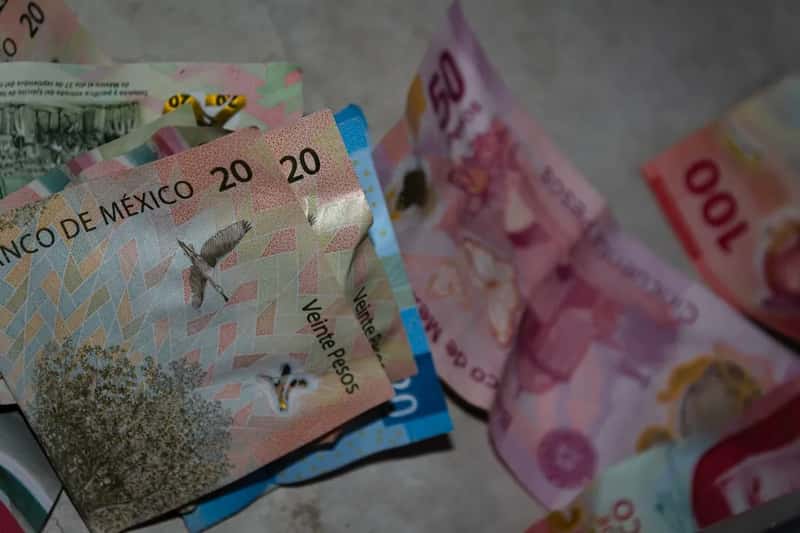
Handing over a crumpled American dollar bill used to be treated as a universal, welcome gesture. In 2026, that habit is quietly working against the people you’re trying to help. When a bartender takes US singles to a local exchange house or a hotel front desk, they do not get the official market rate; they get hit with retail exchange spreads. The math is not trivial either: with the exchange rate hovering around 17.2 pesos per dollar, a $5 USD tip should equal 86 pesos, but if it’s exchanged at a hotel or airport kiosk with a poor buy rate, that $5 tip is often reduced to around $4.20 in actual spending power.
Tipping norms also shift depending on where you are. Because beach destinations tend to see more foreign tourists from the United States and Canada, it is customary to tip between 15 and 20 percent, while for less touristy destinations in the interior of the country, locals will tell you that 10 to 15 percent is standard. For housekeeping, a good rule of thumb is to leave between 25 and 50 pesos per day, left daily since the person cleaning your room can change from one day to the next. Pull a stack of small peso bills from an ATM on arrival, and you’ll avoid the entire currency headache for the rest of the trip.
The Scams Have Quietly Gotten More Sophisticated
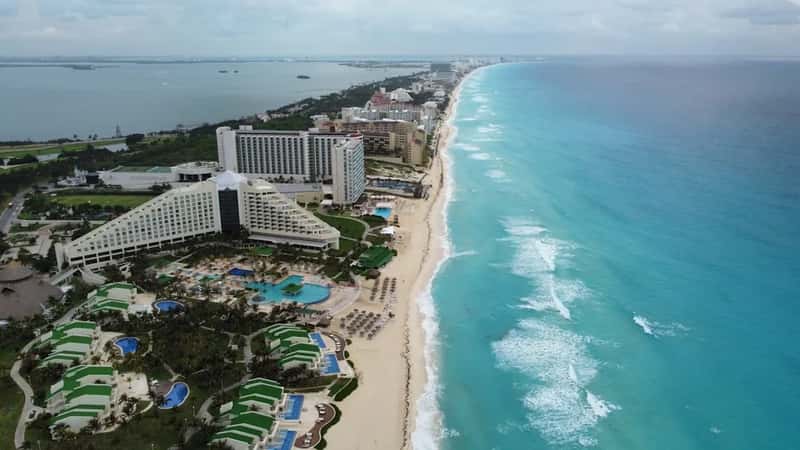
The classic warnings about pickpockets and overpriced taxis still apply, but the scam landscape has evolved past street-level tricks into something more organized and, in some cases, digital. Fake booking sites are a growing problem specifically around Cancún. Authorities in Quintana Roo have identified up to 20 new fake hotel sites per month targeting Cancun visitors, and Mastercard’s 2025 travel fraud index ranked Cancun among the highest globally for this type of pre-trip online fraud. Victims often don’t discover the problem until they’re standing at a front desk with no reservation on file.
Timeshare fraud has also picked up a darker layer. Initial contact is often made remotely by phone or email to existing timeshare owners, run through call centers linked to CJNG that operate throughout Mexico. In Mexico City specifically, the most commonly reported risks are ATM skimming and card cloning, express kidnapping where victims are taken to ATMs and forced to withdraw cash, and fake vacation rental listings. None of this means avoid Mexico City or Cancún, but it does mean booking directly through verified hotel channels and treating unsolicited “amazing deal” emails with real suspicion.
ATMs and Card Machines Have Their Own Traps
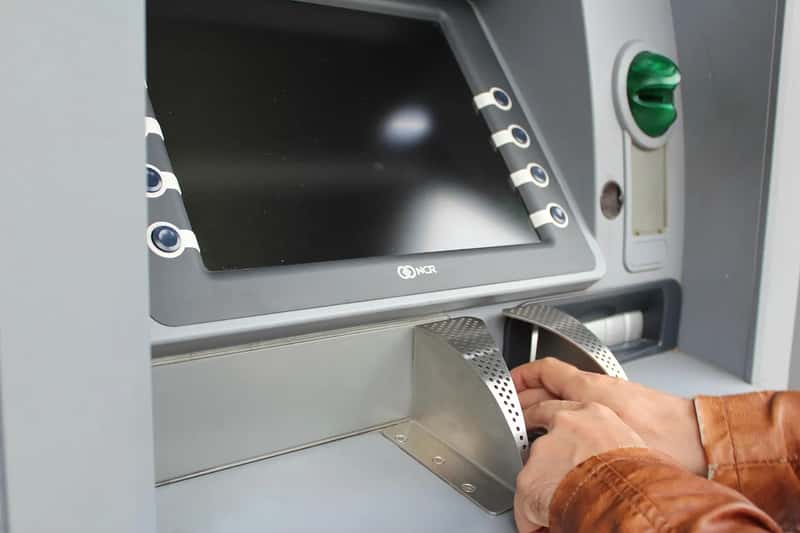
One of the sneakiest money drains in Mexico right now has nothing to do with crime and everything to do with a prompt on a screen. It’s called Dynamic Currency Conversion, and it shows up at ATMs and card terminals alike. A prompt appears offering to convert the transaction to US dollars at a “guaranteed” rate, but the exchange rate they offer is typically 5 to 8 percent worse than the interbank rate. On a decent-sized restaurant bill, that difference adds up fast, and most travelers never notice because the prompt looks official.
The fix is simple but easy to forget in the moment: always pay in pesos, and if the machine asks, always select No, Decline, or Pesos/MXN. This applies whether you’re at a hotel front desk, a restaurant terminal, or a standalone ATM. For added safety at machines specifically, only withdraw money from ATMs that are located inside of banks or upmarket hotels rather than freestanding street machines, which are far easier for criminals to tamper with.
Airport Arrivals Come With Their Own Ambush
The moment you clear customs is, statistically, one of the riskiest windows of the entire trip, and not because of violent crime. It’s transport fraud. The Cancun airport is Mexico’s most documented transport fraud point: upon arrival, multiple well-dressed individuals approach tourists offering “official” transport assistance, though these are not airport staff. The same pattern repeats in Mexico City, where taxi fraud from Benito Juárez International Airport is CDMX’s most consistently documented risk, and only pre-paid taxis from official airport taxi booths inside the terminal are considered safe.
The safest habit across every major airport in the country is the same one: pre-book your ride before you land, whether that’s a hotel shuttle, an app-based service, or an official taxi stand ticket purchased inside the terminal. The State Department advises travelers to avoid traveling between cities after dark, use dispatched taxis or app-based ride services, and avoid traveling alone in remote areas. It’s a small habit that eliminates one of the most reliably reported friction points in the entire country.
The Habits That Actually Matter Once You’re There
Strip away the noise, and the advice that genuinely moves the needle in 2026 is fairly short. Enroll in the government’s free traveler program before you go, since Americans traveling abroad are encouraged to enroll in the Smart Traveler Enrollment Program, which allows the U.S. Embassy to provide security updates and contact travelers during emergencies. Buy real travel insurance, since the State Department also recommends reviewing local laws and customs, monitoring embassy alerts, and purchasing travel insurance before departure.
Beyond the paperwork, a few small behavioral shifts do more than any packing list. Rape and sexual assault are common in some resort areas, especially at night or early morning, and criminals sometimes drug their victim’s drinks, so it helps to stay aware of your surroundings, bring a friend along, and closely monitor your drinks. And if you’re pulled over or stopped, know the actual rule: real police officers will never ask you to immediately pay a fine or demand you accompany them to an ATM; if you’re truly being charged, you’ll be asked to follow them to the station to pay a fine, not to an ATM machine to pay cash on the spot. Knowing that one distinction alone defuses one of the most common intimidation tactics used against tourists.
Putting It All Together
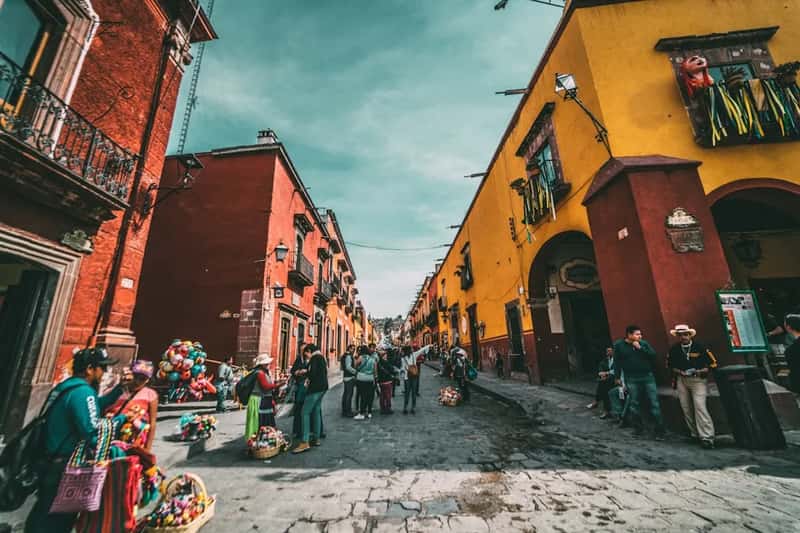
None of this adds up to a reason to skip Mexico in 2026. It remains one of the most rewarding, culturally rich, and genuinely affordable destinations in the Western Hemisphere, World Cup crowds and all. What’s changed is the level of specificity a smart traveler needs going in. A single “Level 2” headline doesn’t tell you much, a strong peso doesn’t behave like the weak one you remember, and a vape you tossed in your carry-on without thinking twice can turn into a five-figure legal problem at customs.
The travelers who have the best trips this year are the ones doing their homework at the state level, not the country level, tipping in pesos instead of dollars, and treating airport arrivals and ATM withdrawals with a bit more intention than they used to. Mexico hasn’t gotten harder to visit. It’s just gotten more specific, and paying attention to the details that don’t make the generic listicles is what separates a smooth trip from an expensive lesson.