There’s a stretch of asphalt cutting through the San Juan Mountains that locals treat with the kind of respect usually reserved for wild animals. The Million Dollar Highway has a reputation that precedes it, and when the sun starts dipping behind those jagged peaks, experienced Colorado drivers know better than to tempt fate. This isn’t urban legend or tourist exaggeration. The road climbs above 11,000 feet at the summit, with hairpin turns and no guardrails, making it a white-knuckle experience even in broad daylight.
A Road Born From Desperation and Mining Dreams
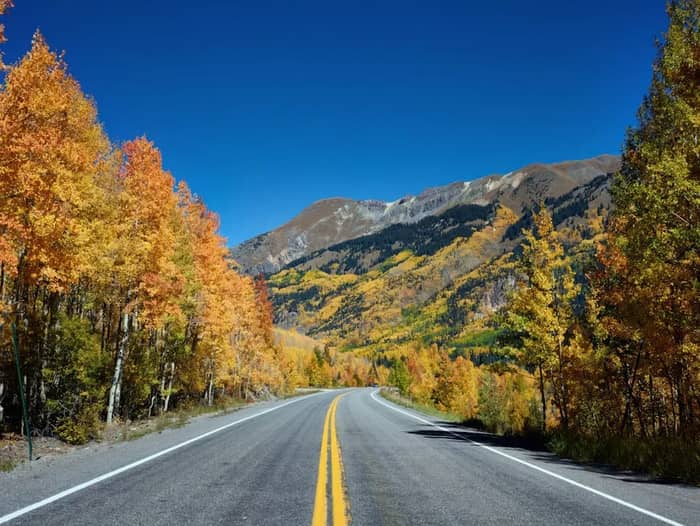
Highway 550 was built between 1880 and 1883 as a stagecoach road, originally used to transport ore from Silverton to Ouray. The thing is, back then, they weren’t exactly worried about safety standards. The first person to travel the road in a car was reportedly a doctor in 1910 or 1911, driving a Model T to make a house call, and by 1935, the road was completely paved. The highway earned its colorful nickname from various sources, though nobody can quite agree which story is true. Some say a traveler once declared he wouldn’t take that route again even if paid a million dollars, while others point to the cost of construction or the value of gold-rich gravel used in the roadbed.
The Numbers That Make Drivers Think Twice
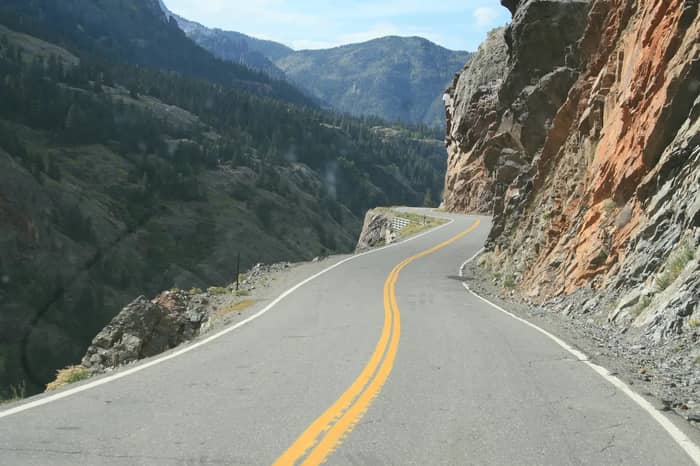
Let’s talk facts. Between 2005 and 2015, there were 412 accidents between mile marker 52 and mile marker 92 at Ouray, with 66 accidents involving injuries and eight resulting in fatalities. More recent data suggests that about 40 accidents occur annually, with an average of seven fatalities per year, mostly due to careless driving or driver error. The Million Dollar Highway stretches between Durango, Silverton, and Ouray, and has been named No. 2 on FindMyPlate’s list for most dangerous roads in the nation. That puts it right up there with some genuinely terrifying roads around the world.
Why Guardrails Are Nowhere To Be Found
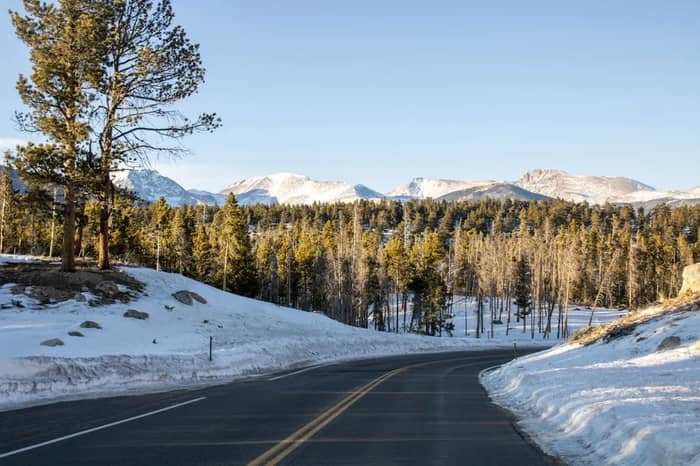
Here’s what really gets people nervous. The road notably doesn’t include guardrails because of the area’s high rate of snowfall (about 300 inches per year) that needs to be pushed off the edge by snowplows. Think about that for a second. The reason there’s nothing between your car and a sheer drop of hundreds of feet is so that snow can be more easily cleared. With no guardrails or shoulders, drivers need to be extra vigilant when passing through the dangerous 25-mile stretch. When you’re navigating hairpin turns in fading light, that missing barrier becomes a psychological weight pressing down on every steering adjustment.
Visibility Vanishes When Darkness Falls
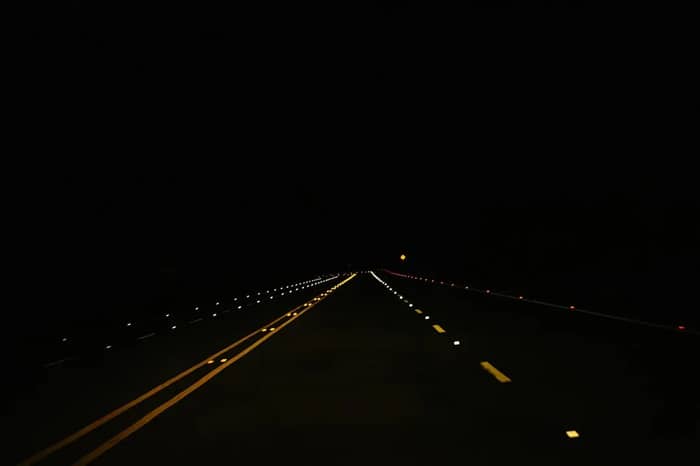
Evening driving transforms this already challenging route into something genuinely hazardous. The combination of elevation, sharp curves, and lack of protective barriers becomes exponentially more dangerous when you lose clear visibility. Recently, a 27-year-old Montrose man was killed in a crash on the highway after attempting to pass two vehicles in icy conditions. That kind of incident highlights how quickly conditions can deteriorate. Locals understand that depth perception suffers in low light, and those hairpin turns that are manageable at noon become optical illusions after sunset. The road is narrow enough that, compared to other winding two-lane highways in the mountains, U.S. 550 is narrow, but that keeps speeds down.
Wildlife Becomes a Serious Evening Threat
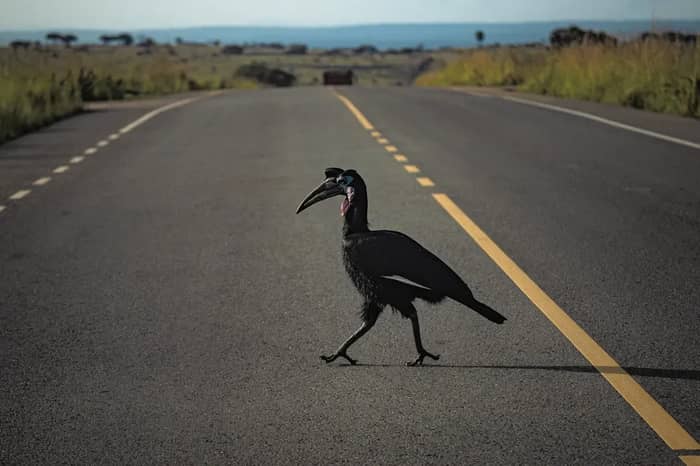
Colorado’s mountain wildlife doesn’t operate on a nine-to-five schedule. Dusk and twilight hours are peak movement times for elk, deer, and other large mammals crossing roadways. Across the United States, wildlife-vehicle collisions cause 200 human fatalities and over 26,000 injuries annually, at a cost of more than $8 billion. On a road where reaction time is already compressed by tight turns and steep drop-offs, encountering a 600-pound elk in your headlights can be catastrophic. Every 26 seconds or less, a driver hits an animal, making highways one of the greatest barriers to wildlife movement in the United States. The Million Dollar Highway cuts through prime habitat, and animals don’t exactly check the traffic report before crossing.