Some landmarks get copied so faithfully that a photo can fool you for a second. Others miss by a wide margin, and that miss is part of the fun. A lot of these fakes aren’t tourist traps in the old sense. They began as housing estates, casino hotels, theme parks and corporate campuses, and visitors turned them into attractions anyway.
Here are nine of the best known examples, with the details that make each one impressive, odd or both. Some are still thriving. A few are half finished or oddly quiet.
Hallstatt, Rebuilt in Southern China
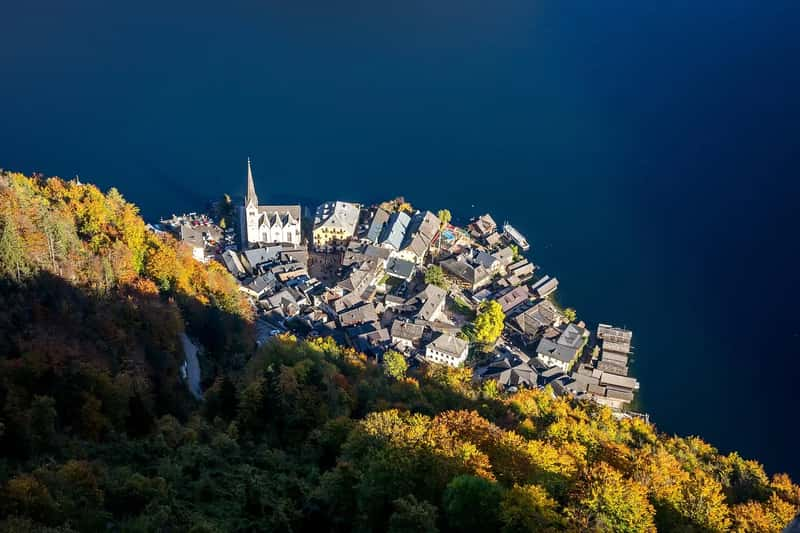
The original Hallstatt is a lakeside Alpine village and a UNESCO site. It’s a centuries old village of about eight hundred people that survives on tourism.[1] The Chinese version sits in Huizhou, in Guangdong province. It was built by China Minmetals, a state owned company, in 2011 and opened in 2012.[2]
The copy is a convincing one. It includes an exact replica of the church clock tower and European style wooden houses.[3] Still, it’s a housing estate, not a village. The copycat thrives on China’s new rich[1], and one Hallstatt hotel owner complained that nobody asked the owners of the real buildings for their agreement.[1]
The fake can’t match the setting. The lake built for the copy is reportedly about fifty times smaller than the original.[4] The snowy Alps behind the real village couldn’t be recreated, so low dry hills stand in.[4] The real Hallstatt has made its peace with its double, though. Its mayor signed a cultural exchange agreement with the new Hallstatt at the opening.[1]
Tianducheng and Its Eiffel Tower
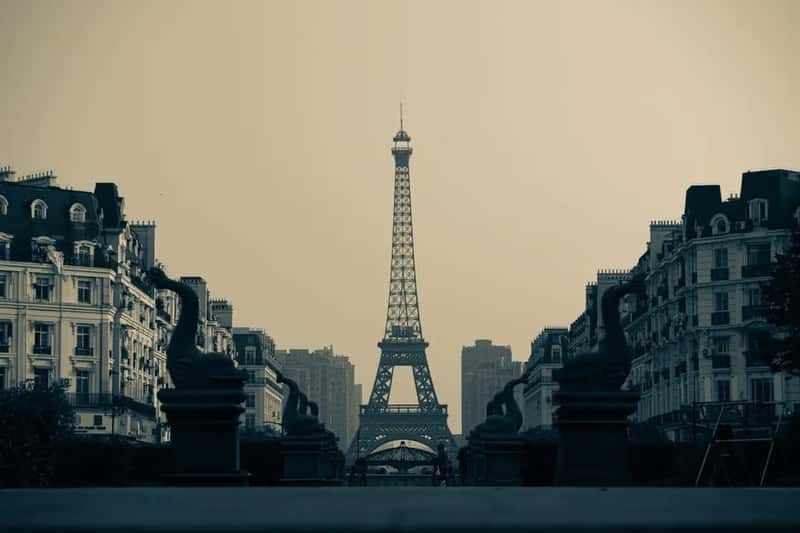
Tianducheng, on the edge of Hangzhou, is probably the most photographed fake Paris on the planet. Its Eiffel Tower replica is 108 metres tall and rises over a Paris themed housing estate in Linping District.[5] The estate adds neoclassical facades, Baroque style fountains and radiating avenues, and the tower stands at roughly one third the height of the original.[5]
The place has an odd reputation. Early reports called it a ghost town, and one account said it was meant to house around ten thousand people but drew only about two thousand.[6] The picture has since shifted. A 2024 Euronews feature noted that although the estate was first reported as a ghost town, its population was reported as thirty thousand in 2017.[7]
French photographer François Prost made it famous with a book that sets Tianducheng beside the real Paris. His book, Paris, China, puts photos of the development alongside the French capital that inspired it.[8] The fake is still changing, too. Reports say the park under the tower is being turned into a commercial area, due to finish in 2027.[9]
Thames Town, the English Village Near Shanghai
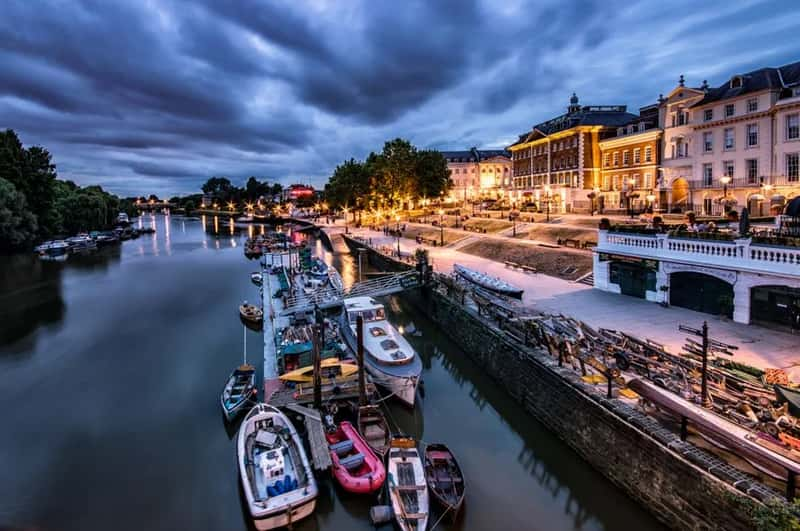
Thames Town is Shanghai’s answer to the English market town. It sits in Songjiang district, around thirty kilometres from the centre of Shanghai.[2] It was part of a city planning scheme called One City, Nine Towns, and the district was completed in 2006 at a reported cost of roughly five billion yuan.[2]
The architecture is the draw. Visitors can find a Gothic cathedral, Victorian terraces and Tudor style facades.[2] The best known building is a large church copied from Christ Church, Clifton Down, in Bristol.[10]
Visitor opinions are mixed. The town has become a popular wedding photography spot and tourist attraction.[11] Some reviewers say it feels sleepy, though, and one called it a ghost town at times because many businesses are closed.[12] Entry to the town itself is free.[13]
The Titanic That Can Never Sail
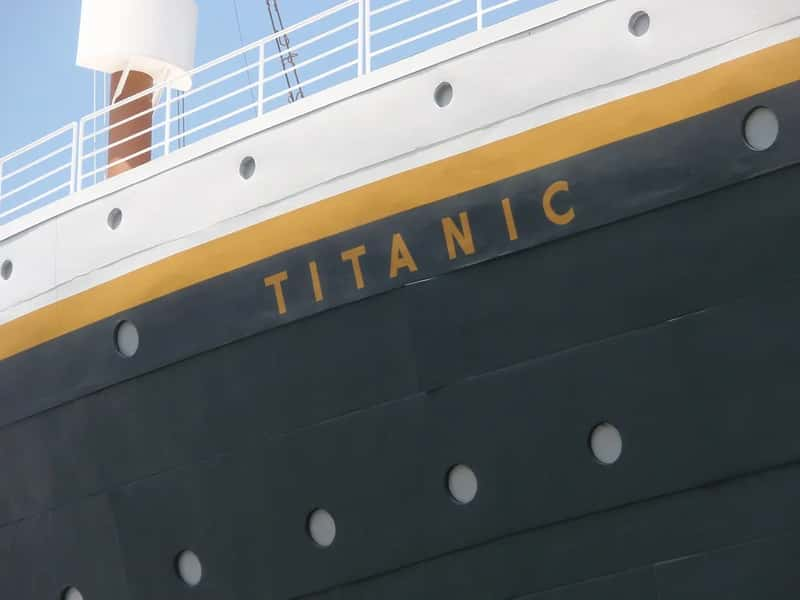
In Daying County, in landlocked Sichuan province, a full scale Titanic was meant to be the centrepiece of the Romandisea resort. The original liner was 269 metres long and 28 metres wide[14], and the plan was to match that. The replica was to include banquet halls, a gymnasium, a swimming pool, Turkish baths, a theatre and a copy of the original engine.[14]
The backing came from a film. The big screen version of Titanic inspired Seven Star Energy Investment CEO Su Shaojun to invest one billion yuan.[14] The ship was always going to sit still, in a human made lake or reservoir.[15]
The project has had a rough run. When CNN covered the build in 2021, no opening date had been set.[16] One Titanic enthusiast site reported in 2024 that work had been abandoned a few years earlier, with the ship incomplete.[17] I couldn’t find an official update confirming its current status.
The Eiffel Tower on the Las Vegas Strip
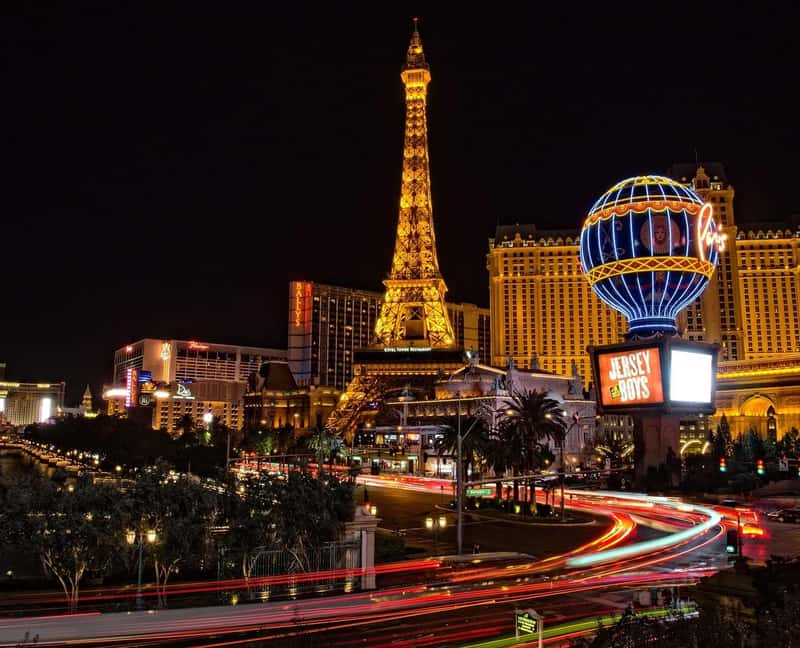
The Las Vegas version is the fake most visitors actually know. It stands outside the Paris Las Vegas casino resort. It’s 164.6 metres tall and built at half scale.[18]
It’s the opposite of the Tianducheng approach. Tianducheng wants to be a neighbourhood, while this tower is a landmark meant to be seen from the Strip and photographed with a drink in hand. At half the real height, it’s one of the largest Eiffel copies anywhere. It also shows how a replica can work in the right setting, because the Strip is built on exactly this kind of spectacle.
Eiffel Towers in Unexpected Places
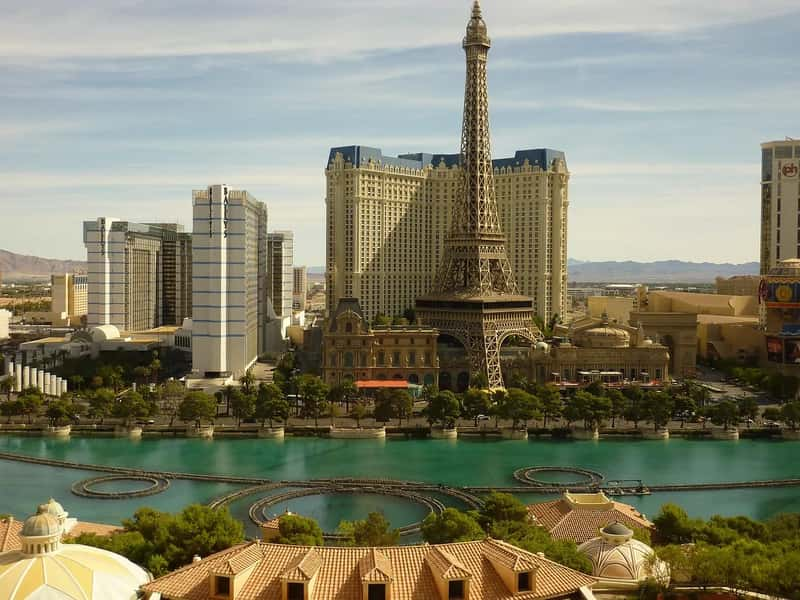
Las Vegas and Hangzhou aren’t the only places with a copy. One at Bahria Town Karachi is 80 metres tall, began construction in 2019 and opened to the public on 31 December 2020.[18] Another, around 42 metres tall, sits in a residential complex in Sabaneta, Colombia.[18]
Others are smaller still. In the Israeli city of Netivot, a 32 metre version stands at a shopping and leisure centre.[18] Madrid’s Parque Europa has a copy about 30.4 metres tall, completed in 2010 as part of an 18 million dollar replica theme park.[18] Together they show how the tower works as shorthand for Paris, even when it’s a fraction of the size.
Venice in Dalian and Jackson Hole in Hebei
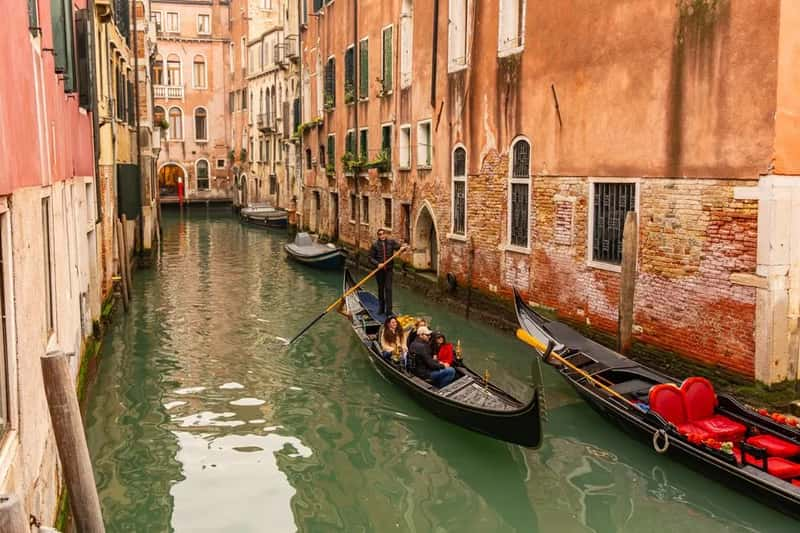
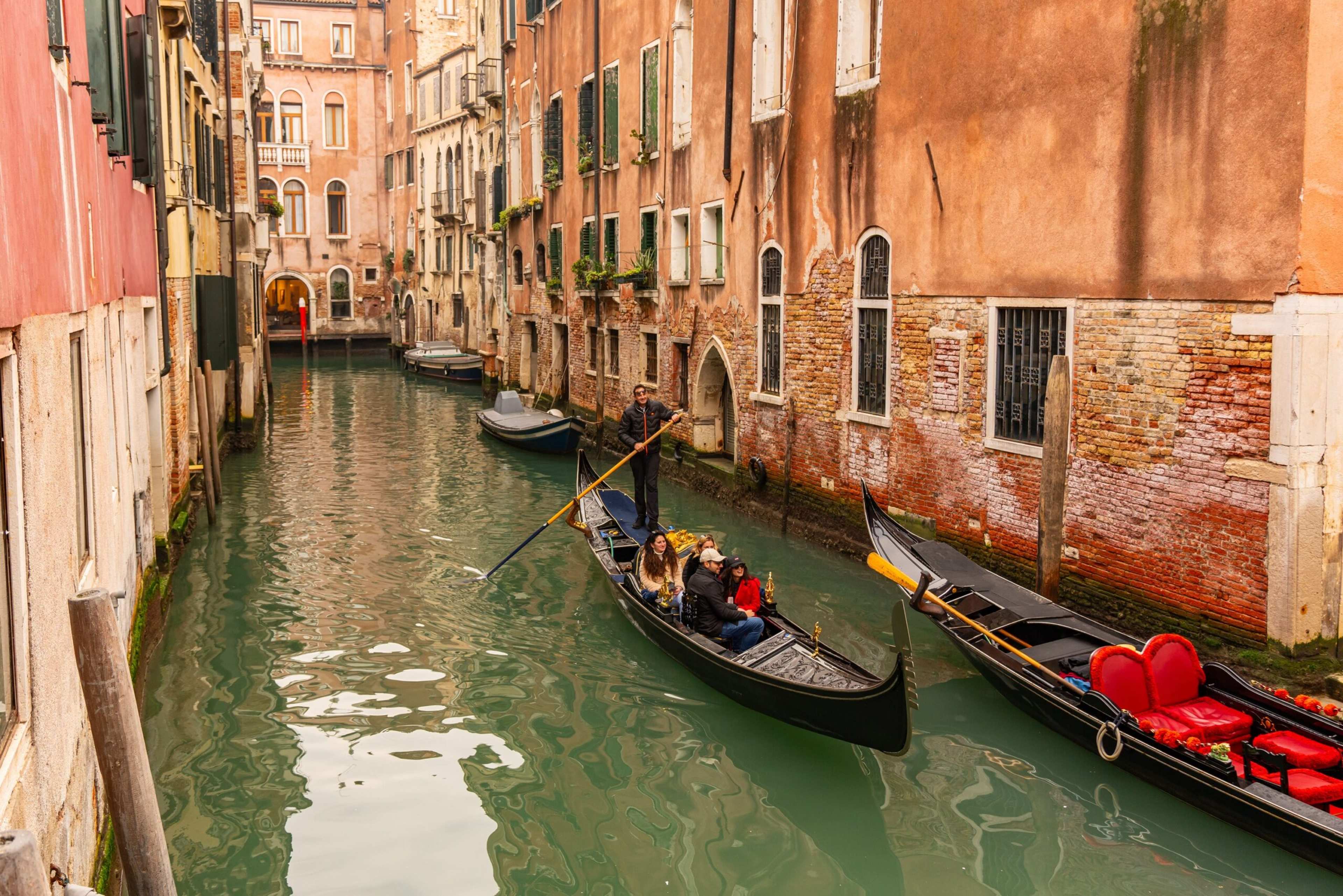
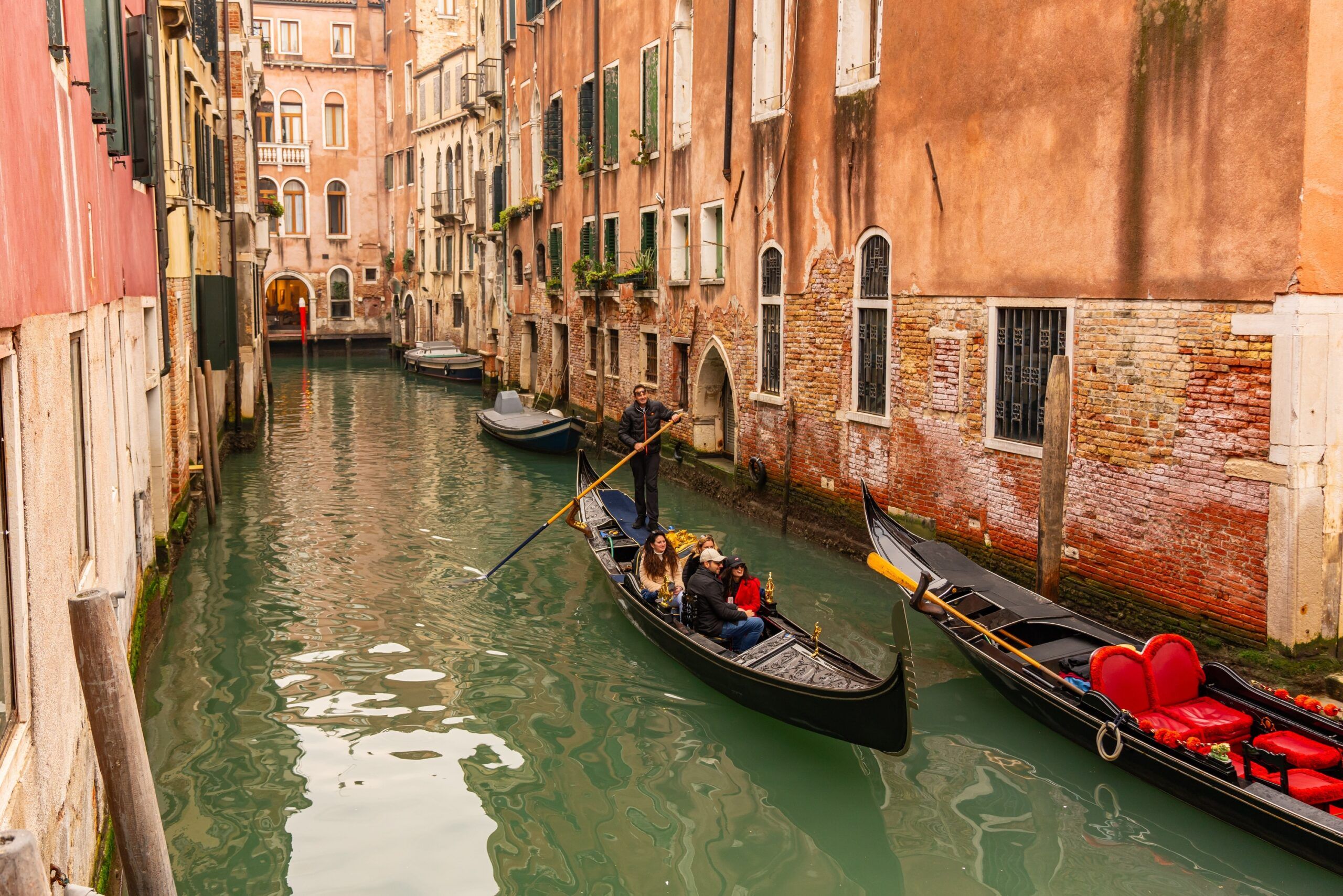
China’s copycat habit goes well beyond Europe’s old towns. There’s a copy of Jackson Hole, Wyoming, in Hebei province, and a replica of Venice in Dalian, in Liaoning province.[19] The Dalian version has a built in problem that real Venice doesn’t share. It freezes over in winter.[19]
These projects sit in the same family as Hallstatt and Tianducheng. Wikipedia describes them as part of a trend in China to mimic or rebuild other parts of the world.[19] The Guardian and the South China Morning Post have both covered the Dalian canal city in detail, so they’re good places to see more of it.
A Swiss Town Inside a Tech Campus
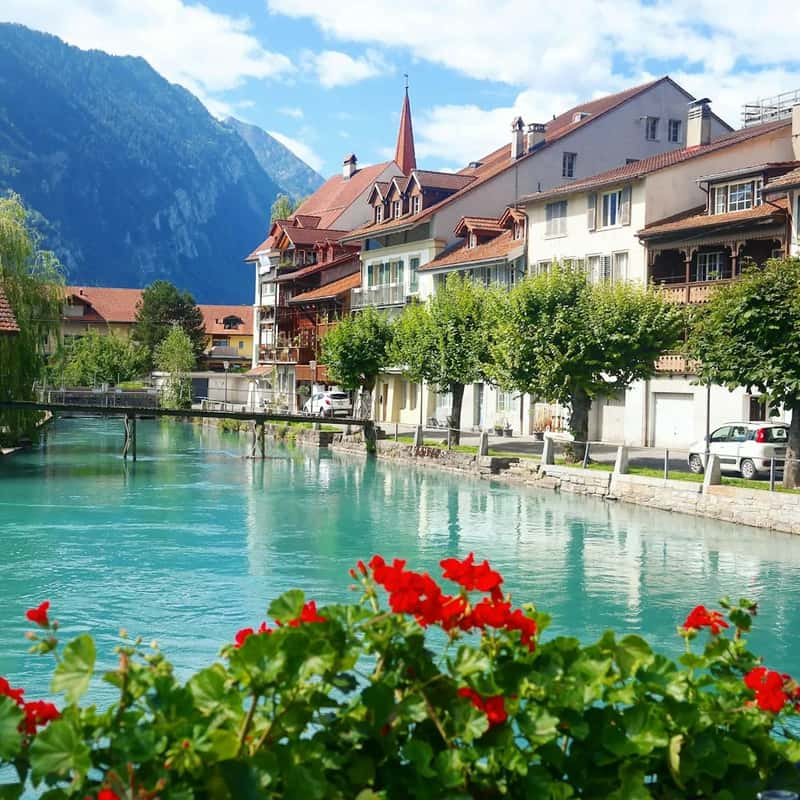
Not every fake is open to tourists in the usual way. Huawei’s research campus, known as Ox Horn, has been photographed for its European style design. Workers can even cross a replica of a city’s Old Bridge on their way through the campus.[7]
Parts of the campus borrow from specific places. There’s a replica of the Berntor tower in Murten, a Swiss landmark, in a section inspired by Fribourg.[7] The campus also includes a replication of a European historic village.[7] It makes a good example of how these copies now show up in workplaces, not just resorts.
Carhenge, the Stonehenge Made of Cars
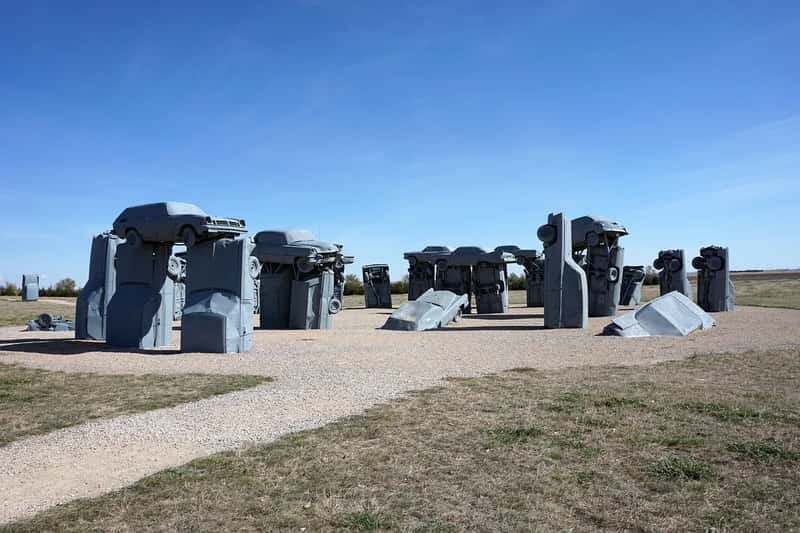
Some fakes are laughable on purpose. Carhenge stands near Alliance, Nebraska, and was built in 1987 by Jim Reinders. It reproduces the layout and proportions of Stonehenge using vintage American cars, spray painted gray.
Nobody mistakes it for the real thing, and that’s the joke. Stonehenge is a prehistoric monument on Salisbury Plain in England, while Carhenge is roadside art on the plains of Nebraska. Visitors still stop for the photos, and the sense of humour is a big part of the draw.