Planning your next getaway sounds exciting. The thrill of discovering new cultures, tasting exotic cuisine, and experiencing breathtaking landscapes. That dream vacation though? It could turn into a nightmare if you pick the wrong place. Let’s be real, not every destination on the map is ready to welcome you with open arms and safety guarantees. Some spots are downright hazardous right now.
Recent analysis shows that the security situation has deteriorated in 77 countries around the globe, according to risk assessment firms monitoring global travel safety. The world feels more volatile than it has in years. Understanding where genuine danger lurks isn’t about spreading fear. It’s about making smart choices, so you actually come home safely from your trip.
South Africa: Where Crime Statistics Paint an Alarming Reality

The country’s high traffic fatality rate of 24.5 deaths per 100,000 people and a limited healthcare infrastructure add layers of risk beyond street crime. Think about it – even a minor accident could become life-threatening when medical infrastructure can’t keep pace with emergencies. Major cities, including Cape Town and Johannesburg, rank among the most dangerous globally, where incidents of violent crime, carjacking, and armed robbery happen regularly, particularly after dark.
Haiti: Gang Violence Creates Unprecedented Chaos
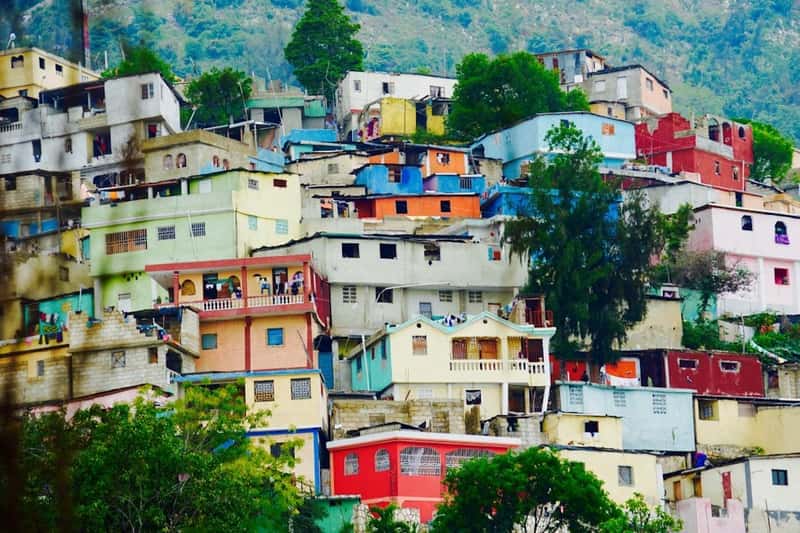
Violence and gang-related activities are limiting travel along major highways that connect Port-au-Prince with other areas of the country, and travel into and out of Port-au-Prince is increasingly dangerous. The U.S. Embassy has issued security alerts warning of increasing dangers, including gang violence near airports. Armed gangs control most of the capital, creating roadblocks, demanding money, and terrorizing both locals and foreigners. Even the airport area sees gunfire exchanges. The situation has gotten so dire that around 700,000 people have been internally displaced, trying to escape the violence.
Yemen: A Decade of Civil War Takes Its Toll

A civil war continues in Yemen, and even though violence has decreased since a truce in April 2022, instability and fighting are still common, especially along the front lines in central Yemen. The conflict has absolutely devastated basic infrastructure. We’re talking destroyed hospitals, schools, housing, and utilities.
Foreigners are frequently targets of kidnapping and carjacking, especially outside of urban areas, while military conflict has destroyed basic infrastructure like housing, medical facilities, schools, and utilities. Cholera and polio have re-emerged in certain regions. Landmines are found throughout Yemen, and violent and organized crime is com, with local law enforcement often unable or unwilling to help. The U.S. Embassy in Sana’a shut down back in 2015 and cannot provide any assistance to American citizens there.
Syria: Decades of Destruction Leave Lasting Scars
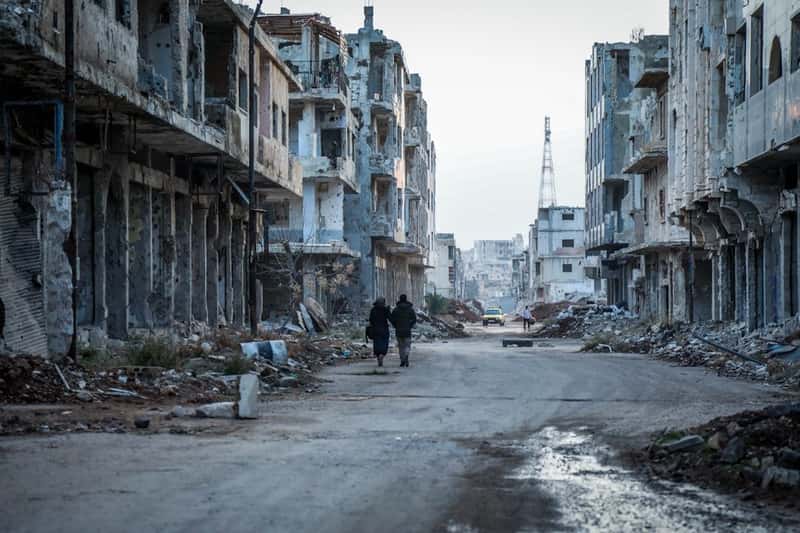
Since 2011, there has been a civil war in Syria, which has caused destruction and a crisis for many nationals, with weapons used during this war including chemical weapons. The environment remains unpredictable and extremely dangerous for anyone considering travel there.
Multiple terrorist organizations operate throughout the country, targeting government facilities and foreigners alike. Despite the fall of the Assad regime in late 2024, the security vacuum created years of chaos that persists today. Cities that were once thriving cultural centers now sit in ruins. The risk of arbitrary detention, kidnapping, and being caught in active combat zones remains extraordinarily high. Western governments maintain the strictest travel warnings, advising citizens to stay away entirely.
Venezuela: Economic Collapse Fuels Desperation
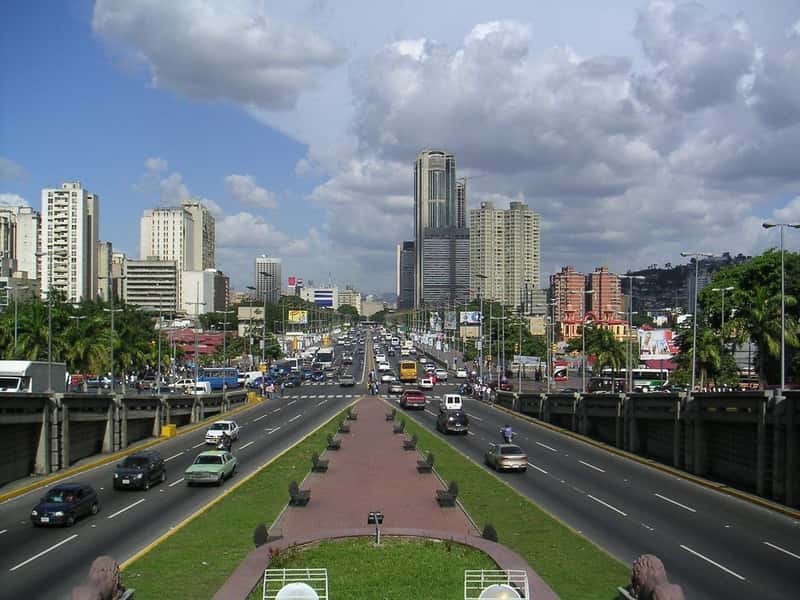
The U.S. Department of State has issued a Level 4 Do Not Travel warning advising U.S. citizens that violent crime in Venezuela is pervasive, both in the capital, Caracas, and throughout the country. The economic crisis has created a perfect storm where basic necessities are scarce, and desperation drives criminal activity.
Kidnappings, armed robberies, homicides, and carjackings plague the nation. Political demonstrations frequently turn violent, and law enforcement responses can be brutal and unpredictable. The collapse of public services means even routine emergencies become life-threatening. Food shortages, medicine scarcity, and electricity blackouts – these aren’t occasional inconveniences but daily realities. Angel Falls and other natural wonders might tempt adventurous souls, yet the risks far outweigh any scenic rewards right now.
Somalia: Where Multiple Threats Converge
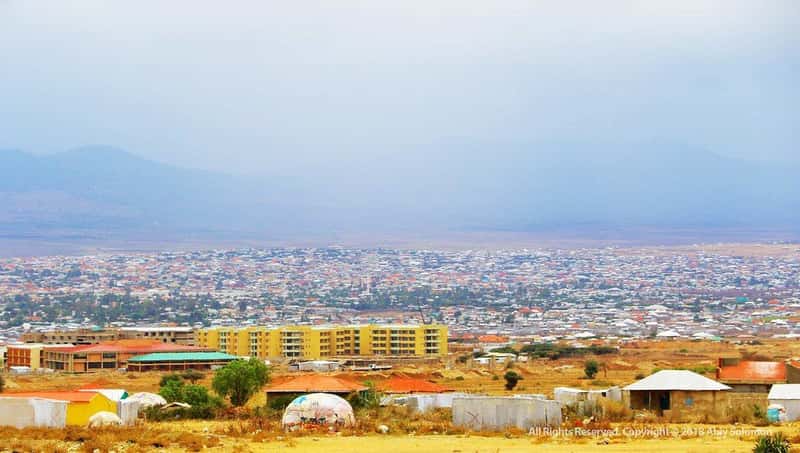
Crime, terrorism, civil unrest, health issues, kidnapping, piracy, and a lack of availability of routine consular services are among the reasons Americans are warned not to travel to Somalia, where violent crime, such as kidnapping and murder, is common throughout the country, and illegal roadblocks are widespread.
The entire nation receives the highest-level travel warning from virtually every Western government. Al-Shabaab, an extremist organization, conducts frequent attacks against government forces, civilians, and foreigners. Piracy off the coast adds another dimension of danger. Limited government control over vast territories means criminal organizations operate with near impunity. Healthcare infrastructure is practically nonexistent in many regions, making medical emergencies potentially fatal.
Afghanistan: Where Extremism and Instability Rule
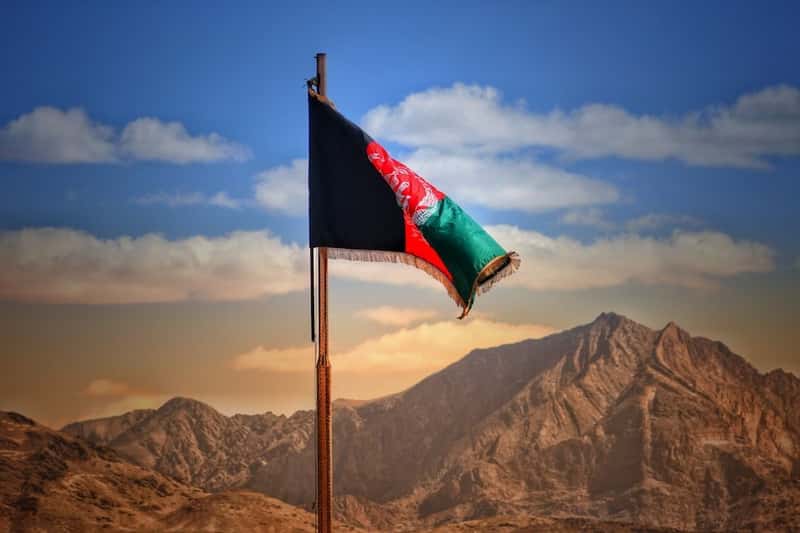
Afghanistan remains one of the most dangerous countries to visit in 2025 due to security threats stemming from insurgencies, a weak socio-political framework, and instability, while the country is also plagued by frequent kidnappings, wrongful detentions, and violence against foreign nationals.
The U.S. Embassy in Kabul ceased operations in 2021, and the U.S. government says it cannot provide routine or emergency consular services to American citizens in Afghanistan. Taliban control has brought some reduction in battlefield violence compared to previous years. However, terrorist groups, including ISIS affiliates, continue launching attacks. Women face severe restrictions under Taliban rule, making it particularly dangerous for female travelers. The risk of wrongful detention for perceived violations of strict laws looms large.
Ukraine: Active War Zone Creates Obvious Dangers
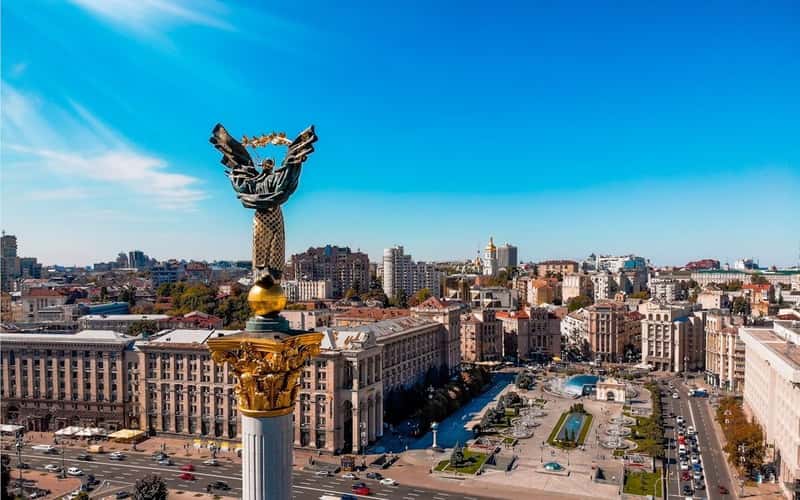
Russian military activity against Ukraine has increased over the last 6 months, with the total number of drone and missile strikes increasing in size, as Russia has intensified drone and missile strikes on Ukraine compared to earlier periods.
Russian shelling, missiles, and drones killed at least 71 civilians in multiple regions and in the city of Kyiv during recent reporting periods. Even areas far from active combat zones face the threat of missile strikes. The humanitarian crisis, damaged infrastructure, and ongoing military operations make this an absolute no-go zone for tourists. Honestly, anyone suggesting vacation travel to Ukraine right now doesn’t understand the severity of the situation.
Iran: Political Tensions Create Heightened Risks

Iran ranks high on danger lists due to its poor healthcare system, human trafficking issues, a crime index of around 49.5, and 20.6 traffic deaths per 100,000 people. Travelers to Iran face unique challenges, with a crime index of 49.5 and 20.6 traffic deaths per 100,000 people.
The risk of wrongful detention remains a persistent concern, particularly for citizens from countries with strained diplomatic relations with Iran. Strict laws can ensnare foreigners who unknowingly violate local customs or regulations. Limited consular assistance from Western governments means you’re largely on your own if problems arise. Recent escalations in regional tensions following conflicts in the Middle East have only amplified the dangers.
Mexico: Cartel Violence Spreads to Tourist Areas
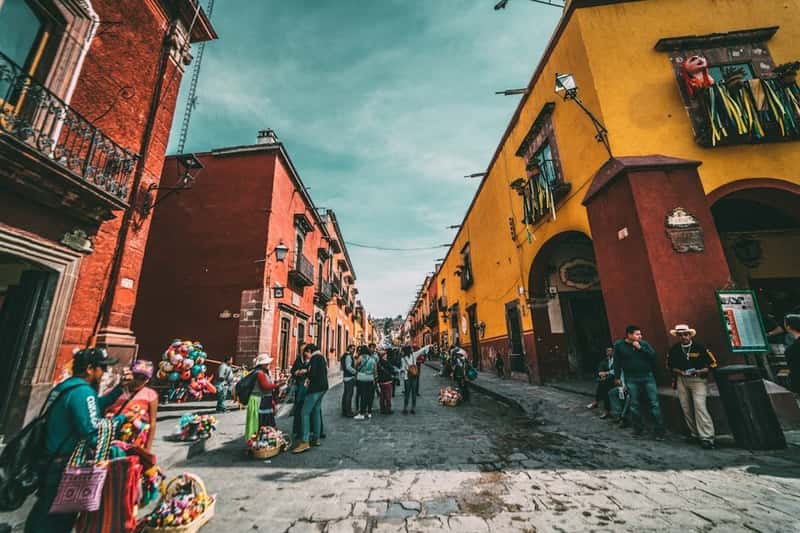
Six states, including Colima, Guerrero (where Acapulco is), Michoacan, Sinaloa, Tamaulipas, and Zacatecas, have been given a flat “do not travel” warning by the State Department because of the risks of crime and kidnapping. Additionally, the threat of violence has prompted the State Department to advise U.S. tourists to “reconsider travel” for several more Mexican states with popular resort areas, including Jalisco (home of Puerto Vallarta) and Guanajuato (home of San Miguel de Allende).
The U.S. embassy issued a Security Alert warning travelers about an alarming surge in armed robberies, especially targeting Americans traveling on major highways, while popular destinations such as San Carlos, Puerto Peñasco, Los Cabos, and Mazatlán have seen an uptick in violent crimes, including homicides, kidnappings, and carjackings. Criminals have employed deceptive tactics like using fake police equipment to pull over unsuspecting drivers. While Cancun and other resort towns maintain heavy security, the violence has crept closer to tourist zones than ever before.
The world offers countless incredible destinations where you can explore safely. These places, though? They demand extreme caution at minimum, and honestly, most should be avoided entirely until conditions improve dramatically. Your vacation memories should be filled with joy and wonder, not trauma and danger. What would you risk for a photograph or bragging rights? Sometimes the smartest travel decision is knowing where not to go.