There’s a particular kind of traveler who stops caring about beaches and boutique hotels somewhere around country number 150. What they want instead is the paperwork nobody else wants to deal with: the letters of invitation, the government minders, the visas that take three weeks and a small fortune to secure. In 2026, a shrinking handful of nations still make entry genuinely hard, not because of red tape alone but because of war, isolation, or a very deliberate choice to keep tourism small.
What follows isn’t a bucket list. It’s a look at the places where getting a stamp in your passport requires real effort, and a plain account of how the people who still go about it actually get through the door.
North Korea: the world’s most watched border
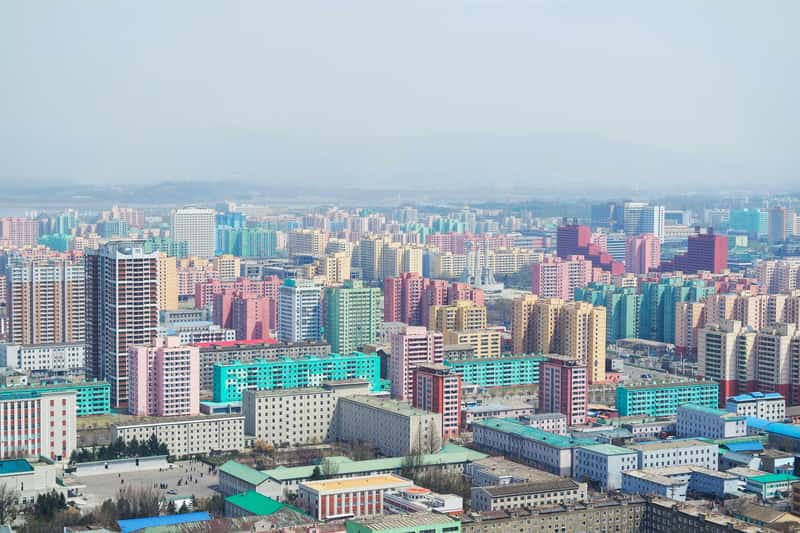
North Korea remains the benchmark for isolation, and 2026 hasn’t changed that in any fundamental way. As of the middle of this year, North Korea (DPRK) remains officially closed to international tourism, with the sole exception of Russian nationals who are currently permitted to visit under limited arrangements. There was a brief window of hope in early 2025 when the Rason Special Economic Zone briefly reopened to foreign tourism, and for a short three-week window, visitors of all nationalities, with the exception of Japanese, South Korean, and U.S. citizens, were officially permitted to enter as tourists. That window closed almost as fast as it opened.
Americans face an extra layer entirely. The one-year travel ban took effect on September 1, 2017, and has been extended annually since then, with the latest ban extension expiring on August 31, 2026. There are quiet signs of movement behind the scenes: in March 2026, the international passenger train between China and North Korea resumed after over six years, and Air China announced the resumption of their Beijing and Pyongyang flight route, halted since 2020. None of that has translated into open tourism yet, and specialist operators like Koryo Tours and Young Pioneer Tours remain the only realistic path in for anyone who eventually gets the green light, mostly by cultivating decades of direct relationships with North Korean state travel bureaus.
Turkmenistan: Central Asia’s guarded vault
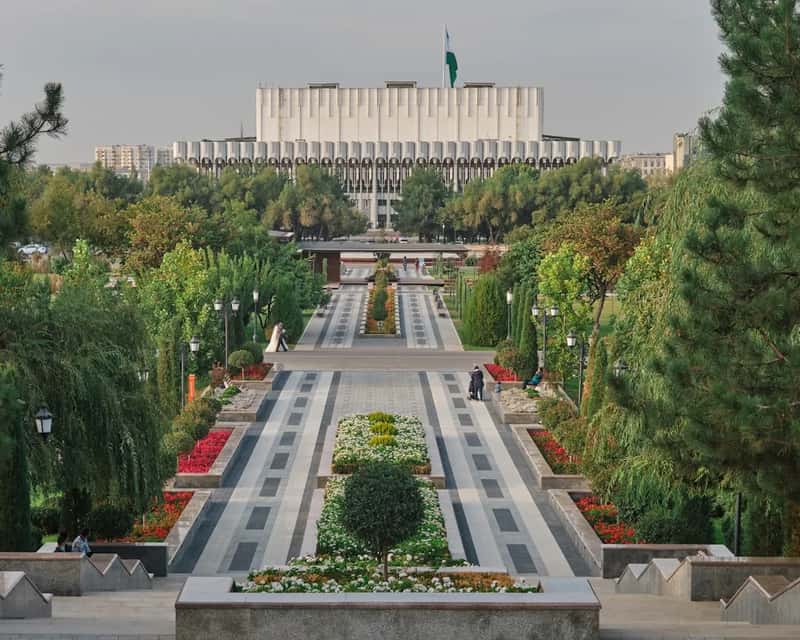
Turkmenistan doesn’t get much attention outside travel-obsessive circles, but it might be the hardest “normal” country to enter on this list. It’s one of the least visited countries in the world due to having a rigid visa policy, requiring everyone to apply for a visa with only a few exceptions for visitors from parts of Kazakhstan or Uzbekistan and some diplomatic passport holders. Every application needs sponsorship inside the country.
The paperwork itself is a slog. Applicants need many documents including three copies of the filled-in visa application form and a letter of invitation from the Turkmen State Migration Service, and a sponsor in Turkmenistan who can procure the letter, a process that may take up to 20 days. Once inside, freedom of movement is an illusion. The visa process requires extensive paperwork including an invitation letter from a government-approved tour operator, and independent travel isn’t possible since movements are monitored closely. Travelers who make it through almost always do so by booking a full guided package months in advance and accepting that the itinerary, not their curiosity, sets the pace.
Central African Republic: the hardest of the hard

Among the countries that determined travelers save for last, the Central African Republic stands apart. One recent survey of the world’s toughest destinations concluded plainly that the Central African Republic is the hardest of the ten in practical terms. It combines a fragile security situation with almost no tourism infrastructure and a visa process that varies depending on who is asking and why.
Anyone weighing a trip there needs to go in with clear eyes. Reporting on the state of the world in early 2026 includes the procedures by which some travelers do continue to visit these places, though travel insurance is typically void in countries under advisories, and embassy services may be unavailable. The travelers who still manage it tend to work exclusively through niche operators who maintain contacts on the ground, accept that plans can collapse without warning, and treat the trip as a serious undertaking rather than a checklist item.
Bhutan: exclusivity by design
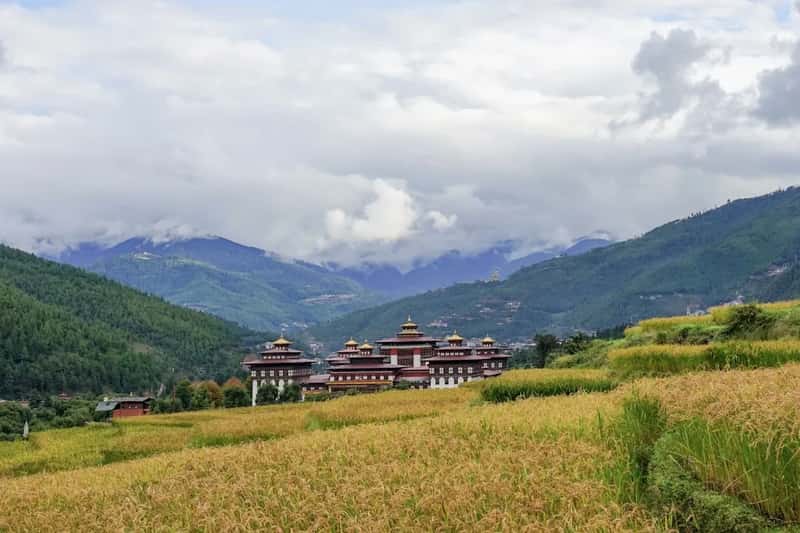
Bhutan is a different kind of difficult. Nobody is stopping you at gunpoint, but the country has built an entire tourism model around keeping numbers low. Bhutan has been slow to accommodate tourists because it’s a very environmentally concerned country focused on high value, low impact tourism, and to enter you need prearranged accommodation, permits to visit east of the capital, and daily tourism taxes. Visa-wise it isn’t actually complicated; the barrier is cost and logistics, not bureaucracy.
That said, the fee structure and the requirement to route everything through a licensed operator do most of the filtering. Bhutan follows a “high-value, low-impact” tourism model, requiring visitors to book through authorized operators and pay a daily fee. Travelers get in easily enough once they accept the price tag and plan through a registered Bhutanese agency, which handles the permits and builds the itinerary around the daily fee structure.
Chad: a visa with nowhere nearby to apply
Chad’s difficulty isn’t political theater, it’s geography. The main issue for traveling to Chad is finding your nearest consulate to apply at, since there are only 22 foreign Chad consulates worldwide, meaning you may not have one in your country or region at all, including the Pacific, South America, or the Caribbean. For most nationalities, that means mailing documents across a continent or two and hoping for the best.
The visa requirement itself is close to universal. Only 14 countries have visa-free access to Chad, and the rest of the world has to apply for a visa to enter the country. Travelers who succeed usually plan their consulate visit around another trip entirely, applying while already abroad near one of the handful of embassies that actually process Chad visas, or working with a fixer who can courier documents to N’Djamena directly.
Iran: a code before you can even apply
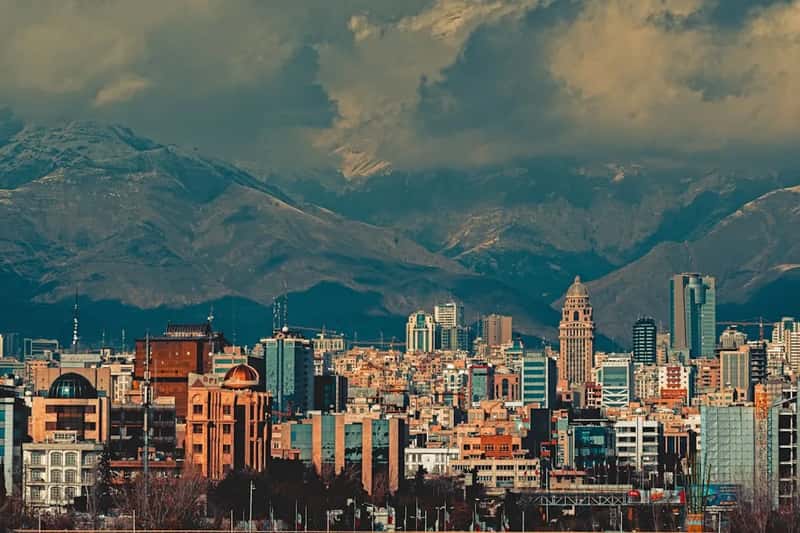
Iran’s visa system has an unusual first step that trips up a lot of would-be visitors before they even reach the application form. Visas to Iran are hard to get mostly because you need a verification code before you apply, and this authorization code is issued by the Ministry of Foreign Affairs in Iran, but an official Iranian travel agency has to apply for the code on your behalf. Without that agency relationship, there’s no application to file.
For American and Canadian citizens specifically, the restrictions run deeper still. If you’re from the US and Canada, you still cannot walk around as a tourist without a government-approved guide escorting you at all times. Independent travel isn’t allowed even for tourists on a guided tour, and the application requires coordination with a tour operator plus an authorization code from the Iranian Ministry of Foreign Affairs, a process that typically takes weeks. The workaround, such as it is, means booking everything through an approved agency from day one and accepting a fixed guide for the entire stay.
Somalia: security comes before sightseeing
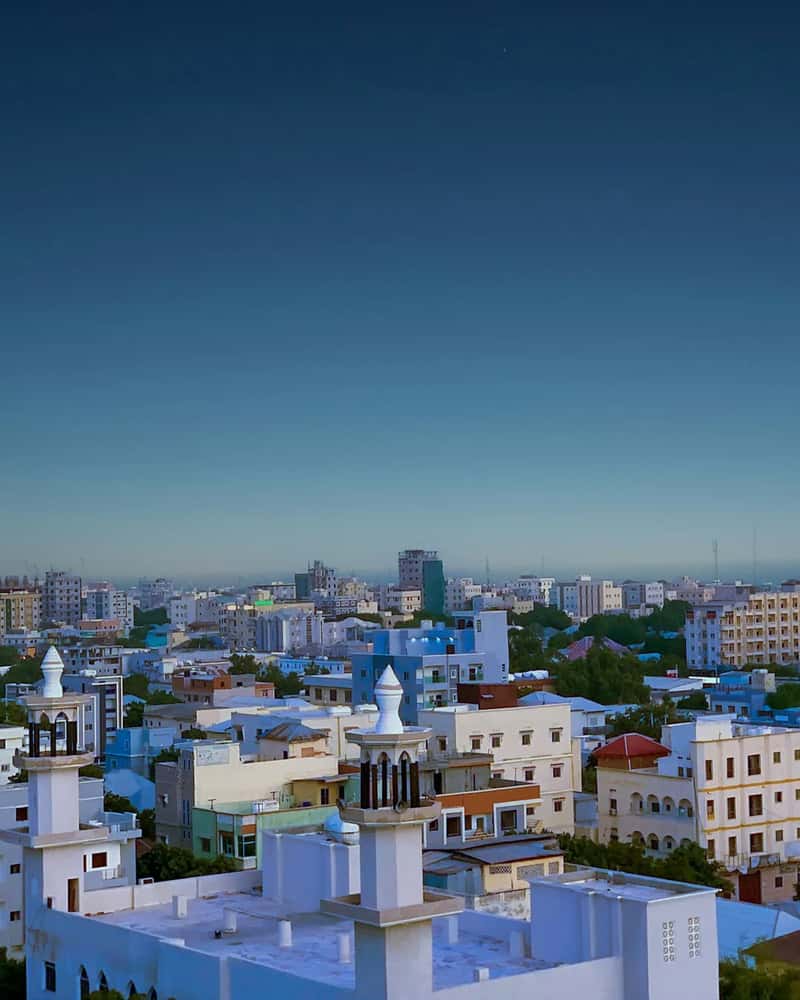
Somalia sits in a different category than most countries on this list, because the barrier to entry is less about paperwork and more about whether it’s advisable to go at all. Entering Somalia as a tourist isn’t only difficult but highly advised against by most governments. That advisory shapes everything downstream, including which consulates will even issue a visa.
The practical consequence is a very short list of options. As a result, not many consulates or embassies issue visitor visas, as they don’t want to risk their visitors. The handful of travelers who do visit Somaliland, the semi-autonomous northern region rather than mainland Somalia, tend to route through specialist operators who arrange visas in Hargeisa itself and provide armed escorts as standard practice, treating the trip as closer to expedition travel than tourism.
Saudi Arabia: open on paper, restricted in practice

Saudi Arabia has spent the past several years actively courting tourists, which makes its presence on a difficulty list feel almost counterintuitive. Yet certain parts of the country remain genuinely closed to most visitors. Although tourism has expanded in recent years, certain cities like Mecca remain accessible only to Muslims, and in some cases travel is technically possible but current conditions make tourism unsafe or impractical.
The pilgrimage calendar adds another layer of complexity that has nothing to do with individual visa applications. Saudi Arabia has a strict visa policy partly because of yearly Muslim pilgrims who visit to complete the Hajj, so there’s a limited number of tourists who can enter as to not overcrowd the country. Non-Muslim travelers who want to see the rest of the country, from AlUla to the Red Sea coast, generally find the standard e-visa process straightforward outside of pilgrimage season, but Mecca and Medina themselves stay off the itinerary entirely.
Mali, Burkina Faso, Niger, and Chad: a new wave of reciprocal bans
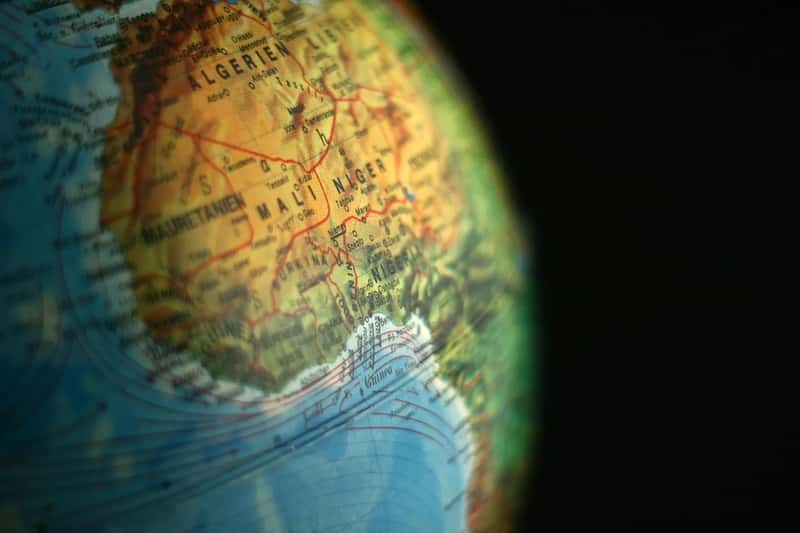
Some of the hardest entries in 2026 aren’t hard for everyone, they’re hard specifically for Americans, and the reason is diplomatic rather than logistical. The countries that banned American tourists in 2025 and 2026 are Mali, Burkina Faso, Niger, and the Republic of Chad, in a wave of retaliatory tit-for-tat bans, following President Trump’s announcement expanding an earlier travel ban on December 16, 2025. The new US policy itself widened the net considerably: the new travel ban, which took effect on January 1, 2026, added 20 more countries for a total of 40 and barred all immigrant and non-immigrant entry into the U.S.
The retaliation happened fast and left no room for individual exceptions. On December 30, Mali and Burkina Faso announced blanket bans on entry to U.S. citizens, just days after Niger had announced a similar ban, while the Republic of Chad had introduced its own ban back in June 2025. These bans make it impossible for Americans to obtain visas, and all four countries are also on the U.S.’s Do Not Travel list due to a high possibility of terrorist activity and increased risk of kidnapping or other violent crime. For American passport holders, there is currently no workaround. A second passport from a country not caught in the dispute is, for now, the only route in.
Final thoughts

The countries on this list don’t share one single obstacle. Some, like Bhutan, keep numbers low on purpose because that’s the whole point of the model. Others, like North Korea and the Central African Republic, are difficult because circumstances on the ground genuinely make travel risky or politically fraught. Chad’s problem is simply geography and a shortage of consulates, while the American bans on Mali, Burkina Faso and Niger show how quickly entry rules can shift when diplomacy sours.
What connects the travelers who still get into these places isn’t luck. It’s patience, a willingness to work through specialist operators who know the terrain, and an honest reckoning with the risks involved before booking anything. The list will keep changing year to year, as it always has, but for now these are the borders that ask the most of anyone determined to cross them.