You’ve heard about the housing crisis. You’ve heard about the affordability squeeze. But there’s another story unfolding far from downtown skyscrapers and bustling urban centers, one that’s quietly reshaping American life in ways few people anticipated. Commuter towns and exurban communities, once marketed as affordable escapes from expensive cities, are now revealing themselves as something far less promising. The dream of spacious yards and quiet streets is morphing into a reality of economic isolation, infrastructure burdens, and limited opportunities.
Exurbs had some of the fastest-growing populations in 2023, and the trend continued throughout 2024 and into 2025. What was supposed to be a temporary pandemic shift has solidified into a defining demographic pattern. Let’s examine how these distant communities are becoming less of an opportunity and more of a constraint.
The Hidden Price Tag of Distance
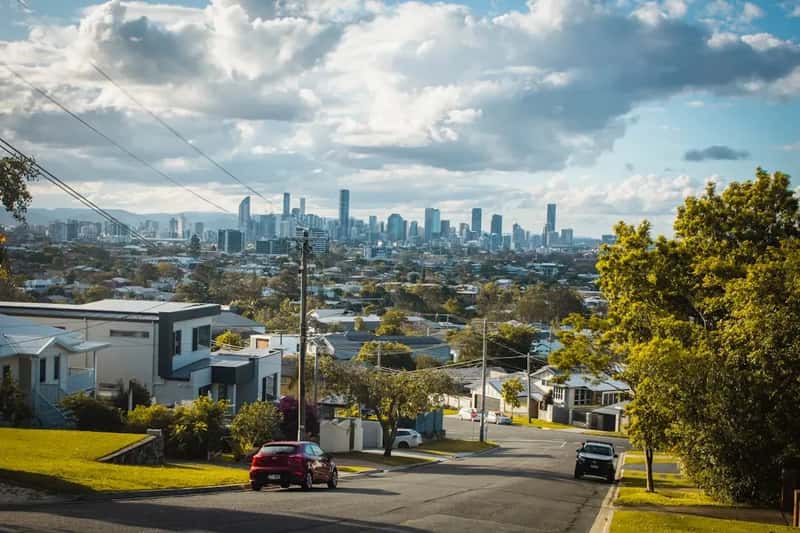
Living far from urban centers comes with costs that real estate listings never mention. Suburban sprawl costs the U.S. $1 trillion per year when you factor in everything from infrastructure maintenance to environmental damage. That’s not just a government problem; it hits individual households hard.
Exurban residents have commutes that are on average 10% longer than other Americans, and nearly half work outside their county of residence. Those extra miles add up fast. A fully-remote U.S. employee saves about $10,000 per year on average when avoiding commutes, meals, and work apparel, which tells you exactly what commuters are spending. The savings evaporate when you’re burning gas five days a week for a ninety-minute roundtrip.
Infrastructure costs fall heavily on local governments too. The most sprawled quintile cities spend on average $750 annually per capita on public infrastructure, 50 percent more than the $500 in the smartest growth quintile cities. Providing water, roads, electricity, and emergency services across vast low-density areas stretches municipal budgets to breaking point.
When Affordability Becomes a Mirage
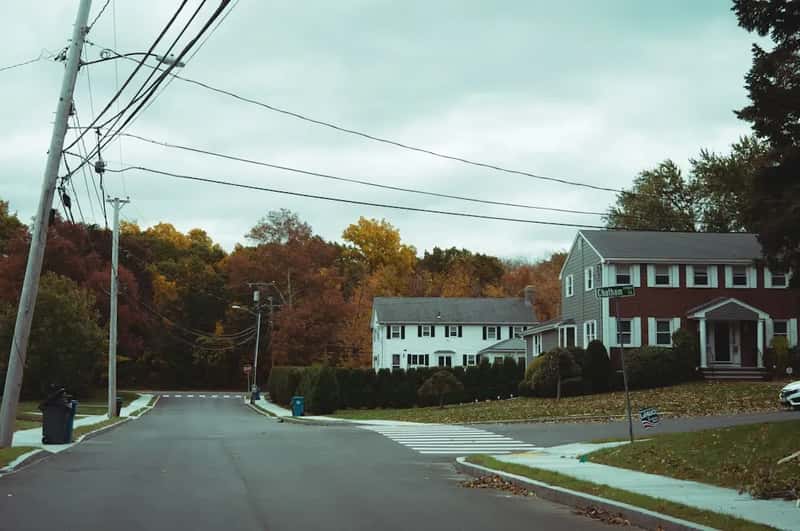
Here’s the thing. People move to exurbs because housing looks cheaper. Remote work and high living costs are encouraging buyers to seek more affordable, commuter-friendly suburbs, particularly near expensive metros like New York City. But that affordability is deceptive.
Between 2000 and 2015, the number of high-poverty neighborhoods rose by 59 percent, and the poor population living in these areas increased by 76 percent to 25.4 million. Poverty is no longer confined to inner cities. In the Atlanta, Charlotte, and Nashville metro areas, nearly a quarter or more of all high-poverty neighborhoods are located in low-density, exurban areas. Charlotte saw this share jump from just 15 percent in 2000 to 41 percent by 2015.
That shift happens because exurban areas lack economic diversity. When a recession hits or industries shift, residents who moved for affordability find themselves trapped in places with few job alternatives. The house may be cheaper, but the lack of opportunity becomes expensive in ways a mortgage calculator can’t capture.
The Remote Work Paradox

Remote work seemed like the great equalizer, the ticket to living anywhere. The share of days worked from home rose from 5% prepandemic to 60% in summer 2020, then stabilized at about 28.6 percent in June 2024. That flexibility enabled many to relocate.
53% of movers chose suburban areas, by comparison, 30% moved to urban locations and 17% to rural settings. Yet this mobility comes with anxiety. 12% are putting off purchasing a home due to potential future return-to-office mandates, 9% are postponing moving, and 22% feel they must live within commuting distance despite working fully remotely.
Companies are calling workers back. Hybrid arrangements dominate now, not full remote. That means the person who bought a house sixty miles from the office thinking they’d never commute again is now stuck making that drive twice a week. They’re geographically locked into a situation that no longer matches their work reality. The flexibility that justified the move has vanished, but the mortgage hasn’t.
Infrastructure That Can’t Keep Up
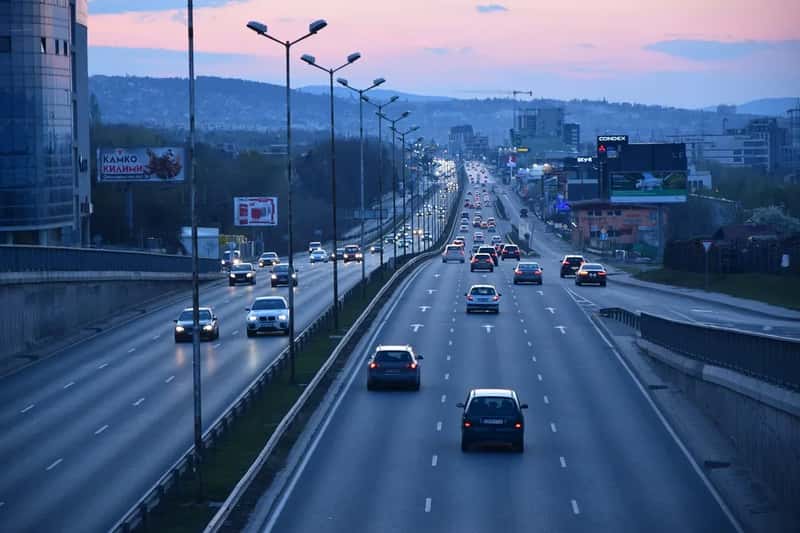
Exurban growth happens fast, but infrastructure development doesn’t. Greenfield developments increase costs for transit agencies, which have to stretch routes to cover exurban developments. Public transportation becomes economically unviable when populations are dispersed.
Greenfield developments lock households into car ownership and additional driving, costs that are too often overlooked when thinking about affordability. You can’t walk to the grocery store. You can’t bike to school. Every errand requires a car, every trip burns fuel, and every breakdown becomes a crisis. For nondrivers – whether due to age, disability, or financial constraints – these communities are essentially inaccessible.
After residents move in, they must contend with high transportation costs associated with automobile ownership and endure time-consuming commutes. Municipal services struggle to reach everyone efficiently. Fire departments, ambulances, and police cover larger territories with the same budgets, meaning slower response times and reduced safety.
The Social and Economic Isolation

Distance isn’t just physical; it’s economic and social. Employment rates of prime working age men and those with less than a high school degree in nonmetro areas were the weakest relative to their metro counterparts in recent decades. Jobs are concentrating in cities, particularly high-skilled knowledge economy positions.
Dense metro areas have higher shares of employment in high-skilled occupations relative to less dense areas. If you live in an exurb and lose your job, your next opportunity might require relocating closer to the city – exactly what you left to escape. Career mobility becomes geographically constrained. Networking happens in person, in offices and industry events, not through video calls from a home office forty miles away.
Social isolation compounds economic challenges. Many rural counties experience net domestic out-migration, particularly from young people, creating a vicious cycle where perceived lack of opportunities motivates people to leave, leading to smaller populations, fewer work opportunities, and diminished tax bases. Communities hollow out. Schools lose funding. Local businesses close. What began as a quiet retreat becomes a place people are desperate to leave.
The new exurban crisis isn’t a failure of individuals making bad choices. It’s a structural problem created by housing policy, infrastructure investment patterns, and employment geography. These commuter towns promised escape but delivered economic traps. As we head deeper into 2026, more families are realizing that the spacious house in the exurbs came with invisible costs that no one warned them about. The question now is whether policy can adapt before more people find themselves stuck in places that limit rather than expand their opportunities. What would it take for your community to break this cycle?