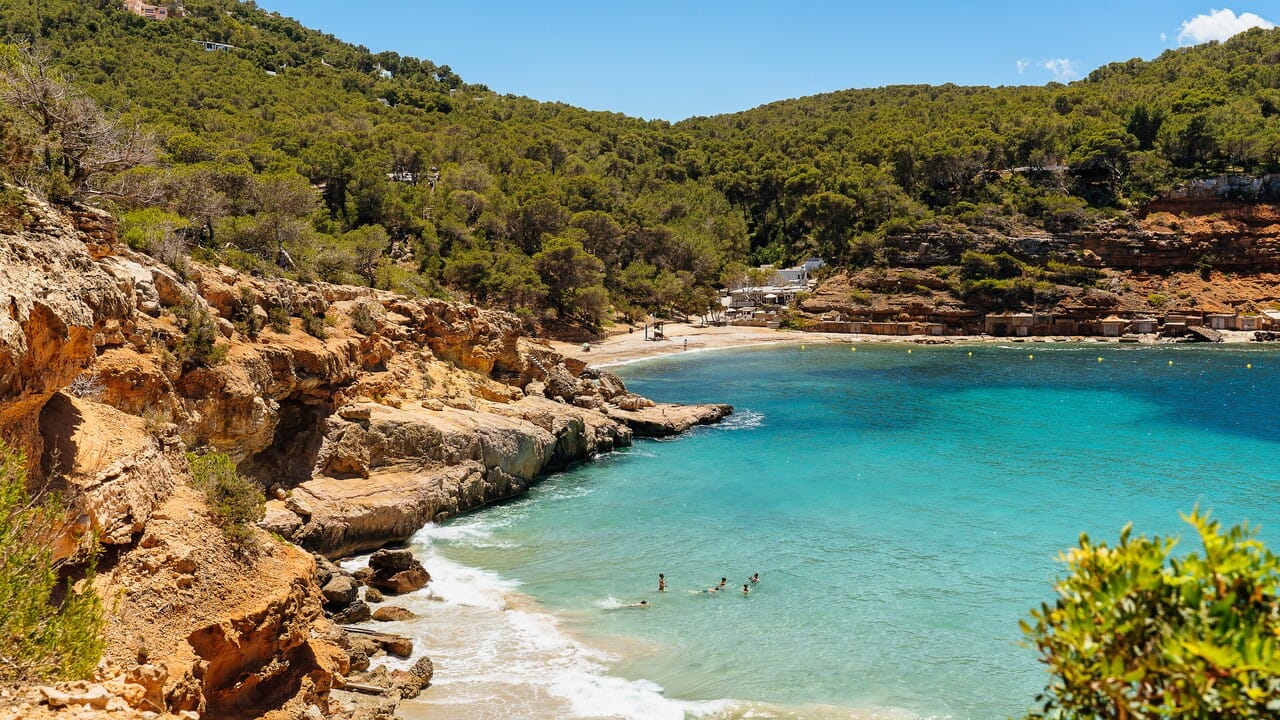
For decades, the Mediterranean formula seemed unbreakable: sun, sea, cheap flights, and an endless parade of visitors chasing the same postcard views. That formula is now cracking under its own weight. A quieter but far more consequential shift is taking hold, one where travelers are actively rejecting the crowded, checklist-driven version of Europe in favor of something slower, smaller, and more local.
This isn’t a marketing slogan dreamed up by a tourism board. It’s a measurable behavioral change showing up in booking data, protest movements, and government policy from Barcelona to Santorini. The old model of mass tourism is being challenged from both directions at once, by residents who are fed up and by travelers who are genuinely looking for something different.
Overtourism Protests Reach A Breaking Point
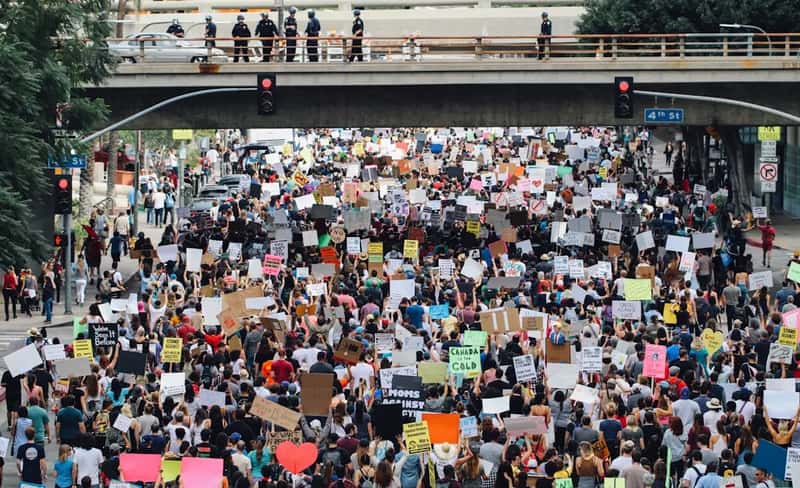
The anger didn’t appear overnight. Spain’s reckoning with mass tourism became impossible to ignore in the summer of 2024, when demonstrations spread across the country’s most visited spots. Those protests have continued rather than faded. In 2025, locals protested across Spain against overtourism, from the Balearics to Barcelona, with key boxes for short-term rentals commonly sabotaged.
The numbers behind the anger are hard to dismiss. Mallorca continues to receive over 13 million visitors annually, while Ibiza exceeds 3 million, and nearly 70% of Balearic residents have expressed support for visitor caps due to rising pressure on local services. Barcelona hasn’t been spared either, with the city receiving 16 million visitors in 2025 and facing major anti-tourism protests over the summer.
Tourist Taxes Have Become The New Normal

Governments across the region have decided that if they can’t easily reduce visitor numbers, they can at least make visitors pay more toward the infrastructure they use. Venice made global headlines in April 2024 as the first city to impose a five euro entry fee for day visitors, with plans to expand the tourist tax to between five and ten euros in 2026.
Barcelona has gone further still. Starting April 1, 2026, Barcelona sharply raised its overnight tourist tax, with the regional parliament of Catalonia approving a law doubling the tax for holiday rental guests to a maximum of 12.5 euros per night, up from 6.25 euros, while hotel guests now pay between 10 and 15 euros per night depending on category. Notably, a quarter of the new tax revenue is earmarked for the housing crisis rather than general municipal spending, a sign that these fees are as much about resident welfare as tourist management.
Cruise Ships Face Hard Caps In Greece And France
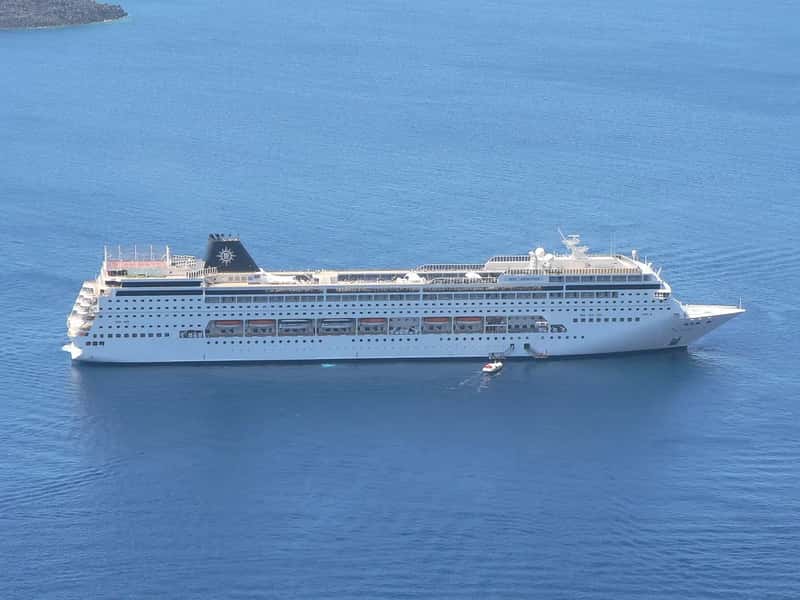
Few sectors have drawn as much scrutiny as cruise tourism, and Greece has moved from complaints to concrete policy. A per-person cruise passenger fee took effect on July 21, 2025 and continues through 2026, charged once per port call during peak season from June through September, at 20 euros per person in Santorini and Mykonos, with shoulder and winter seasons seeing the rate drop considerably. On top of the fee, Greece tightened a hard daily cap on cruise crowds at Santorini for the 2026 season.
France has joined this shift as well. In Southern France, Nice and Cannes have begun limiting cruise ship passengers coming into the towns starting in summer 2026. Meanwhile, other Mediterranean gateways are experimenting with volume controls of their own. Starting in 2026, river cruise operators are receiving annual reduction quotas, while ocean cruise ships are being limited to just 100 per year. These aren’t symbolic gestures. They represent a genuine cap on how many people a destination will accept on its busiest days, something almost unheard of a decade ago.
The Rise Of The “Coolcation” And Shoulder-Season Escape

Extreme summer heat has quietly become one of the biggest disruptors of traditional Mediterranean travel patterns. Extreme heat conditions have significantly influenced travel patterns across Europe, driving a shift toward cooler destinations, with the emerging coolcation trend recording 5.96% of global travel intent now directed toward northern regions such as Scandinavia, Iceland, and parts of the United Kingdom.
Even travelers who remain loyal to the Mediterranean are changing when they go. Travellers choosing Mediterranean destinations are increasingly shifting toward shoulder-season travel and longer stays, reflecting adaptation to rising summer temperatures. This matters because it directly undercuts the July and August crush that has defined mass tourism complaints for years, spreading demand more evenly and, in theory, easing pressure during the hottest and busiest weeks.
Travelers Are Chasing Micro-Cultures, Not Postcards
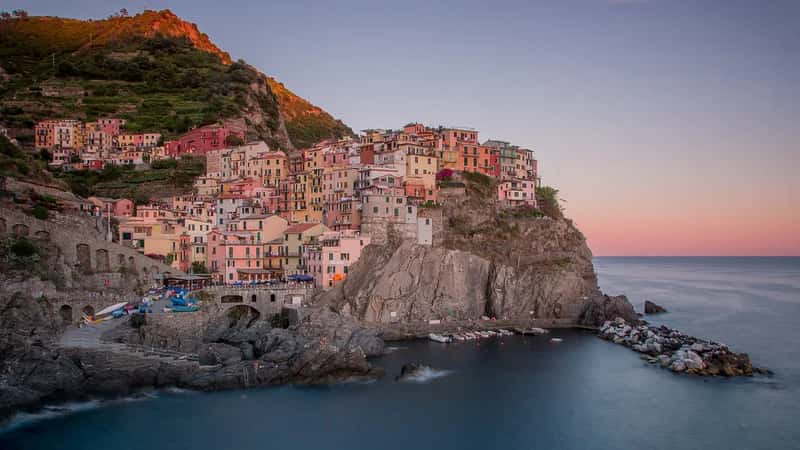
A widely cited 2026 industry report captures this shift in attitude clearly. The first trend identified, Micro-Cultures of the Med, reflects growing demand for experiences rooted in local identity rather than broad regional stereotypes, with familiarity now acting as a foundation for exploration as travellers who already know a destination become more willing to visit outside peak seasons, seek out lesser-known neighbourhoods, and engage more deeply with local communities.
Jenny Southan, founder of the trend forecasting agency behind the report, put it bluntly. “The Mediterranean is at a tipping point,” she said. “Demand is reaching record levels, but at the same time travellers are becoming more selective about how they experience it. There is a growing preference for places that feel slower, more local and less exposed to mass tourism.” This isn’t a niche sentiment confined to a small group of ethical travelers. It’s being described as a structural pressure reshaping how the entire region markets itself.
Younger Travelers Are Driving The Shift Away From Checklist Tourism

Industry analysts point specifically to generational change as a driving force. Younger travellers, particularly millennials and Gen Z, are moving well beyond checklist tourism, seeking cultural immersion, sustainability, and genuine connection with the places they visit, with social media playing a role by exposing people to diverse cultures and creating an appetite for deeper experiences.
This translates into real avoidance behavior, not just aspirational talk. Growing awareness of the negative impacts of mass tourism is prompting some travellers to deliberately avoid overcrowded hotspots, with many now seeking authentic experiences in lesser-known destinations, often using social media platforms like TikTok and Instagram to uncover places that are off the beaten track. The irony, of course, is that social media both fueled the original overtourism crisis and is now helping travelers scatter away from it.
Short-Term Rentals Face A Region-Wide Crackdown
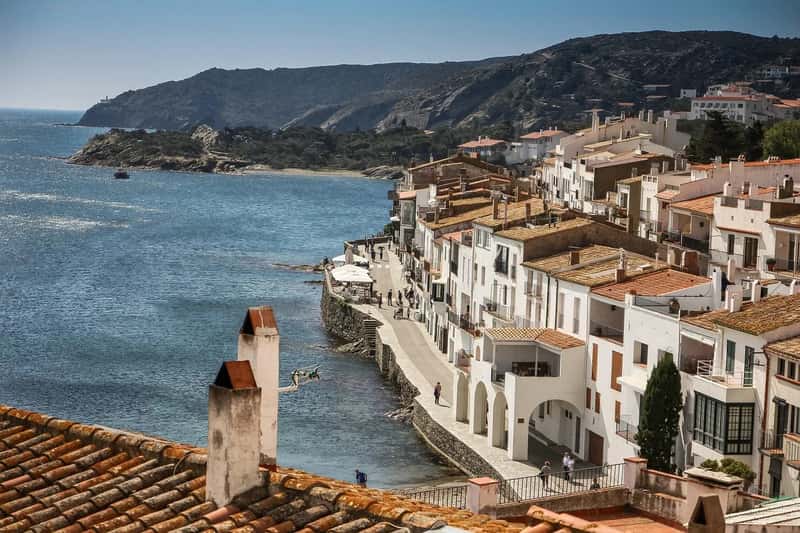
Housing pressure has become the sharpest edge of the overtourism debate, and short-term rental platforms are squarely in the crosshairs. The Spanish government took action by removing 65,000 Airbnb listings and introducing a tax on foreign buyers, and it intends to phase out short-term rentals in Barcelona entirely by 2028. Barcelona’s mayor has echoed that timeline publicly, with Mayor Jaume Collboni announcing plans to ban short-term rentals entirely by 2028.
Amsterdam has taken a parallel, if more theatrical, approach outside the Mediterranean proper but within the same policy wave. Its “Stay Away” campaign was part of efforts to discourage travelers from bringing their “nuisance,” as one deputy mayor described it, alongside limits on new hotel construction and increased taxes on overnight stays. The message across these markets is consistent: cities are no longer willing to let visitor accommodation crowd out permanent residents.
Quality Over Quantity Becomes Official Policy

Perhaps the clearest sign that this is a genuine disruption rather than a passing mood is how governments now talk about tourism itself. Travel expenditure across Europe rose 9.7% in 2025 while visitor arrivals grew just 3.2%, a pattern even sharper in Spain, where international tourist spending reached 15.4 billion euros in the first two months of 2026 alone, up 6.9% year-over-year, while visitor numbers increased just 2%.
The overall scale of arrivals hasn’t shrunk. Europe welcomed 793 million international tourists in 2025, 4% above 2024 and 6% above pre-pandemic 2019 levels, with growth of 3-4% forecast for 2026. What’s changing is the composition of that demand. As one analysis summarized it, the continent isn’t shrinking its tourism industry, it’s restructuring who benefits and who pays. That restructuring, playing out through taxes, caps, rental bans, and a genuine traveler preference for the quieter and the local, is the real trend disrupting mass tourism across the Mediterranean.
What This Means For The Region’s Future
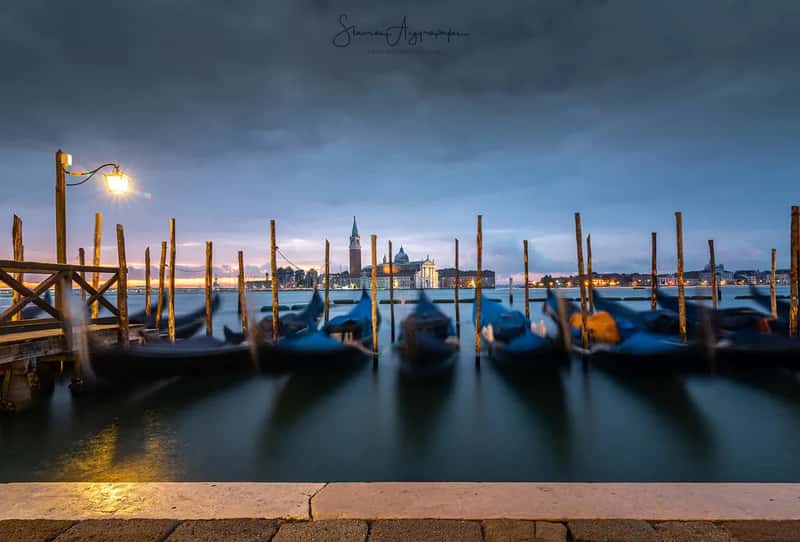
None of this points toward the Mediterranean becoming less popular. If anything, demand keeps climbing, with Europe welcoming 793 million international arrivals in 2025 and Greece alone recording almost 38 million international visitors that year, up from 35.95 million the previous year. The difference is that growth is no longer being absorbed passively. It’s being managed, taxed, capped, and redirected.
For travelers, that means a Mediterranean trip in 2026 looks different from one a decade ago: higher fees baked into the booking, tighter caps at famous sites, and a real incentive to explore neighborhoods and islands that never made it onto the highlight reel. For the region itself, it’s a rare moment of course correction, one where the destinations that built their economies on mass tourism are finally asking what a sustainable version of that success actually looks like.