You’ve spent decades working hard, saving carefully, and dreaming about those golden years. The brochures make it look perfect. Sunny beaches, low taxes, endless golf courses. Sounds like paradise, right?
Here’s the thing though. Some of these so-called retirement havens hide a darker reality behind their glossy marketing. Seniors who actually moved there are sounding the alarm. The costs keep climbing, the hassles multiply, and that dream lifestyle starts feeling more like a trap.
Let’s dive into the retirement destinations that might look great on paper but often disappoint in practice. These aren’t just minor inconveniences we’re talking about. These are places where retirees are genuinely struggling or having major regrets. So let’s get started with the spots you might want to cross off your list.
1. Hawaii: Paradise With a Punishing Price Tag

Hawaii ranked dead last among all 50 states for retirement in 2025 according to Retirement Living, receiving an overall score of just 33.9 out of 100 points. That’s shocking when you consider the stunning beaches and perfect weather.
Hawaii’s cost-of-living index ranked it first in the U.S. for most expensive groceries, housing, and utilities. Think about that for a second. Every single time you buy food or turn on the air conditioning, you’re paying the highest prices in the nation. Retirees need more than $1.6 million saved up, before inflation, to retire comfortably in Hawaii.
Hawaii sits in the middle of the Pacific Ocean, making it quite distant from the mainland U.S., and the long flights can feel like a hassle, adding to the isolation. Honestly, many seniors discover what locals call “island fever” after a few years. The state has one of the lowest numbers of health care facilities, with roughly 1,240 facilities per 100,000 seniors, which becomes a real concern as you age.
2. Florida: The Sunshine State’s Dark Side
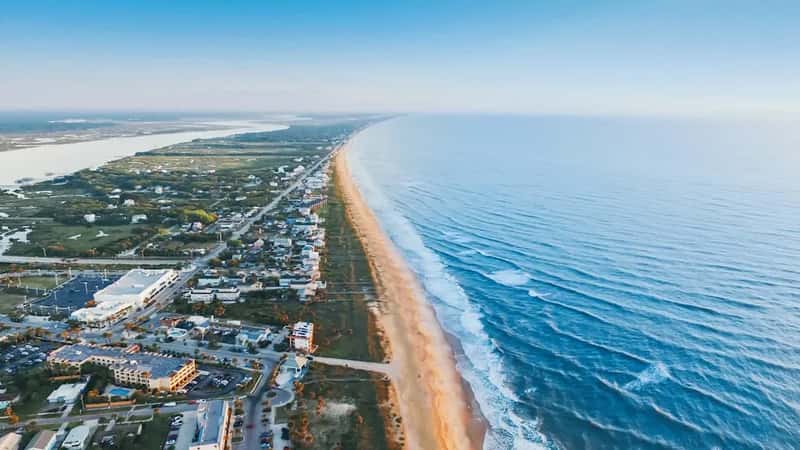
Everyone thinks of Florida as retirement central. The reality? Skyrocketing home prices and insurance costs are making Florida an increasingly unaffordable state for retirees to spend their golden years.
Homeowners, especially those in coastal areas, are facing rising insurance premiums, with some policies costing over $6,000 per year. Let me be real here. That’s just homeowners insurance, not including flood insurance which is often mandatory. FEMA’s 2024 flood-map update expanded flood risk substantially, with South Florida alone adding approximately 138,800 structures to high-risk zones.
Condo HOA fees are suddenly surging, with owners waking up to special assessment bills for $50,000, $80,000, or even $100,000 per unit, due in weeks, not years. These aren’t optional expenses either. Many seniors find themselves completely trapped. Florida’s popularity as a retirement haven is already showing signs of cooling, with a 0.2 percent drop in out-of-state retirees between 2021 and 2023.
3. California Coastal Cities: San Jose and San Francisco

San Francisco and San Jose tied for among the worst cities to retire, ranking T-169 in WalletHub’s 2026 rankings, alongside Honolulu. The cost alone is staggering.
California has some of the most expensive housing in the United States, with homes averaging 2.5 times the cost of the national average. Your retirement dollars simply won’t stretch far in these areas. The income tax rates in California are some of the highest in the United States, and not only do the monthly bills in San Jose average higher than other major American cities, many seniors are worried about the distance between destinations around town.
The traffic, the crowds, the expense of everything from parking to groceries. It wears you down over time. These cities might offer culture and scenery, but you’ll pay dearly for every moment of it.
4. New York City: The Big Apple With Bigger Problems
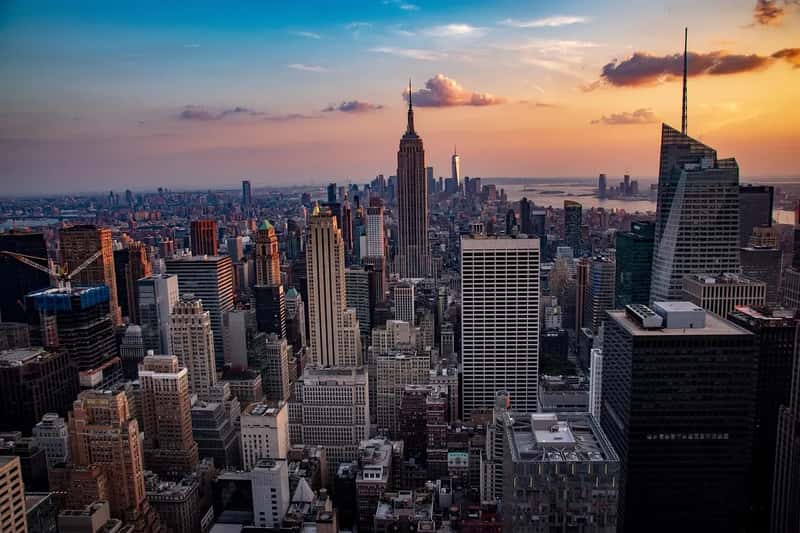
New York ranked T-169, tying for worst cities to retire in WalletHub’s 2026 analysis. Think about what that means for a second.
New York places near the bottom with the worst economic strength, where 14.3% of seniors live in poverty and nearly 1 in 5 work past retirement age. Nearly one in five seniors still working? That tells you something isn’t adding up financially for retirees there. With soaring rent costs, home prices, and cost of living the Big Apple didn’t make it to list of most affordable.
The winters are brutal, the pace is relentless, and frankly, aging in a city where everything requires climbing stairs or navigating crowded subways isn’t exactly relaxing. Your retirement shouldn’t feel like an endurance test.
5. New Mexico: Dangerous Territory for Seniors

New Mexico takes the top spot for worst places to retire according to a recent Motley Fool study. This one surprised people because the cost of living isn’t terrible.
New Mexico has the worst crime rate nationwide, with a crime score of 0, ranking 50 out of 50 states, and nabbed the second-lowest quality-of-life score. Zero out of 100 for crime? That’s terrifying. According to FBI data, New Mexico has one of the highest rates of violent crime against older adults in the nation, with violent crimes against seniors occurring at a rate of 212.2 per 100,000 individuals.
Safety should be your top priority in retirement. You want to feel comfortable taking evening walks or running errands without constantly looking over your shoulder. New Mexico sadly doesn’t deliver that peace of mind.
6. Nevada: Las Vegas Loses Its Luster

Las Vegas is a great spot for temperate days and variety of activities, but noise pollution from 24-hour casinos, loud shows, and outdoor entertainers makes this a rough place for retirees. The constant stimulation gets old fast.
Nevada ranked among the five worst states to retire according to The Motley Fool’s 2026 study. Even if you live away from the Strip, you’ll deal with the infrastructure strain from constant tourist traffic. The summers are absolutely punishing with temperatures regularly exceeding 110 degrees.
Here’s something people don’t realize until they’re already there. The desert climate is incredibly hard on older bodies. Dehydration happens faster, the heat limits outdoor activities for much of the year, and the dry air can aggravate respiratory conditions.
7. Minneapolis: Cold Reality Sets In
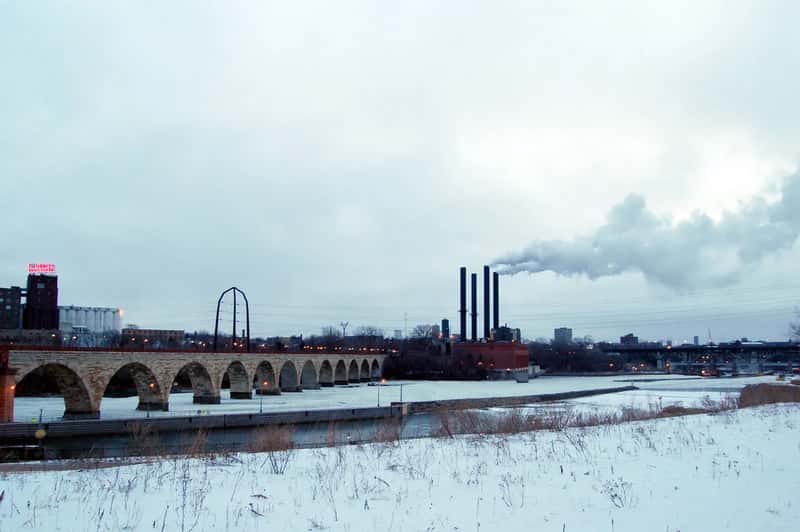
Gorgeous lakes and hiking trails are dusted all over Minnesota, but accessible indoor walkways in the city to avoid the harsh winters only exist if you live in the city center. The weather is the deal-breaker here.
Minneapolis’ quality of life clocks in at 79th, which honestly should make you pause. Groceries in Minneapolis cost 2% more than the national average, adding to the financial strain. The brutal winters mean you’re essentially trapped indoors for months at a time.
Imagine spending your retirement years shoveling snow, navigating icy sidewalks, and worrying about furnace breakdowns. Those bone-chilling Minnesota winters aren’t exactly what most people envision for their golden years.
8. Denver: Mile-High Costs and Crime
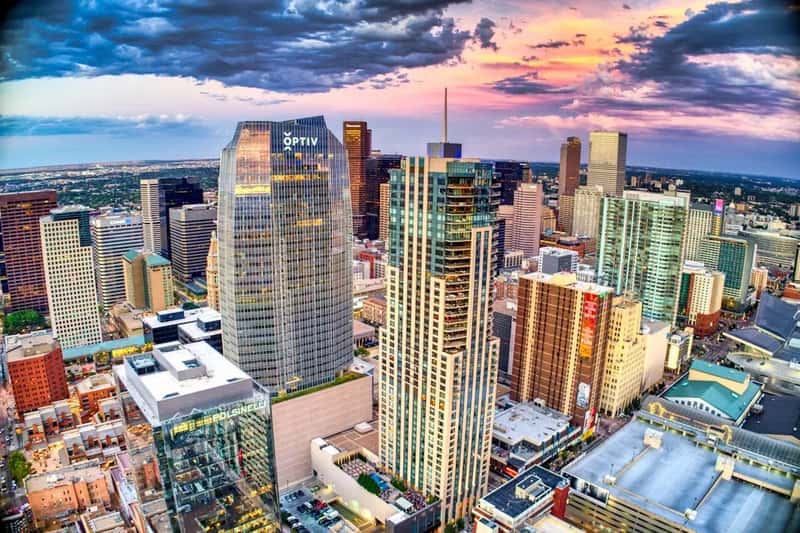
Colorado is 12% higher than the national average for cost of living. That mountain lifestyle comes with a serious premium attached.
Between 2019 and 2022, Denver’s crime rate rose by 43%, according to the Common Sense Institute. That’s a massive spike in just three years. The traffic has become absolutely horrendous as more people flood into the area. Denver has gorgeous mountain views and breweries, but the horrendous traffic and cost of living is going to put quite a dent in your savings.
The altitude itself causes problems for seniors with heart or lung conditions. It’s harder to breathe, medications can affect you differently, and recovery from illness takes longer at elevation.
9. Orlando: Tourist Trap Retirement

Orlando is not a great spot to retire because the entire city caters to Disney and the resort community, so there is almost always traffic and tourists abound, meaning you’d have to settle down in the outer neighborhoods for a quieter life. The constant crowds are exhausting.
The overall cost of living is quite high, compared to other states. You’re essentially paying resort prices for everyday living. Want to grab dinner? Expect tourist pricing. Need to drive somewhere? Prepare for theme park traffic jams.
Living where millions of people vacation sounds fun until you realize you can never escape the chaos. Your peaceful retirement quickly becomes navigating through endless crowds just to buy groceries.
10. Phoenix/Scottsdale: Desert Heat Hazards

The cost of living is actually 13% higher than the national average, and while winters are known to be temperate, the summers can be brutally hot, and that’s just increasing year over year. Climate change is making these areas almost unlivable during summer months.
Another big drawback for seniors is that public transportation is not reliable, and not available outside of the immediate downtown area. You’re forced to drive everywhere in scorching heat. Temperatures regularly hit 115 degrees or higher from June through September.
Many seniors become prisoners in their own homes during summer, unable to venture outside without risking heat exhaustion. Your retirement shouldn’t mean being trapped indoors eight months out of the year.
11. New Jersey: Tax Nightmare for Retirees
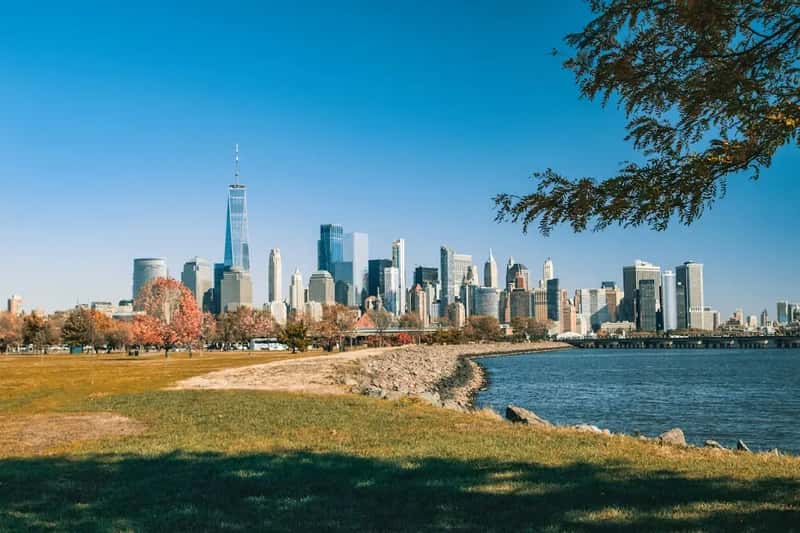
New Jersey is the worst state to retire because it is one of the least affordable states in the country, has mediocre access to arts and recreation and an unhealthy senior population (65% have three or more chronic conditions). That health statistic alone is alarming.
New Jersey has mediocre access to arts and recreation, and Alabama, Kansas, Georgia and Oklahoma also were in the bottom five. The property taxes in New Jersey are absolutely brutal, often exceeding $10,000 annually even on modest homes. Your retirement savings get eaten alive by taxes.
The state offers little in return for those sky-high taxes when it comes to services for seniors. You’re paying premium prices for below-average quality of life during your retirement years.
Choosing where to spend your retirement years is one of the biggest decisions you’ll ever make. These eleven spots might look appealing in travel brochures or online rankings, but the reality on the ground tells a very different story. Soaring costs, safety concerns, extreme weather, and quality of life issues plague each of these locations in ways that seriously impact seniors.
The smartest move? Visit any potential retirement spot during different seasons, talk to actual retirees living there, and crunch the real numbers including insurance, taxes, and healthcare costs. Your retirement savings need to last, and your golden years should be genuinely golden, not gilded misery. What surprised you most about these retirement trouble spots? Did any of your dream destinations make the list?