Social media makes every destination look like a dream. Golden light, empty streets, zero queues. But the moment you actually show up with your luggage and high expectations, reality tends to have other plans. Millions of travelers have learned this the hard way, arriving at some of the world’s most famous places only to find chaos, crowds, and a creeping sense of having been sold something that doesn’t quite exist.
Across recent surveys, travel guides, and real visitor reviews, a very honest picture is forming. Some places are genuinely failing to live up to their mythology. Here’s what the data and the people who’ve actually been there are saying. Let’s dive in.
1. Cancún, Mexico – The Most Disappointing Beach in the World
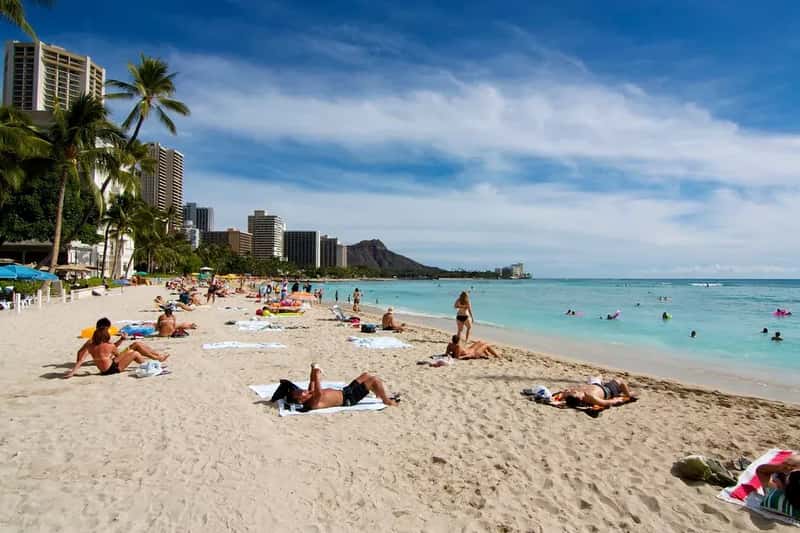
A study by Radical Storage put Mexico’s Cancún at the top of the list of the most disappointing tourist cities of 2025, after analyzing nearly 100,000 Google reviews of 100 of the world’s most-visited cities. It found that nearly one in seven of Cancún’s reviews were negative – the highest of all cities analyzed. That’s a brutal verdict for a place still sold as paradise.
According to SECTUR data, there were over 9.7 million international arrivals in Cancún in 2024, more than double the amount for Mexico’s second-biggest travel destination. The huge influx of tourists can make for overcrowded beaches and an overburdened city, where upselling becomes the standard. Think overpriced cocktails, packed resort strips, and zero sense of actually being in Mexico.
2. The Louvre and the Mona Lisa, Paris – A Beautiful Ordeal
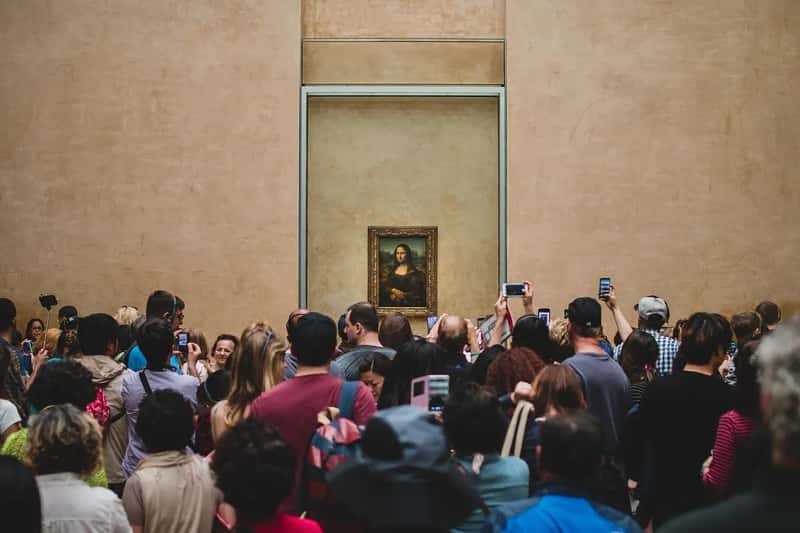
In 2024, 8.7 million people visited the Louvre – double what it was designed to have. Museum director Laurence des Cars herself described the experience bluntly, calling a visit to the Louvre “a physical ordeal” in a widely publicized leaked memo. That phrase, coming directly from the building’s own leader, says everything you need to know.
Up to 10 million people a year visit the Mona Lisa at the Louvre. Many visitors queue for up to two hours to spend an allotted 30 seconds in front of the piece and come away feeling cheated. Around 20,000 people pack into the room housing the famous painting each day, resulting in massive lines and far-from-ideal viewing conditions. Honestly, it sounds less like an art museum and more like a very expensive, sweaty concert.
3. Stonehenge, England – Big Rocks, Bigger Disappointment
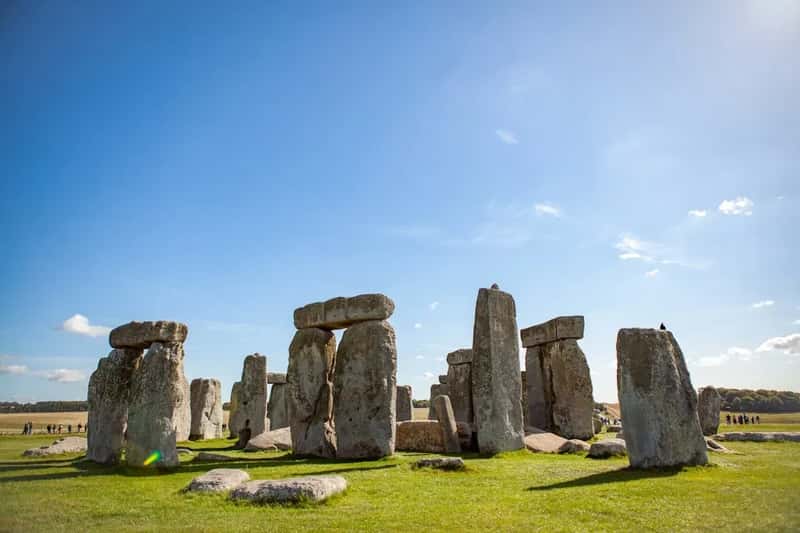
In 2024, a poll by Rough Guides saw the 5,000-year-old stone circle voted the world’s most overrated attraction, with visitors describing it harshly. According to Wingie’s analysis, England’s Warwick Castle received the highest proportion of “overrated” mentions compared to reviews, with Stonehenge following closely. What essentially amounts to a bunch of big stones in a field disappoints tourists who don’t expect to be kept at a distance, with no accompanying museum or tourist centre.
A renovation project began in 2024 to try to improve things, though it’s hard to say how much a renovation can fix what is, fundamentally, a viewing experience that keeps you very far from the thing you came to view. You arrive expecting ancient mystical energy. You leave having looked at large rocks from behind a barrier in the English rain. Let’s be real – that gap between expectation and reality is enormous.
4. The Trevi Fountain, Rome – Romance Overwhelmed by Crowds
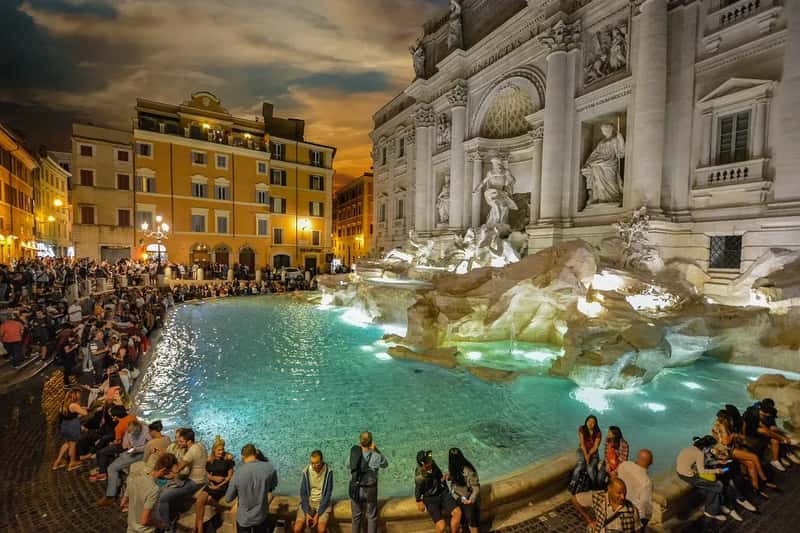
A March 2025 Radical Storage survey named the Trevi Fountain one of the most disappointing tourist attractions, with almost a quarter of people surveyed having a negative experience of the fountain. The baroque masterpiece draws such massive crowds that Rome implemented a new queuing rule in 2024 to manage the excited hordes.
Anywhere from 10,000 to 12,000 tourists were known to visit the fountain daily before crowd control measures. Getting a decent photo or even a glimpse requires patience through shoulder-to-shoulder tourists. Common issues included overcrowding, pickpocket warnings, and a sense that the fountain was simply “underwhelming” in person. What was supposed to be the most romantic moment of a European trip regularly turns into a stressful photo scramble.
5. Venice, Italy – Sinking Under the Weight of Its Own Fame
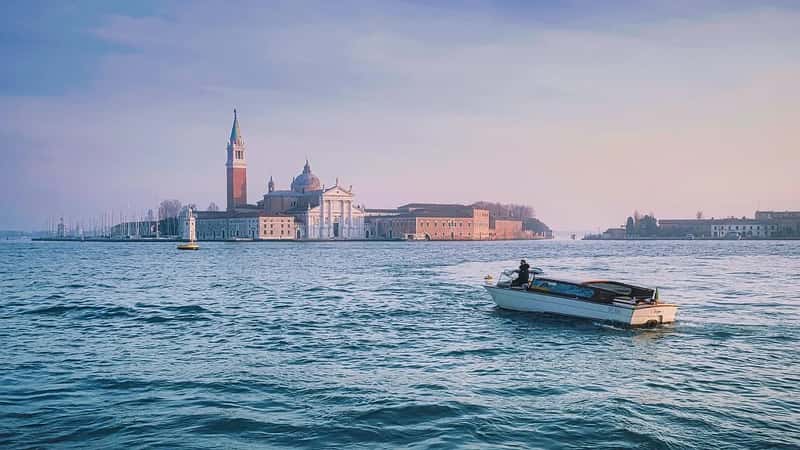
Forbes reported that the problem in Venice stems from the sheer number of visitors who flock to the city daily – over 20 million tourists a year, for a city with just over 50,000 residents. Although new regulations have moved cruise ships further away, the city still struggles under the weight of tourists who visit for just a day, adding to overcrowding but contributing little to the local economy.
Venice has probably grabbed the most headlines when it comes to problems with too many tourists. Locals have really turned against the high volumes of visitors, and the local government as well as UNESCO have voiced concerns about the possible damage being done. Some measures have already been implemented, such as a trial fee for daily visitors, and the local government has since announced a ban on tourist groups of larger than 25 people. The city is stunning. The experience, however, is increasingly exhausting.
6. Bali, Indonesia – Paradise With a Very Real Dark Side
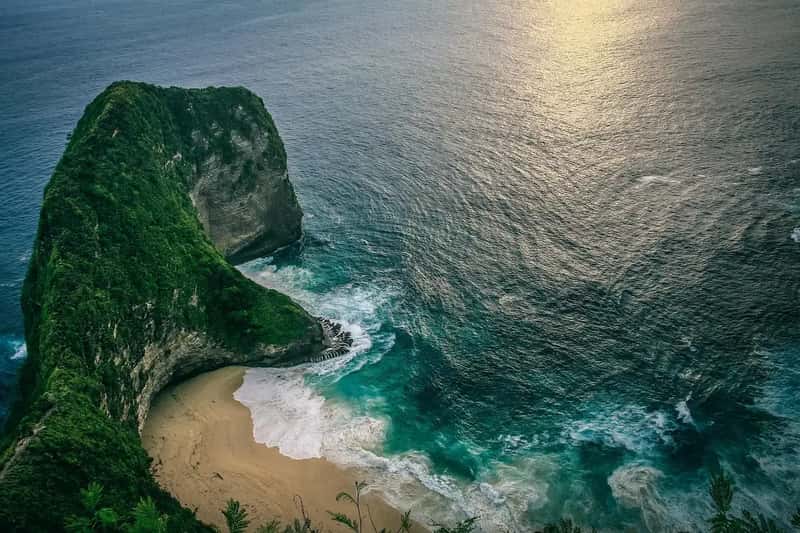
Bali was placed on Fodor’s “No List” for 2025, a designation highlighting significant challenges stemming from overtourism, including environmental pollution caused by an overwhelming accumulation of plastic waste and other pressures on the island’s ecosystem. From the moment you arrive in Denpasar, the issues are obvious: lengthy traffic delays plague the route between the airport and Ubud, beaches are marred by plastic and endless rows of sunbeds, and at revered temples, selfie sticks seem to outnumber actual offerings.
Bali saw 6.33 million international visitors in 2024, surpassing its pre-pandemic peak of 6.28 million in 2019. It’s also a perennial observation that those very visitors are, by their presence en masse, changing the place and stripping it of its exotic charm. The Bali that people dream of still exists in certain corners. Finding it, though, requires a lot more effort than an Instagram post suggests.
7. Santorini, Greece – The Instagram Trap
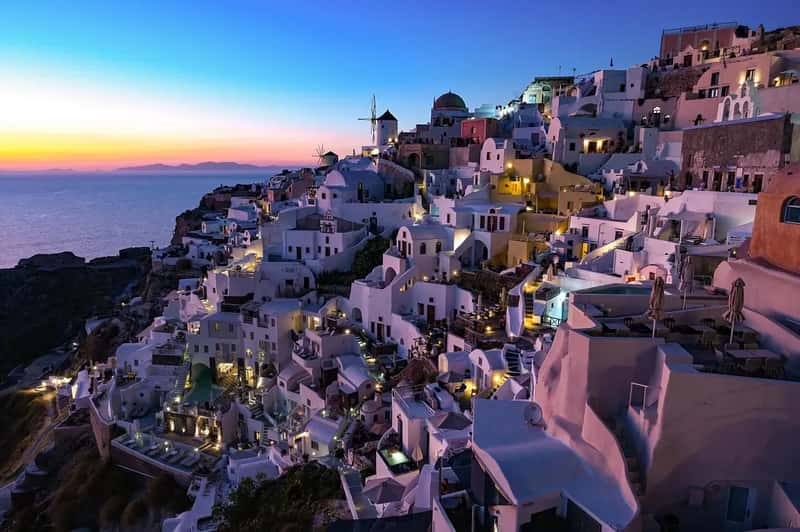
Santorini’s iconic blue-domed churches, white-washed buildings, and stunning sunsets make it one of the most photographed islands in the world. The small island is ill-equipped to handle the crowds that flock there each year, particularly in summer. The flood of tourists – many arriving on large cruise ships – has led to severe overcrowding.
In peak season, visitors often outnumber the island’s 15,000 residents several times over. This has resulted in traffic jams, overbooked hotels, and overwhelmed restaurants. Popular spots like Oia, where tourists gather to watch the sunset, are packed to the point where it’s nearly impossible to move through the narrow streets. The sunset photo you’ve seen a thousand times? You’ll be sharing that moment with several thousand other people, all holding up their phones.
8. Barcelona, Spain – A City Pushed to Its Limits
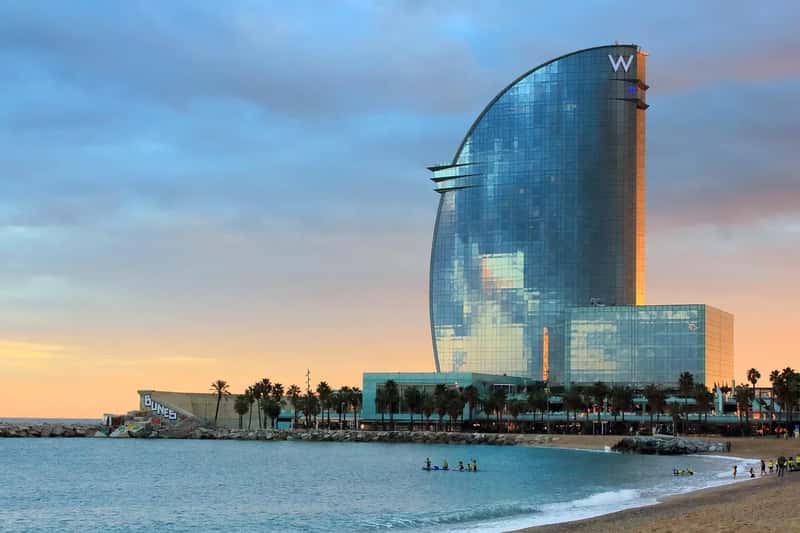
Barcelona has long been grappling with overtourism, leading to crowded streets, overburdened infrastructure, and rising living costs for locals. The city’s popular sites like La Rambla and Sagrada Familia can get particularly overcrowded. Based on tourist density, Barcelona is actually the most overcrowded destination in Europe, with a staggering 201,722 tourists per square kilometer.
In neighborhoods like Barceloneta, residents have staged protests over skyrocketing housing prices, noise pollution, and the loss of community caused by the flood of tourists. The proliferation of short-term rentals has driven housing costs through the roof, pushing locals out of the city center. This tension has led the city government to impose restrictions on new hotels and short-term rentals, but managing the overwhelming number of tourists remains a challenge. When the people who actually live somewhere start holding signs asking you to leave, that’s a sign worth paying attention to.
9. Budapest’s Széchenyi Baths, Hungary – A Very Crowded Public Pool
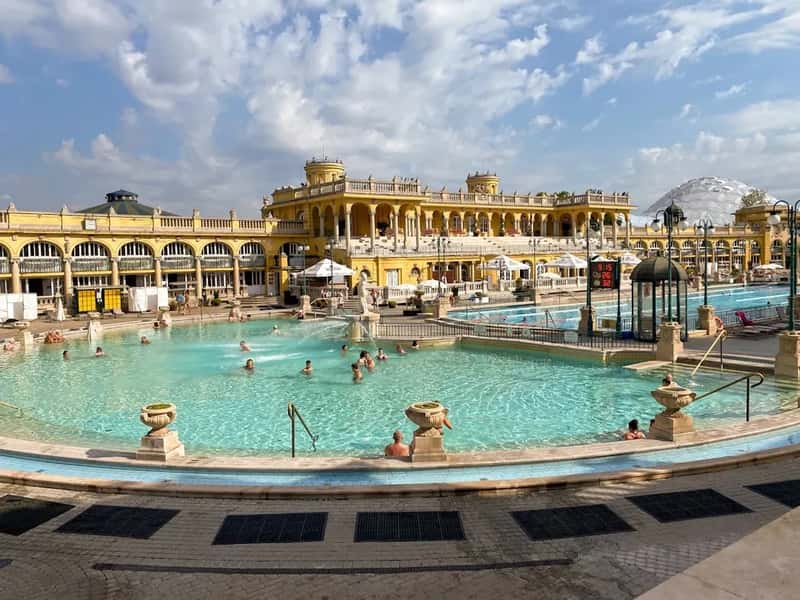
The Radical Storage survey found that 37.2% of reviews for the Széchenyi Baths were negative, with inaccessibility and large crowds impacting wait times. The baths had 1.7 million attendees in 2024 alone. That’s an eye-watering number for a finite space inside a historic building.
The concept is genuinely wonderful. Soaking in thermal baths inside a neo-baroque palace in the heart of Budapest sounds like a scene from a Wes Anderson film. The reality, however, involves jostling for space in what sometimes resembles a very expensive, very crowded public pool. A three-year renovation project begun in 2024 hopes to address complaints, though whether this will fix the experiential problems remains uncertain.
10. Kyoto, Japan – Beauty Suffocating Under Attention
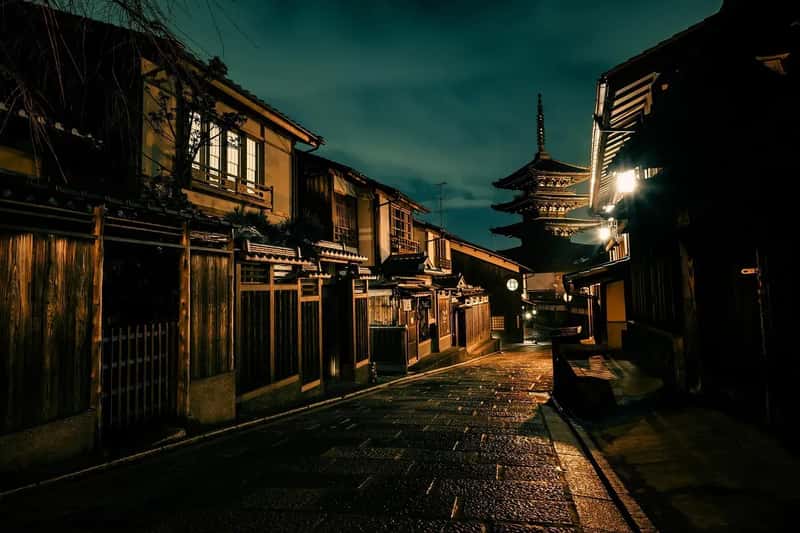
Officials in Kyoto have taken several measures to combat overcrowding and bad behavior from tourists. Kyoto has barred tourists from visiting some streets in Gion, the city’s geisha district, in response to tourists harassing the geishas. Think about that for a moment. A city had to physically block off streets because the tourist behavior was genuinely harmful to local residents going about their lives.
Too many visitors can dilute local habits, turning a place into a fantasyland or theme park, in the process losing the uniqueness that attracted them in the first place. Kyoto remains one of the world’s most genuinely beautiful cities, and that’s precisely the problem. Its beauty has attracted a volume of visitors that is slowly eroding the very thing people came to experience. It’s a paradox that’s hard to solve.
11. Hollywood Walk of Fame, Los Angeles – Glitz With Nowhere to Go

A recent travel report exposes the gap between tourist destination hype and reality, ranking the Hollywood Walk of Fame as the most underwhelming attraction for visitors. The Hollywood Walk of Fame in Los Angeles topped a list of the “worst” tourist destinations, with visitors calling it “run down” and “dirty.” Research by Stasher analyzed 101 of the world’s most popular attractions and found the Hollywood Walk of Fame to be the biggest tourist trap, accounting for five main factors including Google Reviews ratings, TikTok engagement, and airport accessibility.
The Walk of Fame’s last-place ranking has been described as “a wake-up call for travelers who assume famous means great,” with a 4.0 Google rating and poor accessibility proving it is “the perfect example of a tourist trap that trades on reputation rather than actual experience.” I think most people sense it the moment they arrive and look around: this is just a sidewalk. A sidewalk with stars on it. And a lot of souvenir shops.
12. Ha Long Bay, Vietnam – Polluted Views Behind a Postcard
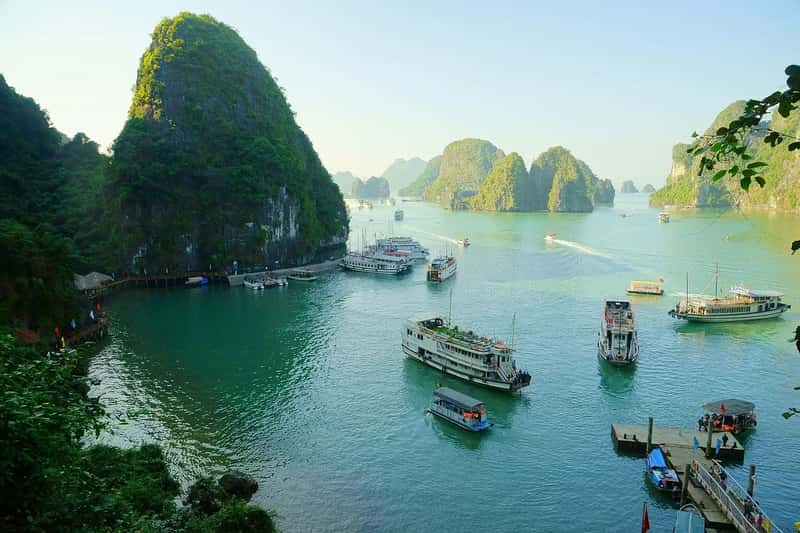
Ha Long Bay turned out to be one of the most overrated places to visit in Vietnam. It is relatively expensive, and you’ll need to book a cruise to see it. When you do, you’ll be greeted with a polluted bay filled with other tourist boats jostling for space. That iconic image of misty limestone karsts and glassy water? It exists. Just look past the other thirty tourist boats in the frame.
Being on a tour means you’re on someone else’s schedule, often including stopping off at the same bays as everyone else or at some tacky restaurant or “floating village” where you’ll be expected to buy overpriced souvenirs. The weather is ridiculously unpredictable, so you’ll more than likely find yourself in a gloomy overcast bay with low visibility. The scenery is undeniably spectacular in theory. In practice, the packaged, rushed, commercially saturated cruise experience is a far cry from the wild natural wonder the brochures promise.
The Bigger Picture: Overtourism Is Changing Travel
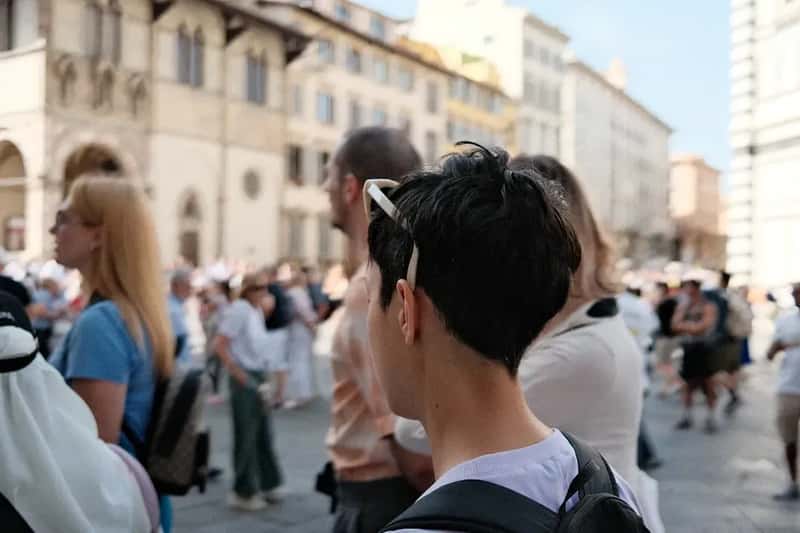
People are traveling more than ever, with international tourist arrivals in the first half of 2024 just about reaching pre-pandemic levels, and destinations around the world are feeling the pinch. With tiny, historic European cities welcoming thousands more people than they were built to hold and picturesque beach locales littered with plastic, concerns about overtourism and poor tourism management are increasingly widespread.
In a 2022 survey by travel booking site Booking.com, nearly two thirds of respondents said they would be prepared to stay away from busy tourist sites to avoid adding to congestion. That sentiment appears to be shifting into action. Overtourism is essentially an imbalance of too many people in a single place at the wrong time – simply put, it’s the danger of loving a place to death. That phrase cuts right to the heart of what’s happening to so many destinations at once.
None of these places are without merit. A few of them are genuinely extraordinary. The question isn’t whether they deserve to exist on a travel list – it’s whether your experience there will match the version of it living in your imagination. More often than not, armed with realistic expectations and a willingness to go slightly off the beaten path, travel can still be transformative. The problem is almost never the destination itself. It’s the gap between the dream and the crowd.
What would you have guessed was the world’s most disappointing tourist destination? Tell us in the comments.