Every traveler has a bucket list. Certain cities and destinations seem irresistible on paper. Yet there’s an increasing trend that’s not so obvious at first glance. More and more travelers are quietly reconsidering some of the world’s most hyped attractions after listening to the honest opinions of locals. Here’s the thing: the dream vacation you’ve seen in glossy brochures can sometimes feel more like a stress test than a getaway.
Local guides know the reality behind the postcard images. They’re the first to see when a beloved landmark becomes more about managing crowds than enjoying culture. Let’s dive into the eight destinations that are quietly dropping off savvy travelers’ lists.
Venice, Italy
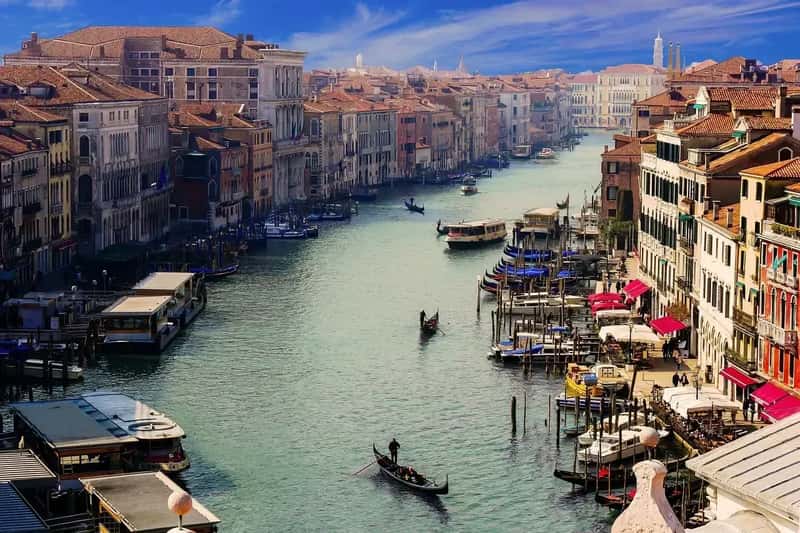
With nearly 400 tourists per day for each Venetian resident, many locals are compelled to leave their homes, causing a mass exodus. Think about that for a second. The population has declined from 120,000 three decades ago to 55,000 today, and the trend shows no sign of slowing down. The city tried implementing a daytripper fee in 2024, charging five euros on peak days, but the experiment didn’t reduce visitor numbers meaningfully.
In 2023, 5.7 million people visited Venice with peak days seeing more than 80,000 arrivals. To put that in context, the historic centre of Venice now has fewer than 50,000 residents. Local guides are increasingly recommending visitors skip Venice altogether or at least wait until the dead of winter when the city regains some of its authentic character. Honestly, when residents start fleeing because they can’t afford rent and every corner shop becomes a souvenir stand, something’s gone terribly wrong.
Bali, Indonesia
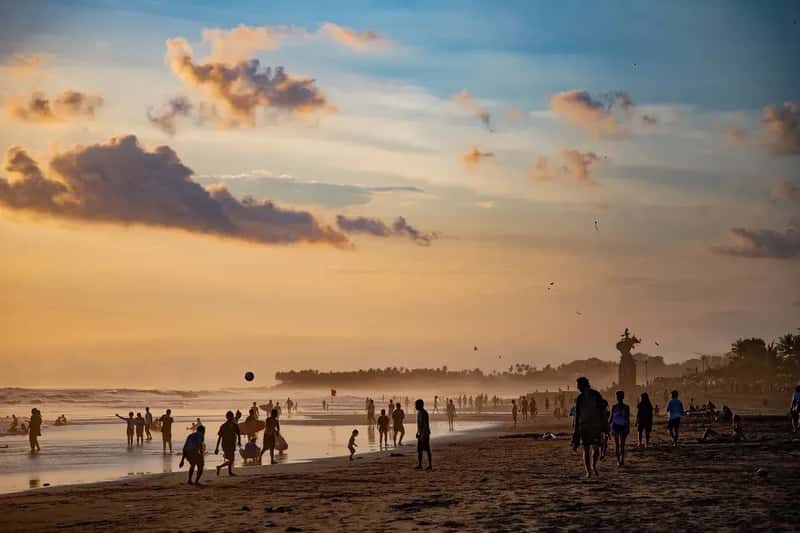
The island recorded around 5.3 million international visitors in 2023, showing a strong recovery compared to pre-pandemic levels. By the first seven months of 2024, foreign tourist numbers rose to approximately 3.5 million, marking a 22% increase over the same timeframe in 2023. That surge has overwhelmed the island’s infrastructure. The Bali Partnership estimates the island generates 1.6 million tons of waste annually, with plastic waste comprising nearly 303,000 tons.
Travel bloggers still swoon over Bali’s rice terraces and spiritual vibes, but local guides paint a different picture. Once-pristine beaches like Kuta and Seminyak are now buried under piles of trash, with local waste management systems struggling to keep up. Even the Indonesian government is sounding alarms about overtourism. Maybe skip the Instagram hotspots and consider quieter alternatives like Lombok or Raja Ampat instead.
Koh Samui, Thailand
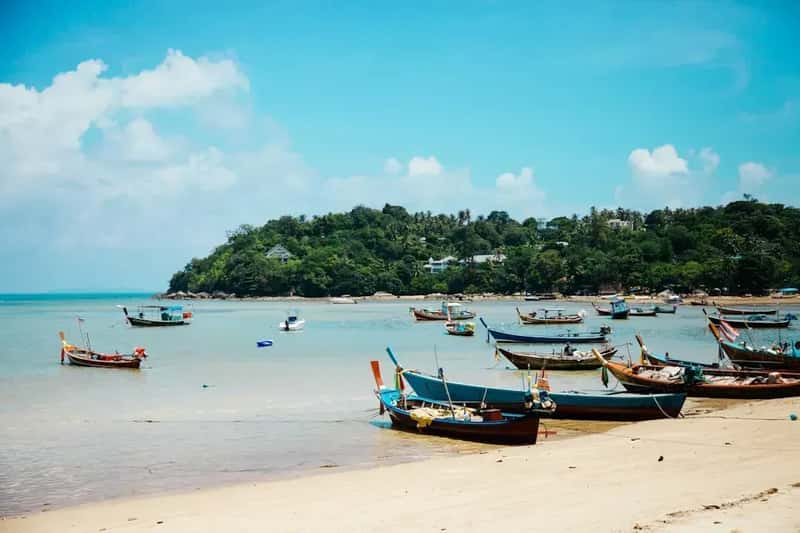
This Thai island paradise has a dirty secret. Koh Samui is only 95 square miles and holds a monstrous 200,000 tons of waste in its landfill, quite literally smelling like a looming disaster. The numbers tell an uncomfortable story. The destination has already returned to pre-pandemic tourism levels – 3.4 million tourists arrived last year, and numbers are expected to increase 10-20% for 2024.
Here’s what makes it worse: With the new season premiere of HBO’s popular series The White Lotus looming, some wonder just how much these numbers will balloon in the next few years. Local residents are bracing themselves for an even bigger onslaught. When your tropical paradise literally smells like garbage and water treatment safety is questionable, maybe it’s time to explore Thailand’s many other coastal gems.
Barcelona, Spain
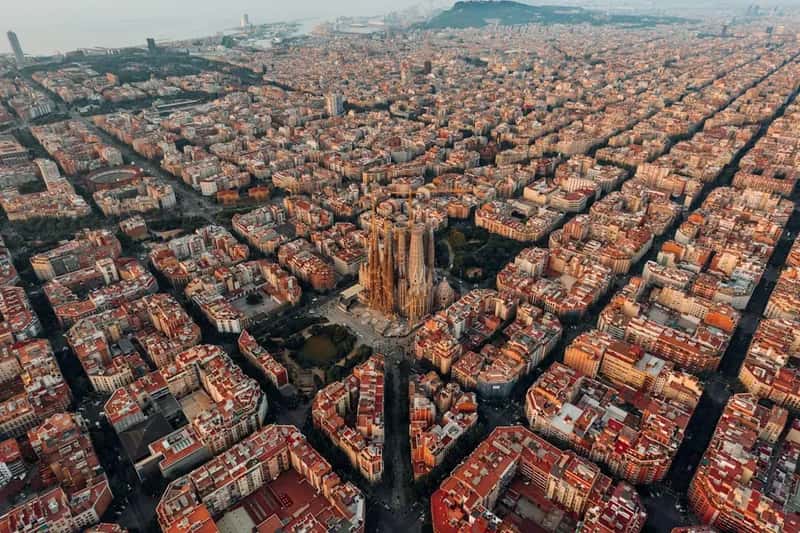
Remember those images of locals spraying water guns at tourists in summer 2024? That wasn’t just a random protest. Tourism levels in Barcelona have contributed to high housing prices and costs of living, with thousands of locals holding protests against tourism on several occasions this year. Some demonstrators this summer even shot water guns at tourists.
In October, Barcelona closed its northern port terminal to cruise traffic following an agreement with local authorities to shift ships farther out of town, a move that will affect about 340 annual cruise dockings. Starting on April 1, 2024, tourists will have to pay a higher city surcharge of 3.25 euros. The city was among the first in Europe to ban new hotels in the center and restrict short-term rentals, but these measures haven’t solved the fundamental tension between residents and visitors. Sometimes you have to ask yourself: is it worth it when locals actively don’t want you there?
Tokyo and Kyoto, Japan
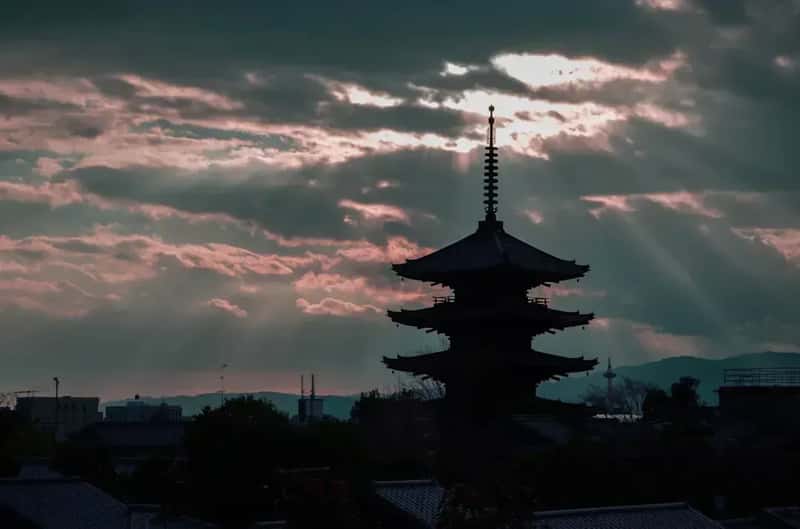
Japan’s popularity has become its own worst enemy. One of the most fascinating cities in the world has seen its currency drop significantly, triggering travelers worldwide to book trips to stretch their wallets. Unfortunately, the cheapness factor has also triggered crowds at sensitive sights like Kamakura. Mount Fuji now has visitor limitations in certain areas because the situation got out of hand.
Meanwhile, Kyoto implemented something drastic. Earlier this year the Gion local council voted to block off many of the side streets and alleys to try and cut back the flow of geisha paparazzi. When a city has to physically block tourists from chasing geishas down narrow streets for photos, you know the situation has deteriorated beyond repair. Local guides now recommend Osaka as a better alternative where you can still experience authentic Japanese culture without contributing to the problem.
Fisherman’s Wharf, San Francisco
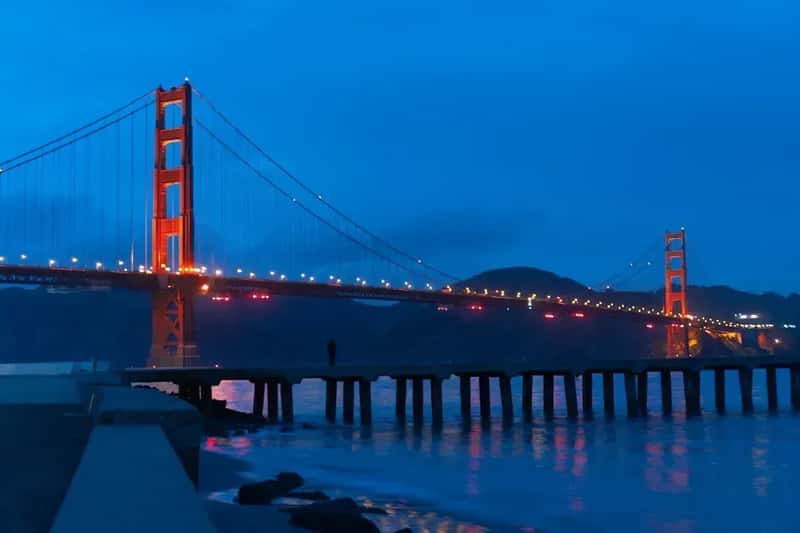
Casago’s study identified Fisherman’s Wharf in San Francisco as the biggest tourist trap in the United States – and the world. Let that sink in. The entire world, and this California waterfront took the dubious honor.
It is the biggest tourist attraction in San Francisco. It is filled with t-shirt vendors, souvenir shops, and plenty of other establishments where tourists can spend or waste their money. Even San Francisco travel agents admit it’s best to visit quickly if you need to catch a ferry to Alcatraz, then immediately move on to Ghirardelli Square where more authentic local businesses operate. If you are looking for an authentic San Francisco experience, most locals will tell you that Fisherman’s Wharf is not where you’re going to find it.
Machu Picchu, Peru
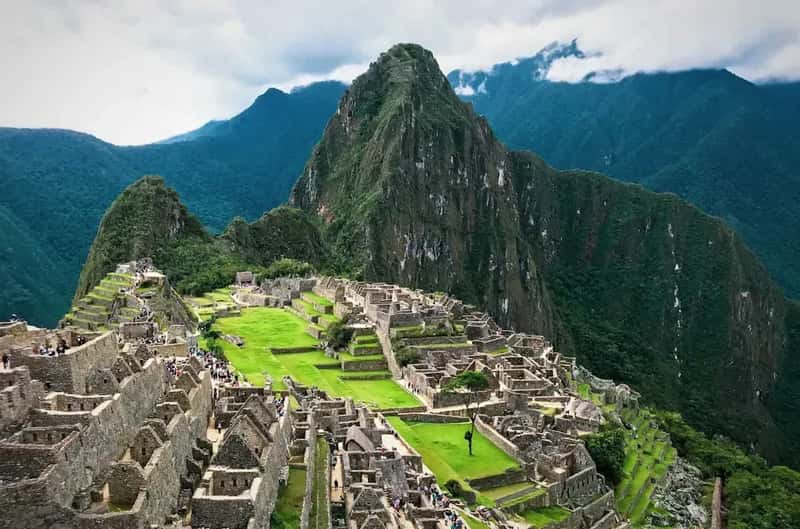
The number of tourists visiting Machu Picchu has jumped from less than 400,000 tourists a year to over 1.4 million visitors in just 20 years, and this ancient Incan site isn’t built to handle it. UNESCO actually threatened to put it on the endangered heritage list in 2016 because of littering, eroding pathways, and visitors climbing all over ancient ruins.
Peru responded with conservation efforts and visitor caps. They’ve limited tickets to 5,600 per day in the high season, although that’s still more than double the number suggested by UNESCO. Now all visitors must enter in staggered time periods with approved guides on specific trails. Local guides increasingly recommend Choquequirao instead, Machu Picchu’s lesser-known sister site that requires a demanding two-day hike but rewards you with virtually no crowds and equally impressive ruins. Get there before the planned cable car ruins it too.
Santorini, Greece
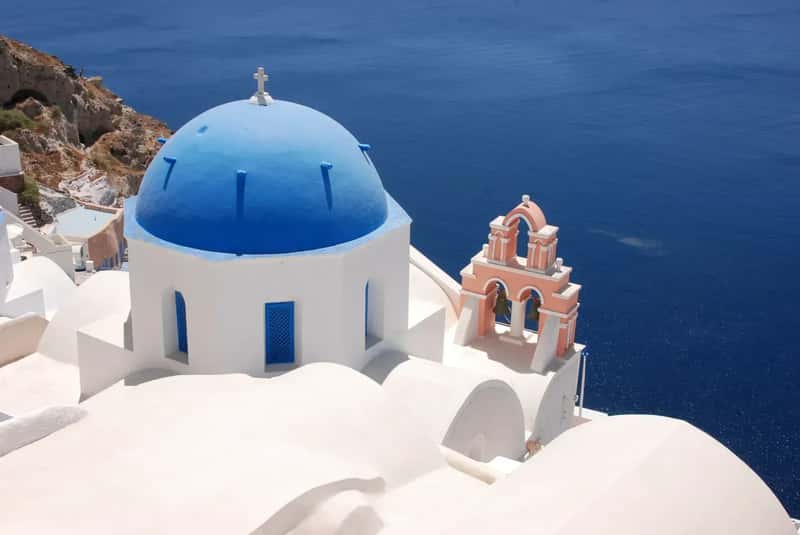
Those iconic blue domes and whitewashed buildings you’ve seen all over Instagram? They come at a cost. In 2023, the island was visited by 3.4 million tourists and 800 cruise ships. That’s an alarming number considering there are only around 15,000 residents on the island. Do the math. That’s roughly 225 tourists for every single resident.
The island is famed for its gorgeous sunsets, whitewashed buildings and iconic blue domes, but sunset is now like rush hour. Santorini’s streets are typically packed with thousands of people waiting to capture the scene on their smartphones. Local guides describe the famous sunset viewing spots as resembling a packed subway platform at rush hour. The magic evaporates when you’re elbowing strangers for a photo opportunity. Greece has plenty of stunning islands that haven’t been overrun yet. Consider exploring lesser-known alternatives in the Cyclades.
Conclusion
The pattern emerging from these eight destinations is impossible to ignore. When tourism numbers spiral out of control, everyone loses. Locals get priced out of their own cities, authentic culture gets replaced by souvenir shops, and visitors end up with disappointing experiences that feel more like theme parks than genuine travel.
Here’s what’s encouraging though: awareness is growing. More travelers are choosing to visit during off-seasons, seek out alternative destinations, and spend money on local businesses rather than international chains. Small choices really do add up.
The good news? The world is vast and filled with incredible places that welcome visitors without being overwhelmed by them. Sometimes the best travel experiences come from the roads less traveled. What do you think: would you still visit these iconic spots knowing the reality behind the postcard images, or are you ready to explore somewhere new?