Something strange is happening in Florida’s housing market. While much of the country is seeing home prices stabilize or even inch upward, one coastal city is quietly becoming a cautionary tale. If you own property there or have been thinking about buying, what comes next might surprise you.
The sunshine state has long been a magnet for buyers chasing waterfront living and tax-friendly policies. Yet beneath the palm trees and endless canals, some markets are cracking under pressure. One city in particular stands out in the data, and the forecasts through 2027 paint a sobering picture.
Cape Coral Tops the List for Forecasted Decline
According to Zillow, the median home value for the Cape Coral-Fort Myers metro area declined by 10% over the past year (as of Oct. 2025). That figure alone signals trouble, yet it barely scratches the surface. According to the most recent data from Bankrate, the median home sale price in January 2025 dropped to $365,000, which is 11.2% lower than the same month in the previous year.
The real shock comes from industry forecasts looking ahead. The Miami Association of REALTORS’ 2025-27 Southeast Florida Housing Outlook noted that Realtor.com projected Cape Coral with a decline of 10.2% for 2026, the largest decline on that list. When you combine recent drops with forward-looking projections, Cape Coral emerges as the Florida city most consistently flagged for continued downside risk through 2027. No other major Florida metro shows that combination of steep recent losses and equally grim near-term forecasts.
Why Cape Coral Is Struggling
Cape Coral’s troubles didn’t appear overnight. Home values in Cape Coral soared by more than 60% from 2020 to 2022, creating an unsustainable price level that’s now correcting. The pandemic housing boom pushed prices to dizzying heights, attracting remote workers and out-of-state buyers in droves. Then reality set in.
Selma Hepp, Chief Economist at Cotality, identified that Cape Coral’s -6.5% year-over-year price decline in April 2025 stands out against the national growth of 2.0%. Higher mortgage rates have pushed would-be buyers to the sidelines, shrinking the pool of active shoppers. Outmigration and investor pullback followed, as many pandemic-era remote workers and investors who flocked to Cape Coral have since left or sold off properties.
The Insurance Crisis Hitting Hard
Florida’s insurance mess has become a defining issue for homeowners, especially along the coast. In Florida, higher mortgage rates, rising insurance costs, property taxes and elevated home prices dampened housing demand during the 2025 survey period. Cape Coral homeowners are feeling this acutely.
According to the Insurance Information Institute, the average Florida homeowners insurance premium in 2025 has soared to over $6,000 annually, compared to about $4,200 just a year ago. That’s nearly triple the national average. In certain coastal zones, monthly insurance bills now rival a car payment. In high-risk coastal areas like Miami-Dade and Collier counties, insurance can now represent up to 15–20% of the total monthly housing expense. When insurance eats that much of your budget, buyers walk away or look elsewhere.
Inventory Surges and Buyer Demand Craters

Cape Coral’s inventory has exploded. Inventory levels in Cape Coral stood at 3,773 homes for sale in January 2025, marking a 25.3% increase from the same time in 2024 when there were only 3,012 homes available for purchase. That surge in supply means sellers are competing fiercely, and homes sit longer on the market.
In January 2025, the months of supply for homes in Cape Coral stood at 12.3 months, which is a 24.2% increase from the 9.9 months in January 2024. Anything above six months signals a buyer’s market, and Cape Coral is now sitting at roughly double that threshold. Higher mortgage rates have pushed many would-be buyers to the sidelines, shrinking the local pool of active shoppers. Without fresh demand, the inventory glut pressures prices downward.
Hurricane Ian’s Lingering Damage
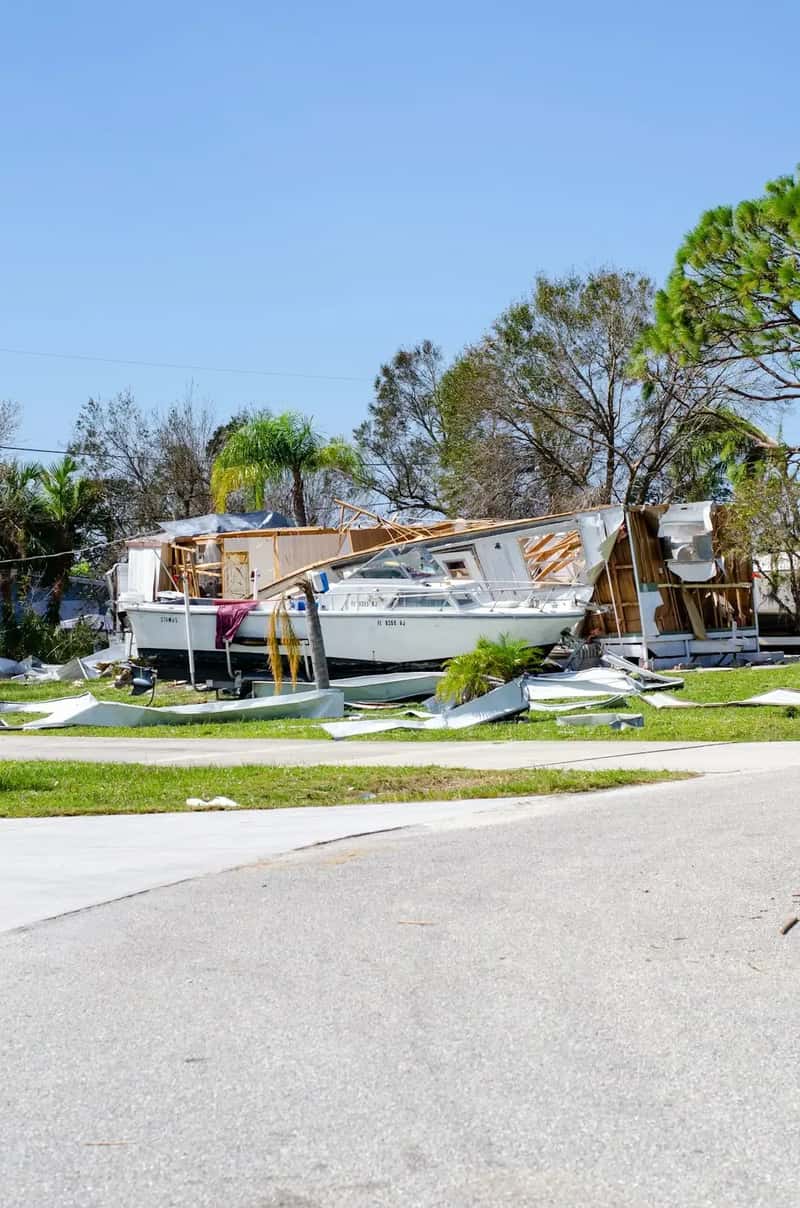
Hurricane Ian, which slammed Southwest Florida in September 2022, left scars that haven’t fully healed. The storm flooded thousands of homes in Cape Coral, leading to a surge in inventory as damaged properties hit the market. This oversupply, combined with rising insurance costs and economic uncertainty, initiated the market’s decline.
Many buyers are now more cautious about flood risk and structural integrity. In 2024, waterfront properties remained resilient, but in 2025, market data shows average days on market for coastal homes have doubled – a clear sign of buyer hesitation. Ian didn’t just damage homes; it damaged confidence. That psychological shift is still rippling through buyer behavior today, and it’s contributing to Cape Coral’s extended price slide.
Underwater Mortgages and Negative Equity Rising
One of the most alarming signs for Cape Coral is the spike in homeowners who owe more than their properties are worth. In Cape Coral, Florida, where prices have dropped 15 percent from their peak, 11 percent of all mortgages are now underwater, including over one-third of those issued in 2023 and 2024. That’s a staggering share, and it places Cape Coral among the worst markets in the country for negative equity.
Cape Coral, Florida, tops the list with 7.8% of homes underwater, followed by Lakeland (4.4%), San Antonio (4.3%), Austin (4.2%), and North Port (3.8%), according to Intercontinental Exchange. Buyers who purchased near the 2022 peak are now trapped, unable to sell without taking a loss. Home prices continued to be the major driver of equity shifts and markets with declining prices generally saw fallen equity in 2024. In particular, several Florida markets – such as Cape Coral, Sarasota, Lakeland and Tampa – have experienced weakening prices over the past year.
Migration Reversals and Demand Softening
During the pandemic, people flooded into Florida from expensive northern states. That wave is receding. Domestic in-migration to Florida has cooled since its post-pandemic peak in 2022, but it remains stronger than pre-pandemic levels. Still, for Cape Coral specifically, the pull isn’t as strong as it once was.
In Oct ’25 – Dec ’25, 43% of Cape Coral homebuyers searched to move out of Cape Coral, while 57% looked to stay within the metropolitan area. That’s a red flag. Nearly half the people searching in Cape Coral are already looking to leave. When local residents start hunting for exits rather than upgrades, it suggests the area’s appeal has dimmed. Buyers are realizing that Cape Coral’s affordability comes with hidden costs like insurance, flood risk, and slower resale potential.
Slower Sales and Longer Time on Market
Cape Coral homes aren’t just cheaper – they’re sitting unsold longer. In December 2025, Cape Coral home prices were down 3.9% compared to last year, selling for a median price of $365K. On average, homes in Cape Coral sell after 67 days on the market compared to 79 days last year. That’s still a sluggish pace by pre-pandemic standards.
According to Redfin the normal transaction time has dramatically increased. Homes remain available for 76 days on average compared to 59 days from last year. Longer days on market often force sellers to cut prices just to attract interest. Over 52% of Cape Coral homes for sale – especially waterfront properties – have seen price reductions in the last 90 days. Some sellers are slashing $20K to $75K off original listing prices just to stay competitive in a sea of similar homes. That’s not a healthy market; that’s desperation selling.
New Construction Competition Pressuring Existing Homes
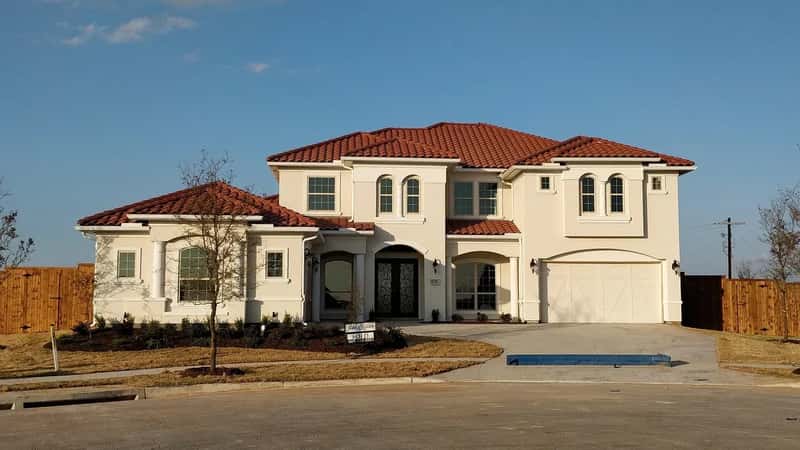
Cape Coral still has significant new construction activity, which is adding to the supply pressure. Markets that have seen some price softening tend to be those where existing homes face competition from sizable new construction. When builders are still churning out homes, older properties have to compete on price, especially if they lack modern finishes or hurricane upgrades.
Cape Coral’s inventory surged to 7,234 homes for sale in December 2024 and 15,425 in January 2025, representing a 12.3-month supply. Much of that inventory includes new builds, which appeal more to cautious buyers who want move-in-ready homes with current flood standards. Existing homeowners trying to sell older stock are caught in a squeeze, often forced to lower asking prices just to compete.
What Happens Next Through 2027
Forecasts for Cape Coral through 2027 remain mixed, though long-range predictions vary. Zillow recently predicted that the median home price for the Cape Coral-Fort Myers metro area would drop by about 1% over the next year. That’s a much slower rate of depreciation compared to the 10% decline over the past 12 months. This indicates that they expect the current price decline to ease over the next year. Still, a further 1% decline, even modest, means Cape Coral continues losing ground while other markets stabilize or grow.
The broader 2025-27 Southeast Florida Housing Outlook includes assumptions about mortgage rates stabilizing and some recovery emerging in parts of Southeast Florida by 2027. Yet Cape Coral’s unique combination of oversupply, insurance pressures, and negative equity exposure means its recovery could lag behind other metros. If mortgage rates remain elevated or another hurricane hits the region, the downside risk extends further. The bottom line is this: Cape Coral faces continued headwinds through 2027, and no other major Florida city shows a similarly steep recent drop combined with equally bearish near-term forecasts.