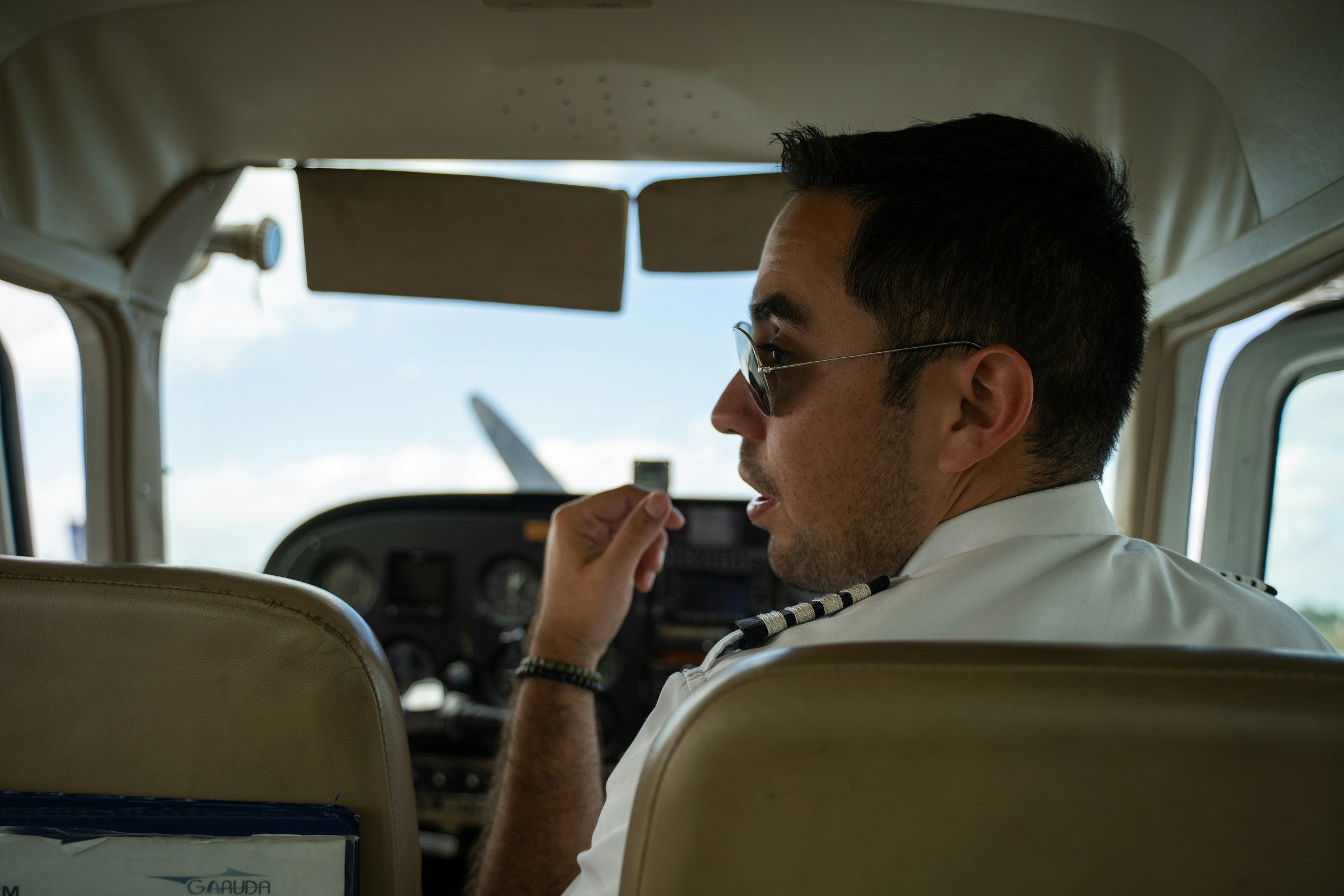
A long haul airliner can land, turn around and head out again within a couple of hours. The aircraft doesn’t care what time zone it’s in, but the people flying it very much do. For crews who cross many time zones in a single week, jet lag isn’t an occasional annoyance. It’s part of the job.
No pilot has found a way to switch it off completely. What they have is a set of habits, some backed by sleep science and some passed along in crew rooms. Here are nine of the most common ones.
Planning Around the Direction of Travel
Pilots know that not every route hits the same. Crossing several time zones disrupts the internal body clock, and the effect is much stronger when travelling east than west[1]. Studies show that body clocks run a little longer than 24 hours[1], so a longer day suits us better than a shorter one.
Heading west stretches the day, which is generally easier to adapt to, while heading east shortens it and forces earlier sleeping and waking[1]. One physician’s guide estimates the clock shifts by about one hour a day after eastward flights and about an hour and a half after westward ones. By that math, a nine hour eastward jump can take more than a week to resolve without any intervention[2]. Knowing this up front helps crews set realistic expectations for the days after a trip.
Staying on Home Time for Short Layovers
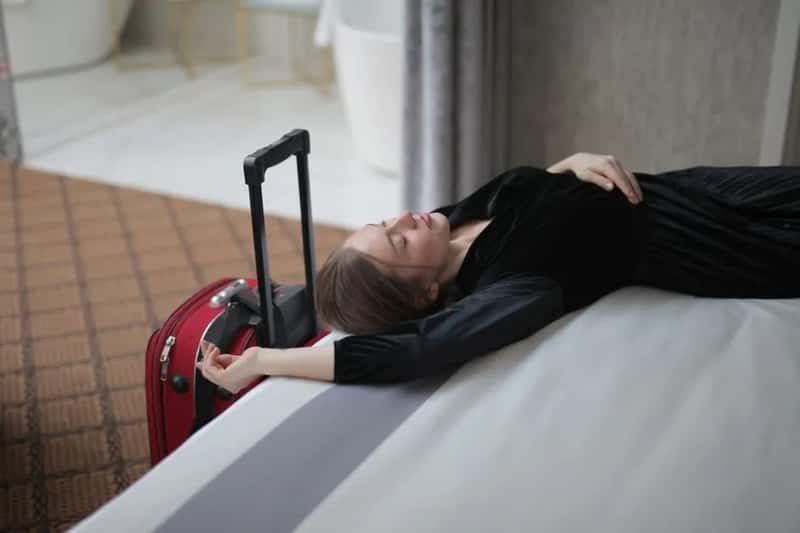
Sometimes the smartest move is not adapting at all. If a stop is only a single night, most crews stay on their regular timezone clock to limit jet lag[3]. Shifting the body clock only to shift it straight back would just add another round of disruption.
Public health guidance says the same thing. For trips of less than two days, the advice is to skip adapting to the new time zone and keep sleep, activity and eating on your home schedule[4]. That can mean eating dinner at odd hours and sleeping behind blackout curtains at noon. It looks strange, but it works.
Shifting Sleep Before the Trip

Many pilots start managing jet lag well before they board. They typically begin the process before they ever step on the plane[5]. Some gradually move their sleep schedule toward the destination’s time zone, going to bed earlier or later in the days leading up to a flight[5].
A physician’s guide suggests that two to three days of pre-trip schedule shifting, combined with timed light exposure, melatonin and local meal times, is the most effective approach[2]. The same source cautions that on trips crossing six or more time zones, you can probably reduce jet lag but not eliminate it. Pilots rarely have the luxury of a perfect preparation window, so they do what their rosters allow.
Sleeping in the Crew Bunk
On long international flights, crews are augmented, which means extra pilots are on board so everyone can rest. Grabbing a few hours of sleep en route significantly reduces the harm of fatigue[6]. One captain describes how, on a three pilot trip, each of them manages a solid nap of about two hours in the flight deck bunk[1].
Timing matters too. At many airlines the pilots at the controls for landing are required to take the later breaks, so the augmenting pilot takes the first break shortly after takeoff[6]. Falling asleep is also easier when the nap lands in the body’s natural low point. That window is usually between 2 and 6 am[6].
Using Controlled Rest in the Seat
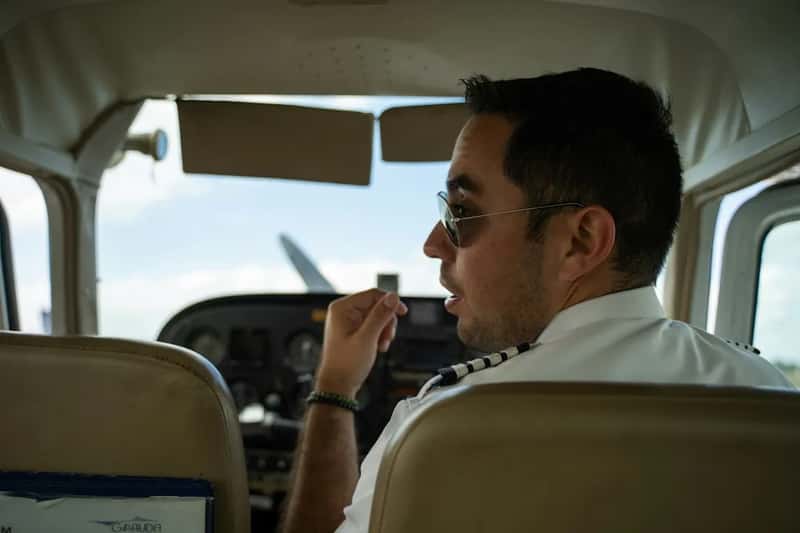
When there’s no relief pilot, some airlines allow a short, planned nap at the controls while the other pilot stays alert. The evidence comes largely from NASA. In a study of 21 pilots randomly assigned to a rest group or a no rest group, the rest group got a planned 40 minute rest during cruise[7].
The results were clear. Crews without a nap opportunity were twice as likely to have a microsleep during critical phases such as descent and landing[8]. Rules differ by country, though. Regulators in Europe, Canada, Australia, New Zealand, China and Israel permit these procedures[9], while the FAA doesn’t allow controlled cockpit napping in standard two pilot operations[9]. Even supporters note that naps don’t eliminate fatigue but can reduce the drop in alertness on long flights[10].
Timing Light Exposure Carefully

Light is the strongest signal the body clock responds to. Natural light in particular has the biggest influence on circadian rhythm[11]. Pilots who follow the science treat sunlight like a tool, used at certain hours and avoided at others.
The catch is that bad timing backfires. Light exposure at the wrong time of day can further desynchronize your circadian rhythm and make jet lag worse[11]. Avoiding light doesn’t require total darkness either. It can mean dimming indoor lights, skipping electronic devices or wearing sunglasses[11].
Taking Melatonin Sparingly and at the Right Time

Melatonin is a hormone the brain releases at night, and some crews use a supplement version to help shift their clocks. One jet lag service points out that it isn’t a sleeping pill and won’t help with sleep once your jet lag is gone[12]. Timing decides whether it helps at all.
Dose matters as well. The same source recommends a low dose, fast release preparation of 1 to 3 mg, since slow release forms and higher doses may stay in the system too long[12]. There’s a quality issue too. In the US it’s sold as a food supplement, so quality can vary a lot between products[12]. Anyone with medical conditions or other medications should check with a doctor first, and aviation medical rules apply to pilots.
Using Caffeine Strategically

Coffee is a daytime tool, not a cure. In the Walter Reed Army Institute of Research jet lag tips reproduced in the CDC Yellow Book, an example itinerary suggests 200 mg of caffeine every four hours during destination daylight as needed, stopping six hours before bedtime[4]. That’s guidance for staying alert, not for shifting the body clock.
One physician’s summary of the CDC position is that little evidence shows caffeine reduces overall feelings of jet lag[2]. The same guide recommends using it in the morning and early afternoon, with a cutoff around 2 PM local time so nighttime sleep isn’t affected[2]. Pilots who fly at night tend to time their last cup by the clock rather than by habit.
Staying Hydrated and Moving
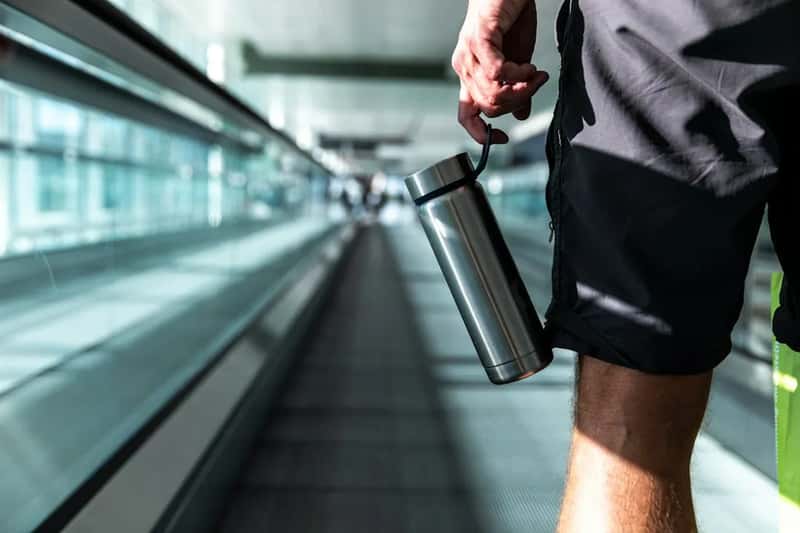
Cabin air is dry, and pilots treat water as basic equipment. One pilot writes that staying hydrated helps you stay awake when you want, sleep when you need and feel better on landing[13]. Another source notes that dehydration can worsen jet lag symptoms, according to Harvard Health[3].
Timing counts here too. Drinking should be spaced so it doesn’t wake you when you could be sleeping[13]. Crews also lean on movement. One captain lists aligning with local time, tactical napping and staying active[1] among his main strategies, and a short walk after landing is a common way to get daylight and stay awake until local bedtime.