A pineapple can appear golden and fragrant at the market yet turn out bland or fibrous once cut open. Shoppers often focus on the outer color or tug at the leaves, but those steps fall short according to guidance from agricultural extensions and postharvest experts. The reliable approach centers on a few sensory checks that work together, starting with a quick sniff at the base. ([1])
Start With the Scent at the Base
Lift the fruit and inhale near the bottom. A ripe pineapple gives off a sweet, fruity aroma that signals the sugars have developed properly inside. Extensions from Ohio State and Minnesota describe this as a delicate or fruity note rather than anything grassy or neutral.
A faint smell suggests the fruit was picked too early. Fermented or sour notes point to overripeness or spoilage, so those pineapples belong back on the shelf. This single step often reveals more than a glance at the rind.
Watch for Yellow From the Bottom Up
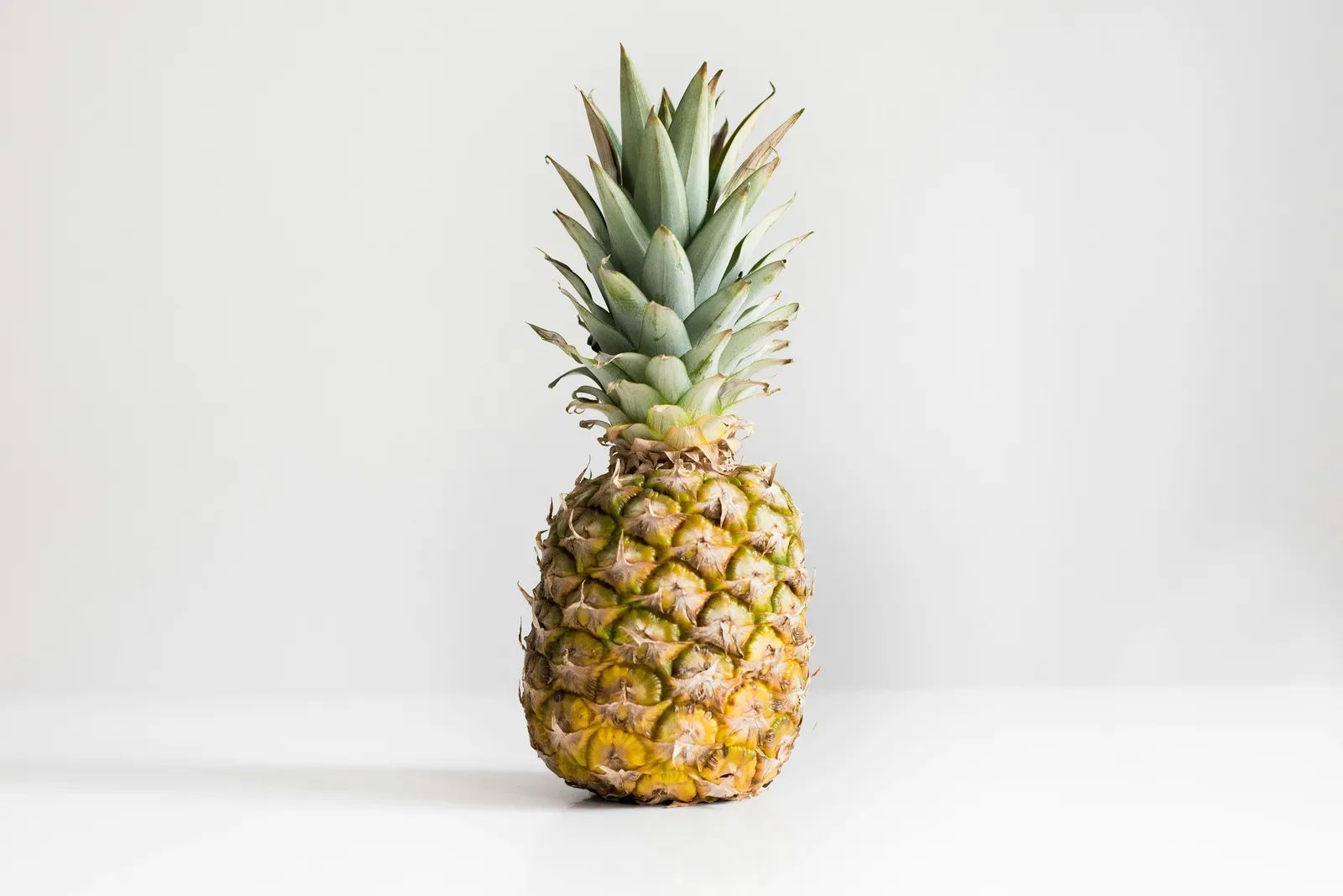
Color offers a supporting clue when it shows bright yellow progressing from the base. University specialists note that the shell shifts from green to yellow as the fruit matures, though high color alone does not guarantee sweetness. Ethylene treatments used in shipping can alter the rind without improving the interior.
Avoid dull or tired-looking shells that appear washed out. Flat eyes on the surface can also indicate maturity, while very green fruit rarely improves once it leaves the plant. Combine the color check with smell rather than relying on it in isolation.
Assess Weight and Gentle Give
Hold the pineapple and notice whether it feels heavy for its size. Heavier fruit tends to contain more juice and developed flesh. A slight spring when pressed gently at the base further confirms readiness without softness or bruising.
Steer clear of specimens with dark spots, mold near the cut stem, or any mushy areas. These physical traits align with advice from multiple university sources that emphasize firmness paired with a modest yield under light pressure.
Leave the Leaf-Pull Test Behind
Many shoppers tug at a crown leaf to test ripeness, yet no major extension service lists this as a valid indicator. The ease of pulling a leaf does not correlate with internal sweetness or maturity. Fresh, dark green leaves on the crown remain a better sign of overall quality.
Dry or brown crown leaves suggest the fruit has sat too long. Skip the tug and simply inspect the top for crisp, vibrant foliage instead.
What Happens After Purchase
Pineapples are non-climacteric, meaning they do not continue ripening once picked in the way avocados or bananas do. Sugar levels may shift slightly during storage, but a green, scentless fruit will not transform into a sweet one on the counter. Buy only what meets the checks at the store.
Whole pineapples keep three to five days in the refrigerator when placed in a plastic bag. Cut pieces should go into an airtight container and be eaten within a few days for best flavor, though they can last up to a week when stored properly. Any excess works well in smoothies or cooked dishes where other ingredients balance milder taste.
These steps together give the best chance of bringing home a pineapple that delivers on flavor without disappointment.