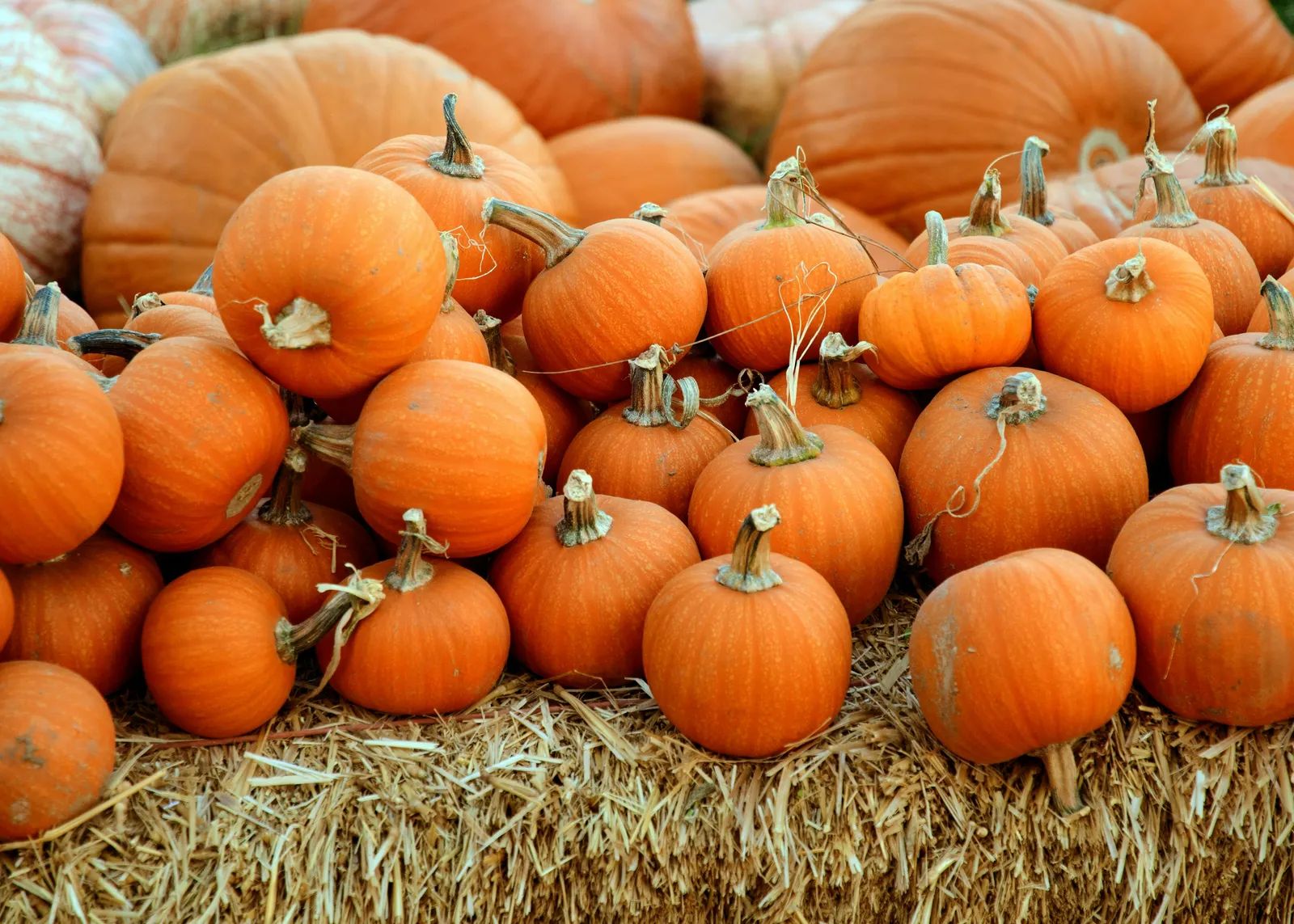
Many people head to the pumpkin patch and grab the largest, roundest specimen they can find, only to watch it soften at the base within days. That early rot often traces back to a few overlooked details during selection. The good news is that a handful of simple checks can steer buyers toward pumpkins that hold up for carving displays or kitchen use. ([1])
The Weight and Stem Test Reveal Quality Fast
A solid pumpkin feels heavier than its size suggests. That extra heft usually signals thicker walls and denser flesh, which hold up better once the fruit leaves the patch. Shoppers who lift several options side by side quickly notice the difference between a dense specimen and a lighter one.
The stem offers another reliable clue. A firm, intact stem of one or two inches points to a recently harvested pumpkin, while a shriveled or rubbery one often means the fruit has sat too long. Never lift a pumpkin by the stem itself, because a snap creates an easy entry point for rot. Support the base instead.
Carving Pumpkins and Cooking Pumpkins Serve Separate Roles
Field pumpkins grown for jack-o’-lanterns tend to be larger and contain more water and stringy fibers. Those traits make them ideal for carving but less appealing for baking or roasting. Pie pumpkins, by contrast, stay smaller and deliver smoother, sweeter flesh that works well in recipes.
Many cooks discover this distinction the hard way after roasting leftovers from a carved pumpkin. The result can turn watery and bland compared with a dedicated pie variety. When both carving and cooking are planned, buying two different pumpkins avoids disappointment on either front.
Storage Steps That Extend Freshness
Whole pumpkins keep for weeks or months when stored in a cool, dark, ventilated spot away from ripening fruit. A single layer off the floor allows air to circulate and reduces the chance of hidden soft spots developing. Gentle cleaning with water and a brush is usually enough before storage.
Once carved, the timeline shortens dramatically. Thorough scraping, a light disinfectant wipe, and a thin coat of petroleum jelly on cut surfaces can slow decay. Battery-powered lights replace candles for safety, and temperatures around 50 to 60 degrees Fahrenheit help the most. Freezing cooked puree offers the safest route for preserving kitchen leftovers rather than attempting to can it at home.
Key checks before purchase: firm stem, heavy feel, hard rind that resists a fingernail, and no soft spots or cracks on the bottom.
Selecting with these points in mind turns a quick patch visit into a reliable start for both porch displays and fall meals. The right choice at the outset saves time and waste later in the season.