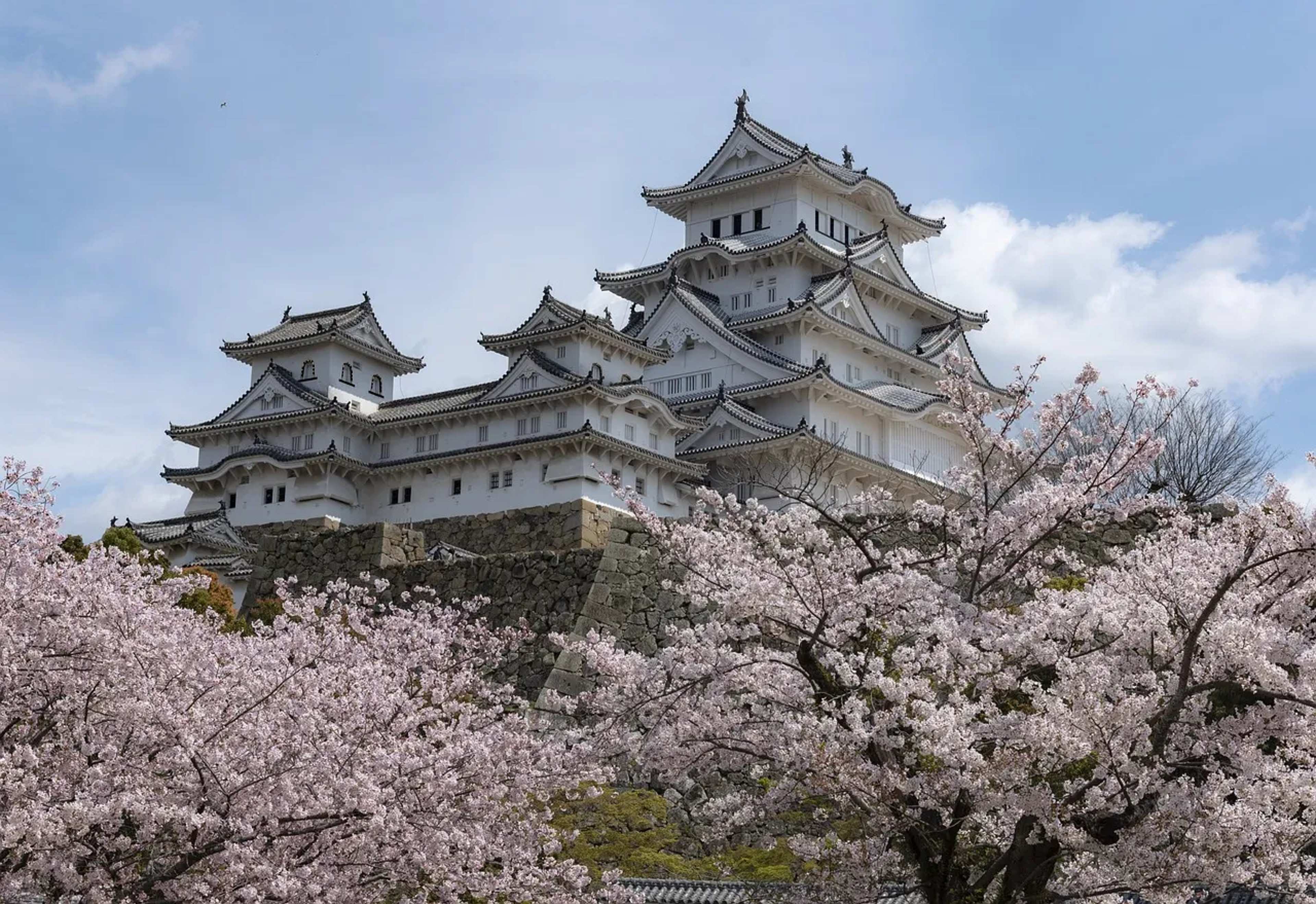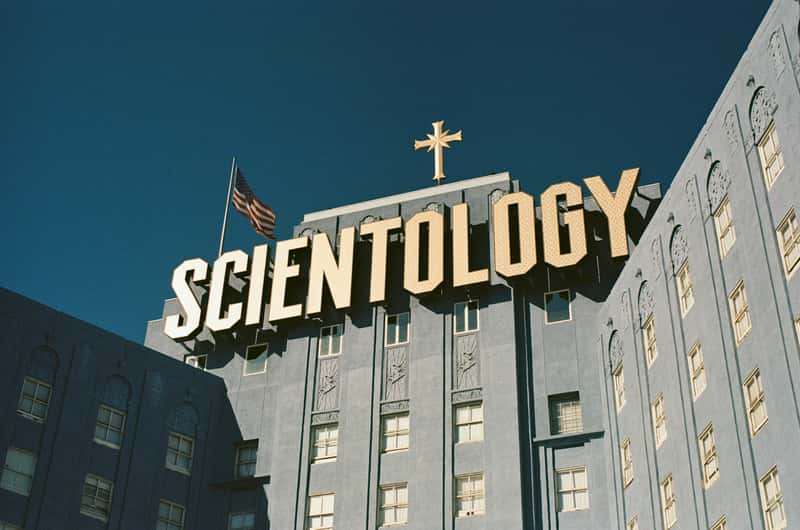
Walk into a centuries-old church in Stockholm or Prague on a Sunday morning and you might find more tourists than worshippers. That scene, repeated across a surprising number of countries, reflects one of the more understated shifts of the last century: a slow, steady drift away from organized religion that has reshaped politics, culture, and daily life in ways most people rarely stop to notice.
This isn’t a story about a single cause or a sudden event. It’s a patchwork of history, politics, and personal choice that looks different in Stockholm than it does in Seoul or Shanghai. Here’s a closer look at eight nations where religion has faded furthest into the background, and the distinct reasons behind each one.
Sweden: When Culture Replaced Belief
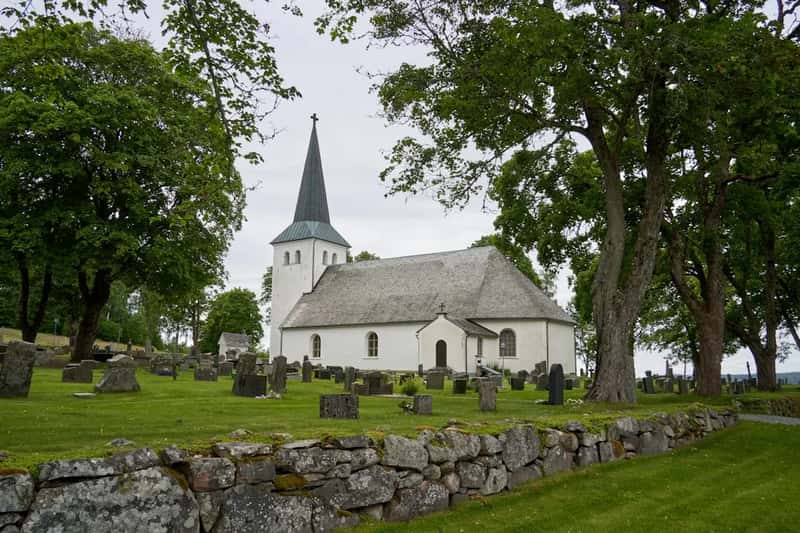
Sweden is frequently named the most secular country on earth, and the data backs that reputation up. A 2023 Gallup International survey found that Sweden was the country with the highest percentage of citizens that stated they do not believe in a god. Yet the relationship between Swedes and the Church of Sweden is more layered than a simple rejection of faith.
Many Swedes still technically belong to the Lutheran Church, even as personal belief has all but vanished. As one report put it, less than one in five Swedes claim to be religious, and although 58% of Swedes declare themselves members of the Church of Sweden, only 19% of the 58% claim to be religious. Weekly church attendance tells a similar story, with one historical comparison noting that in 2000, 42 percent of Americans attended church weekly, while in Sweden that figure reached barely 5 percent. Interestingly, some observers now suggest the decline has plateaued and even reversed slightly among younger Swedes, complicating the old assumption that secularization only moves in one direction.
The Czech Republic: A Legacy of Religious Suspicion
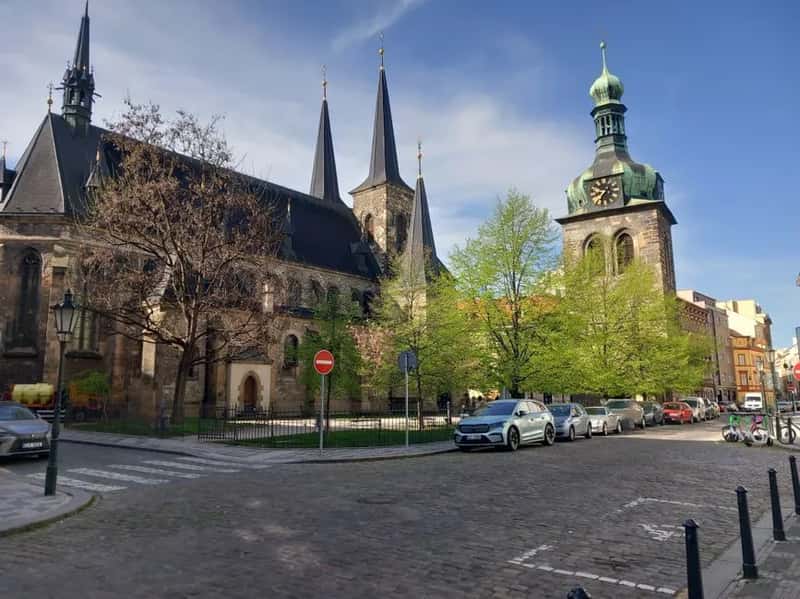
If Sweden secularized through comfort and modernity, the Czech Republic got there through centuries of friction with religious authority. Pew Research has documented that the Czech Republic is one of the most secular countries in Europe, with nearly three-quarters of adults (72%) describing their religion as atheist, agnostic or “nothing in particular.” That’s a strikingly high figure, even among neighboring post-communist states.
Historians trace part of this to events that predate communism by five centuries. Researchers point to a pattern of Czech distaste for the pressures emanating from religious and secular authorities, going back as far as 1415, when followers of Jan Hus separated from the Roman Catholic Church after Hus was burned at the stake for heresy. Decades of Habsburg rule, followed by an officially atheist communist government, only deepened that skepticism. Today belief in God itself is rare, with surveys showing the Czech Republic and Estonia are the two biggest exceptions to regional patterns, with fewer than half saying they believe in God.
Estonia: Soviet Rule Left an Empty Pew
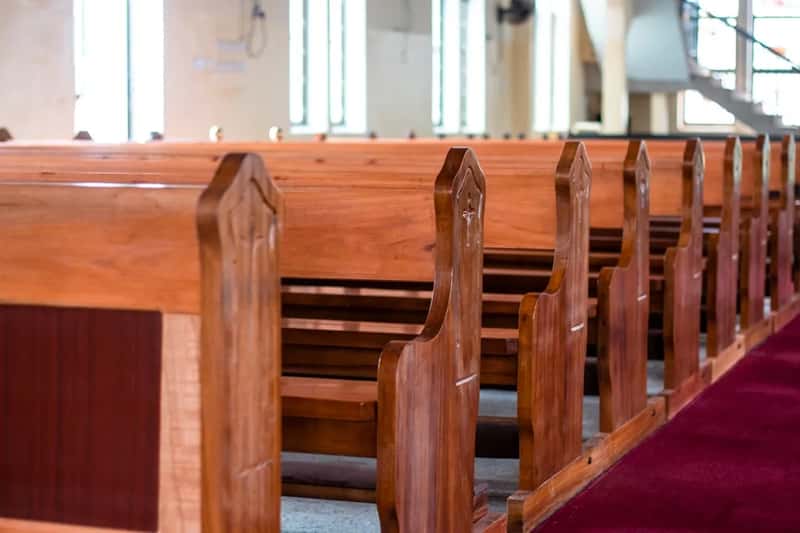
Estonia’s secularism shares some roots with the Czech experience but comes from a more directly Soviet source. Decades of state-enforced atheism under Soviet occupation stripped away religious institutions and left little behind once independence returned in 1991. As one analysis notes, Estonia is one of the least religious nations globally, with widespread secularization mainly due to the historical significance of Soviet domination, which made Estonians nonreligious or atheist, and religious practices have no significant impact on politics or daily life today.
What makes Estonia notable is that the trend hasn’t reversed with time, it has actually deepened. Pew Research found that between 2010 and 2020, the religiously unaffiliated grew to represent 44% of the country’s population, up 12 points in just a decade. Unlike some Eastern European neighbors that saw a modest religious revival after communism fell, Estonia kept drifting further from organized faith rather than back toward it.
China: Communism, Scale, and a Different Kind of Secularism
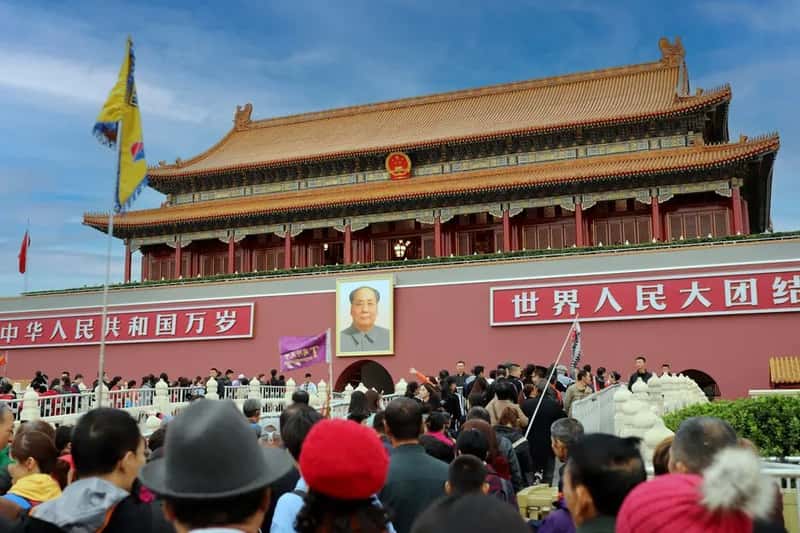
China’s secularism operates on a scale unmatched anywhere else, simply because of population size. Recent survey data found that China had only 16 percent of the adult population saying that they followed a religion, a figure unsurprising given that religious faith was marginalized under Communism. Other measures put the picture in even starker terms.
According to one dataset, China is home to more than 50% of religiously unaffiliated people in the world, and only 9% of the country considers itself religious, while 67% claims to be atheist, making China an undeniable leader in the global secular landscape. This isn’t simply personal disinterest, it’s the product of decades of government policy that treated religious institutions as a rival source of authority and actively discouraged formal affiliation. Traditional folk practices and ancestor veneration persist informally, but they rarely translate into identification with an organized religion in surveys.
Japan: Ritual Without Religion
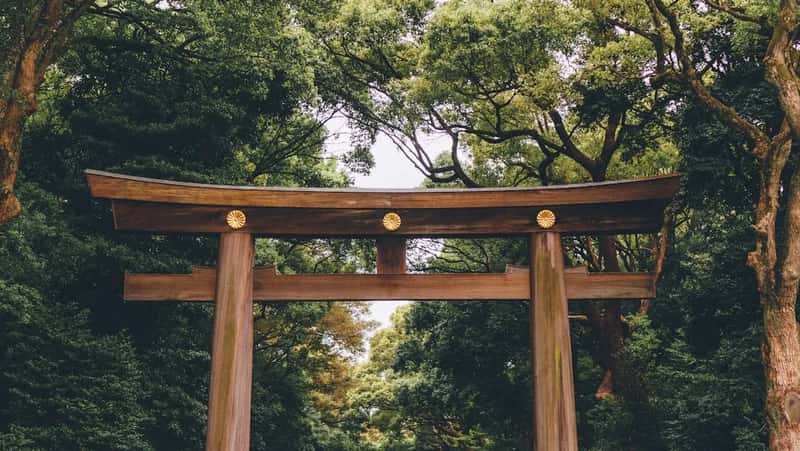
Japan presents one of the more counterintuitive cases on this list, because its irreligion coexists with constant, visible ritual. People visit Shinto shrines at New Year, hold Buddhist funeral rites, and still describe themselves as having no religion at all. As one overview describes it, Japanese citizens often participate in religious traditions but don’t necessarily consider themselves religious, since the mix of Shinto and Buddhist customs forms a cultural rather than spiritual identity, making it one of the least religious societies in the Asia Pacific region.
Survey figures back this up sharply. One dataset found that 62% of Japanese don’t hold to any religion at all, despite maintaining many cultural and spiritual traditions. The takeaway is that Japan’s secularism isn’t really about abandoning ritual, it’s about detaching ritual from personal belief, treating ceremony as heritage rather than theology.
The Netherlands: From Religious Majority to Secular Majority
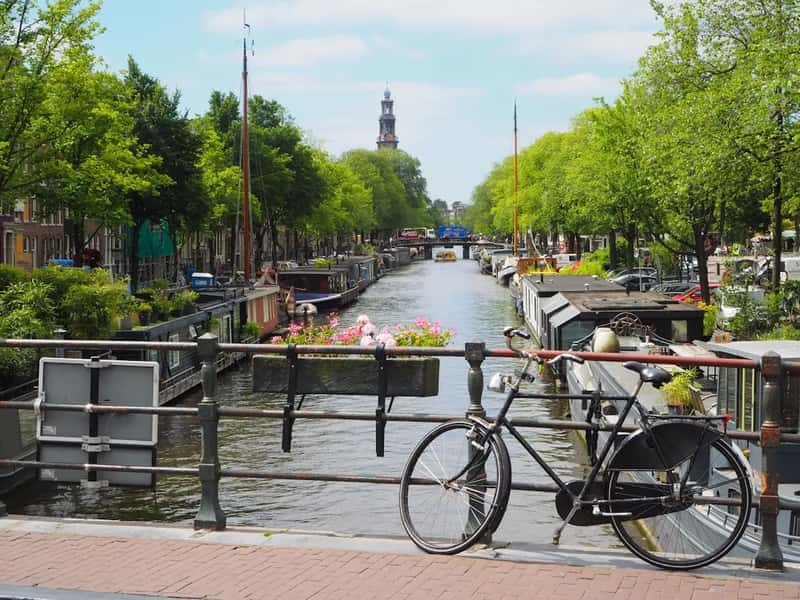
The Dutch shift is one of the clearest examples of how quickly a historically religious country can flip. Pew Research documented that the Netherlands recently crossed a threshold, noting that the Netherlands became the second unaffiliated-majority country in Europe, joining the Czech Republic. That’s a significant marker, since the Netherlands was long associated with a strong Protestant and Catholic pillar system that structured much of national life.
Independent research confirms the trend has been building for decades rather than appearing overnight. One study found that the nonreligious proportion has climbed from about half to a clear majority in recent decades in the country. Other survey data reinforces the point from a different angle, showing the Netherlands has 44 percent of adults following a religion, the fewest of any country surveyed in Europe. Falling church attendance, rising education levels, and a famously liberal social climate have all played a role in loosening religion’s grip on public life.
Norway: A Formal Break From the Church
Norway offers a rare case where secularization became official policy rather than just a cultural drift. In 2017, the country took a legal step that many others have avoided, as one summary explains: Norway officially separated from the church in 2017, a major milestone in its secular journey. That disestablishment ended the Church of Norway’s status as the formal state religion after centuries of union between crown and church.
Even so, plenty of Norwegians remain nominally connected to the institution without any real spiritual investment. As one account puts it, while many Norwegians remain nominal church members, religion no longer dictates public policy or societal norms. Regional survey data reflects this gap between formal membership and lived belief, with one poll finding just 55% of Norwegians identifying as religious. Norway shows that legal separation of church and state can lag behind, or sometimes simply formalize, a secular shift that has already happened in people’s daily lives.
South Korea: A Modern, Fast-Moving Shift
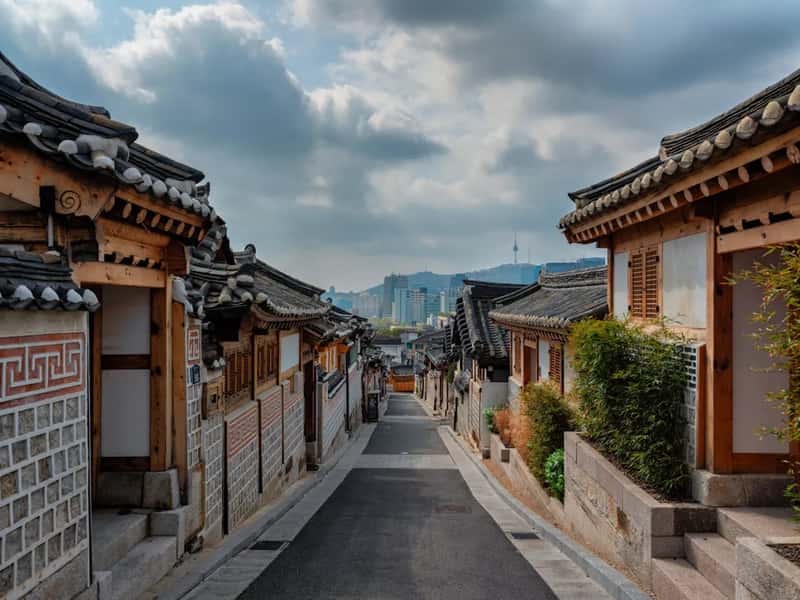
South Korea’s secularization stands out because it’s happening in real time, among a population that was heavily Christian and Buddhist just a generation ago. According to the most recent nationwide tracking survey, the 2025 religious population ratio shows twenty percent identifying as Protestant, sixteen percent as Buddhist, eleven percent as Catholic, and fifty-one percent with no religious affiliation. That’s a majority with no religious identity in a country long known for its large megachurches and active Buddhist temples.
The generational gap driving this change is stark. Recent data found that the percentage of those aged 18-29 and those in their 30s who claim no religion stands at 72% and 64%, respectively, a slight increase from the previous year, while older South Koreans remain far more likely to belong to a faith community. Researchers note this isn’t necessarily pure atheism either, since South Korea boasts one of the highest percentages of the population with no religious affiliation in the world, while religious nones in the country tend to be “spiritual but not religious.” The aging of the country’s congregations, combined with young adults simply opting out, suggests the trend has real momentum behind it rather than being a temporary blip.
What Ties These Eight Countries Together
Looking across Sweden, the Czech Republic, Estonia, China, Japan, the Netherlands, Norway, and South Korea, no single explanation fits all of them. Some secularized through communist-era suppression, others through prosperity and education, and at least one through outright historical rebellion against religious authority centuries before modern secularism existed as a concept.
What connects them instead is a broader pattern researchers have identified globally: in high-income countries only 36% of respondents identified as religious, while the proportion identifying as “not religious” reached 42%, a sharp contrast with lower-income nations where religious identification remains far higher. Wealth and education don’t force people away from faith, but they do seem to remove some of the practical and social reasons people once needed it, leaving belief as a private, often quieter matter rather than a public default.