Picture this: Americans packing up their lives, quietly bidding farewell to everything familiar, and heading to a place that most couldn’t locate on a map just a few years ago. It’s happening right now, and the numbers are staggering.
The number of US citizens living in Portugal jumped from 14,129 in 2023 to 19,258 in 2024, marking a shift that’s both dramatic and revealing. What’s pulling these folks across the Atlantic? It’s a mix of sunshine, affordability, and something deeper – a hunger for a life that feels more manageable, more human.
The Algarve Emerges as America’s New Favorite European Hideaway

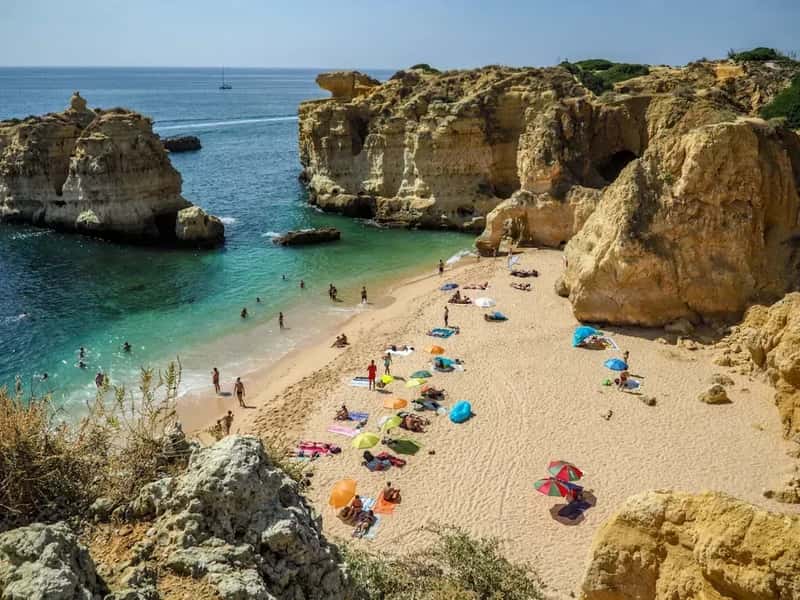
When Americans relocate to Portugal, they’re not spreading out evenly. Approximately 2,100 Americans have settled in this southern coastal region, with the majority having settled in Lagos, Portimão, and Albufeira enticed by the region’s stunning beaches, golf courses, and warm climate. The Algarve isn’t just another pretty coastline. It’s become ground zero for American expat life in Portugal.
The 300 days of blue skies and sunlight, mild winters are warm summers, particularly in the southern Algarve region create an environment that feels familiar yet refreshingly different. Think California without the chaos. For retirees especially, the western Algarve towns like Lagos and Sagres attract a younger, more active demographic, while the central and eastern areas draw those seeking peaceful retirement.
The Financial Reality That’s Changing Everything

Life costs 35.4% less than in the United States, which isn’t just a statistic – it’s a game changer. Americans are discovering that their retirement savings, which might have felt inadequate back home, suddenly stretch remarkably far in Portugal.
Lisbon tops the list at €2,082 per square meter, while the Algarve comes at €1,972, and even these prices represent substantial savings compared to American coastal cities. Rent for a modern one-bedroom apartment in the Lisbon city centre might range between €1,200–€1,800, while groceries and fresh produce are inexpensive, with dining at a good restaurant rarely exceeds €15–€30 per person. Honestly, the dining-out culture alone makes the move tempting.
The Numbers Behind the Migration Wave
Let’s talk about what’s actually happening here. Data shows a 239% increase in US residents from 2017 to 2022, and that momentum hasn’t slowed down. Americans now lead all nationalities to get Residence Permits for Investment Activity in Portugal in 2023.
By 2024, Portugal issued over 2,600 digital nomad visas, with Americans topping the list. These aren’t random travelers – these are people making calculated decisions about where to build their next chapter. US citizens stayed 585,800 nights in May 2024 alone, putting them third among foreign visitors with a 10.1% market share, while American spending in Portugal reached €692 million between January and April 2024, 18.2% higher than last year.
Safety That Americans Can Actually Feel
Here’s something that matters more than people admit: feeling safe. Portugal is among Western Europe’s safest nations, ranked 7th in the Global Peace Index 2024, based on 23 parameters, including the number of crimes, the degree to which citizens’ rights and freedoms are respected, and the availability of firearms.
When Americans talk about their move, this comes up repeatedly. Walking at night without looking over your shoulder. Letting kids play outside without constant worry. It’s hard to put a price on that kind of peace of mind. Many American expats reporting feeling much safer in Portugal than in cities like New York, Miami, or Los Angeles.
Healthcare That Won’t Bankrupt You

In 2024, the World Health Organization (WHO) ranked Portugal in 4th place in its ranking of the Best Countries for Healthcare Access in the world. The contrast with American healthcare is stark – and it’s driving decisions.
Even private plans start at around €25 a month for adults, compared to astronomical US premiums. Public healthcare is accessible to residents, offering quality care without the financial devastation that medical emergencies often bring in America. It’s hard to overstate how much this factor weighs on Americans considering the move, especially retirees on fixed incomes.
The Visa Pathways Making It Possible

The Portuguese government has essentially rolled out the welcome mat with accessible visa options. The D7 visa, the Passive Income or Retirement visa, lets Americans with steady income live in Portugal, needing to show a monthly passive income of €705, with spouses need an extra 50%, and each child requires another 30%.
For those with more capital, investment routes remain available despite changes to the Golden Visa program. As of 2023, purchasing real estate or real estate-related funds is no longer an eligible investment route, however there are still investment options available including contributing a minimum of €500,000 to a qualified investment fund and donating at least €250,000 for the arts or national heritage projects. The bureaucracy can be frustrating, but the pathways are clear.
The Climate Connection That Californians Understand
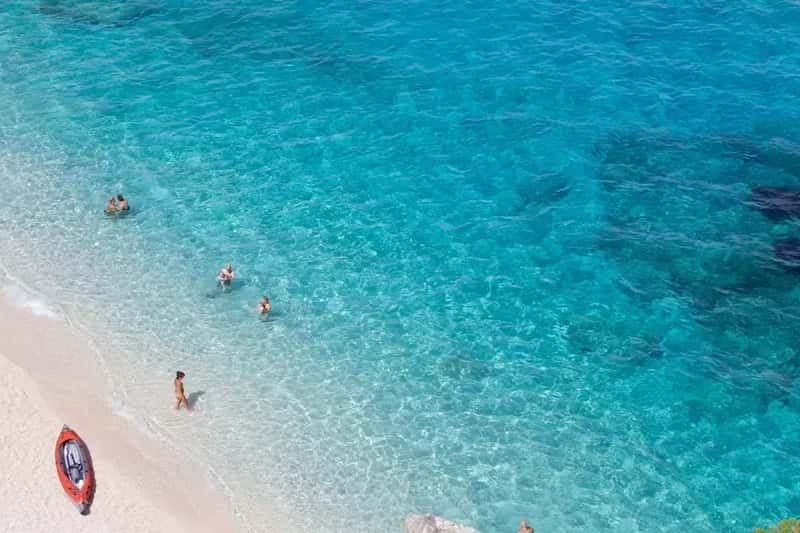
The Mediterranean climate brings nearly 300 days of sunshine each year, creating an outdoor lifestyle that feels natural year-round. For Americans from California, Arizona, or Florida, the transition is almost seamless.
The Algarve’s climate closely mirrors Southern California, but with a crucial difference: it’s affordable. Even in popular areas like the Algarve, expats can enjoy a comfortable lifestyle for about one-third of what they would spend in the U.S. Imagine swapping San Diego prices for a fraction of the cost while keeping the sunshine and beach access intact.
Language and Integration Realities

The country’s high global English proficiency ranking makes daily life more manageable for newcomers. While learning Portuguese definitely helps – and locals appreciate the effort – you can navigate major cities and the Algarve with English.
English is widely spoken, particularly in urban and coastal regions, and American citizens benefit from strong support networks, both formal and informal, across the country. Still, diving into the language opens doors that English alone won’t. The Portuguese are genuinely welcoming, but showing you’re trying to integrate goes miles further than staying in the expat bubble.
The Algarve’s Infrastructure and Accessibility Advantage
With direct flights to key destinations such as Lisbon and Porto, along with a new direct route between New York and Faro that launched in May 2025, travelling to Portugal from the United States is easier than ever. The logistics of maintaining connections to the US have gotten dramatically simpler.
The Algarve isn’t some remote outpost – it’s a well-developed region with modern amenities, international communities, and established English-speaking infrastructure. Golf courses dot the landscape, health facilities cater to international residents, and the expat community has created informal networks that smooth the transition considerably. Yet it retains the charm and slower pace that Americans are craving.
What This Migration Really Means

Conversations veered toward the comfort of community; the appeal of a culture with less focus on consumption and “productivity”; and more freedom from the stressors of racism, gun violence, and toxic political divisions. This is about more than tax breaks and sunshine.
Americans aren’t just relocating for cheaper wine and better weather. They’re seeking something fundamental – a life that feels sustainable, manageable, and humane. Nearly 20% of U.S. citizens are contemplating emigration due to political dissatisfaction, lifestyle shifts, or a desire for greater stability. The Algarve and Portugal generally offer that elusive combination of comfort, affordability, and quality that seems increasingly out of reach back home.
Is Portugal perfect? Absolutely not. The bureaucracy can be maddening, finding good housing requires patience, and the slower pace requires adjustment. Yet thousands of Americans are deciding that the trade-offs are worth it. They’re quietly exiting, heading to that sunny corner of Europe where life still feels manageable. What does that say about where we are as a country? Maybe more than we’d like to admit.