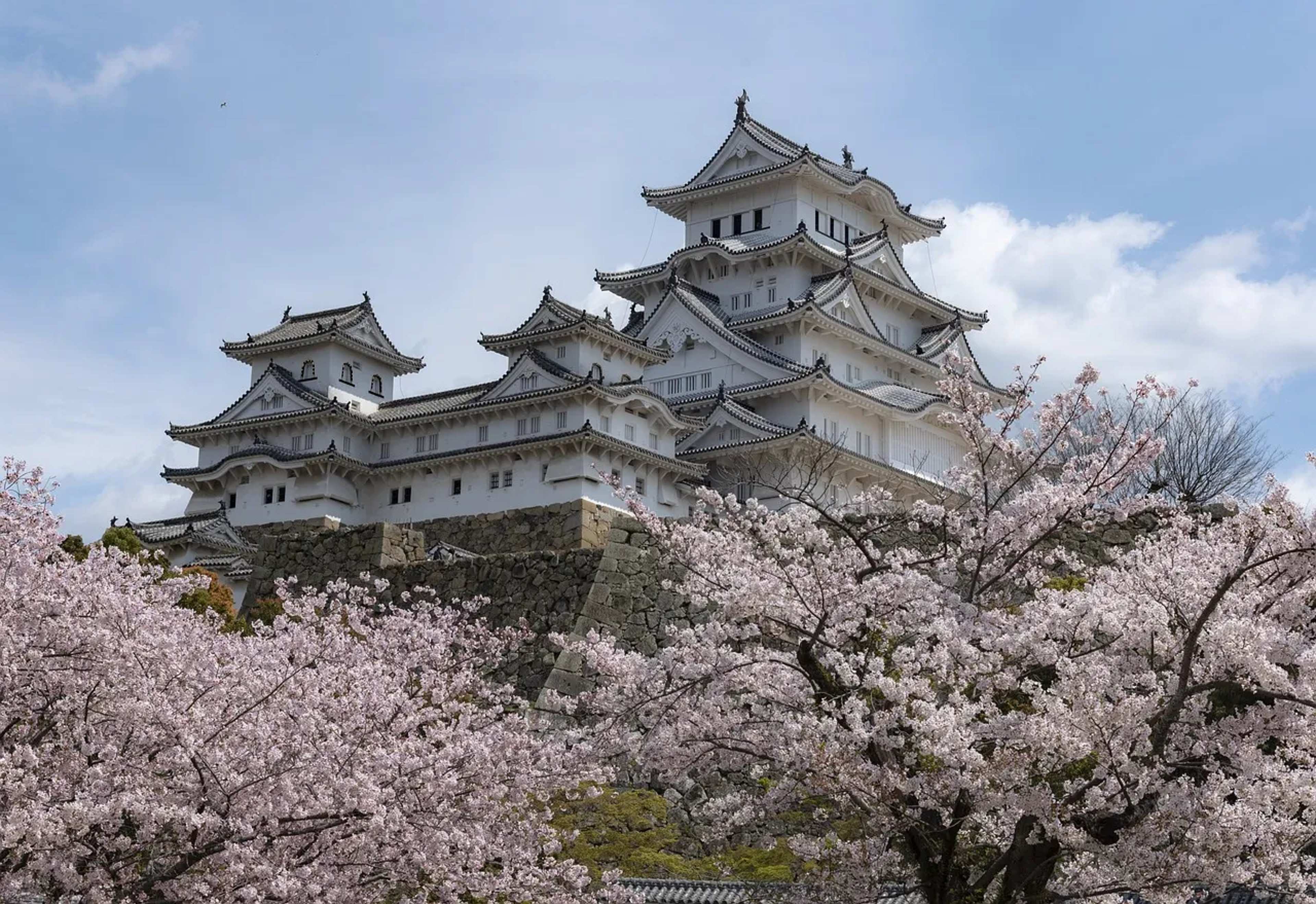
The skyline along Avenida Balboa keeps climbing, cranes still swinging over half finished towers, yet something else has been happening just beneath the surface. Moving trucks pull away from Punta Pacifica and San Francisco a little more often these days, not toward the airport but toward the hills of Chiriqui or the beaches west of the capital. It is not a dramatic departure, no headline grabbing wave of foreigners fleeing the country. It is smaller, slower, and in many ways more telling.
Panama as a whole is still drawing newcomers by the thousands, but Panama City specifically is losing some of its shine among the expats who once considered it the obvious base. The reasons are practical rather than political, rooted in daily frustrations that build up over months rather than any single crisis. Understanding why requires looking past the glossy relocation guides and into the lived experience of people who tried the capital first.
Rent has quietly outpaced what many expats budgeted for
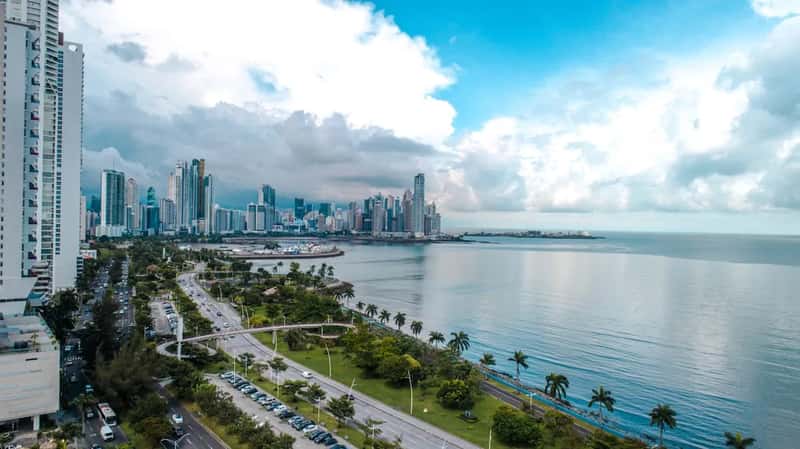
Housing costs in Panama City have been climbing steadily rather than spiking all at once, which makes the trend easy to miss until a lease renewal arrives with an unwelcome surprise. Market data from Q1 2026 shows Panama City has experienced over 12 consecutive months of steady rent increases, pushing available condo inventory to 9-year lows in key premium zones. That kind of squeeze hits hardest in the neighborhoods expats gravitate toward first.
Even the more modest corners of the market have not been immune. Panama City’s desirable central areas saw a 4% rental increase in 2025, driven by high demand from foreigners and the professional class. For someone who arrived expecting the bargain prices they read about years ago, that gap between expectation and reality often becomes the first crack in their plan to stay.
Traffic has become the tax nobody warned them about
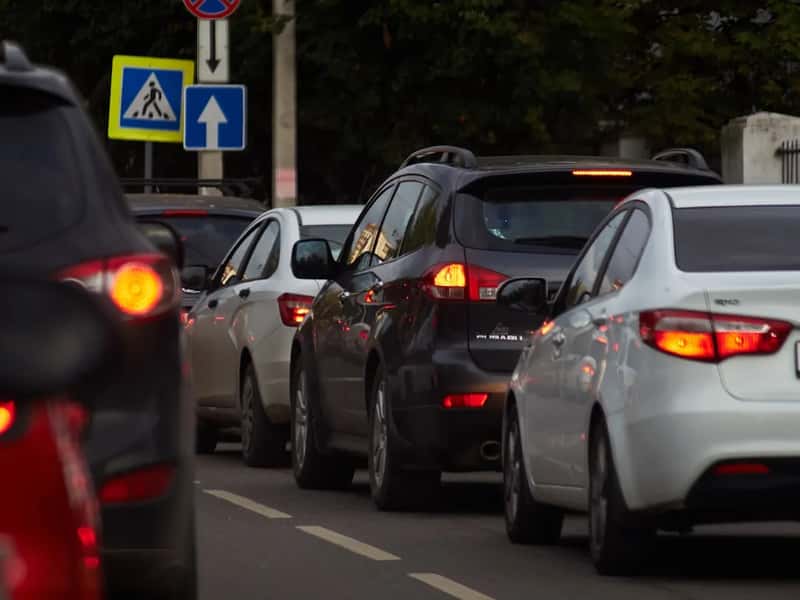
Ask almost any longtime resident what wears them down most, and congestion usually comes up before crime or cost. Panama City traffic is busy and assertive, and rural roads can be poorly lit, so many newcomers ease in with ride-hailing before getting behind the wheel. That daily grind of stop and go driving, especially along the corridors linking the newer expat towers to downtown, chips away at the relaxed lifestyle many came looking for.
There has been real progress, which makes the lingering frustration a bit more understandable rather than less. The expansion of the Metro system and public transit infrastructure has started to ease commutes in a city long defined by brutal traffic jams. Progress is not the same as resolution, though, and plenty of residents still spend more hours in cars than they ever imagined when they first pictured island time.
Bureaucracy tests patience in ways brochures rarely mention

Panama’s residency programs are genuinely accessible on paper, but the lived experience of navigating them can be a different story entirely. Some expats are leaving Panama due to frustrations with slow bureaucracy, traffic congestion in Panama City, the hot and humid climate in lowland areas, or difficulty finding satisfying local employment. None of these on their own tends to be a dealbreaker, but stacked together over a year or two, they add up.
What often surprises newcomers is not the paperwork itself but how unevenly it moves. One application clears in weeks while an almost identical one from a friend drags for months, and there is rarely a clear explanation why. That unpredictability, more than any single rule, is what wears people down.
The 2023 mining protests left a mark that has not fully faded
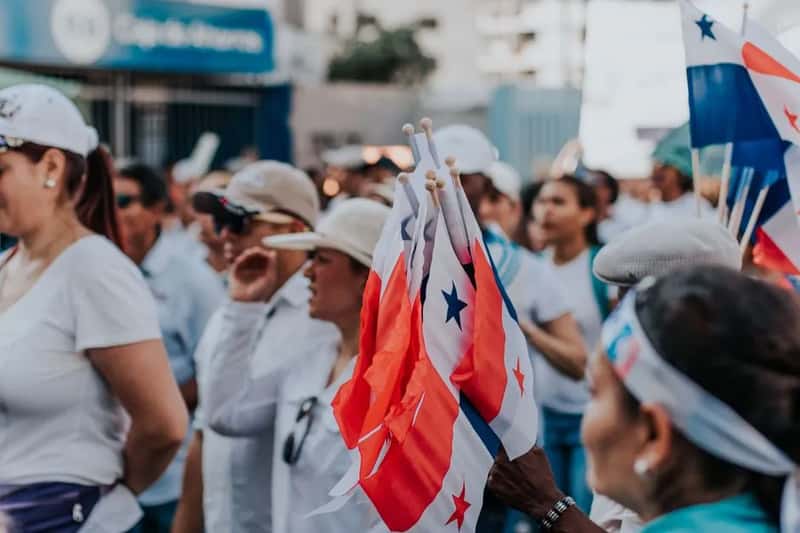
Panama City ground to a halt for weeks during the unrest tied to the Cobre Panama copper mine, and the memory of that disruption still shapes how some expats think about long term stability there. The protests ran from 20 October 2023 to 2 December 2023, sparked by the renovation of the mining contract for the largest open pit copper mine in Central America. Highways were blocked, supply chains were interrupted, and daily life in the capital was upended for far longer than anyone expected.
The economic aftershocks have lingered into 2026 in ways that shape how the city feels day to day. Quality of life in Panama City is on a slightly improving trajectory for expats in the core neighborhoods, mostly because the economy is recovering momentum after the 2023 copper mine closure shock. Recovery is underway, but the episode reminded many foreign residents that the capital is not immune to sudden, disruptive political turbulence.
Boquete keeps pulling city dwellers toward cooler air
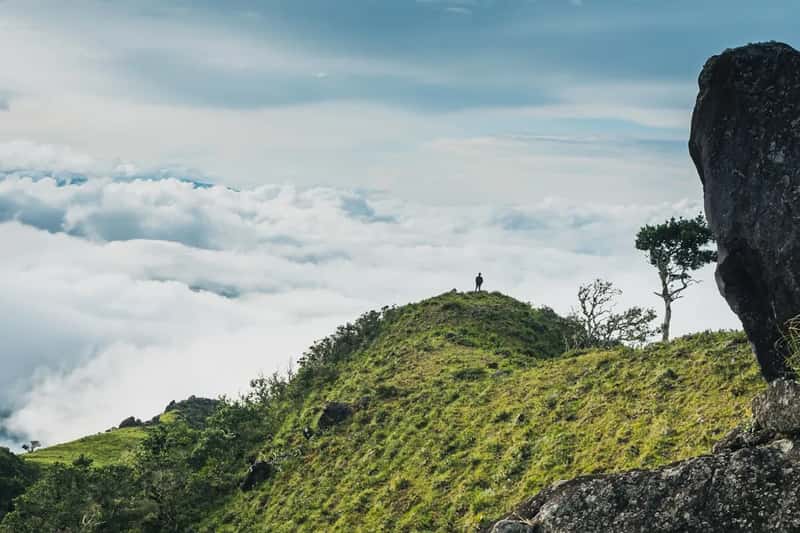
For a growing number of former capital residents, the mountain town of Boquete has become the quiet answer to Panama City fatigue. Boquete has one of the oldest and most organized expat communities in Panama, particularly among retirees from the U.S. and Canada, with English friendly services and social clubs. That built in support network makes the transition from capital life feel less like starting over from scratch.
Climate plays an equally large role in the decision to relocate inland. The cooler air means residents can skip air conditioning, and the green valleys draw hikers, coffee farmers, and a long settled community of foreign retirees, with life slower and more outdoorsy than in the capital. Trading humidity and traffic for hiking trails and farmers markets is, for many, less a compromise than a relief.
Coronado offers a middle path between city and coast
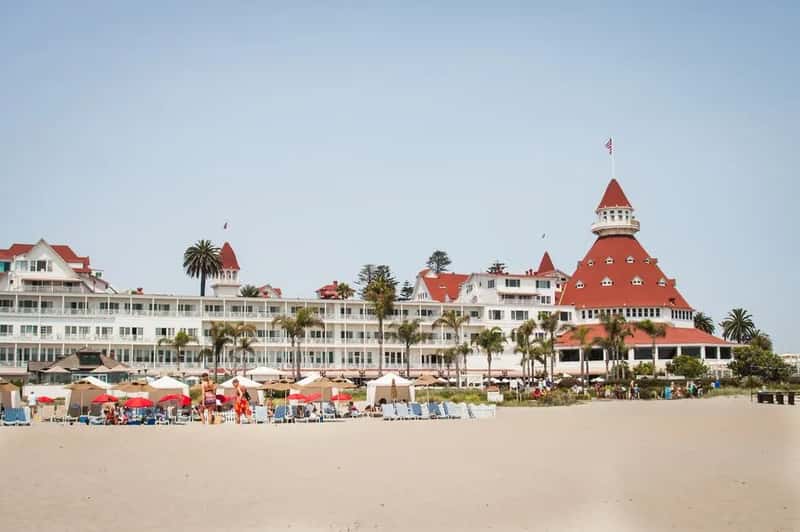
Not everyone leaving Panama City wants full mountain isolation, and that is where Coronado has carved out its niche. Coronado offers a balance between coastal lifestyle and city access, with residents enjoying easy convenience while still living near the beach. It functions almost as a decompression chamber, close enough to the capital for hospital visits or flights, far enough to escape the daily noise.
The town’s infrastructure has matured enough to support a full time expat population rather than just weekend visitors. Roughly an hour and a half from the capital, Coronado has supermarkets, clinics, and golf, plus an established expat crowd that makes settling in easy. For families who tried the capital and found it exhausting, that combination of proximity and calm often tips the scale.
Construction dust has become a permanent backdrop
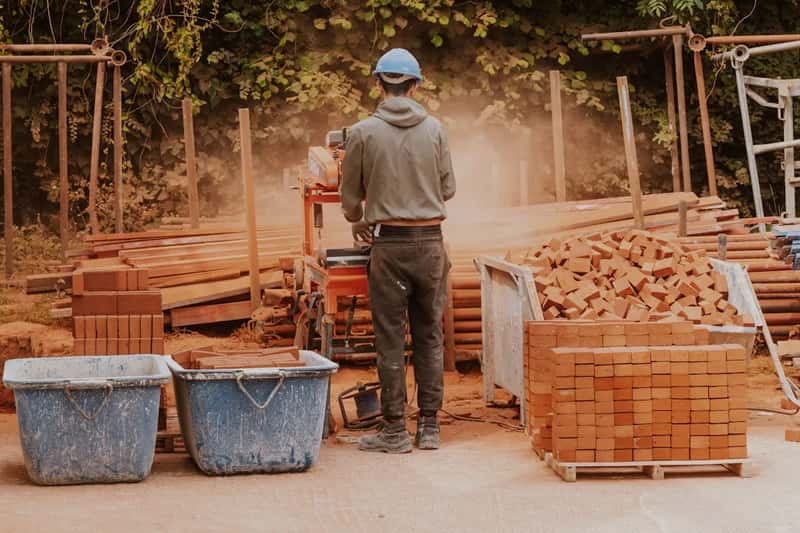
Anyone who has lived in Panama City through a building boom knows the particular exhaustion of endless scaffolding and jackhammers. The persistent challenge in Panama City remains the gap between the modern expat bubble neighborhoods and the rest of the city, where construction related disruptions seem never ending. It is one thing to accept a bit of noise as the price of a growing city, another to still be hearing it years later with no clear end date.
This constant churn also affects basic services in ways that rarely make it into glossy brochures. Water pressure drops without warning, garbage collection becomes irregular near active job sites, and the contrast between polished lobbies and chaotic sidewalks outside becomes harder to ignore the longer someone stays. For residents who moved seeking calm, that daily friction eventually starts to feel like the opposite of what they signed up for.
Petty crime fatigue, even in a relatively safe country
Panama consistently ranks as one of the safer countries in the region, but that statistic does little to comfort someone who has had a phone snatched twice in one year. The most common safety concerns for expats in Panama City are opportunistic theft such as phone snatching, car break ins, and ATM area crime, and taxi related scams, rather than the organized violence that affects other Central American capitals. It is rarely any single incident that pushes someone to leave, but the accumulated wariness of always watching a bag or a back pocket.
The data backs up the pattern of small scale, opportunistic crime rather than anything more severe. Opportunistic theft dominates crime statistics affecting visitors, accounting for 68% of reported incidents in tourist zones during 2025. For expats who came from quieter suburbs back home, even low level vigilance can eventually feel like an unwelcome tax on daily life.
Healthcare still shines, though costs are creeping upward

If there is one area where Panama City genuinely earns its reputation, it is private healthcare, and this remains one of the strongest reasons some expats stay put rather than relocate entirely. Hospitals expats most commonly recommend in Panama City include Pacifica Salud, affiliated with Johns Hopkins Medicine International in Punta Pacifica, Hospital Nacional, and Hospiten Paitilla. The quality is real, and it is a genuine counterweight against some of the frustrations driving people elsewhere.
Even here, though, prices have started to nudge upward alongside everything else. A standard private doctor consultation in Panama City in 2026 typically costs between $30 and $70, with specialist visits at top hospitals like Pacifica Salud reaching higher figures. For expats on fixed retirement incomes, watching every category of expense drift upward at once, even modestly, can be the tipping point that finally makes a move feel necessary.