It’s one of those small moments on a flight that most passengers barely think about – a flight attendant leans in, asks you to raise your window shade, and moves on. You comply, maybe glance outside briefly, and forget about it. Yet that simple request is anything but routine. Behind it lies a carefully calculated safety protocol that has been quietly protecting passengers for decades, and understanding it changes how you think about every flight you take.
Takeoff and Landing Are the Riskiest Minutes of Any Flight
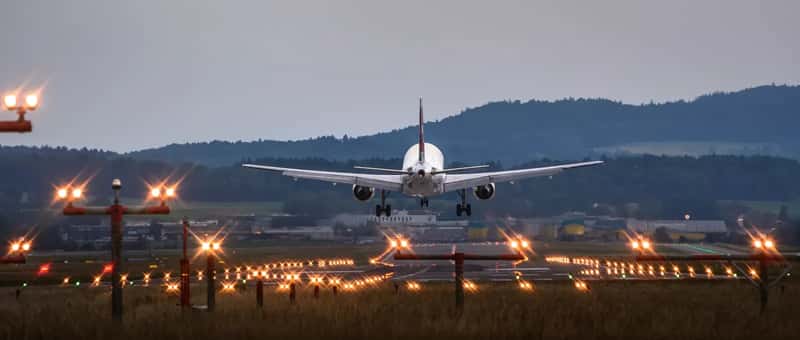
Flight attendants ask passengers to keep window shades open during takeoff and landing for safety reasons, as these two flight phases account for 90% of aircraft accidents. That’s a striking figure – the vast majority of everything that can go seriously wrong happens in the few minutes just before and just after the aircraft touches the ground. The rest of the journey, the long cruise at altitude, is by comparison remarkably safe.
There were seven fatal accidents in 2024 among 40.6 million flights – higher than the single fatal accident recorded in 2023 and above the five-year average of five fatal accidents. Tail strikes and runway excursions were the most frequently reported accidents in 2024, underscoring the importance of takeoff and landing safety measures. The window shade rule, while small in action, fits directly into the larger system of keeping those moments as safe as possible.
Flight Attendants Need Clear Sightlines to Act Fast
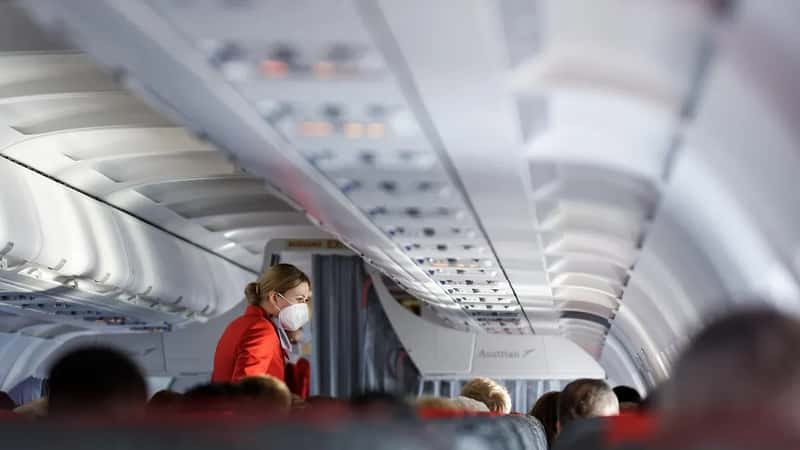
There’s a logical reason for keeping window shades open during takeoff and landing, which are considered the most critical phases of a flight: safety. In the event of an emergency, flight attendants are trained to look for debris, fire, or smoke outside before initiating an evacuation. Keeping all the window shades open makes that faster and easier to do. Every second saved in assessing the situation outside can directly influence whether people live or die.
Keeping window shades open helps flight attendants quickly assess external conditions. For example, if a plane’s right engine is on fire, the crew needs to determine the best route to safety. Instead of evacuating passengers on that side of the plane, which would put them in danger, evacuating them on the left side of the plane is the safest side. Flight attendants can also assist pilots by spotting issues during landing that they might not be able to see from the cockpit. If an engine is on fire, pilots may be alerted by indicators and alarms – but they can’t physically see the engine.
The 90-Second Evacuation Rule Makes Every Moment Count
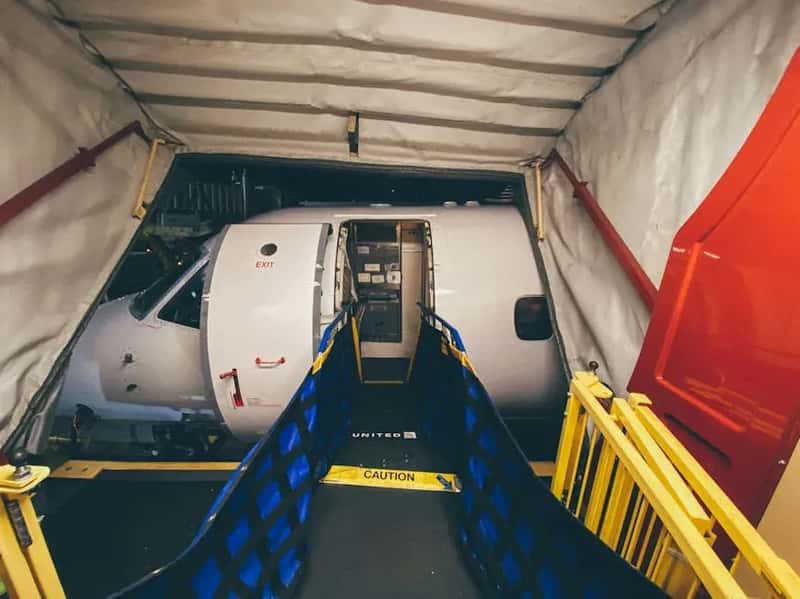
U.S. Federal Aviation Regulations require manufacturers of airplanes with more than 44 passenger seats to prove that they can be safely evacuated within 90 seconds, even if half of the exits are blocked and unusable. This standard exists because research dating back to the 1960s showed that a structurally sound cabin engulfed in flames could remain barely survivable for roughly that window of time. Every delay matters enormously.
Although it only takes moments to open a shade, these precious moments help save time during a protocol that requires flight attendants to empty an entire plane in 90 seconds or less. According to a spokesperson from the Flight Safety Foundation, “open shades help improve situational awareness.” During an emergency evacuation, flight attendants or passengers need to be able to see outside to determine whether it’s safe to open and use an emergency exit. “You don’t want to send someone out an over-wing exit if the engine on that side is still running or on fire.”
Eye Adjustment in Emergencies Can Mean the Difference Between Life and Death
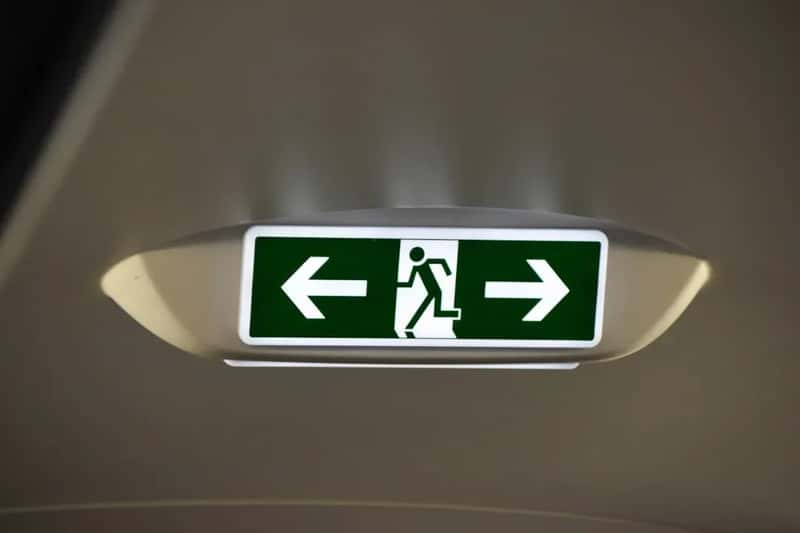
If the airplane’s interior is dark while its exterior is bright and sunny, passengers may struggle to quickly exit the airplane during an emergency. Airlines require passengers to open their window shades during takeoffs and landings to allow for eyesight adjustment. It acclimates passengers’ eyes to the outside environment so that they can exit the airplane if an emergency occurs. This physiological detail is easy to overlook, but it’s one of the most direct justifications for the policy.
If passengers sit in a dark cabin and suddenly need to evacuate into bright daylight, they might be temporarily blinded. The same goes for nighttime – eyes need time to adjust to darkness. By keeping shades open during critical flight phases, everyone’s eyes stay adjusted to the outside light conditions. The European Union Aviation Safety Agency highlighted in its 2025 safety briefings that this visual adjustment can save precious seconds during emergencies.
Exit Row Passengers Carry an Especially Critical Responsibility
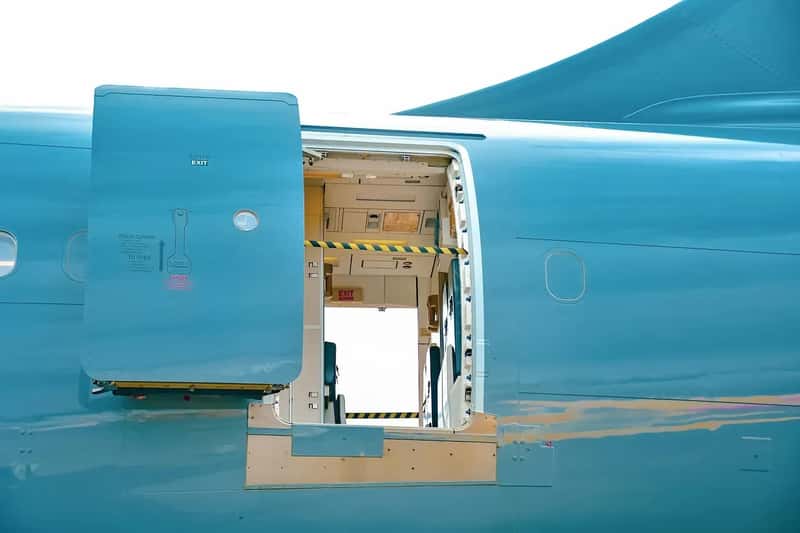
Many airlines include keeping the window shades up during takeoff and landing as part of the official emergency exit row briefing. These passengers will be expected to open exits in the event of an emergency evacuation, with little to no crew supervision. Understanding how the door operates, as well as how to assess if the exit is a usable one, is crucial. It’s not just a courtesy – it’s a practical safety role passengers in those seats are agreeing to take on.
The closest thing to a federal weigh-in comes from an official FAA document, which mentions in passing that being able to see out the exit-row windows prevents evacuees from unwittingly opening the emergency door onto a fire. As one flight attendant put it, “If you’re in an exit row, that shade has to be open for takeoff and landing – it’s not optional.” That is one area where virtually all airlines agree, regardless of their broader shade policies.
The Policy Is Recommended Globally, but Enforcement Varies Widely
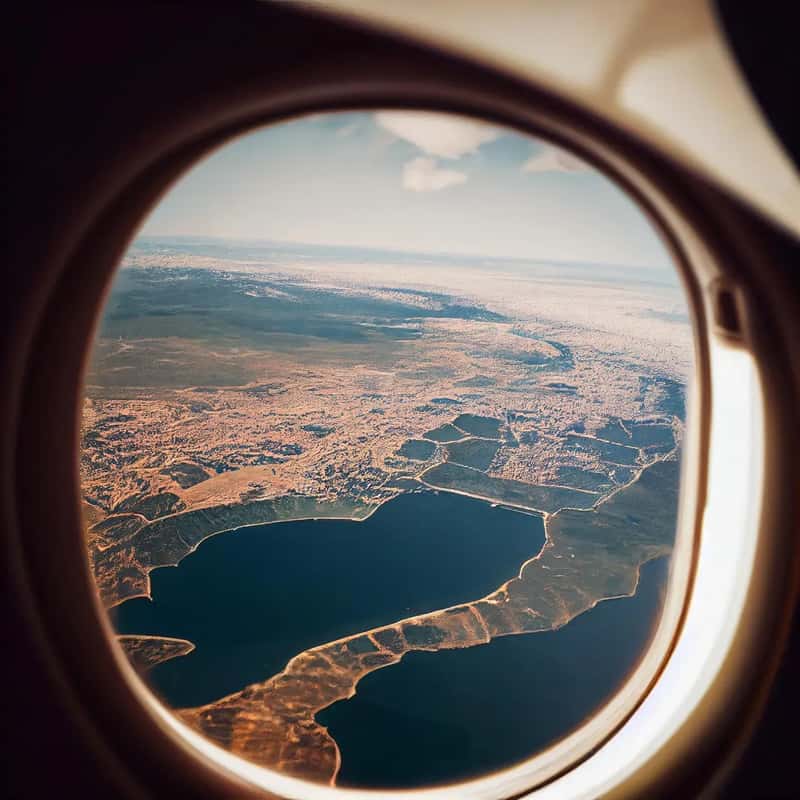
The International Air Transport Association (IATA), a trade group that represents more than 300 airlines globally, recommends keeping the window shades open for takeoff and landing as best practice. This is in line with recommendations from the International Civil Aviation Organization, a specialized agency of the United Nations responsible for international air navigation and aviation safety. Yet the rule is not universally enforced, and that inconsistency has drawn criticism from safety advocates.
Keeping window shades open during takeoff and landing is “not mandated by law,” and the U.S. Federal Aviation Administration allows this to be up to the discretion of individual airlines. While most domestic airlines do not require blinds to be left up during takeoff and landing, “interestingly enough, it is recommended in cabin crew training manuals.” According to data collected by IATA, out of 1,498 accidents between 2005 and 2024, 788 occurred during landing and 128 during takeoff. Those numbers alone make a compelling case for consistency – not just recommendation.