Let’s be real, retiring used to feel like a dream you worked toward, a chapter where you’d finally slow down and enjoy life. These days it feels more like a financial tightrope walk where one wrong move could leave you broke. You scrimp, you save, you watch your account balance grow, and then you discover that where you decide to retire matters just as much as how much you’ve saved. Some states will drain your nest egg so fast it’ll make your head spin.
Seniors in 41 states and Washington, D.C., are projected to outlive their savings and face an average shortfall of $115,000, according to recent research from Seniorly. That’s not just a minor gap, honestly. New York was the worst state for seniors outliving their savings, with an average shortfall of $448,000. Picture that for a second. Nearly half a million dollars separating what you need from what you’ll actually have. Here’s the thing: certain states will burn through your retirement funds at an alarming rate, and you need to know which ones before it’s too late. So let’s dive in.
New York: Where Half a Million Isn’t Enough

New York, ranked 51st overall, tops the list for the toughest financial outlook, with seniors facing a huge gap of $448,000. This isn’t just about the city that never sleeps; it’s the entire state bleeding retirees dry. While New York is one of the most expensive states for seniors (they’ll need $1.12 million to cover living expenses over 19.4 years of expected retirement), the reality is most people won’t have anywhere near that amount saved. Housing costs are through the roof, property taxes keep climbing, and healthcare expenses don’t exactly help either.
New York has the highest tax burden of any state, which means your retirement income gets whittled down before you even touch it. The dream of a brownstone or a quiet upstate cottage comes with a price tag that keeps growing. Even if you think you’ve saved enough, the numbers tell a different story.
Hawaii: Paradise with a Devastating Price Tag

I know it sounds crazy, but Hawaii ranks as the most expensive state to retire in, with average annual expenditures reaching $129,296. That’s more than double what you’d spend in many other states. You’d need a minimum of $2 million to cover the basic costs of retirement in Hawaii, according to GOBankingRates analysis from early 2025. Two million dollars just to cover the basics.
Hawaii also ranks among the worst, with seniors facing major shortfalls ($417,000). The islands offer stunning beaches and perfect weather, sure, but a combination of high demand and limited space for homes has led to some of the highest housing costs in the country. Groceries cost more because everything needs to be shipped in. Healthcare isn’t cheap either. You might retire in paradise, but you’ll also watch your savings evaporate faster than anywhere else in America.
California: The Golden State’s Not-So-Golden Retirement Reality

California has always been expensive, but retirement here can be brutal. California ranks among the bottom five where expenses like housing and healthcare put a heavy strain on retirement savings. The total amount of savings required to live comfortably is $1.46 million, which is significantly higher than most states.
California ranks near the bottom due to its extremely high cost of living, elevated tax rates, and skyrocketing housing prices. Even if you move away from the major cities, the state still demands more from your wallet than almost anywhere else. With median home prices well over $700,000 in California, downsizing doesn’t always mean saving money. Add in state taxes that take a chunk of your retirement income, and you’ve got a recipe for financial stress in what should be your golden years.
Washington, D.C.: The Capital Where Your Capital Disappears
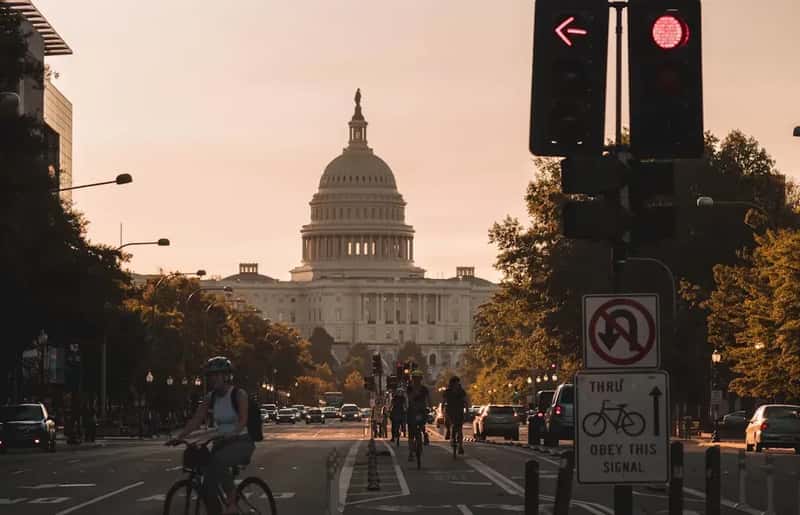
Washington, D.C., ranks among the worst, with seniors facing major shortfalls ($407,000). Living in the nation’s capital carries a hefty price tag that doesn’t ease up just because you’re retired. With yearly expenses coming out to about $83,683, a person would need to save about $1.01 million to retire comfortably.
The District combines sky-high living costs with limited space and intense competition for housing. You’re surrounded by federal workers with good salaries and politicians with even better ones, which keeps prices elevated. Healthcare and daily expenses don’t get any cheaper either. It’s hard to say for sure, but D.C. feels like it’s designed for people still earning a paycheck, not those living off their savings.
Alaska: The Last Frontier Draining Retirement Funds Fast

Alaska ranks among the bottom five states where expenses like housing and healthcare put a heavy strain on retirement savings. Alaska might seem like an odd choice here, but the remote location creates a unique set of financial challenges. Everything costs more when it has to be flown or shipped thousands of miles.
Heating bills during those long, brutal winters can devastate a fixed income. Fresh produce and basic groceries carry price tags that would shock people in the lower 48. Healthcare access is limited in many areas, meaning you might need to travel for specialized care, adding travel costs on top of medical expenses. The natural beauty and adventure were undeniable, but roughly one in three seniors struggled financially there, according to multiple cost-of-living analyses from 2024 and 2025.
Conclusion

These five states represent the harshest financial landscapes for retirees in America right now. Seniors in 41 states and Washington, D.C., were projected to outlive their savings, but New York, Hawaii, California, Washington D.C., and Alaska stand out as the absolute worst. Location matters more than most people realize when planning retirement. Your carefully built nest egg could last decades in one state and disappear in less than 15 years in another.
The data from 2024 and 2025 painted a sobering picture: costs were rising faster than many retirees anticipated, and certain states accelerated that drain dramatically. If you’re nearing retirement or already there, take a hard look at where you’re living and what it’s costing you. Sometimes the smartest financial move is also the hardest one, packing up and relocating to somewhere your money will actually last. What would you do if you realized your savings wouldn’t make it? Tell us in the comments.