Most of us never think twice about where we sit on a plane. We’re focused on legroom, proximity to the bathroom, or whether we can snag a window seat for those Instagram-worthy cloud shots. Yet there’s a question that occasionally crosses our minds during turbulence or when boarding a particularly old aircraft: Does my seat actually matter if something goes terribly wrong? The answer might surprise you, because decades of crash data reveal patterns that challenge what many of us assume about airplane safety.
Researchers have combed through flight accident records spanning multiple decades, analyzing survivor rates seat by seat. What they’ve found isn’t just academic curiosity. These statistics offer real insights into how forces distribute during impacts, where structural integrity holds strongest, and which positions give passengers the best odds when disaster strikes. While flying remains extraordinarily safe compared to any other form of transportation, understanding these patterns can inform your choices next time you book a flight. Let’s dive into what the data actually tells us.
Rear Seats Consistently Show Lower Fatality Rates
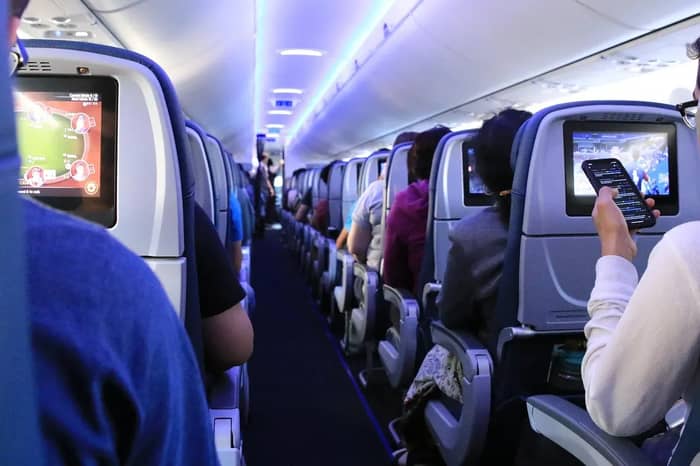
In 2015, Time magazine studied 35 years of aircraft accidents from the FAA’s Aircraft Accident Database. They examined accidents with fatalities and survivors and analyzed 17 of the seating charts between 1985 and 2000. The study found the seats in the back third of the aircraft had a 32% fatality rate, compared with 39% in the middle third and 38% in the front third. These numbers aren’t just random statistics. They come from real crashes involving real people. The data reveals something important, though it’s hard to think about. As per a report in Popular Mechanics, quoting reports from the National Transportation Safety Board (NTSB), the rear cabin offers the highest rate of survival. According to them, after analysing 20 air crashes in the US since 1971, those seated in the back had 69 per cent of survival, and the least was business/first class at 49 per cent.
In 2024, Azerbaijan Airlines’ Embraer E190 was involved in an accident during its landing in Aktau, Kazakhstan. Most of the survivors were sitting at the back. All 29 survivors of the Azeri crash were seated at the back of the aircraft, which split into two, leaving the rear section relatively intact. This recent case echoes patterns researchers have documented for decades.
The Middle Rear Seats Offer the Best Statistical Protection
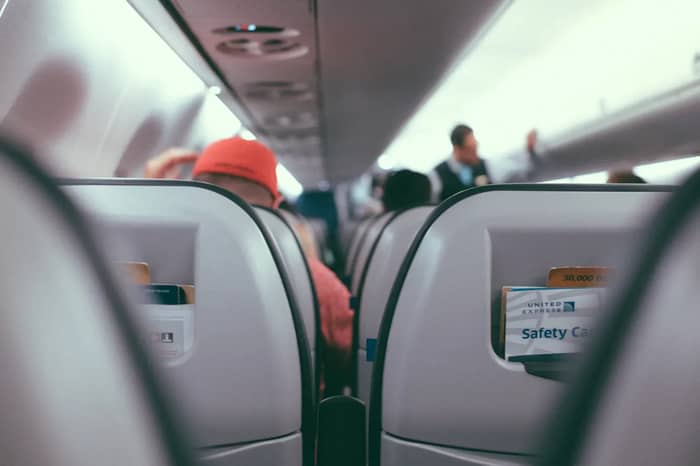
Looking at row position, the middle seats in the rear of the aircraft had the best outcomes with a 28% fatality rate. The worst-faring seats were on the aisle in the middle third of the cabin, with a 44% fatality rate. Let’s be real, nobody wants that middle seat. It’s cramped, there’s no window view, and you’re stuck between two strangers. Yet here’s the thing. Those very seats you avoid during booking might give you an edge if the unthinkable happens.
According to Time’s analysis of FAA air accident data from 1985 to 2000, people sitting in the center seats in the back of the plane had a 28% fatality rate, while the least safe were the aisle seats in the middle third of the cabin, with a 44% fatality rate. Center seats offer greater protection because passengers are protected by people seated on either side of them. The logic makes sense when you think about crash dynamics. The human body, in this grim equation, becomes a buffer.
Proximity to Emergency Exits Can Save Your Life
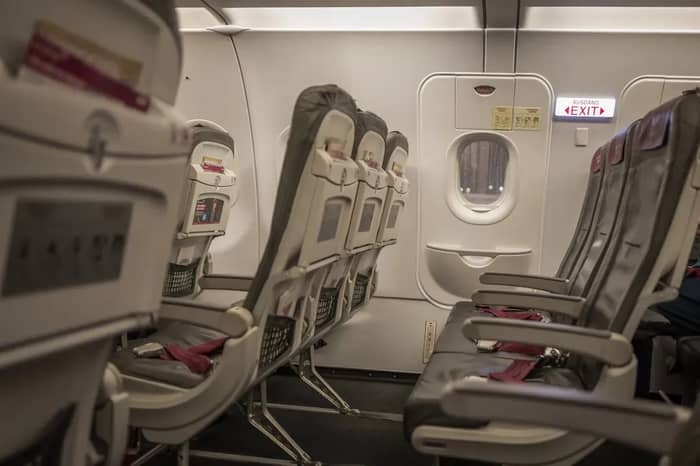
Ed Galea’s research on 105 plane crashes and interviews with over 2,000 survivors revealed another key factor: proximity to an emergency exit. The closer you are to an exit, the better your chances of survival. Specifically, passengers seated within five rows of an exit are significantly more likely to escape unscathed. According to aviation expert Ed Galea, 80% of crashes happen within three minutes after takeoff or the final eight minutes before landing. The 90-second rule is critical here: this is the maximum time passengers have to evacuate after a crash.
The speed of evacuation matters enormously when fire or smoke fills the cabin. Being six rows away from an exit instead of five might seem like a small difference during a normal flight. Sitting within five rows of an exit ramp up your chances of survival significantly. However, if you find yourself more than six rows away, the survival statistics take a nosedive. Seconds count when the fuselage is filling with toxic fumes.
Aviation Safety Has Reached Historic Levels Despite Recent Incidents
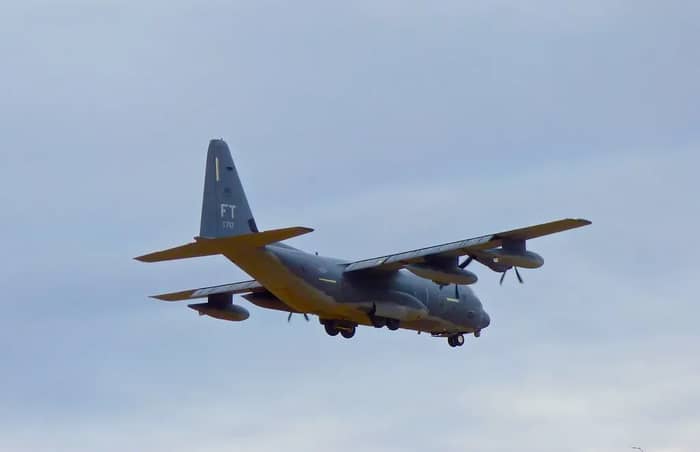
The probability of dying on a commercial flight in the United States is 1 in 13.7 million. A Washington Post analysis reveals that, for every 1 billion miles traveled, there are 7.28 deaths by car, compared to only 0.07 by plane. The chances of dying in a plane crash are incredibly slim. You’d have to fly every day for 103,239 years to have a fatal accident. Honestly, driving to the airport poses a bigger risk than the flight itself.
Between 2005 and 2023, the number of aviation accidents globally fell from 4.4 per million departures to 1.9, according to data from the International Civil Aviation Organization (ICAO). The more reassuring statistic is that 94% of serious airliner accidents between 2001 and 2017 had full survival rates, according to the U.S. National Transportation Safety Board (NTSB). Think about that for a moment. Nearly all accidents are survivable.
Every Crash Is Unique and Unpredictable
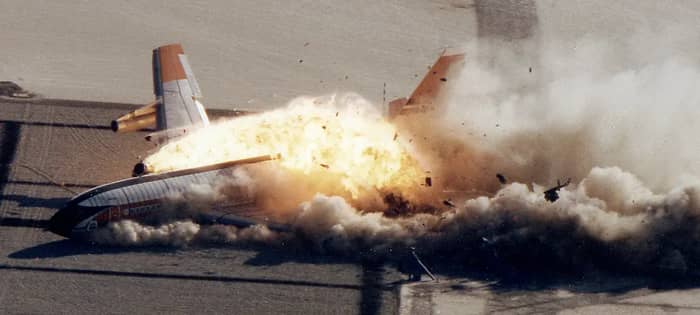
The chances of dying in an aircraft accident have less to do with where you sit and more to do with the circumstances surrounding the crash. If the tail of the aircraft takes the brunt of the impact, the middle or front passengers may fare better than those in the rear. Survival was random in several accidents where those who perished were scattered irregularly among survivors. It’s for this reason that the FAA and other airline safety experts say there is no safest seat on the plane.
If a plane’s tail takes the brunt of the impact during a crash landing, passengers seated in the middle or front sections may have a better chance of survival than those at the rear. Studies and analyses of aviation accidents have revealed that survival outcomes can be random. In many instances, those who perished were scattered irregularly among survivors. This indicates that the nature of the impact, the passenger’s position, and even luck all play significant roles in passenger survival rates. The location of impact, the angle, the speed, whether the plane breaks apart or stays intact – all these variables shift the equation completely. In the 1989 United Flight 232 crash in Sioux City, Iowa, 184 of the 269 people on board survived the accident. Most of the survivors were sitting in first class, towards the front of the plane.
What You Can Control Beyond Seat Selection
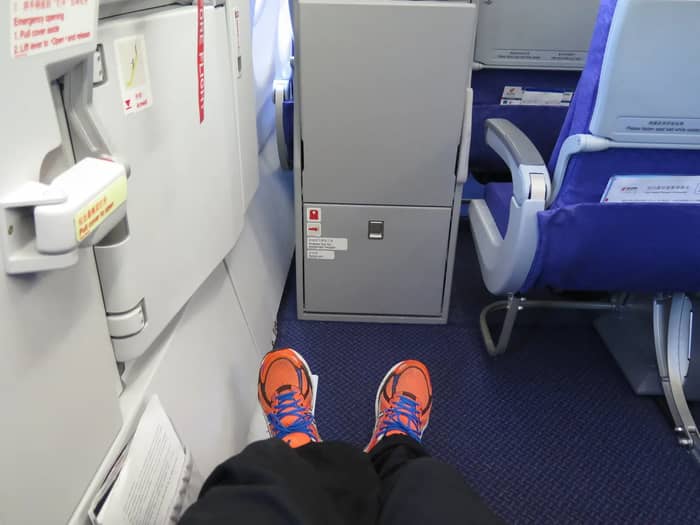
Passengers can improve their survival chances by sitting closer to emergency exits, remaining alert, and adhering to safety protocols presented by flight crews. The manner in which passengers egress the aircraft post-crash is crucial; they typically have about ninety seconds to escape. Pay attention during those safety briefings everyone ignores. Count the rows to your nearest exit. Wear sturdy shoes, not flip flops. Keep your seatbelt fastened even when the sign is off.
Other factors that affect survival chances include abstaining from alcohol during a flight, avoiding sleep, wearing appropriate clothing such as sneakers and long-sleeved shirts and pants, and being physically fit. I know it sounds extreme, but survival experts who’ve worked with crash survivors emphasize preparation. Your mindset and readiness matter more than whether you’re in row 28 or row 15. The rear middle seat gives you a statistical edge, sure. Still, your awareness and quick reaction time during those critical 90 seconds might be what actually saves you.
So what’s the takeaway here? If safety is your priority, book that middle seat in the back near an exit. It won’t guarantee anything, because nothing can. Yet decades of data suggest it’s your best bet statistically. Flying remains extraordinarily safe regardless of where you sit. What do you think about these findings? Would knowing this change where you choose to sit next time you fly?