Let’s be real, safety is now the number one consideration for travelers in 2026. Gone are the days when we’d just pick a destination based on pretty pictures or cheap flights. With global tensions rising and the security landscape shifting faster than ever, knowing where you can relax versus where you need to watch your back has become crucial. The world is full of incredible places waiting to be explored, but some demand way more caution than others.
The interesting thing is that safety rankings can surprise you. Some places that sound exotic and remote are actually among the safest on Earth, while certain popular tourist hotspots have slipped down the safety ladder. So let’s dive into what the latest data reveals about where to go and where to seriously reconsider.
Iceland Dominates Global Safety Rankings Once Again

Iceland has secured the top position in the 2025 Global Peace Index for an incredible eighteenth consecutive year. This Nordic island nation isn’t just about dramatic landscapes and the Northern Lights anymore. With a relatively small population of around 382,000, Iceland maintains remarkably low crime levels, largely attributed to its high standard of living, strong social attitudes against crime, and a well-trained police force that doesn’t even carry firearms.
What makes Iceland particularly fascinating is the sheer trust that permeates society. Reykjavik, the capital, ranks as the safest city for travelers in 2026 according to multiple safety indices. You can genuinely walk around at any hour without that nagging worry that plagues you in bigger cities. Government reports indicate that more than two million visitors arrived in 2025, a significant jump from previous years, proving that word about this peaceful paradise is spreading fast.
The European Safety Champions Beyond Iceland

Ireland holds the second spot in the global peace index with a score of 1.260, combining safety with genuine cultural richness that makes travelers feel welcome. The Irish hospitality isn’t just a stereotype; it’s backed up by actual low crime rates and political stability. Denmark ranks inside the top ten on the Global Peace Index at eighth place and consistently appears on lists of the safest countries to visit in 2026.
Northern Europe basically dominates the safety conversation. The Netherlands tops certain safety rankings, with Amsterdam recognized as the world’s fourth-safest city for 2026. Austria soared to number three on safety lists, continuing to rank inside the top five on the Global Peace Index and receiving a Level 1 travel advisory from U.S. State Department officials. These countries share common attributes like excellent infrastructure, transparent legal systems, and societies built on trust rather than suspicion.
Asia Pacific Safe Havens for Cautious Travelers

Japan stood out as a premier Asian destination, maintaining its ninth-place ranking on safety lists and climbing three spots on the Global Peace Index in 2025 to reach twelfth. I think what’s remarkable about Japan is how it blends ancient traditions with ultramodern cities while keeping crime rates incredibly low. Japan has been in the top ten countries in the Global Peace Index for fifteen years, consistently receiving high marks for low crime rates, minimal internal conflict, and virtually nonexistent political unrest.
Singapore ranks among the top three safest countries globally with a score of roughly twenty points, trailing only Iceland and Denmark. The city-state’s strict law enforcement isn’t everyone’s cup of tea, but it creates an environment where tourists can explore freely. New Zealand climbed two spots to number three on the Global Peace Index in 2025, continuing its reputation as a safe destination where violent crime remains exceptionally rare.
North America’s Safety Standout Neighbor
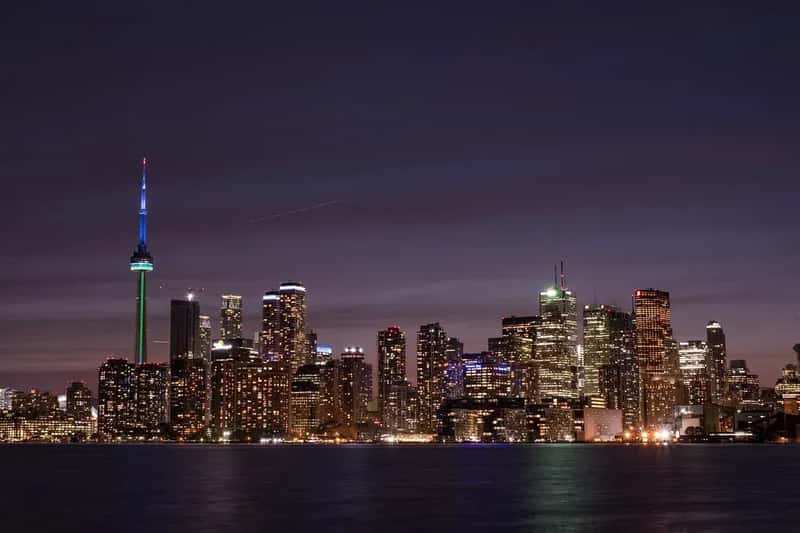
Canada remains one of the safest countries on the planet for 2026, ranking inside the top fifteen on the Global Peace Index and coming in at number five on comprehensive safety lists. It’s fascinating that while the United States has dropped in safety rankings, Canada maintains its reputation for security and stability. Canada ranks fifth in 2026, with its safety deriving from an eleventh-place Global Peace Index ranking, economic stability, and high quality of life.
The country excels particularly in counter-terrorism measures and inclusivity. It ranks highly for transportation security and inclusivity for women, LGBTQIA+ travelers, and people of color. Still, travelers shouldn’t assume everywhere is risk-free. Petty theft persists in major cities like Toronto, Montreal, and Vancouver, and it’s actually against the law to leave your car unattended with doors unlocked or the key in the ignition.
The Most Dangerous Countries Armed Conflict Zones
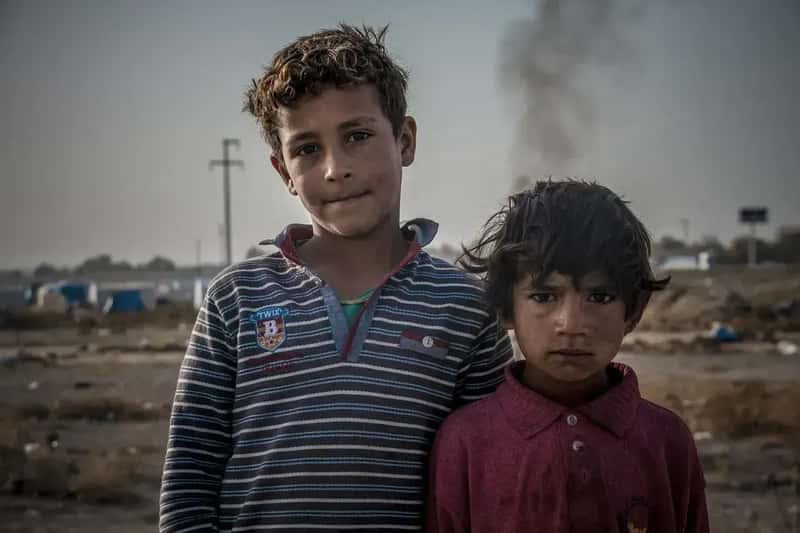
Here’s where things get genuinely scary. The most dangerous countries to visit in 2026 are Afghanistan, the Central African Republic, Iraq, Libya, Somalia, South Sudan, Sudan, Syria, Ukraine and Yemen according to the latest Travel Risk Map from International SOS. These aren’t just slightly risky; they’re classified as extreme travel security risks. Afghanistan, Myanmar, Pakistan, Sudan, South Sudan, Ukraine, Haiti, Venezuela, Ecuador and Somalia top the list of the most dangerous countries in the world according to analysts.
Afghanistan, Myanmar and Pakistan continue to top the list of least safe countries, driven by militant activity, border tensions and weak governance, while Sudan, South Sudan, Ukraine, Haiti, Venezuela, Ecuador and Somalia remain at-risk due to ongoing conflicts. The conflicts in these regions aren’t abstract threats. They pose genuine, immediate dangers to anyone who ventures there. Ukraine’s major cities face consistent missile and drone threats, and essential services cannot be guaranteed with no end to the conflict with Russia in sight.
Healthcare Nightmares in High-Risk Destinations

Beyond violence, some countries present terrifying healthcare risks. Countries where travel risks are associated with inadequate health systems include Afghanistan, the Central African Republic, South Sudan, Syria, Yemen, Haiti, Venezuela and Papua New Guinea, all experiencing severe shortages of infrastructure, medicines and medical staff. Imagine getting seriously ill or injured somewhere with virtually no medical support.
In many cases, a medical airlift may be the only way to get immediate care, a critical factor for business travel companies and tour operators. That’s not a minor inconvenience; it’s a potentially life-threatening situation. Countries such as North Korea, Myanmar, Libya, Somalia, Haiti and Guyana are considered difficult to travel to due to limited freedom of movement, poor road safety or unpredictable political decisions, while Afghanistan is an extremely high-risk area for women and LGBTQ travelers due to strong institutional and social discrimination.
Middle East and North Africa Conflict Hotspots

According to the United Nations, Yemen remains immersed in the world’s worst humanitarian crisis. The situation there isn’t improving. Yemen is classified under Level 4 Do Not Travel due to terrorism, armed conflict, and civil unrest, with the country embroiled in ongoing conflict that poses grave danger to travelers. Syria presents similarly dire circumstances. Syria’s Global Peace Index score can be attributed to ongoing conflict, civil unrest, and widespread violent crime, including robberies, assaults, carjacking, and kidnappings.
Russia and Ukraine were at the bottom of safety lists, followed by Sudan, all regions with continuing active combat. The Middle East isn’t universally dangerous, though. In Asia, Japan, South Korea, Taiwan, Qatar, Oman, Jordan, Malaysia, and the United Arab Emirates are among the low-risk travel destinations, showing that generalizations about entire regions miss important nuances.
Latin America
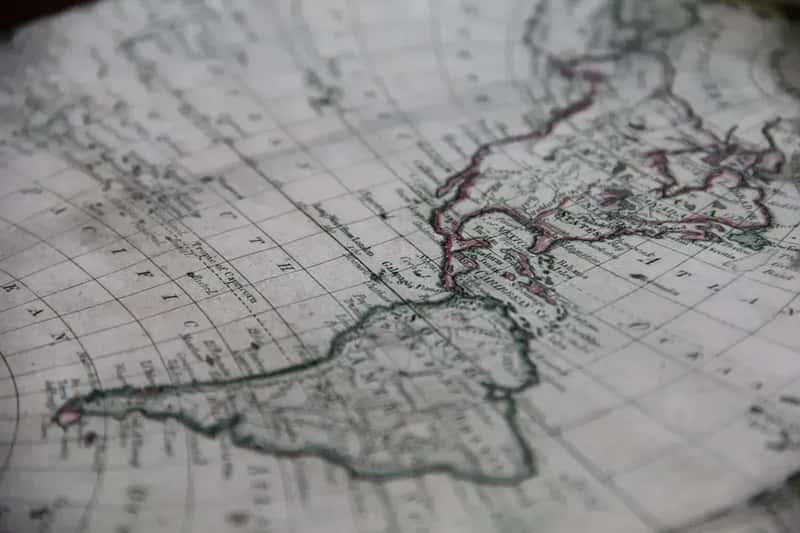
Latin America presents a complicated picture. Colombia, Mexico, and Venezuela are among the most dangerous Latin American countries, with high homicide rates, militarization, and internally displaced persons among the causes that justify this poor ranking despite their undeniable tourist potential. Venezuela particularly stands out for all the wrong reasons. The U.S. warns not to travel to or remain in Venezuela due to high risk of wrongful detention, torture in detention, terrorism, kidnapping, arbitrary enforcement of local laws, crime, civil unrest, and poor health infrastructure, with all U.S. citizens strongly advised to depart immediately.
Surprising European Instability Concerns

Even safe Europe isn’t immune to shifting risks. Analysts warn of an increase in potentially dangerous instability in Europe, with key factors including rising political unrest, public demonstrations, and environmental challenges such as storms and flooding, affecting countries like France, Spain, Sweden, the United Kingdom, Italy, the Netherlands, and Poland. France specifically surprised many observers. France ranked eightieth globally and thirty-fourth in Europe, facing challenges related to social unrest, the lingering threat of terrorism, and extreme summer weather exacerbated by climate change.
France ranks eightieth worldwide and only thirty-fourth within Europe, while Italy settles just one notch higher at thirty-third on the continental list, showing that traditional tourist favorites aren’t automatically safe choices anymore. Since the October 7th attack in Israel and the ensuing war in Gaza, the threat of terrorism has increased across Western Europe, adding another layer of concern for travelers.
U.S. State Department Level 4 Do Not Travel List

At the start of 2026, there are officially twenty-two countries listed with Level 4 Do Not Travel warnings. This is the highest advisory level, reserved for places where the risks are genuinely extreme. The U.S. State Department urged Americans to avoid all travel to twenty-one countries in 2025 because of extreme risks such as armed conflict, terrorism, kidnapping, or wrongful detention.
The complete list includes Afghanistan, Belarus, Burkina Faso, Burma, Central African Republic, Democratic Republic of Congo, Haiti, Iran, Iraq, Lebanon, Libya, Mali, North Korea, Russia, Somalia, South Sudan, Sudan, Syria, Ukraine, Venezuela, and Yemen. Level 4 warnings are issued for things like unrest, terrorism, crime, health issues and more. What travelers often don’t realize is that these warnings have real consequences. Travel insurance policies often exclude coverage for destinations under Level 3 or 4 warnings, credit card travel protection benefits typically won’t apply, and Americans who travel despite warnings may face limited or no consular assistance during emergencies.
What do you think? Does knowing a place is dangerous make it more intriguing or does safety always come first when you plan trips? The data shows clearly that while most of the world remains accessible and relatively secure, certain regions demand serious reconsideration before booking that flight.