Europe continues to draw travelers with its stunning architecture, rich history, and vibrant culture. Over 700 million people explored the continent in 2024, making it one of the most visited regions on the planet. Yet, with this massive influx of tourists comes an uncomfortable truth. The very cities we consider safe havens are experiencing a dramatic surge in scams targeting unsuspecting visitors.
Let’s be real here. I’m not talking about violent crime or anything that would make you cancel your trip. Most European cities remain remarkably safe by global standards. What’s changed, though, is the sophistication and frequency of petty crimes designed to separate travelers from their money, documents, and peace of mind. Recent data from 2023 through 2025 paints a concerning picture that every traveler needs to understand before boarding that flight.
Paris: The City of Lights and Opportunistic Thieves

Paris welcomed over 15 million tourists in 2023, cementing its status as one of the world’s most visited cities. Unfortunately, this popularity comes with a price. According to a March 2025 article by DailyMail.com, one in ten – or 212,000 – tourists who’ve traveled to France in the last five years have admitted to being scammed. Think about that for a moment. Roughly one out of every ten visitors fell victim to some form of fraud.
The most common scams cluster around iconic landmarks. Petition scams are common near major attractions like the Eiffel Tower and the Louvre, where you’ll be asked to sign a fake petition for a “noble cause” by scammers pretending to be deaf or mute, while their accomplices might pickpocket you while you’re distracted, and they sometimes demand a “donation” after you sign. The friendship bracelet scam near Montmartre remains equally prevalent, with aggressive vendors tying bracelets around wrists and demanding payment.
The European Pickpocketing Index 2024 shows that, by mentions of pickpocketing per million visitors, the leaders are Italy (478), France (251), Spain and Germany (111 each), and the Netherlands (100). French officials have noted that thousands of foreign passports are reported lost each year in Paris alone, with many victims targeted on metro trains or at busy tourist sites. What strikes me most is how organized these operations have become. Scammers work in teams now, employing distraction techniques that would impress a stage magician.
Barcelona: Europe’s Pickpocketing Capital

Barcelona presents a particularly troubling case study. Pickpocketing accounted for 48.1% of crimes committed in Barcelona, and in 2023, the figure was reduced by 22% compared to 2019, from 129,149 incidents to 100,944, but was up by 6.5% compared to 2022.
Here’s where it gets really concerning. Pickpocketing statistics in 2024 are reported to be 25% higher in Barcelona than in places like Amsterdam or Paris. Think about that. Barcelona now outpaces even Paris for this type of crime. La Barceloneta Beach Metro Station has experienced a concerning 47% jump in theft reports, underscoring a worrying trend of rising crime in Barcelona.
Scams were up by 35% compared to 2022 and account for 15.1% of all crime, with most of these cases occurring on the internet (70%). The El Born Night Market area alone reported 250 thefts in the last quarter of 2024. Popular areas like Las Ramblas, the Sagrada Familia, and the Gothic Quarter have become hunting grounds for organized pickpocketing rings. The thieves blend seamlessly into crowds, targeting distracted tourists mesmerized by Gaudí’s architecture or street performers.
Rome: The Eternal City’s Temporary Problem

Rome’s situation might be the most ironic. You travel to experience thousands of years of history, only to become a statistic in the city’s modern crime data. One study from a UK company found that Italy had the most pickpocketing scams in Europe, with roughly 478 mentions of pickpocketing per one million tourists, and Rome was by far the most likely place for a pickpocket to occur, with the Trevi Fountain, the Pantheon, and the Colosseum being the most popular places in Rome.
The Trevi Fountain averages around 1,000 visitors per hour, creating perfect conditions for opportunistic thieves. The Colosseum drew almost 15 million visitors in 2024 alone, making it a hotbed of unofficial sellers and fake ticket touts, with some selling genuine skip-the-line tickets at inflated prices, others selling vouchers that need changing into tickets at the ticket office, and some even selling fake tickets altogether.
The bracelet scam dominates Rome’s historic center. Individuals will swiftly approach tourists and tie a string bracelet around their wrists, claiming it’s free or a friendly gesture, but moments later, they’ll demand payment and pursue tourists until they give them some money. Taxi scams around Fiumicino Airport have also intensified, with some drivers charging exorbitant fares or refusing to use meters. Honestly, the persistence of these scammers can be quite intimidating for first-time visitors.
Amsterdam: Fake Police and Tulip Cons
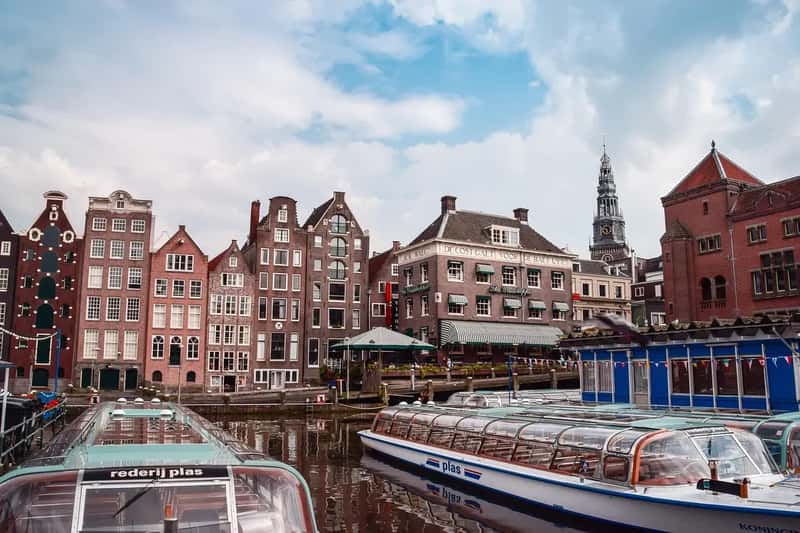
Amsterdam presents a fascinating case because the city itself ranks relatively lower on pickpocketing indexes, yet the number of scams reported in Amsterdam increased by 265 (+12.99 percent) since the previous year, with the total number amounting to 2,305 in 2023. That’s a significant uptick in a city already dealing with overtourism issues.
Some reports from the police force show that scammers and fraudsters often take the form of fake police, where you may come across such people who will flash fake badges and claim to search your bags for counterfeit money, and in the meantime, they will steal your money and valuables by causing distractions. This particular scam exploits tourists’ natural inclination to comply with authority figures.
Then there’s the infamous tulip bulb scam. The Amsterdam council recently (2022) tested the bulbs from all the shops at the Amsterdam Flower market and found that over 90% were very old and would not grow if planted. Vendors sell these dead bulbs to tourists who dream of bringing a piece of Dutch culture home. Street dealers in the Red Light District also target visitors with low-quality drugs cut with dangerous chemicals, leading to several cases of intentional drug poisoning over recent years.
London: Phone Snatching Epidemic

London rounds out our list with a particularly modern scam epidemic. In 2024, an estimated 78,000 people in the UK were victims of snatch theft, +153% versus the year to March 2023; London accounts for the lion’s share. That’s more than double the previous year’s figures. Let that sink in for a moment.
Phone thefts have become so common that they represent a genuine safety concern beyond the financial loss. Thieves on mopeds or bicycles snatch devices from unsuspecting tourists taking photos or checking directions. The speed and brazenness of these attacks have left many visitors shaken. Following the Olympics, Paris has maintained an increased police presence in tourist areas, with approximately 5,000 officers regularly patrolling the most visited districts, contributing to a 12% decrease in reported tourist-targeted crimes compared to pre-Olympic levels. London could benefit from similar enhanced security measures.
The broader trend across Europe shows criminals adapting their tactics. An analysis of aggregate transaction data shows that in 2024, fraud linked to early trip planning rose by over 12% compared to the previous year. Scammers now create fake accommodation listings, fraudulent tour operators, and phishing websites that mimic legitimate booking platforms. In 2024 and 2025, fake Airbnb scams surged across Europe, leaving tourists in Paris, Rome, and Prague stranded after booking nonexistent apartments.
These five cities share common vulnerabilities. Massive tourist numbers, crowded public spaces, and distracted visitors create ideal conditions for scammers. Yet they remain incredible destinations worth visiting. The key is traveling with awareness, keeping valuables secured, avoiding unsolicited interactions, and booking through reputable channels. Did you notice how all these scams exploit the same human weaknesses? Distraction, trust in authority, and the desire to help others. Stay vigilant out there, and don’t let the scammers ruin what should be the trip of a lifetime.