


Somewhere between a savvy travel tip and a corporate headache lies one of the most talked-about flight booking tricks of the past decade. It’s called skiplagging, or hidden city ticketing, and it lets everyday travelers book a flight for dramatically less than the standard fare by exploiting the quirks of how airlines price their routes. It involves booking a multi-city flight with a layover in your desired destination and simply skipping the second leg of the trip. Airlines hate it. Courts have weighed in on it. And millions of passengers are still doing it.
What Is Skiplagging and Why Does It Work?
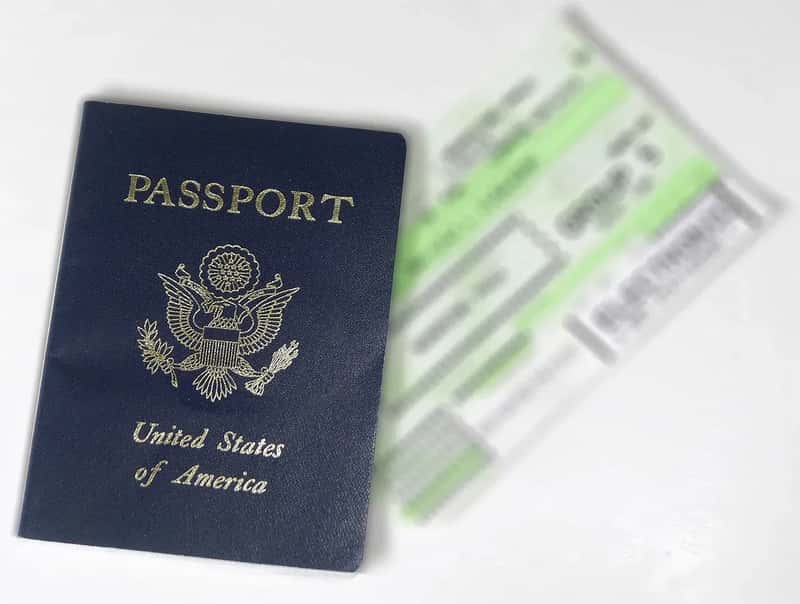
It hinges on booking a flight with a layover in your desired city, but with a final destination beyond it. Essentially, you’re taking advantage of a pricing discrepancy, as airlines often price connecting flights differently compared to direct flights to the same city. Flight pricing doesn’t always follow the logical assumption that a longer trip should be more expensive. Instead, the cost of a journey is often based on how popular the destination or route is, especially if it’s nonstop, and the price at which the airlines have decided people will buy tickets.
Skiplagged CEO Aktarer Zaman illustrates the strategy with a concrete example: A direct flight from New York to Orlando might cost $350, while a flight from New York to Dallas with an Orlando layover could be priced at just $170. The savings can be significant; according to Zaman, travelers who use Skiplagged save an average of 47%, or about $180 per flight. In the past year, 298,967 people have skiplagged, saving a combined $53.6 million, according to the site’s statistics.
The Legal Battles Airlines Are Fighting to Stop It
A federal jury in Fort Worth ordered travel website Skiplagged to pay American Airlines $9.4 million for promoting skiplagging in October 2024. The jury’s verdict followed five days of trial, with the court splitting the damages equally between $4.7 million for revenue disgorgement and $4.7 million for copyright infringement. American Airlines had originally sought over $94 million in damages.
The lawsuit was first filed in August 2023. Federal jurors first ruled on the case in October 2024, and then the matter was appealed, with jurors again upholding the ruling on May 6, 2025. A federal jury in Texas ruled that the popular booking trick is still legal. Airlines have been targeting Skiplagged for over a decade. In 2014, United Airlines and Orbitz sued the company over the practice of skiplagging itself. Though Orbitz settled, United’s case was dismissed. Southwest Airlines filed a similar lawsuit in 2021, but it was also dismissed.
The Billion-Dollar Revenue Problem for Airlines
A study conducted by the International Air Transport Association (IATA) in early 2024 found that hidden city ticketing costs airlines an estimated $1 billion annually in lost revenue. Given that the U.S. airline industry generated $179 billion in revenue from passenger fares, and around 15% to 17% of flights are affected by hidden city ticketing, the volume of affected commerce was estimated at around $30 billion in 2023. Skiplagging occurs on approximately 15% of flights and predominantly on flights operated by the “big four” airlines – American, Delta, United, and Southwest, which together control 80% of flights in the United States.
The hidden city tactic can unintentionally harm other travelers as well. When airlines perceive a pattern of travelers skipping connecting flights, they might respond by raising prices for all passengers on affected routes to offset potential losses. This tactic, while appealing in the short term, might ultimately contribute to higher airfares for everyone. The airlines are also concerned that skiplagging can throw off their pricing algorithms and overall revenue management, as these models rely on specific demand expectations for each flight.
How Airlines Are Using Technology to Catch Skiplaggers
In 2024, airlines enhanced their detection systems using sophisticated algorithms, making it significantly more difficult to engage in skiplagging undetected. Real-time ticket surveillance now pinpoints suspicious booking patterns, reducing the likelihood of success for those trying to game the system. Airlines are deploying machine learning technologies to analyze ticketing data and quickly identify suspicious booking patterns, underscoring how data science is reshaping the airline industry’s strategies for pricing and customer behavior management.
Airlines can detect skiplagging more easily than people think. Common signals include repeated no-shows on the final segment, especially on the same city pair; booking patterns that look like fare arbitrage on hub routes; duplicate or overlapping bookings that create impossible travel sequences; and automated scans that flag inconsistent, repeated “missed last leg” behavior. U.S. airlines are escalating enforcement against skiplagging in 2026, using automated detection to identify patterns of hidden-city ticketing. Travelers caught violating these rules face severe consequences, including the forfeiture of frequent flyer miles and loss of elite status.
The Real Risks Passengers Face if Caught
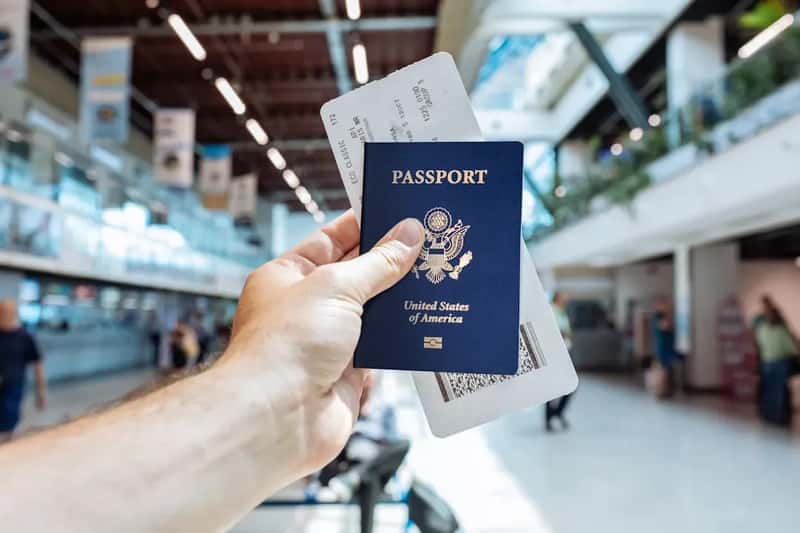
Many airlines ban skiplagging in their contract of carriage, which is a legally binding contract between an airline and its passengers that you automatically agree to whenever you purchase a ticket. If caught skiplagging, some airline terms and conditions state that passengers could be permanently banned from flying in the future with that airline, or that the airline might take legal action against the passenger. United Airlines, for instance, outlines hidden-city ticketing as a prohibited practice in Rule 6 of its contract of carriage. The carrier reserves the right to invalidate the ticket and cancel the remaining portions without letting the passenger know, and can permanently ban the passenger or refuse boarding. In addition, United can charge the passenger for having blocked that seat from being sold, as well as delete any mileage, points, or credits. United may also take legal action with respect to the passenger.
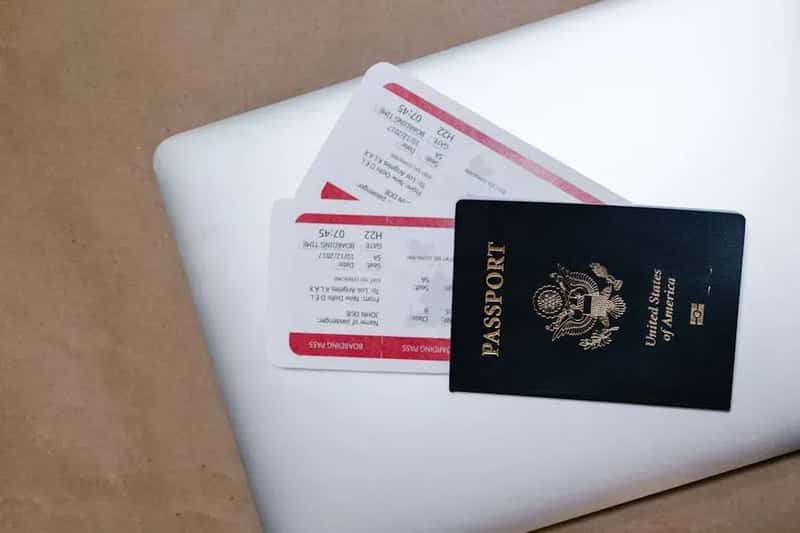
American Airlines removed a 17-year-old from a flight and banned him for three years when he tried to fly from Gainesville, Florida, to Charlotte, North Carolina, on a ticket with a final destination of New York City. Airlines automatically send checked luggage to the final destination printed on the ticket, regardless of where the passenger intends to exit the flight, creating a conflict that can potentially lead to lost luggage, delays at check-in, or even a confrontation with airline personnel. Guidelines for reducing the risk include not skiplagging with the same airline often, not associating a hidden city flight with a frequent flier account, and traveling only with a backpack that can fit under the seat in front of you to prevent any gate-checked bags from ending up at the final destination on your itinerary without you.



