For decades, retiring to Florida was treated almost like a rite of passage. Pack up the house, chase the sunshine, and never shovel snow again. That old formula is starting to crack, and a quiet inland town in South Carolina is emerging as the unlikely beneficiary of Florida’s stumble.
Aiken, South Carolina, population around 33,000, has spent years building a reputation among horse enthusiasts and history buffs. Now it is catching the attention of a different crowd entirely: retirees who want Southern warmth, lower bills, and a slower rhythm of life without the hurricane anxiety that increasingly comes bundled with a Florida address.
Why Florida Is Losing Its Grip on Retirees

The numbers tell a surprising story. According to a 2026 analysis of 2025 moving data, Florida drew the most inbound retirees aged 65 and older of any state at 45,696, but nearly as many left, with 44,881 outbound moves in that age group, leaving a net gain of just 815 seniors for the full year. That is a razor-thin margin for a state whose entire brand has been built on retiree inflow.
That net gain was small enough to push Florida out of the top 10 states for net senior migration. Rising costs are the main culprit. Rising property and insurance costs in Florida are driving retirees to consider other states, with 80% of Florida residents concerned about housing affordability and almost half considering leaving due to the cost of living. When staying becomes this expensive, even loyal Floridians start browsing real estate listings elsewhere.
South Carolina Steps Into the Spotlight
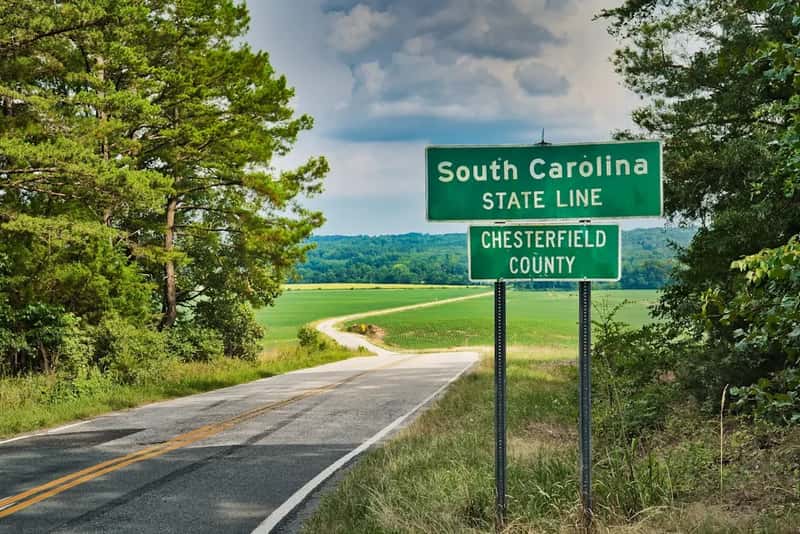
South Carolina has not just benefited from Florida’s stumble by accident. South Carolina has emerged as the top destination for retirees, offering lower property taxes, a lower cost of living, and a full exemption of Social Security benefits from state income tax. While coastal cities like Charleston and Myrtle Beach get most of the headlines, they are not the whole story anymore.
The bigger trend has been building for years. South Carolina ranked second to Florida as a destination for retirees making interstate moves in 2023, according to an annual review of U.S. Census data by moving-services marketplace Hire A Helper. Financial planners have taken notice too, with one describing the state’s positioning plainly. Those factors have helped position the Palmetto State as an alternative to Florida, perennially the prime destination for retirees seeking sunnier climes, says Philip Gibson, a certified financial planner and vice president of Wealth Enhancement Group in Rock Hill, South Carolina.
Enter Aiken: The Town Flying Under the Radar

While the coast gets the tourism dollars, Aiken sits quietly about nineteen miles from Augusta, Georgia, in the western part of the state. Tucked in lush western South Carolina, about 19 miles from Augusta, Georgia, charming Aiken (population 33,000) was founded in 1835. It is not chasing beachfront glamour, and that is exactly the appeal for retirees who have grown tired of tourist crowds and inflated coastal prices.
The town has already started pulling in older residents at a noticeable clip. Aiken has grown 8% within the last decade, and much of this growth has come from retirees. One real estate agent who works both markets put the financial contrast in blunt terms, describing a client couple who realized real savings after comparing the numbers. One couple I worked with from Charlotte ran the real numbers and realized they’d save over $30,000 a year living in Aiken – and they haven’t looked back.
A History Built on Horses and Old Money

Aiken’s story is unusual for a small Southern town. It began to thrive after the Civil War when Charleston’s wealthy residents discovered the area’s relatively mild winters, and word spread north, with families named Astor and Vanderbilt building Aiken summer cottages, actually magnificent mansions, calling the area Winter Colony. Those families brought their equestrian traditions with them, and the culture never really left.
Today that heritage is still visible everywhere you look. Known as the “Thoroughbred City,” Aiken has a genteel, old-world personality unlike anywhere else in South Carolina, with horse farms, polo matches, and steeplechase races giving this inland city a distinctly elegant character. Retirees who spend their days around Hitchcock Woods or the Thoroughbred Racing Hall of Fame often say the town feels like stepping into a slower, more graceful era, minus the price tag that usually comes with that kind of charm.
The Tax Math That Keeps Getting Better

South Carolina’s tax structure is arguably doing as much heavy lifting as the scenery. South Carolina does not tax Social Security or railroad retirement benefits, and residents 65+ can deduct up to $10,000 of qualified retirement income per person, plus an additional age 65+ deduction reduced by that amount, for a combined benefit that can reach $30,000 per couple. For retirees drawing a mix of Social Security, pension, and 401(k) income, that combination meaningfully shrinks the annual tax bill.
The state’s overall rate structure has also been trending in retirees’ favor. South Carolina has six income tax brackets for 2026, with rates of 0%, 3%, 4%, 5%, 6%, and 6.2% at the top, which applies to taxable income above $160,400. Because of standard deductions and the full Social Security exemption, many retirees never come close to paying that top rate in practice.
Housing and Healthcare Without the Sticker Shock

Home prices in Aiken remain grounded compared to the coastal boomtowns that dominate retirement rankings. With a median home price of around $293,000, Aiken offers a refined, affordable place to call home in retirement. That is a meaningful gap compared to many popular Florida retirement markets, where insurance costs alone can eat into any savings on the mortgage.
Healthcare access has not been sacrificed for that affordability either. The Aiken Regional Medical Centers provides high-quality healthcare close to home, while the mild climate in Aiken and walkable downtown encourage an active lifestyle. For anything more specialized, the town’s location works in its favor. Aiken is in proximity to both Augusta, GA (30 minutes) and Columbia, SC (1 hour) for specialized care.
Coastal Access Without Coastal Prices

One common worry about inland retirement towns is losing that beach fix entirely. Aiken solves this in a way that keeps retirees close enough to the water without forcing them to pay waterfront prices year-round. For retirees needing the occasional beach fix, the ocean resorts of Myrtle Beach and Hilton Head are a three hour drive to the east.
There is also a lake option much closer to home for those who do not want to drive three hours every time they want water views. Lake Thurmond, a huge reservoir about 50 miles outside of town, beckons to fishermen, boaters and swimmers. That combination of inland affordability with reasonable access to both mountains and coast is part of what makes the whole state, not just Aiken, feel like a genuine Florida alternative.
A Built-In Social Life for Older Residents

Moving to a new town in your sixties or seventies can feel isolating if there is no built-in community waiting. Aiken has invested specifically in senior infrastructure that goes beyond typical small-town offerings. The Aiken Area Council on Aging provides congregate meals and manages the Meals on Wheels program, while the Smith – Hazel Senior Citizens Club is a seniors’ group that provides an opportunity to meet new people through a variety of activities.
Lifelong learning is also woven into daily life for retirees who want to stay mentally engaged. The University of South Carolina-Aiken Academy of Lifelong Learning offers programs and classes for people age 55 or better. Combined with fitness programs and organized community outings, it gives new arrivals a fast way to build a social circle instead of starting from zero.
The Bottom Line for Pensioners Weighing the Move

None of this means Florida has lost its charm entirely. It still pulls in more retirees in raw numbers than any other state, and its beaches and climate remain genuinely appealing. Still, the math has shifted enough that a growing number of retirees are choosing towns like Aiken over the traditional Sunshine State playbook, trading a few degrees of extra heat and ocean proximity for lower bills, calmer traffic, and a tax code that treats Social Security and pensions far more gently.
Aiken was never designed to compete with Florida. It simply kept doing what it has done since the Vanderbilts and Astors first arrived, offering a quieter, more affordable version of Southern living. For pensioners tired of insurance premiums that climb every renewal season, that quiet consistency might be exactly what retirement was supposed to feel like all along.