

For most of the twentieth century, jumping into the Seine wasn’t just frowned upon in Paris, it was illegal. Health officials considered the water a genuine hazard, thick with bacteria and runoff that made even wading dangerous. Two summers into a new era of public swimming, that old warning has quietly turned into an invitation, and locals and tourists alike are lining up along the riverbanks to take the plunge.
A Summer Ritual Two Years in the Making
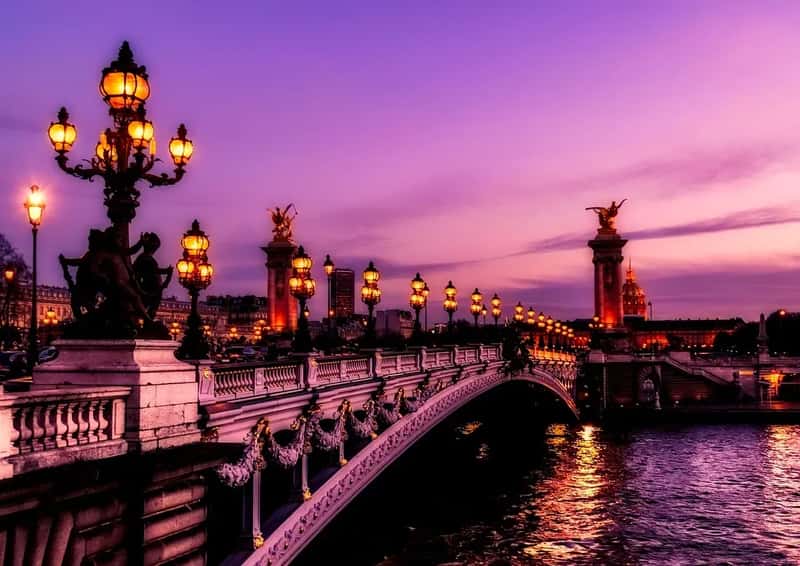
Swimming in the Seine is settling into a new Paris summer ritual as the city opened three supervised bathing sites for the second year in a row. The free swimming areas near City Hall, the Eiffel Tower and in eastern Paris remain open through the summer, depending on water quality and weather conditions. What started as an Olympic experiment has settled into something closer to an annual tradition, with the city treating it less like a novelty and more like a permanent fixture of the summer calendar.
They are placed under strict lifeguards’ watch and authorities conduct daily water quality testing. The timing this year carries extra weight too, since the seasonal opening has been timed to mark 250 years of Franco-American friendship, and for American visitors there may be no more quintessentially Parisian way to celebrate the 4th of July than a dip in the Seine. It’s a small detail, but it captures how the river has become part of the city’s public identity again.
A River With a Surprisingly Wet Past
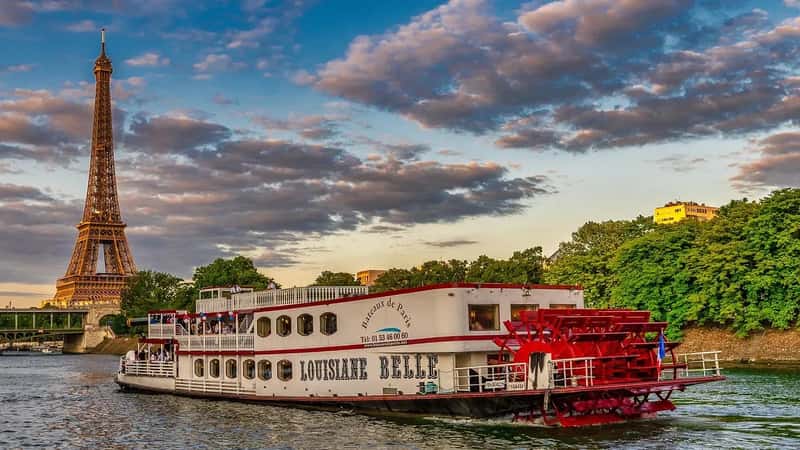
Long before pollution turned the Seine into forbidden territory, Parisians treated it as their local swimming hole. It all began in the 17th century as a casual, nude practice straight off the river’s sloped banks, a habit initially banned in 1716 on the predictable grounds of public decency. That ban didn’t kill the appetite for river bathing, it just pushed it into a more organized form.
That restriction gave way to floating baths in the 18th century, flat-bottomed vessels draped in canvas where bathers climbed down internal ladders to swim directly in the river’s current within a marked-off safety area. By the 19th century, bathing had evolved from a quick cool-down into a major social and sporting event. Photographs from the era show crowds gathering along the water much the way people do today, only without the modern anxiety about what might be floating past them.
When the River Turned Toxic
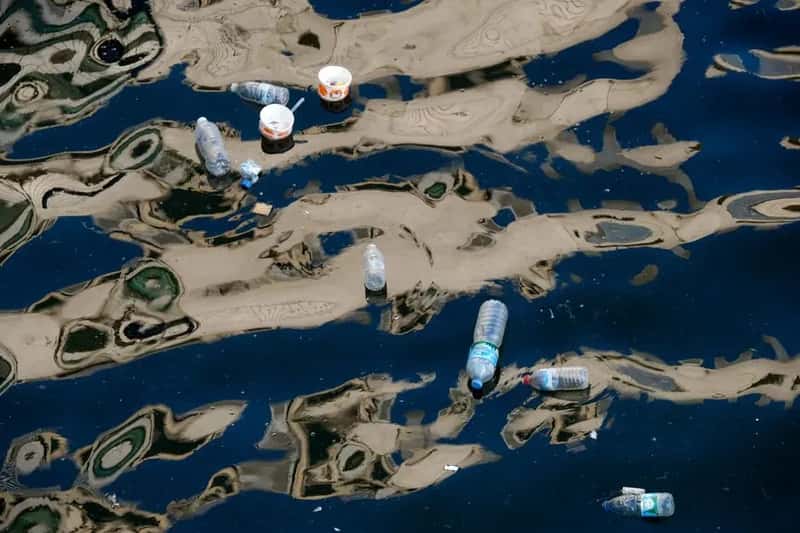
The good times didn’t last. A 1929 photo shows Parisians enjoying swimming in the Seine before conditions degenerated, and it was still popular in the 1950s, but two decades later it was declared off-limits. The Deligny bathing establishment tried to survive the shift by separating itself from the river entirely.
The Deligny managed to survive the ban by rebuilding itself as a floating, filtered pool separate from the river water, carrying on as a Paris institution until it mysteriously sank in 1993. The real death of Paris’ swimming culture wasn’t down to rules and regulations, it was caused by pollution, which experienced a catastrophic decline throughout the mid-20th century, and by the 1970s the Seine was, in effect, a flowing urban cesspit with more than half of the region’s wastewater dumped straight into it untreated. Official bans followed close behind, with Seine swimming banned starting in 1923, the year before Paris last hosted the Olympics, due to the health risk posed by a river contaminated by the city’s wastewater.
A Political Promise That Became a National Joke
Cleaning the river eventually became a political talking point, and one mayor’s pledge turned into a running gag that outlived his career. In 1988, Paris mayor Jacques Chirac, then running for reelection, made a bold pledge that within three years he would swim in the Seine in front of witnesses, to prove the river was clean. He never followed through.
He repeated the pledge on television in 1990, but it never happened, transforming it into a running joke, and the Seine remained stubbornly toxic. As recently as 2013, the Paris triathlon had to be canceled outright because the water quality was too dangerous for athletes. It took another decade, and a very different kind of deadline, before the promise finally had a chance of coming true.
The Olympic Deadline That Forced Progress
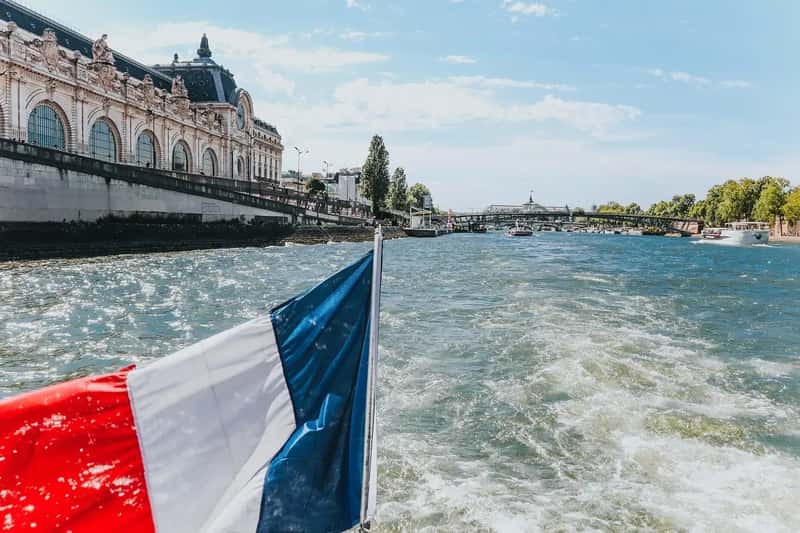
Paris winning the bid to host the 2024 Olympics gave the cleanup project the urgency it had been missing for years. The ghost of Chirac’s promise was finally revived in 2016, when mayor Anne Hidalgo relaunched it ahead of the city’s 2024 Olympic bid, and this time it took more than a billion euros and a monumental engineering project to overhaul the French capital’s wastewater treatment and connect thousands of riverside homes to the sewer network for the first time. That figure is not a rough estimate either.
The historic reopening followed a €1.4 billion (US$1.6 billion) cleanup operation to make the river swimmable in time for the 2024 Paris Olympics, with open-water swimmers and triathletes competing in its specially treated waters. More than half a billion euros of that total was designated for huge storage basins and other public works that reduced the need to spill bacteria-laden wastewater into the Seine, untreated, when it rains. It was, by any measure, one of the largest urban water infrastructure projects Europe has seen in decades.
The Engineering Behind a Cleaner River
The centerpiece of the whole operation sits underground near the Austerlitz train station, out of sight but doing most of the heavy lifting. Because Paris’ existing sewers, built during Haussmann’s 19th-century modernization of the city, combine rainwater and wastewater in the same pipes, heavy rain has always sent the overflow straight into the river, but now that excess gets diverted into the Austerlitz basin instead, where it’s held deep underground until the weather clears, then pumped gradually to treatment plants outside the city. The basin itself is enormous.
Paris built a 15 million gallon underground tank to store water, the Austerlitz rainwater retention basin, completed in May 2024, with a holding capacity of around 50,000 cubic meters. The results are measurable in a way that most infrastructure projects rarely are. Officials say the system has successfully cut the number of major sewage overflow events into the Seine from 15 a year to around two.
Three Official Swimming Spots Along the River
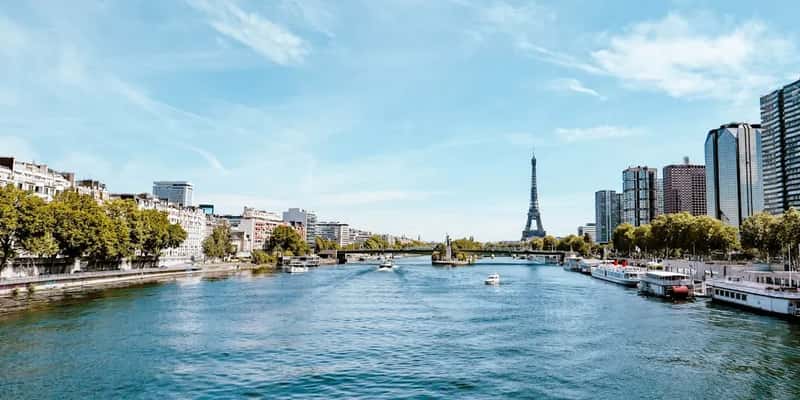
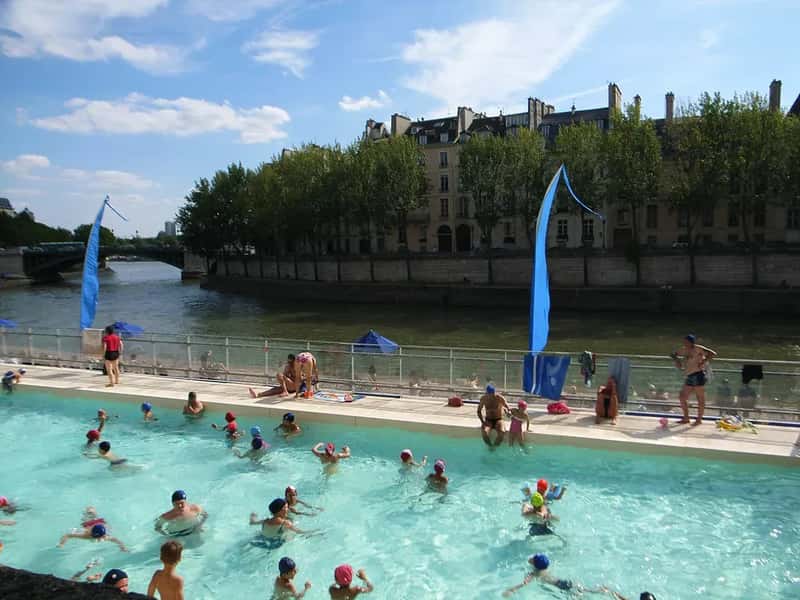
This summer, swimmers have three distinct places to get in the water, each with its own character. This summer, the city has refined the layout, offering three distinct, free public swim spots. At Bras Marie, beneath the 19th-century Pont Louis-Philippe near Notre-Dame, bathers get a quintessentially Parisian view of the old city.
The other two sites lean into different neighborhoods entirely. Bercy in the 12th arrondissement features two pools with an urban beach and a view of the François-Mitterrand Library, while the Bras de Grenelle in the 15th arrondissement sits across from the Parisian Statue of Liberty and is well suited for families. Grenelle, located further west, offers swimming with direct views of the Eiffel Tower while facing a quarter-scale replica of the Statue of Liberty, making it arguably the most photographed of the three.
Daily Testing and the Reality of a Red Flag
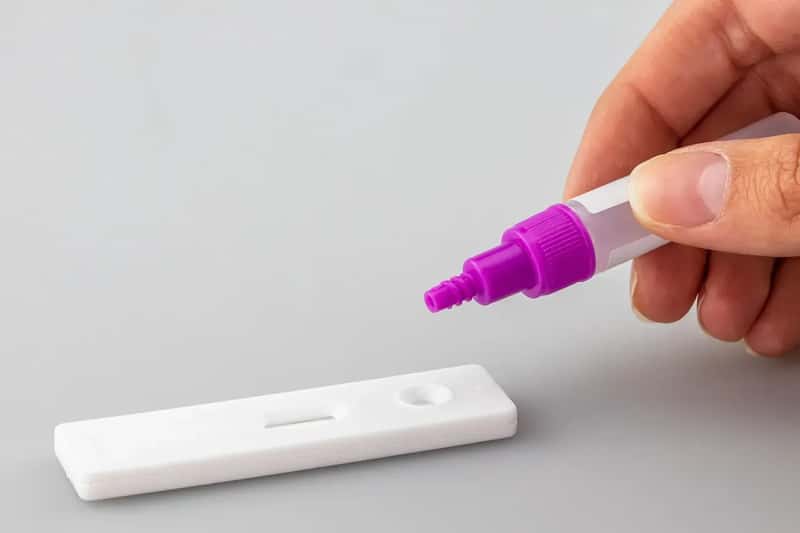
None of this runs on faith. The city performs daily tests for signs of sewage contamination, mainly E. coli, at multiple points along the river. When results come back unfavorable, the consequences are immediate and unambiguous.
If the signal is red, the swimming spots are out of bounds for a day or two while the river flushes itself out. The system isn’t flawless, and last year proved it. The system isn’t infallible, and last July the green signal was only raised on 18 of 31 days. Heavy rain remains the main culprit, since it still increases pollution upstream, leading to canceled swimming days last summer.
Cooling Off Beyond the Seine
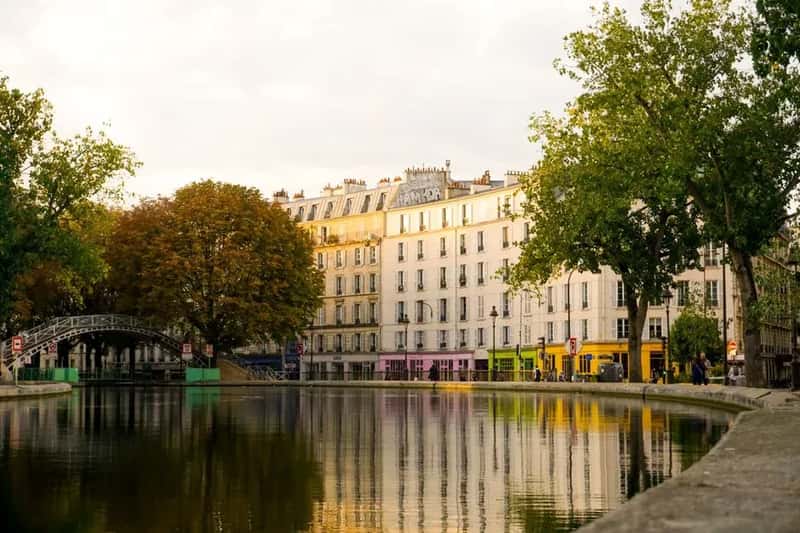
The Seine gets most of the attention, but it isn’t the only place Parisians go to escape the heat. The Bassin de la Villette, the Canal Saint-Martin, open during heat waves starting June 17, 2026, and several urban beaches also welcome swimmers. The canal has its own strict rules given the shallower, narrower setting.
Swimming is permitted and supervised only within a designated area on the Canal Saint-Martin, with a strict ban on jumping or diving from bridges or footbridges, since the shallow depth of the water poses a risk of serious injury. Beyond Paris itself, the wider region has joined in as well. The regional prefecture, the City of Paris and the Metropolis of Grand Paris confirmed the opening of eight free and safe swimming sites for summer 2026, three in the capital, four in Val-de-Marne, and one new addition in Seine-Saint-Denis, after the first season drew close to 100,000 bathers to the Seine and 50,000 to the Marne.
Public Opinion Remains Genuinely Split
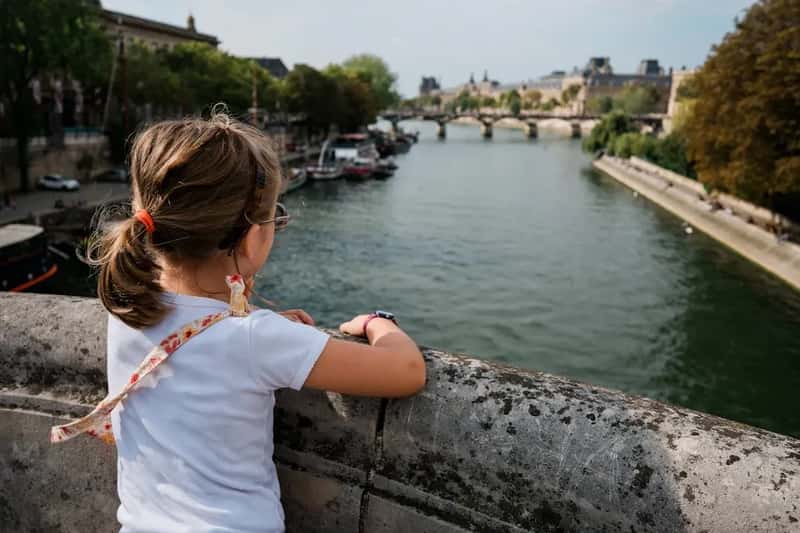
Not everyone in Paris is convinced the money was well spent, even as crowds keep showing up. The clean-up initiative has divided Parisians, with some seeing it as a lasting legacy that could inspire other cities to adopt environmentally friendly practices, and others viewing it as a temporary, superficial effort driven by the impending Olympic deadline. Skepticism has lingered online, too.
Some visitors, though, describe a straightforwardly good time in the water. One tourist from Melbourne, Australia, described it as amazing to be swimming in the Seine while looking at the Eiffel Tower. A young Parisian put it differently, pointing to the mix of people it draws, from grandmothers to children, all getting into the water together. Whether the hugely expensive cleanup was worth it remains a matter of debate among Parisians, and that debate doesn’t look like it’s settling anytime soon.
What Comes Next for the River
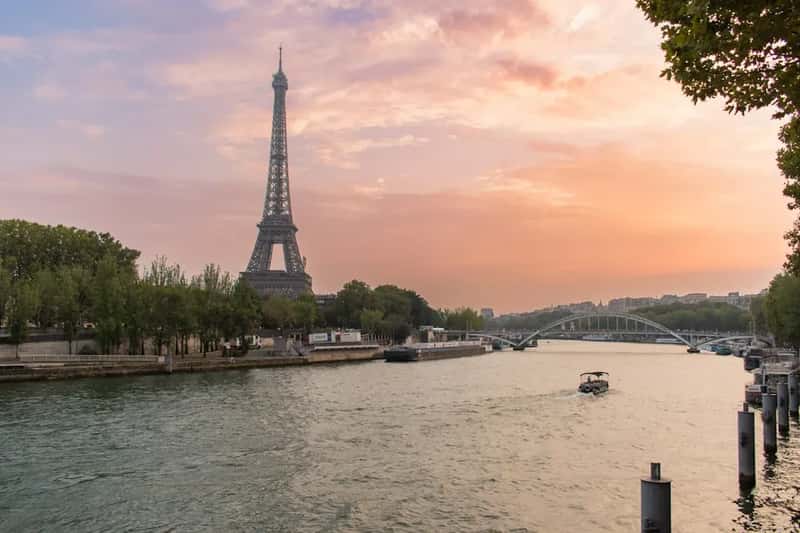
The momentum behind river swimming shows no sign of slowing, and the calendar for 2026 makes that clear. Building from its sporting roots, the Grenelle spot will host open-water and high-dive events for the European Swimming Championships later this month, the first time Paris has held the competition since 1931. That’s a notable comeback for a river that couldn’t host a triathlon just over a decade ago.
Weather is adding urgency of its own. Paris just experienced its hottest day on record, with temperatures topping 104 degrees Fahrenheit in late June, and with a third heatwave set to hit next week, the opening of the swim spots couldn’t come at a better time. As the next heatwave rolls in and the city begins to cook again, the verdict on the cleanup could become clearer if many more residents finally decide to take the plunge. For a river that spent a century as a warning sign, that’s a fairly remarkable turn of events.