You pack the sunscreen. You double check the hotel confirmation. You even remember the phone charger this time. Then you get to the airport, hand over your passport, and the agent pauses a little too long. That pause is where a lot of trips quietly end before they ever begin, and the reason usually has nothing to do with a visa or a criminal record. It comes down to a technical detail buried in the passport itself, one that most travelers never think to check until it’s too late.
The six month rule nobody reads until it bites them
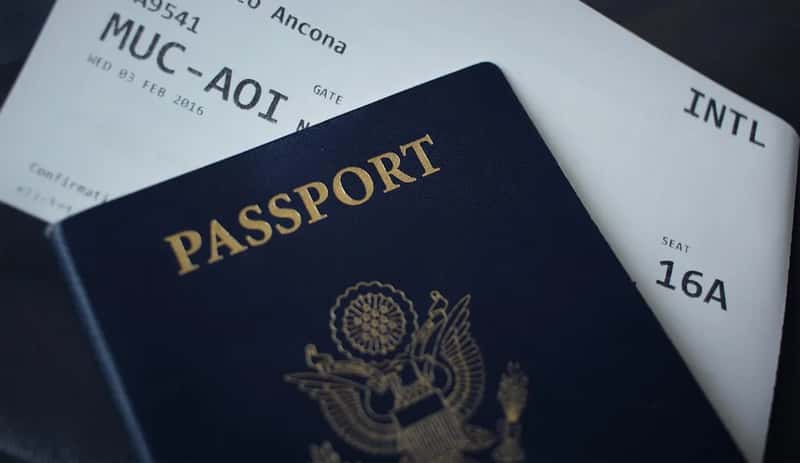
The passport 6 month rule means some countries want your passport to stay valid for at least six months beyond your travel date, but it does not apply everywhere.[1] It sounds like a small technicality, yet it has become one of the most common reasons travelers get turned away at check in rather than at the border itself. When planning an international trip, travelers often focus on flights, hotels, and activities, overlooking one crucial detail: passport validity.[2]
The rule means many destination countries require your passport to stay valid for at least six months beyond your planned departure from that country.[3] The US State Department puts it plainly: some foreign destinations require that your passport have at least six months of validity beyond the dates of your trip, and some airlines will not allow you to board if this requirement is not met.[3] It is not a rumor floating around online forums. It is written into entry policy for dozens of countries, and airlines have every incentive to enforce it before you ever board.
Not every country plays by the same clock
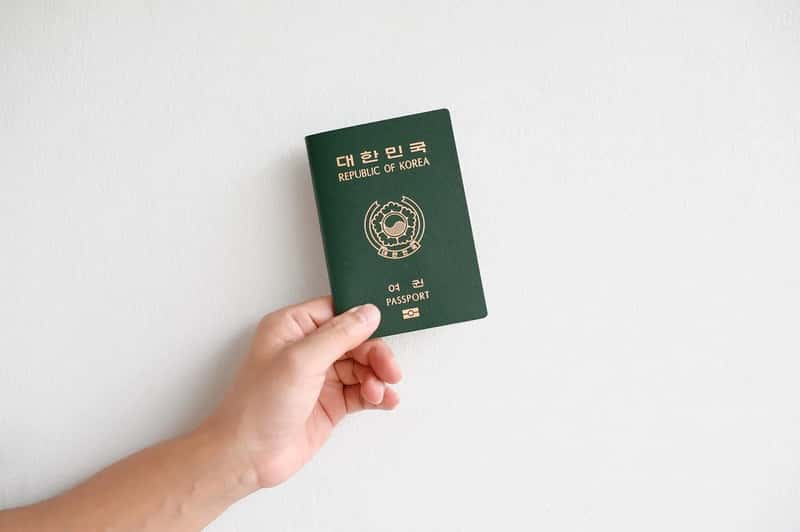
Here’s where things get confusing fast. There are 90 countries that do not require six months of passport validity, with 36 requiring three months, while the remaining 54 have specific regulations that may be more or less strict than the six-month rule.[4] So the six month figure people repeat as a blanket rule is really just one version among several.
Countries like Japan, Iceland, and Italy do not need six month passport validity for you to travel there.[5] Meanwhile a viral warning circulating recently noted that Turkey wants 150 days from the expiry, while places like Thailand want six months.[6] That kind of inconsistency is exactly why travelers assume their passport is fine when it actually isn’t.
Airlines, not border agents, are usually the ones saying no
Here’s the part that surprises most people. It’s rarely an immigration officer who catches the problem. IATA’s Travel Centre and Timatic system provide the travel document requirements used across the airline industry, and Timatic is described by IATA as a real time source trusted by airlines, ground handlers, travel agents, and government officials.[1] That system flags your passport before you even reach the gate.
Airlines only enforce the rule at check in because they face fines for carrying improperly documented passengers.[3] Airlines enforce these rules at check in because they face financial penalties if passengers are refused entry at destination borders, so the liability pushes enforcement to the departure gate, where gate agents verify passport validity.[6] In practical terms, that means the airline employee scanning your passport has more authority in that moment than you might expect.
The countries where enforcement is strictest
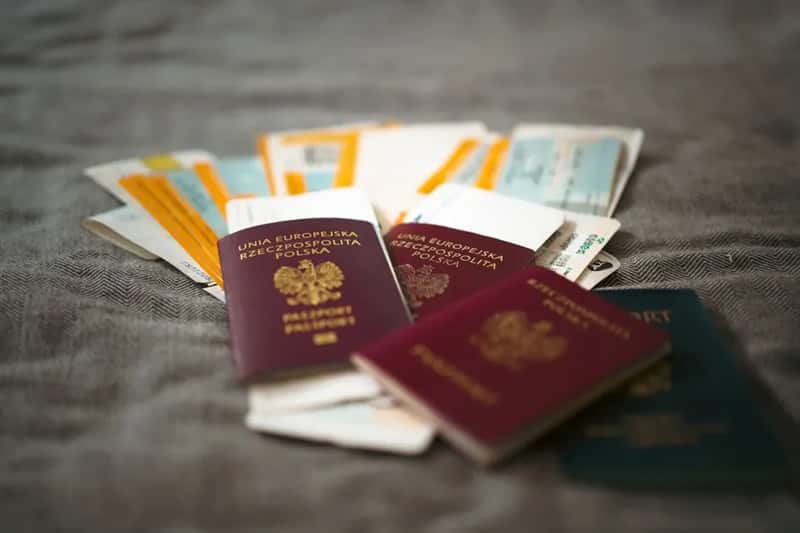
Some destinations have a reputation for being unforgiving about this. Thailand, Indonesia, the Philippines, Malaysia, and India all require six months of validity, and rules for Thailand and Indonesia are strictly enforced by airlines.[7] China and India regularly appear on lists of countries where officials show little flexibility.
South Africa deserves a special mention here because its rules trip up even seasoned travelers. The South African Embassy says a passport must contain at least two unused pages labeled “Visa” for the visa sticker and entry stamp, on top of the six month validity expectation.[8] Combine a validity shortfall with a page shortfall, and you have a near guaranteed denial.
The blank page problem hiding behind the validity rule
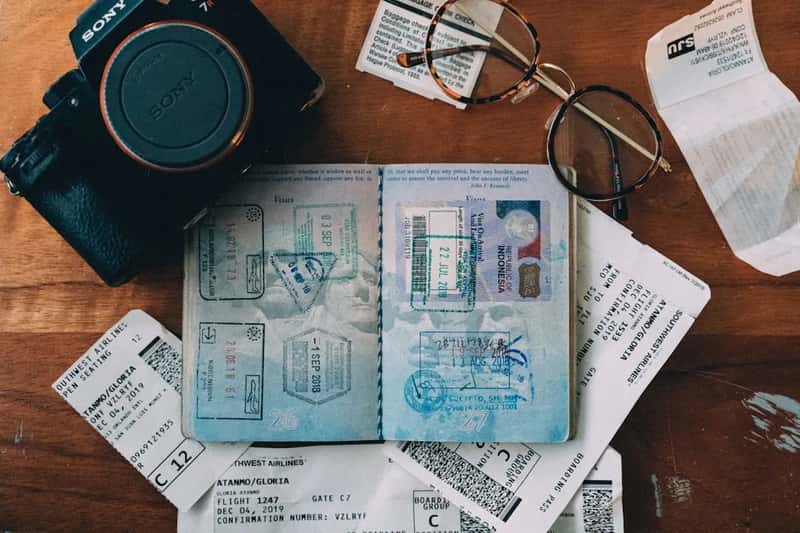
Passport validity gets most of the attention, but blank pages are the quieter half of this story. When traveling internationally, most countries require passport holders to have at least one blank visa page in their passport, and some countries might require two blank pages or more.[9] A well traveled passport full of stamps can technically still be “valid” while being functionally useless for a new visa or entry stamp.
The split across countries is wider than most people assume. Out of 199 countries, 152 require only one page, 43 require two or three pages, and four have no specified requirement at all.[9] That means nearly a quarter of the world’s countries want more than a single open page, which is easy to overlook if your passport is already a few stamps into its lifespan.
Two pages is not the same as two available pages
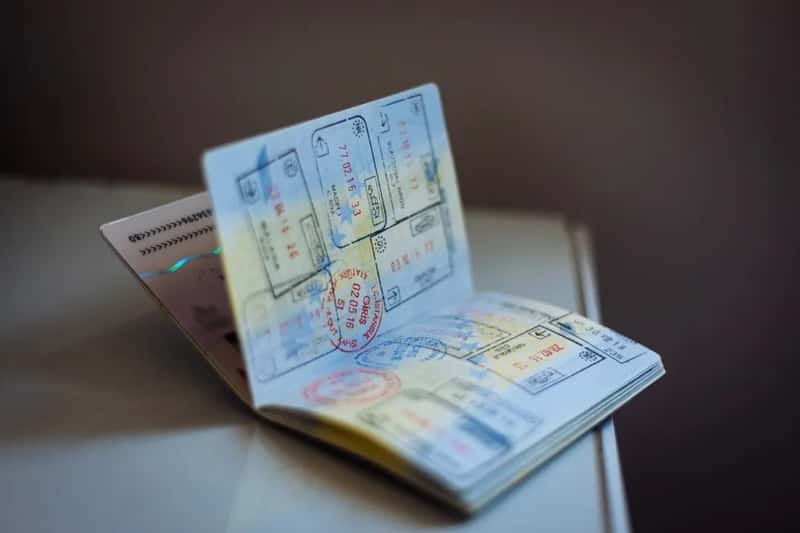
This is the part travelers misunderstand most often. Having two pages left with a small stamp in the corner of each does not count. Schengen countries usually require at least two completely blank pages, and this must be separate from any endorsement pages.[10] A partially used page does not satisfy that requirement, even if there’s technically white space on it.
South Africa applies the same strict logic but goes further. South Africa famously requires two consecutive blank pages for US visitors.[7] Consecutive means exactly what it sounds like. Two blank pages scattered on opposite sides of the passport booklet will not satisfy an immigration officer looking for two in a row.
The EU adds its own twist to the calendar
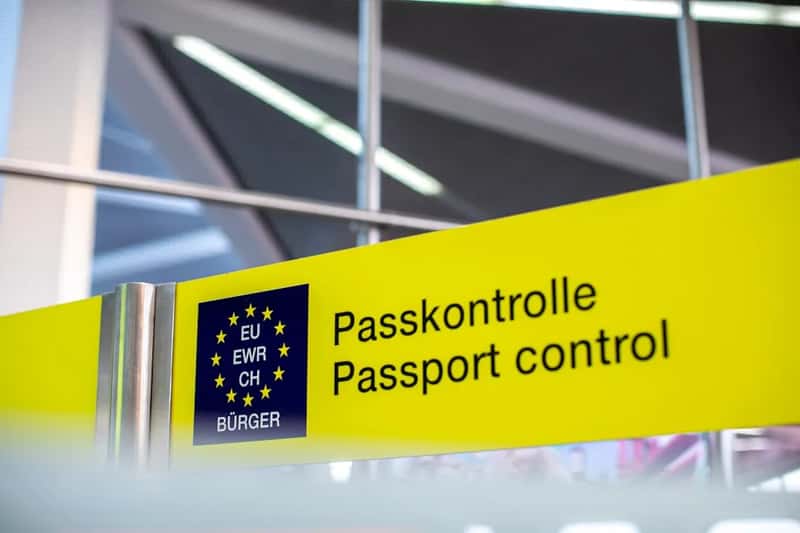
Europe complicates the picture further with a rule that combines two separate clocks. Europe adds another layer, since for EU travel, passports must be issued within the last 10 years and maintain at least three months of validity from your planned departure.[6] That’s a very different standard from the six month rule travelers associate with places like Thailand or Indonesia.
The ten year issuance clock catches people off guard because it has nothing to do with expiration date at all. A passport can show years of remaining validity on its cover yet still fail EU entry if it was originally issued more than a decade before the travel date. It is one of the least understood passport quirks in international travel today, precisely because it sounds unrelated to expiration.
The US has its own list of exceptions
Americans flying abroad aren’t the only ones affected. Travelers heading into the United States have a parallel rule with its own carve outs. The United States has agreements with certain countries that allow their citizens to travel to the US as long as their passport is valid for the duration of their stay, rather than an additional six months.[11]
That exemption is not informal or airline dependent. Citizens of the countries on the CBP exemption list are exempt from the six month rule and need only have a passport valid for their intended period of stay.[12] It’s a useful reminder that these rules are bilateral, built country by country rather than applied evenly across the globe.
Families get caught out more than solo travelers

If you’re traveling with kids, the stakes multiply. Denials spike during peak travel seasons when travelers dig out passports they haven’t checked in months, and summer vacations, winter holidays, and spring breaks generate the highest refusal rates, particularly among families traveling with children whose passports may have been issued years earlier.[6]
A child’s passport issued five years ago for a toddler can quietly slip past the six month validity window without anyone noticing, since parents tend to check their own documents far more often than their kids’. By the time the family reaches the airport, the mismatch between adult and child passport timelines can turn into a scramble nobody wants to deal with at a check in counter.
What actually happens once you’re flagged
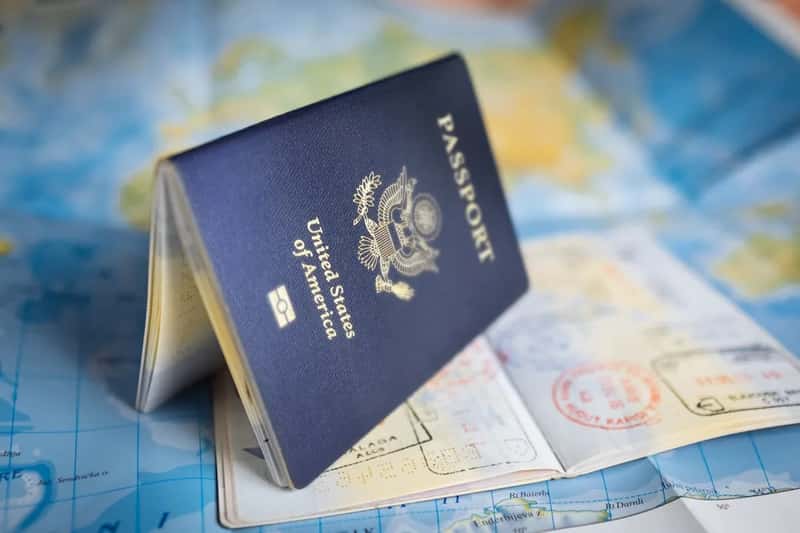
The consequences aren’t abstract. If your documents are set to expire soon, you could be denied boarding, or worse, turned away at the border.[2] Being denied boarding at your home airport is inconvenient. Being turned away after landing somewhere is a far more expensive and disruptive problem.
Once flagged, there’s usually no negotiating at the gate. The agent reads your passport against the destination’s recorded entry rules, and if the validity falls short, they will typically decline to board you.[3] At that point, your options are limited to rebooking, rerouting, or in some cases scrambling for emergency passport renewal, none of which happen quickly on a travel day.
How to actually check before it becomes your problem
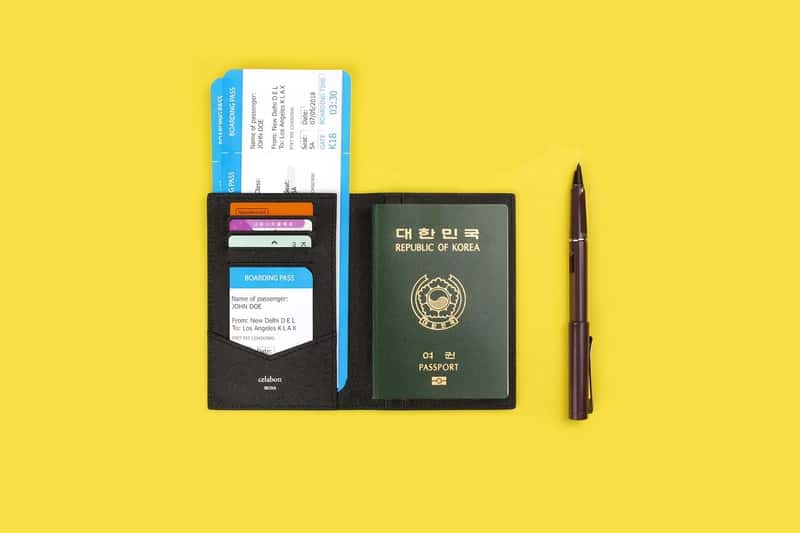
The fix is almost embarrassingly simple once you know to look for it. Calculate forward from your planned return date, not your departure date, add six months as a baseline, then verify specific requirements for your destination country through official embassy websites or the US State Department.[6]
It’s also worth physically flipping through your passport rather than trusting memory. If you travel often, it’s a good idea to check the specific requirements of your destination and keep at least two to four blank pages in your passport, even if not explicitly required, to avoid problems.[10] A five minute check at home is a far better use of time than finding out the hard way at the airport.
Final thoughts
None of this requires special expertise or a travel agent’s help. It just requires actually opening your passport before you book anything and doing basic math on the expiration date. The rule exists everywhere, but the way it gets enforced still catches people off guard every single travel season.
Given how unevenly these requirements are applied from one country to the next, the safest habit is a simple one: treat six months of validity and a couple of genuinely blank pages as the baseline, not the exception. It costs nothing to check early, and it’s a lot cheaper than finding out about the rule at the gate.