You’ve booked your flight to Tokyo, downloaded a translation app, and maybe even learned to say ‘arigatou gozaimasu’ with confidence. Still, there’s a whole layer of Japanese culture that guidebooks barely scratch the surface of. These aren’t the obvious rules like taking off your shoes at the door or bowing when you meet someone. We’re talking about the subtle, unspoken codes that separate respectful visitors from those who unknowingly cause quiet discomfort everywhere they go. The kind of missteps that make locals politely smile while internally cringing.
What makes Japan fascinating is how these cultural nuances run deep into everyday life, from the way you hold your chopsticks to which side of the escalator you stand on. Miss these cues, and you might find yourself on the receiving end of awkward stares or gentle corrections. The good news? Once you understand these hidden rules, navigating Japanese society becomes infinitely smoother and more rewarding. Your interactions feel more genuine, locals warm up faster, and you’ll experience a side of Japan most tourists never quite reach. Let’s dive into the etiquette rules that truly matter.
The Quiet Rule About Eating While Walking
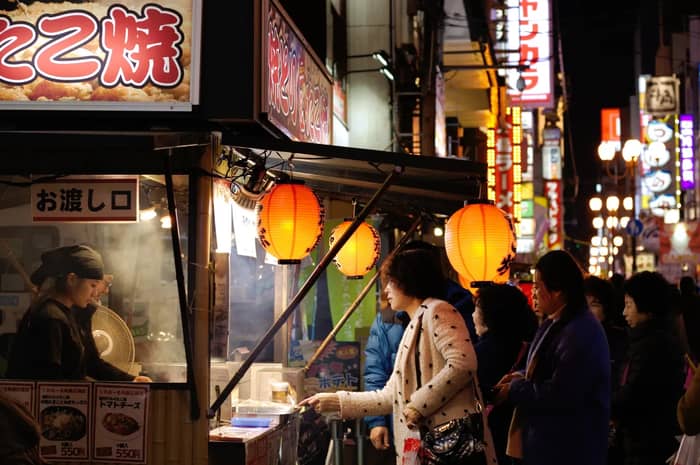
Walking through Japanese streets with a snack in hand might seem harmless, but it’s actually seen as disrespectful and goes against the Japanese value of keeping streets clean. Exceptions exist during festivals, on pedestrian-only streets, at night markets, or in food stalls around tourist spots, where eating as you go is generally fine. One of the main reasons for this rule is that Japan prides itself on having some of the cleanest streets in the world, and encouraging outdoor eating might leave a lot more trash.
Here’s the thing: you’ll notice Japanese people often stop by a vending machine or convenience store, finish their food right there, and then continue on their way. It might feel odd at first. Bins are super hard to find in Japan, but they will most likely be at the conbini’s, next to vending machines, or in public restrooms.
Train Etiquette Goes Far Beyond Silence
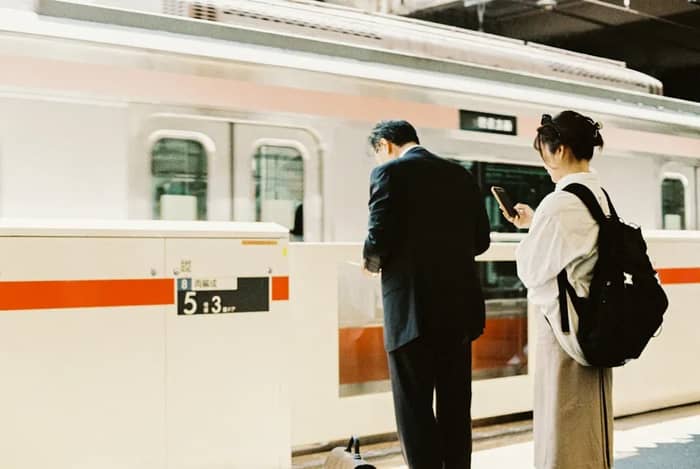
The Japan Private Railway Association conducts an annual survey on the manners of train and station users, and for the 2024 survey, with 8,210 responses collected, sitting impolitely topped the list at 37.1 percent of respondents. Train passengers spreading their legs wide or stretching their feet out far in front of themselves were cited as impolite. A majority of 55% of Japanese train riders indicated that the train is always very crowded.
What surprises most visitors is the silence. People refrain from loud conversations or phone calls on trains or buses. Japanese etiquette sees being calm and non-confrontational as a virtue, so even if you inadvertently commit a faux pas, you’re unlikely to have anyone yell at you, especially if you look like a visitor from overseas, which makes it all the more important to be aware of them yourself.
Restaurant Timing and Ordering Have Hidden Rules
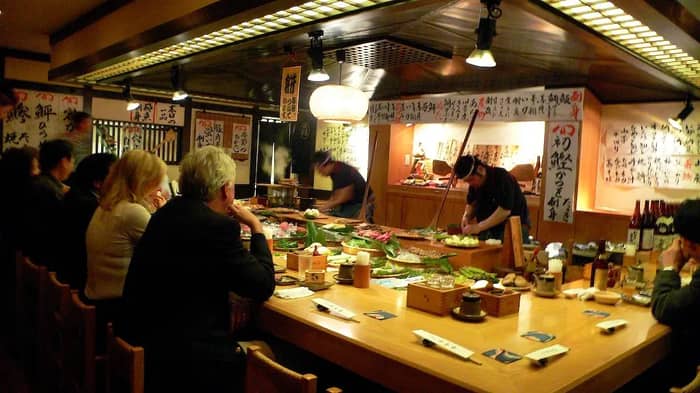
Most restaurants in Japan close by 8 PM, and if you try to dine after 7 PM, even open restaurants may not accept new customers. During a 2025 visit to Fukuoka, by 8 PM, most places were closed except for izakayas. Many popular restaurants require reservations, and you usually need to book one week to a month in advance for the most popular restaurants. Showing up 15-30 minutes late often means losing your table, and in some cases, you may even be charged a cancellation fee.
Let’s be real, the whole reservation culture catches people off guard. When eating in groups, don’t expect everyone’s dish to come out at the same time – dishes can come out 10-20 minutes apart. It’s perfectly normal in Japan.
Chopstick Mistakes That Offend Deeply

Passing food to others, chopsticks to chopsticks, is taboo because long chopsticks are used at funerals, and passing around food using chopsticks resembles passing around ashes at a funeral. Never stick your chopsticks into a rice bowl and leave it standing up, as this resembles incense sticks at Buddhist funerals and is also a custom practiced to leave offerings to the dead. Never rub chopsticks against each other to remove splinters, as this is considered extremely rude, implying that one thinks the utensils are cheap.
Honestly, I think this is one area where small mistakes feel enormous when you realize what they symbolize. Rice is sacred in Japan, and leaving uneaten rice or even morsels of rice in a rice bowl is frowned upon.
Onsen Bathing Has Strict Unwritten Protocols
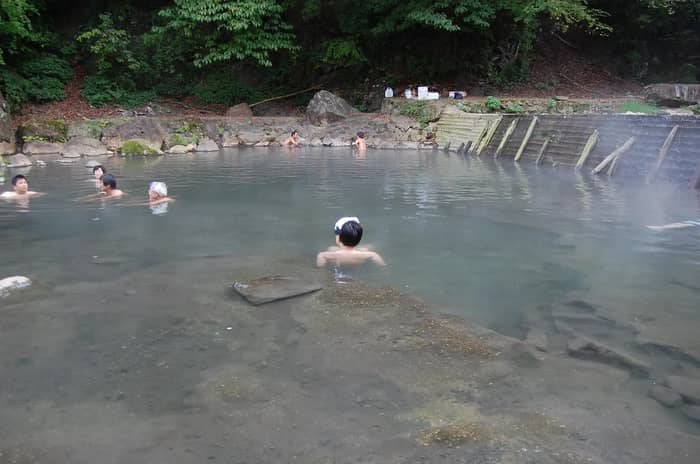
Hot springs are enjoyed naked, and swimsuits are not allowed. According to the Nippon Onsen Research Institute, there are over 2,900 onsen hot springs resorts scattered throughout Japan. Before entering and relaxing in the tubs, properly wash your body, because the baths are utilized by everyone; this is an important aspect of onsen etiquette. Your small towel should be kept out of the water.
Once you enter the bath, it’s important not to jump, dive, or splash in the water – simply relax and enjoy the experience. If you have long hair, make sure to tie it up securely after you shower. It’s hard to say for sure, but the onsen experience is genuinely transformative when you follow these rules.
The Escalator Side Debate Is Regional
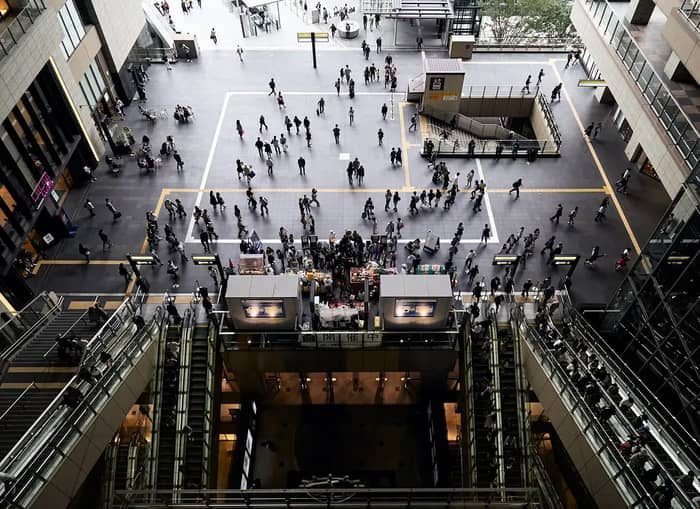
In Kansai, which includes Osaka, Kyoto, and other cities, the norm is to stand on the right, while outside Kansai, the left side is preferred. In Tokyo and most of Japan, people stand on the left and let others walk on the right, while in Osaka, it’s the opposite – people stand on the right, walk on the left. Saitama Prefecture and the city of Nagoya have mandated standing still by ordinance, while Fukuoka is trialing new measures to discourage walking on escalators, as it’s common in Japan to stand on one side of the escalator, leaving the other side clear for people to walk.
Studies show that standing on both sides of the escalator can result in up to a 27% increase in capacity, and around 75% of people prefer standing on escalators, which means keeping one lane clear for walkers is wasteful. The rules are shifting, which makes things confusing for travelers right now.