There’s something deeply satisfying about carving out exactly one week for a drive that changes how you see a place. Not a rushed weekend blur, not an open-ended month with no plan, just seven focused days behind the wheel. The routes below have earned their reputations honestly, through decades of travelers returning home with stories, sunburns, and a slightly worn map folded in the glovebox.
What follows are ten routes, scattered across four continents, that genuinely fit into a single week without feeling like you’re speeding past the good parts. Some are loops, some are point to point drives, and all of them reward planning without demanding it.
1. Pacific Coast Highway, California
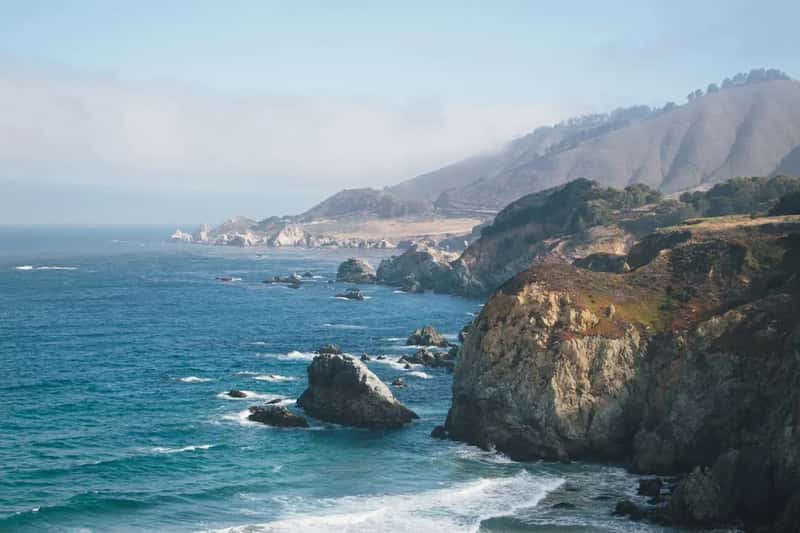
California’s Highway 1 is the road most people picture when they imagine an American coastal drive. The route begins near the northwest tip of the United States and stays within sight of the ocean almost all the way to the Mexican border, running roughly 1,650 miles in total. For a seven day trip, most travelers wisely stick to the San Francisco to Los Angeles stretch, which covers the iconic middle section through Big Sur, Monterey, and Santa Barbara.
That shorter segment leaves plenty of room for slow mornings at overlooks and detours into towns like Cambria or Carmel. Big Sur alone deserves at least a full day, since the cliffs and redwood groves along that stretch are not the kind of thing you want to blow through at highway speed. A week gives you enough slack to wait out fog, stop for elephant seals near San Simeon, and still reach Los Angeles without feeling rushed.
2. North Coast 500, Scotland
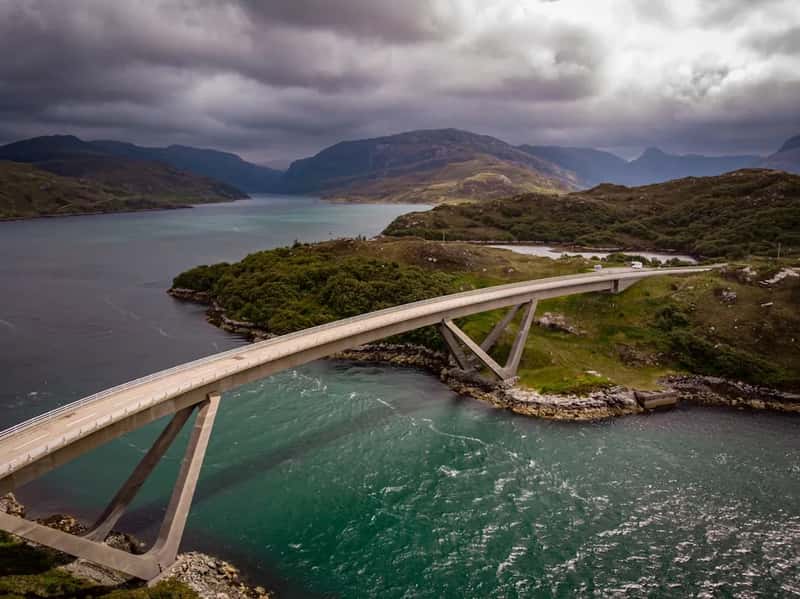
Scotland’s NC500 has become one of the most talked about road trips in Europe since its official launch, and the numbers explain why. The route is a 516 mile scenic loop around the north coast of Scotland, starting and ending at Inverness Castle, launched in 2015 to link many features of the northern Highlands into one touring route. Most guides agree that a week is the sweet spot for pacing.
Travel experts recommend giving yourself at least five to seven days to travel the NC500, with extra days giving space to slow down and explore hidden gems. The roads themselves are part of the experience, since much of the western coastline runs on narrow single track lanes that force a slower rhythm than a typical highway drive. Seven days lets you take in castles, distilleries, and beaches without treating the loop as a race against daylight.
3. The Ring Road, Iceland
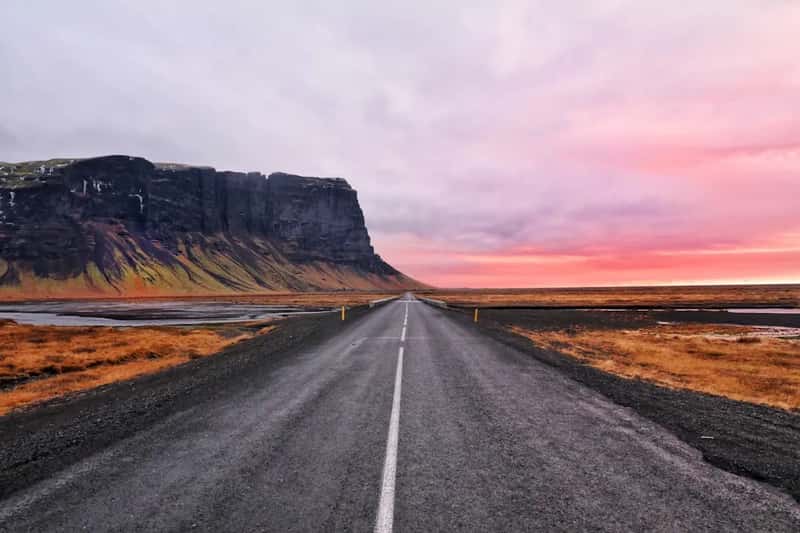
Iceland’s Route 1, known simply as the Ring Road, circles the entire island and connects nearly every major region along the way. The route covers 1,322 kilometers, or 821 miles, is fully paved, and stays open year round. Despite that length, a full nonstop drive would take under a day, which is exactly why nobody actually does it that way.
Guides describe a seven to eight day pace as the sweet spot, with drivers averaging two to four hours behind the wheel daily, leaving plenty of daylight for waterfalls. A week is tight enough to skip lengthy detours into the Westfjords, but it comfortably covers glacier lagoons, black sand beaches, and the geothermal fields near Lake Myvatn. Just keep an eye on road.is for conditions, since Icelandic weather can shift a driving plan in a matter of hours.
4. Great Ocean Road, Australia
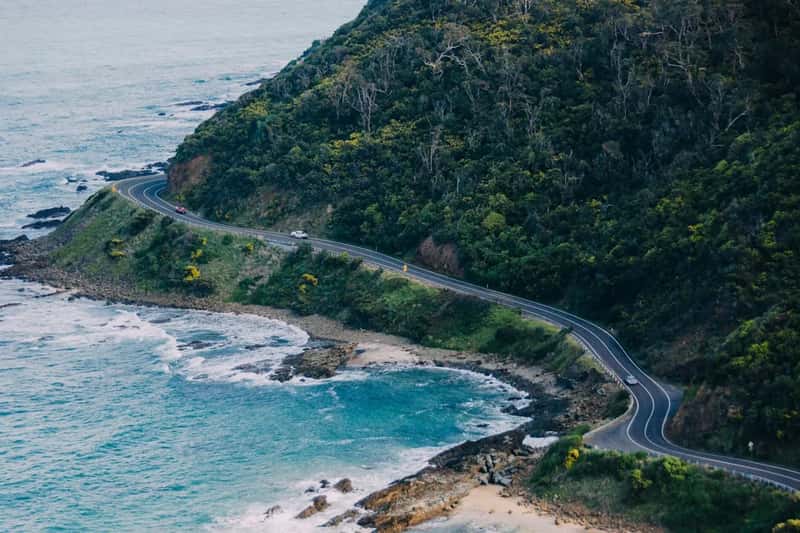
Victoria’s Great Ocean Road is short compared to some entries on this list, which actually makes it ideal for a relaxed seven day trip that includes detours inland. The road itself is a 240 kilometer, or 150 mile, National Heritage listed stretch running between the towns of Torquay and Allansford along the southeastern coast. It was built by returned soldiers between 1919 and 1932 and dedicated to those killed during World War I, making it the world’s largest war memorial.
Because the coastal drive itself only takes a couple of days at a leisurely pace, a full week leaves room to loop inland through the Grampians or push further along to Adelaide. The Twelve Apostles limestone formations near Port Campbell are the postcard moment most people come for, but the surf towns of Lorne and Apollo Bay are worth slowing down for too. Seven days here feels generous rather than rushed, which is a rare thing on a bucket list drive.
5. The Garden Route, South Africa
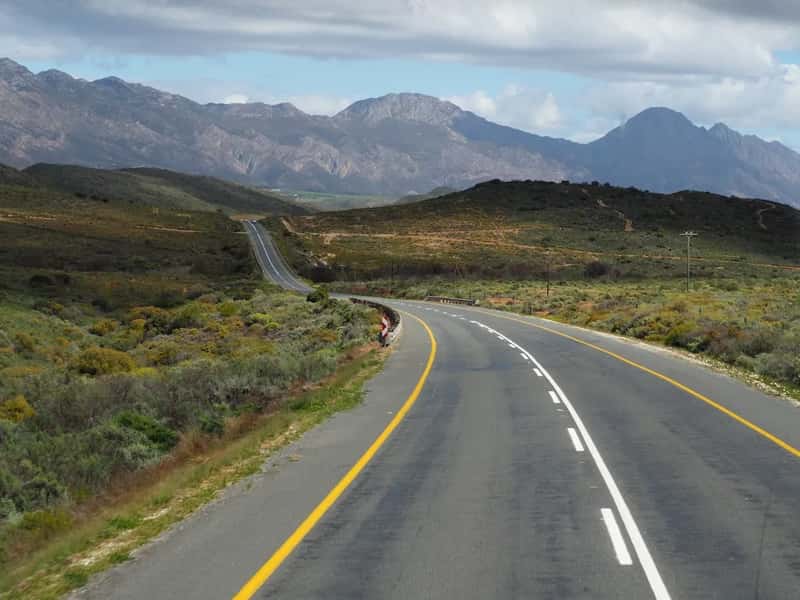
South Africa’s Garden Route stretches along the country’s southern coastline and packs an unusual amount of variety into a modest distance. Sources place the route at roughly 300 kilometers, or 186 miles, running from Mossel Bay in the Western Cape to Storms River in the Eastern Cape. Some estimates trim that a bit shorter, with one travel outlet noting the route is a stretch of coast where the exact length is debated, ranging anywhere from 200 to 300 kilometers.
What makes seven days work well here is the addition of Cape Town at one end of the trip, since most travelers fly in there before driving east. Along the way there’s whale watching near Hermanus, oyster tastings in Knysna, and the option to detour into a Big Five game reserve near the route’s eastern edge. It’s a drive that mixes coastline, forest, and wildlife in a way few other routes manage in such a short stretch.
6. Blue Ridge Parkway, Virginia and North Carolina
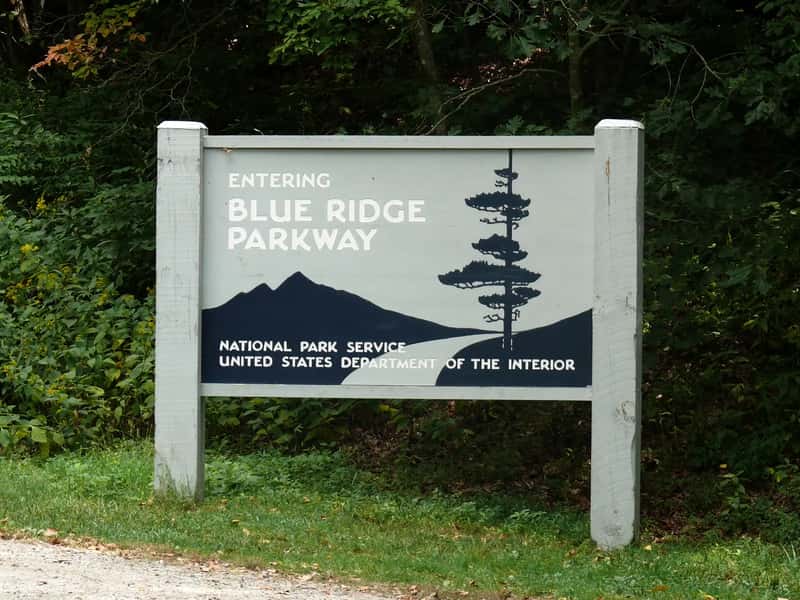
The Blue Ridge Parkway is often called America’s favorite drive, and it has the length and legacy to back that claim. The parkway runs for 469 miles through 29 counties in Virginia and North Carolina, linking Shenandoah National Park to Great Smoky Mountains National Park. It also happens to be the longest linear park in the United States, a title that says a lot about how deliberately it was designed as a scenic experience rather than a shortcut between two points.
A week gives you time to hike short trails off the parkway, visit small mountain towns like Blowing Rock, and catch the Linn Cove Viaduct without rushing the overlooks. From the northern end, the parkway extends southwestward for almost 220 miles through Virginia, passing near Lexington and Roanoke, before entering North Carolina. Fall foliage season draws the biggest crowds, so a summer or early autumn week trip tends to strike the best balance between color and traffic.
7. Amalfi Coast and the Sorrentine Peninsula, Italy
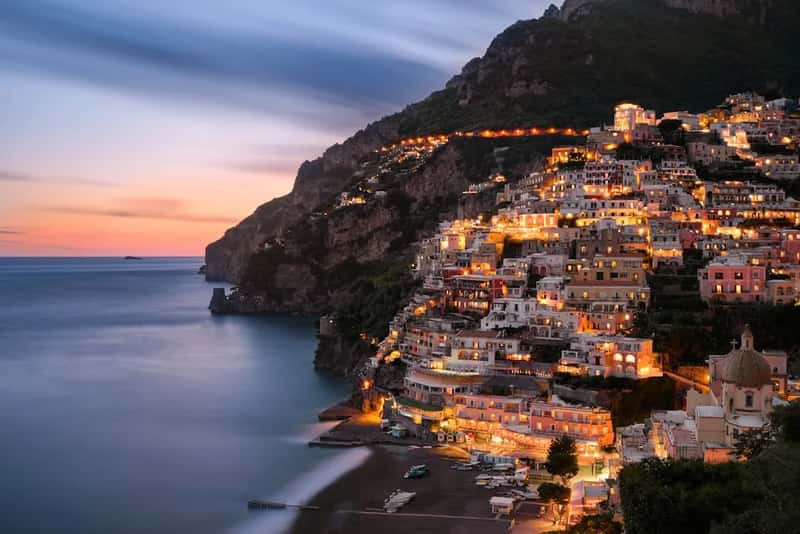
Italy’s Amalfi Coast is compact by international standards, but its narrow, cliff hugging roads mean distance and driving time rarely line up the way you’d expect. The coastal road connecting towns like Positano, Amalfi, and Ravello covers only around 30 miles end to end, yet a single stretch can take hours thanks to switchbacks and summer traffic. That slowness is part of the charm rather than a flaw, since it forces stops in towns most drivers would otherwise blow past.
A seven day trip here typically pairs the coastal drive itself with excursions to Pompeii, Capri, or the Sorrento peninsula, since the core coastal road alone would only fill a day or two. Renting a smaller car matters more here than almost anywhere else on this list, given how tight some of the village lanes get. Evenings in Amalfi or Praiano, with dinner overlooking the water, are usually what people remember most once the trip is over.
8. Norway’s Atlantic Road and Fjord Circuit
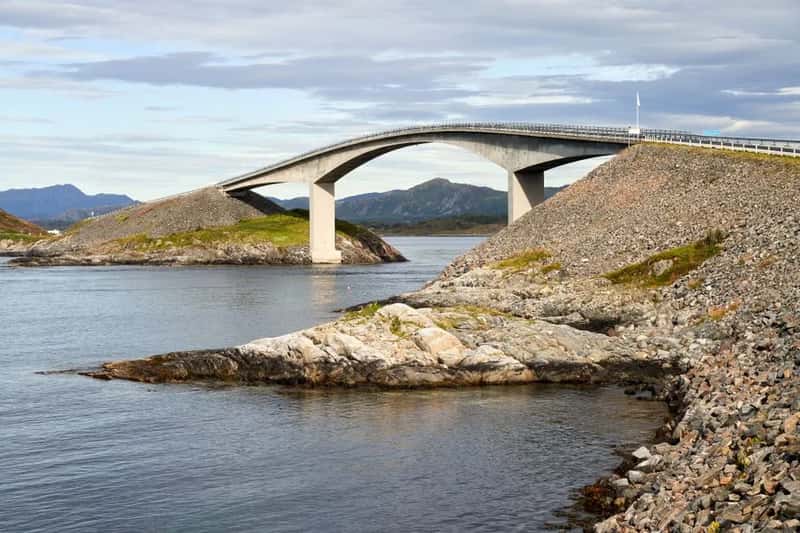
Norway’s western coast offers a road trip built almost entirely around bridges, tunnels, and water. The Atlantic Road, a short but famous stretch connecting a string of small islands near Molde, is often the visual centerpiece, but most seven day itineraries expand it into a larger loop through the fjord region, including Geiranger and the Trollstigen mountain pass. The scenery shifts dramatically from open ocean views to steep, waterfall lined fjord walls within a single day’s drive.
Ferries play a bigger role here than on most other routes on this list, since crossing fjords by car often means timing a boat rather than finding a bridge. A week is enough to cover the Atlantic Road, Trollstigen, and one or two fjord cruises without feeling like the trip is entirely spent waiting on ferry schedules. Summer remains the easiest season, since several mountain passes close or become unpredictable once snow returns.
9. Historic Route 66, Central Stretch

Route 66 in its full historic form stretches from Chicago to Santa Monica, far too long for a single week without serious daily driving. Most travelers instead pick a regional stretch, commonly the section running through Oklahoma, Texas, New Mexico, and Arizona, which concentrates many of the route’s most recognizable stops. Roadside diners, vintage motor courts, and towns like Tucumcari and Winslow still lean heavily into the highway’s mid century identity.
Seven days on this middle stretch allows time for the Cadillac Ranch outside Amarillo, the Wigwam Motels, and a stop at the Painted Desert without needing to drive more than a few hours on any given day. It’s less about covering ground quickly and more about the small museums and roadside oddities that only reveal themselves if you’re willing to pull over. Anyone chasing a purer slice of Americana tends to find this central section more rewarding than the interstate heavy segments near either coast.
10. The Grand Circle, American Southwest

The Grand Circle loop through the American Southwest links several of the country’s most photographed national parks into one manageable driving route. A typical week long version starts in Las Vegas, then moves through Zion, Bryce Canyon, and the North or South Rim of the Grand Canyon, sometimes adding Monument Valley or Antelope Canyon depending on pace. Distances between parks are shorter than they look on a map, often just two to four hours, which is what makes the whole loop realistic in seven days.
Each park brings a noticeably different landscape, from Zion’s narrow sandstone canyons to Bryce’s amphitheater of hoodoos and the sheer scale of the Grand Canyon itself. Because the parks are relatively close together, the drive spends more time in trailheads and viewpoints than on the road, which suits travelers who want hiking mixed in with their driving. Summer heat can be intense at lower elevations like the Grand Canyon floor, so spring and fall remain the more comfortable windows for this particular loop.
Seven days is rarely enough to see everything a region has to offer, and none of these routes are meant to be checked off completely in that time. What a focused week does well is force a decision about what actually matters on a given trip, whether that’s slow mornings in Big Sur, a ferry crossing in a Norwegian fjord, or one more stop at a roadside diner along old Route 66. The best of these drives tend to leave travelers already thinking about what they’d add on a second visit.