English has become the connective tissue of global business, science, and travel, yet the countries that speak it best as a second language rarely get the recognition they deserve. Every year, EF Education First tests millions of adults worldwide through its EF Standard English Test, producing the most detailed snapshot available of who actually speaks English well and where. The 2025 results, drawn from testing that took place through 2024, reveal a ranking dominated by small, tightly connected European nations rather than the usual suspects.
What makes this list interesting is not just who sits on top, but how much movement happened this year. Some countries that barely cracked the top fifteen a few editions ago have suddenly leapt into the elite tier, while a few long-time favorites either held steady or slipped a notch. Here is how the ten strongest non-native English-speaking nations on the planet stack up right now.
1. Netherlands

The Netherlands holds onto the number one spot with a commanding score, and honestly, it is not much of a surprise anymore. The Netherlands is the most proficient English-speaking country on Earth, topping the EF EPI 2025 with a score of 624, where English is taught from primary school and is near-universal in business, higher education and daily life. Dutch television rarely dubs foreign content, so children grow up hearing English constantly from cartoons to news broadcasts.
Walk into any shop, university lecture hall, or government office in Amsterdam and you will find English spoken with almost native ease. The country’s small size and heavy reliance on international trade have made English less of an academic subject and more of a practical daily tool, which explains why the gap between the Netherlands and everyone else remains so wide.
2. Croatia
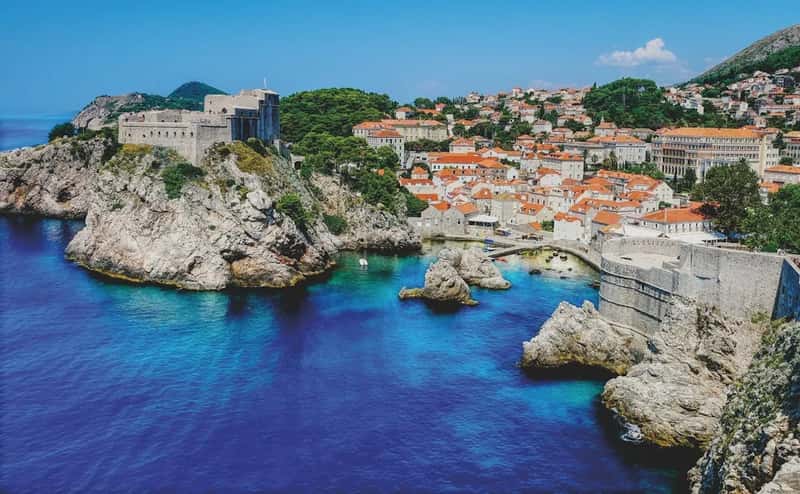
Croatia’s rise this year is arguably the biggest story in the entire index. Croatia achieved its best-ever result in the newly released EF English Proficiency Index 2025, rising from 11th place to 2nd and establishing itself as one of the strongest non-native English-speaking countries in the world. That kind of jump in a single year is rare for any country tracked by EF.
Part of the explanation lies in how Croatians consume media. Foreign films and television programs in Croatia are broadcast almost exclusively with subtitles rather than dubbing, except for children’s content. Add in a tourism-driven economy where locals converse daily with English-speaking visitors along the Adriatic coast, and the country’s climb starts to make a lot more sense.
3. Austria

Austria has quietly become one of Europe’s most reliable performers in English proficiency, sitting just behind Croatia this year. Europe’s largest economy ranks fourth worldwide, though Austria itself scored 616, placing it third, with English a core school subject and the default language of much international business. The country blends rigorous classroom instruction with heavy cultural exposure to English-language film, music, and academic literature.
Vienna in particular has built a reputation as a hub for international organizations, which keeps English embedded in daily professional life. Austrian universities have also expanded English-taught programs over the past decade, drawing students from across Europe and reinforcing the country’s already strong foundation.
4. Germany
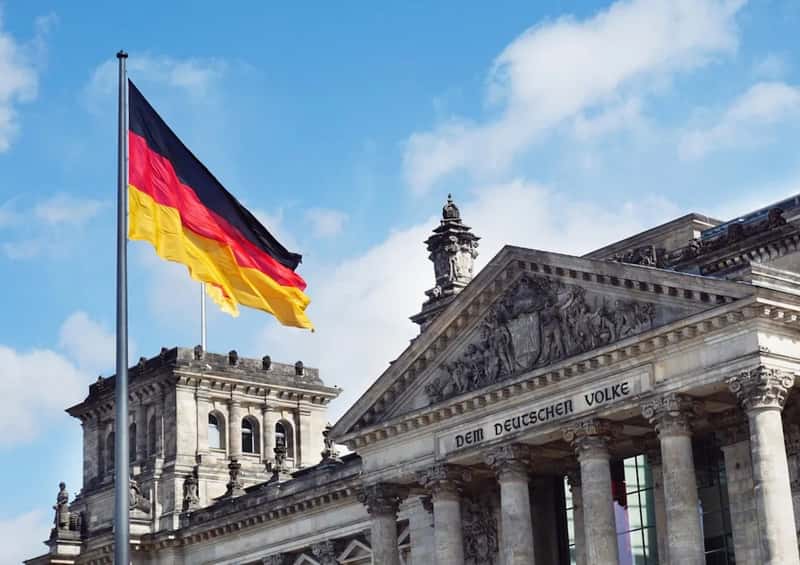
Germany moved up several places this year, and the improvement was significant enough that EF highlighted it directly. The Netherlands remains number one, followed by Croatia and Austria, both of which improved their rankings, while Germany climbed to fourth with one of the biggest gains in Europe. With a population far larger than most countries near the top of this list, that strong average score translates into an enormous number of fluent English speakers overall.
The country has invested heavily in English education reforms, recognizing its importance for international commerce and scientific collaboration, and German universities increasingly offer programs taught entirely in English to attract international students and prepare domestic students for global careers. Berlin’s tech scene and Germany’s export-heavy economy have only accelerated this trend, making English a near-mandatory skill for anyone entering the corporate or academic world.
5. Norway
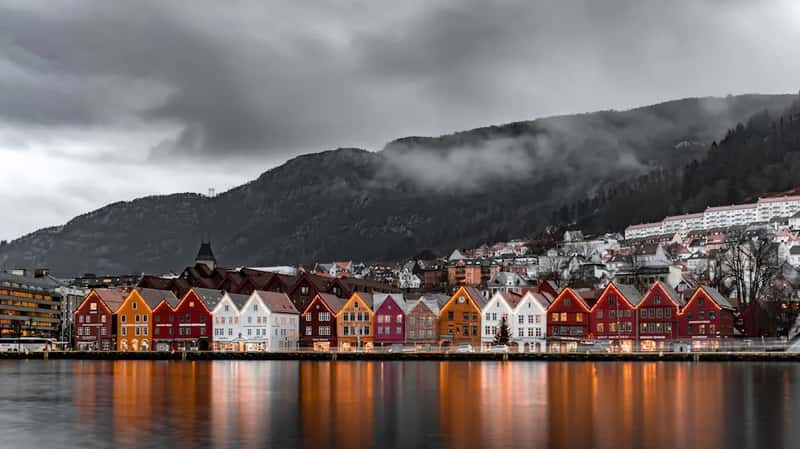
Norway continues its long tradition of near-flawless English instruction, landing comfortably in fifth place this year. Norway scores 613, and like its Nordic neighbours, it dubs little foreign-language TV and teaches English early, producing very high fluency. This pattern of minimal dubbing across Scandinavia has been cited repeatedly as one of the strongest predictors of high English scores in the region.
Norwegian schools introduce English from the earliest grades, and by the time students reach university, many are just as comfortable reading academic texts in English as in Norwegian. Oil wealth and international shipping industries have also kept English deeply woven into the country’s business culture for decades.
6. Portugal

Portugal has climbed steadily over the past several editions of the index, and this year it landed in sixth place overall. Portugal continues to climb, reaching 612, with English common in Lisbon, Porto and the Algarve, helped by a booming tourism and tech scene. The country’s growing appeal to digital nomads and remote workers has only reinforced the everyday presence of English in cafes, coworking spaces, and local businesses.
Portugal represents a success story in language education, having improved dramatically over the past decade through curriculum reforms and increased exposure to English media. That combination of policy change and real-world exposure through tourism appears to be paying off in a very measurable way.
7. Denmark
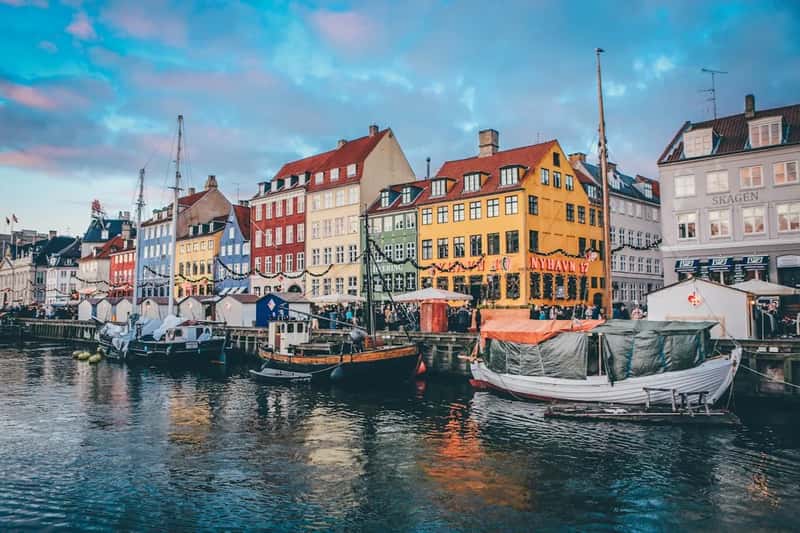
Denmark rounds out the Nordic cluster near the top of the rankings, edging past Sweden and Norway by the slimmest of margins this year. Denmark scores 611, and Danes are among the world’s most confident English speakers, with the language woven through media and education. Confidence, interestingly, is often the deciding factor between countries with similarly strong test scores, since fluency requires not just knowledge but willingness to actually use the language.
Most Danes have been learning English since early childhood, which creates a foundation for lifelong fluency. Danish universities have also expanded English-medium instruction significantly, which keeps younger generations practicing the language well beyond their school years.
8. Sweden
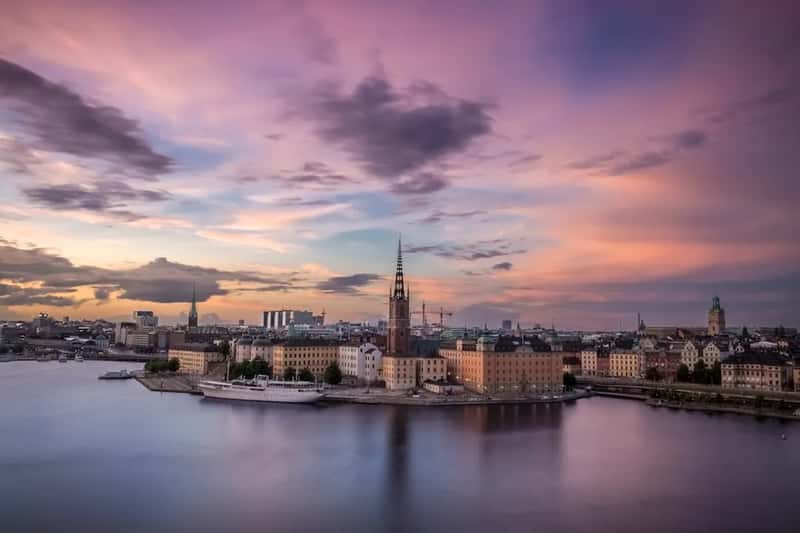
Sweden remains one of the most consistently strong performers in the entire index, year after year. Sweden scores 609, with English effectively a second working language in much of Swedish business and academia. That description captures something important about the Swedish approach: English is not treated as a foreign subject but as a functional necessity woven into professional life.
Swedish television has followed the same subtitling-over-dubbing pattern seen across the rest of Scandinavia, which continues to expose viewers to spoken English from a young age. Combined with an education system that introduces the language early and reinforces it throughout secondary school, Sweden’s position near the top feels well earned rather than accidental.
9. Belgium

Belgium’s multilingual culture gives it a natural head start when it comes to picking up additional languages, English included. Belgium ranks 7th in the EF EPI and 5th in TOEFL, securing 5th place overall in English proficiency, and the country’s unique position as a multilingual nation with Dutch, French, and German speaking communities gives its citizens a natural advantage in language acquisition. Growing up switching between two or three languages seems to build a kind of cognitive flexibility that makes learning a fourth one, English, considerably easier.
Brussels’ role as the administrative heart of the European Union has also kept English firmly embedded in daily professional life for decades. Belgian universities and international companies operating in the country routinely conduct business in English, further reinforcing the skill across generations.
10. Slovakia
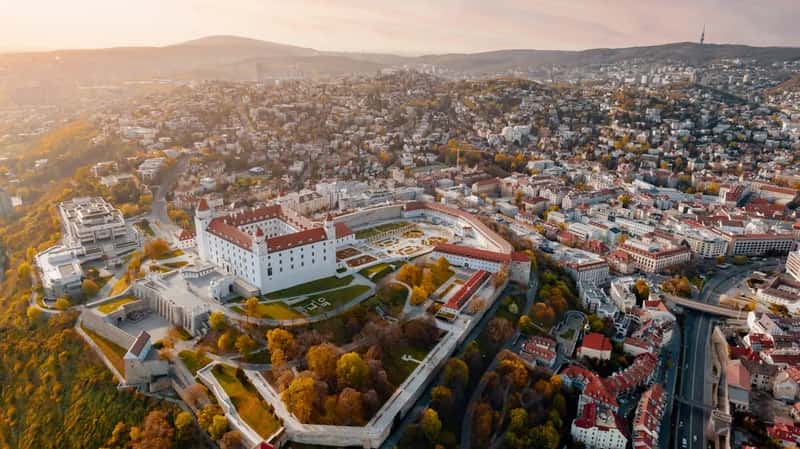
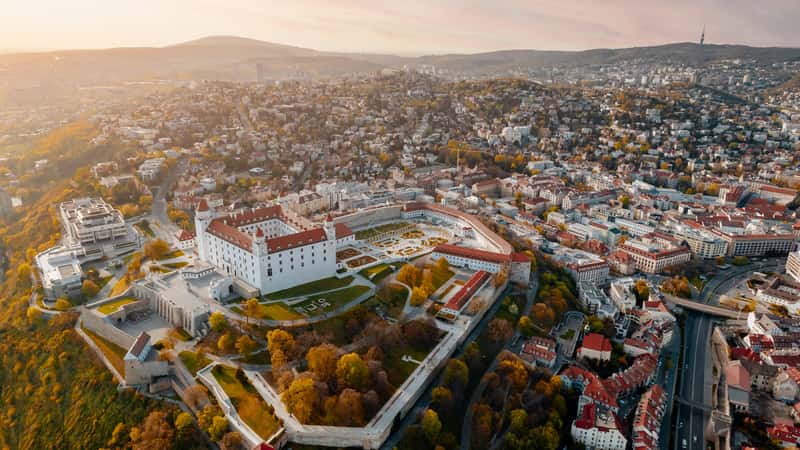
Slovakia’s arrival in the top ten this year marks a genuine milestone for the country. The latest EF English Proficiency Index 2025 places the country in tenth position worldwide, its best result yet, earning a very high proficiency rating and improving its score to 606, a tidy 22-point rise on last year. That kind of jump in a single year puts Slovakia among the fastest-improving nations anywhere in the index.
The reasons behind the surge are fairly practical rather than mysterious. EF’s country manager attributes Slovakia’s progress to greater exposure through travel, study abroad, employment in multinational firms, and a steady diet of English-language media, combined with access to quality courses and online learning. Interestingly, within Slovakia itself, this year’s domestic champion is Košice, whose residents outperformed all other regions, showing that English proficiency gains are not limited to the capital city alone.
It is worth remembering that this ranking measures proficiency among people who speak English as a second language, not the raw number of English speakers worldwide. Countries like India, Nigeria, and the Philippines have enormous populations who use English daily for work, education, and government, yet they are measured differently or excluded from this particular index because English holds official or quasi-native status there. The EF EPI instead captures something more specific: which nations, largely through education systems, media habits, and cultural openness, have produced the highest average skill level among adults learning English as an additional language. That distinction matters, because it tells a story less about population size and more about how deliberately a country has woven a foreign language into the fabric of everyday life.