Chasing a better balance between career and personal life has become one of the biggest reasons people pack up and move abroad. It’s no longer just about the paycheck. Expats today weigh working hours, vacation policy, commute times, and whether a country’s culture actually respects the idea of switching off after five o’clock.
According to the InterNations Expat Insider 2025 survey, one of the most comprehensive annual studies of expat life worldwide, five countries stand out from the rest when it comes to work-life balance. The survey drew on feedback from more than 10,000 expats representing 172 nationalities, and its dedicated Working Abroad Index measured satisfaction with things like working hours, career opportunities, and overall balance between job and personal time. Here’s a closer look at the five countries that came out on top.
1. Panama

Panama didn’t just do well in the InterNations rankings, it topped them outright. InterNations, the world’s largest global network for people living abroad, ranked Panama No. 1 for work-life balance in its 2025 Expat Insider report. The country’s rise wasn’t gradual either. In the ranking’s Working Abroad Index, Panama climbed from 12th place last year to first this year, with the category evaluating expats’ satisfaction with working hours and overall work-life balance. That’s a remarkable jump in a single year.
What makes Panama’s win even more interesting is that most people aren’t moving there chasing a job in the first place. Notably, fewer than one in five expats move to Panama for job-related reasons, at just 19% compared to 36% globally, with many instead relocating for lifestyle improvements, the experience of living abroad, or retirement. Panama also scored well beyond work metrics. For the second year in a row, Panama has been named the best country to live in, with an impressive 94% of expats reporting that they are happy there. According to InterNations’ own editor-in-chief, the appeal comes down to a specific combination of factors. Kathrin Chudoba noted that it is simply the close-to-perfect mix of a decent infrastructure at affordable prices in combination with a pleasant climate and a culture that’s open, friendly and easy to integrate with. Panama City offers modern conveniences, while the coastline and smaller towns give expats an easy escape into a slower pace whenever they want it.
2. Oman
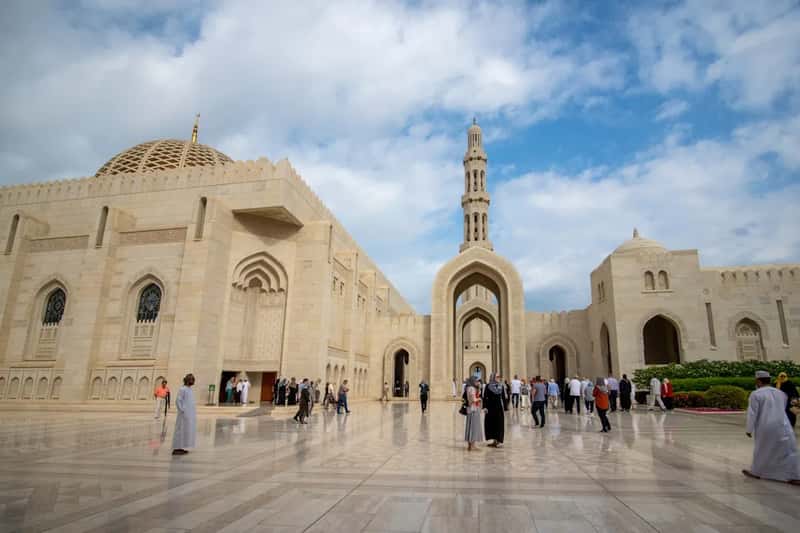
Oman is the quiet achiever on this list, a Gulf country that rarely gets the spotlight that Dubai or Doha attract, yet consistently rewards expats with genuine day-to-day balance. In second place is Oman, a country that often flies under the radar for expat life, yet its working expat population nearly doubles its citizen workforce, and it also offers robust infrastructure, favorable tax policies, and a low crime rate. That tax picture is a major draw for professionals weighing where their earnings will stretch furthest.
Oman currently has no personal income tax on employment earnings, and that arrangement isn’t going anywhere immediately. As of early 2026, the effective income tax rate for most employees in Oman is 0%, because the Personal Income Tax law, while legislated, is scheduled to take effect from January 1, 2028, and even then it will apply only to annual income above roughly 109,000 USD at a flat rate of 5%. Beyond the finances, the lifestyle itself tends to win people over. The relaxed pace of life and genuine friendliness of locals, with Omanis often inviting newcomers to share traditional coffee and dates, creates a welcoming environment that feels less transactional than other Gulf states. Add in a standard workweek with Fridays and Saturdays off, and it’s easy to see why expats report feeling settled here fairly quickly.
3. Denmark
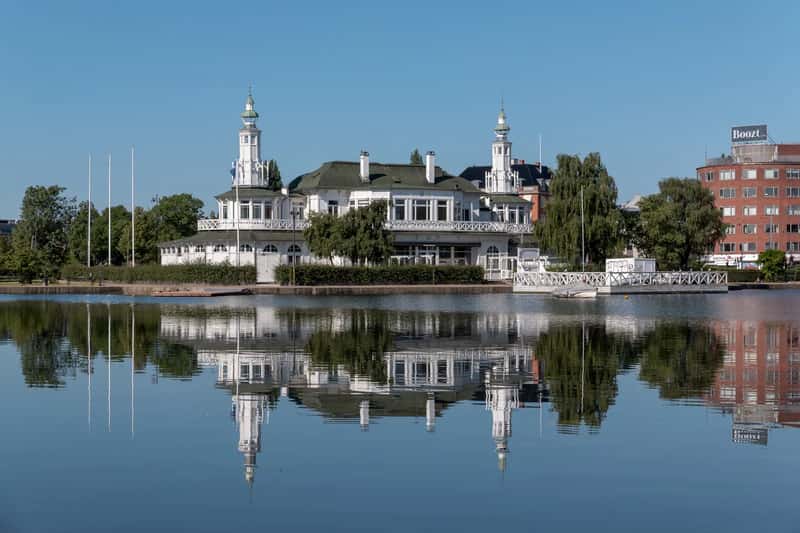
Denmark has built a reputation for work-life balance that goes back years, and the 2025 data confirms it’s not slipping. Denmark is renowned for its exceptional work-life balance, placing third in the Work and Leisure category of the InterNations Expat Insider Survey 2025. On paper, the numbers back up the reputation. A full-time workweek typically runs around 37 hours, and workers receive five weeks of paid vacation plus public holidays, compared to the 50-hour grinds in some other countries. For anyone coming from a culture of long hours and limited leave, that shift alone can feel transformative.
Denmark’s appeal isn’t limited to office hours either. Expats can benefit from flexible working hours, generous parental leave, and strong mental health support, which allows them to enjoy fulfilling careers while still having time for life outside of work. The country’s broader social model reinforces all of this. Denmark also claims the second spot in the World Happiness Report, and it offers social equality, universal healthcare, free education, and excellent work-life balance. Copenhagen in particular has become a magnet for expats in tech and green energy, drawn as much by the lifestyle as by the career prospects.
4. Australia

Australia rounds out the middle of the pack with a mix of outdoor lifestyle and workplace flexibility that expats consistently praise. Australia ranks highly among expats in the InterNations Expat Insider Survey for its work-life balance and flexible work culture, placing #4 in the Work & Leisure category and #10 overall in the Working Abroad Index in 2025. For many newcomers, that flexibility is exactly what makes the move worthwhile, especially when weighed against the demanding office cultures found elsewhere.
The country’s natural surroundings play a big role in how residents actually use their downtime. Australia’s natural beauty provides endless opportunities for adventure and relaxation in the great outdoors, and the country’s focus on outdoor living aligns with its commitment to health and wellness. That quality of life extends into the healthcare system too. It ranked #9 in the OECD Better Life Index for overall well-being, partly thanks to its robust healthcare system, and it also ranks #18 in the Global Peace Index, underscoring its strong record on safety and stability. Between the beaches, the safety, and a workplace culture that doesn’t glorify overtime, it’s a fairly easy sell for professionals considering a move.
5. Norway
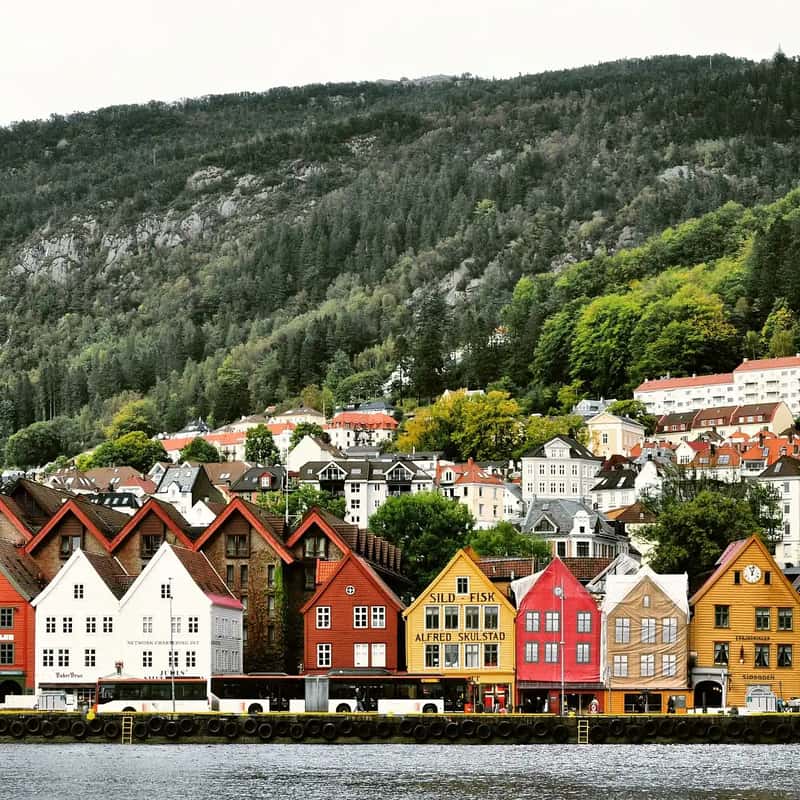
Norway closes out the top five, and it does so with some of the shortest working hours anywhere in the developed world. The Working Environment Act limits the week to 40 hours, yet Statistics Norway puts the average at 33.6 hours, which frees up meaningful chunks of the day for family, hobbies, or simply resting. Many workplaces also wrap up early on Fridays, reinforcing the sense that personal time is treated as a right rather than a luxury.
Norway’s legal protections back this up in ways that go beyond just the clock. Overtime pays at least 140% of the ordinary wage, and annual overtime may not cross 200 hours, while every full-timer receives a statutory 25 vacation days plus ten public holidays. Expats also tend to find the financial upside compelling. Twelve percent of expats in Norway have a gross yearly household income of more than 150,000 USD, among the highest shares of the top countries for work-life balance, and 72 percent of expats believe they make more in Norway than they would in a similar job back home. Cost of living can bite into that advantage, though, since Oslo and other major cities aren’t cheap. Still, for expats who prioritize predictable hours, generous leave, and a culture that treats burnout as a policy failure rather than a personal one, Norway remains hard to beat.
Taken together, these five countries show that a great work-life balance abroad rarely comes down to one single factor. Panama offers freedom and affordability, Oman blends tax advantages with a relaxed pace, Denmark and Norway lean on strong labor protections and shorter hours, and Australia pairs flexible work culture with an outdoor lifestyle that’s tough to replicate elsewhere. Anyone weighing a move abroad would do well to look past the salary number alone and ask a more useful question: will this country actually let me live, not just work?