Healthcare rankings shift every year, but the gap between the systems at the top and the ones struggling at the bottom rarely closes. Some nations manage to deliver excellent care while spending a fraction of what wealthier countries pour into hospitals and insurance. Others, weighed down by conflict, poverty, or mismanagement, leave millions without reliable access to even basic treatment. Looking at where things stand in 2026 tells a story that has less to do with national wealth and more to do with how a system is actually run.
Taiwan

Taiwan holds the top spot in Numbeo’s 2026 Health Care Index with a score of 87.1, the highest of any country measured. Its single payer system covers nearly the entire population while keeping administrative costs relatively low, and it ranks first overall while spending roughly $2.4K per person annually on healthcare. That is a remarkably modest figure compared to countries that spend five or six times as much per resident.
The strength of the system does not come from lavish spending but from design. Taiwan’s top position is largely credited to its universal National Health Insurance system and advanced healthcare digitalisation. Patients typically move through the system quickly, with electronic records and streamlined administration cutting down on the kind of bureaucratic friction that slows care elsewhere.
South Korea

South Korea sits in second place with an index score of 82.9. It spends about $3.1K per capita, still far below the levels seen in the United States or several Western European nations. The country’s National Health Insurance program is the backbone of that performance.
South Korea’s National Health Insurance covers 97% of the population, with premiums that are income-based and kept low.
What sets the system apart in practice is speed and prevention. The system features cutting-edge technology, short wait times, and some of the world’s highest rates of preventive screenings. The one real drawback, according to industry analysts, is that out-of-pocket costs can be high for certain services, meaning not every treatment is fully cushioned by insurance.
Netherlands

The Netherlands ranks third globally with a score of 81.5, according to Numbeo’s most recent figures. The Netherlands takes third with 81.5, ahead of Japan in fourth with 80.1. Dutch healthcare is built around mandatory private insurance, a structure that keeps nearly everyone formally covered.
Everyone who lives or works in the country is required to obtain basic health insurance, and the government determines which services must be included in the mandatory package covering general practitioner care, hospital treatment, mental healthcare, and certain prescription medications.
Access typically starts with a family doctor rather than a hospital visit. The huisarts, or general practitioner, is the main entry point into the system, coordinating care, treating most common illnesses, and referring patients to specialists when necessary. Those visits do not eat into the annual deductible, which stands at €385 in 2026, a detail that keeps routine care from becoming a financial deterrent.
Japan

Japan comes in fourth with a score of 80.1, but by other measures, particularly life expectancy, it remains one of the healthiest nations on earth. Japan’s universal system covers all residents with a simple 30% copay and a monthly cost cap for expensive treatments, and life expectancy sits at 84.6 years. Few countries manage that kind of outcome without runaway spending.
Healthcare spending is just 11% of GDP, and wait times are generally short, with patients able to see any doctor without needing a referral.
The system is not without long-term concerns. The main challenge facing Japan is an ageing population that is putting increasing pressure on the sustainability of the system. Fewer working-age contributors and a growing share of elderly patients mean policymakers will likely need to adjust financing in the years ahead, even if the day-to-day patient experience remains strong for now.
Austria

Austria rounds out the upper tier of the 2026 rankings. Austria rounds out the top five with a score of 78.9. Unlike Taiwan or Ecuador, Austria’s approach leans on higher spending alongside strong outcomes rather than pure cost efficiency.
Austria’s per-person healthcare spending comes in at roughly $6.7K, considerably higher than several of the countries ranked above it.
That spending buys a dense network of hospitals and a well-staffed system. Separate research on medical staffing has found that Austria tops the leaderboards for medical staffing ratios among the countries measured, reinforcing the idea that its high ranking reflects genuine capacity rather than just survey sentiment. Patients generally benefit from short waits and broad specialist access, a combination that keeps satisfaction levels consistently high.
Ecuador

Ecuador is the surprise entry among the top six, and arguably the most interesting case study of the group. Ecuador scores 77.7, while spending just $509 per person annually, a fraction of what most other top-ranked countries spend. That combination of low cost and high public satisfaction has drawn attention from analysts trying to understand why some systems outperform their budgets.
Ecuador ranks surprisingly high despite spending only a fraction of what wealthier countries spend per capita, suggesting that broad access and system efficiency can matter as much as total spending.
The lesson many researchers draw from Ecuador’s placement is that structural choices, not just funding levels, shape patient experience. Countries with far larger healthcare budgets, including the United States, rank well below Ecuador on the same index, a gap that has fueled ongoing debate about how spending translates, or fails to translate, into quality care. It is a reminder that a well-organized system with modest resources can outperform a wealthier one built around inefficiency.
Syria
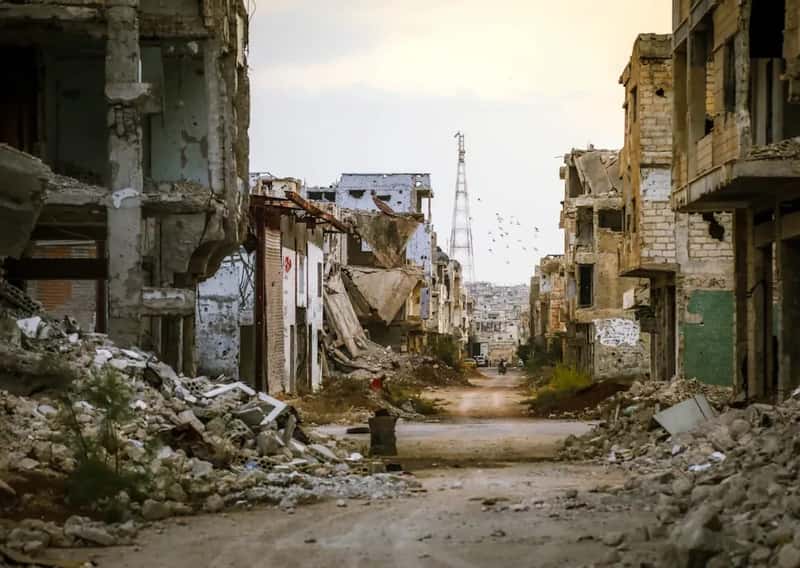
At the opposite end of the spectrum, Syria holds the lowest score in the global index. Syria recorded the lowest healthcare index score in the ranking at 35.4, despite healthcare spending of just $33 per person in 2023. Years of conflict have left much of the country’s medical infrastructure damaged or destroyed.
Many families rely on humanitarian support or travel long distances to receive treatment, as damage to infrastructure and economic pressure continue to affect access to medicine.
The situation on the ground remains severe by any measure. In Northern Syria, only 1 in 16 public hospitals is now fully functional, and funding shortfalls have forced further closures in recent years. Basic services that most countries take for granted, from routine vaccinations to emergency care, remain out of reach for large parts of the population.
Venezuela

Venezuela ranks as the second-worst healthcare system in the world according to the same data. Venezuela ranked second on the list with a healthcare index of 39.9, having spent about $186 per capita on healthcare in 2023. Years of economic turmoil have hollowed out a system that once had a reasonably strong regional reputation.
Economic instability, inflation and migration of healthcare workers have placed pressure on hospitals and public services in recent years, with patients often reporting shortages of supplies and long waiting periods for treatment.
The exodus of trained medical professionals has been particularly damaging. As doctors and nurses leave the country in search of better pay and working conditions elsewhere, hospitals that remain open often operate with skeleton staff and inconsistent access to medication. The result is a system that struggles to meet even routine demand, let alone respond to emergencies at scale.
Bangladesh

Bangladesh sits third from the bottom, a ranking that reflects deep structural gaps despite some genuine progress in specific areas. Bangladesh recorded a healthcare index score of 42.0 with healthcare spending of $53 per person, though the country has expanded healthcare access over the years, especially in maternal and child health. That progress has not been enough to offset broader system weaknesses.
Reports have found that over 450,000 people travel from Bangladesh to hospitals overseas for treatment each year, often citing inadequate facilities, long wait times, and a lack of trust in the domestic system.
Affordability remains one of the sharpest pain points. Roughly 74% of all health expenses in Bangladesh come directly from the patient rather than from insurance or central health financing. That level of out-of-pocket burden pushes many families to delay care or forgo it altogether, a pattern that public health officials have flagged as one of the country’s most urgent policy challenges.
Montenegro
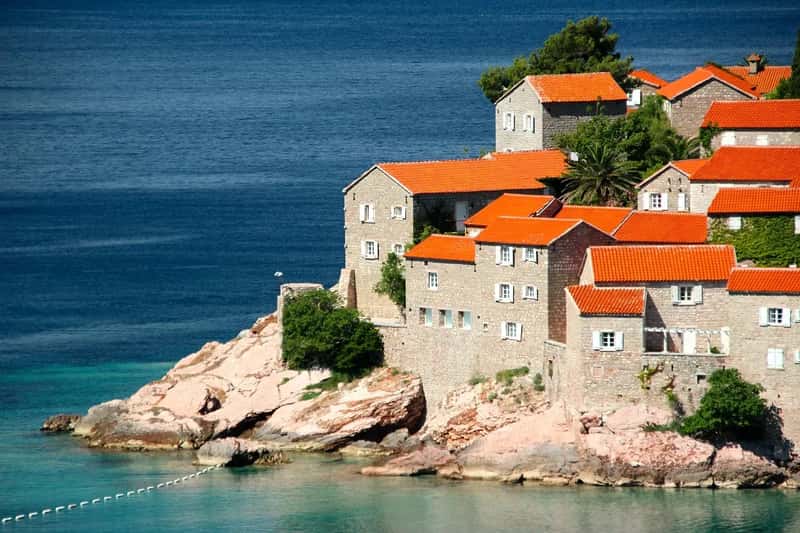
Montenegro rounds out the bottom four, an unusual case since it spends considerably more per capita than the other three countries on this list. Montenegro recorded a healthcare index of 47.4 despite healthcare spending reaching about $1,100 per person. The gap between spending and satisfaction points to problems that money alone has not solved.
The country’s healthcare system faces pressure from staffing shortages and rising demand for specialised care, and some residents travel abroad for certain medical procedures.
Public trust appears to be a major factor behind the low score. A 2023 report found that many citizens feel the Montenegrin healthcare system is rife with corruption, contributing to a perceived poor quality of care. Combined with catastrophic health spending affecting an estimated 9% of households and outdated hospitals concentrated away from rural areas, the system illustrates how funding levels alone rarely tell the full story of whether a country’s healthcare actually works for the people relying on it.