
Violence against women is one of the most persistent and widespread human rights violations on the planet. An estimated 840 million women, nearly one in three, have been subjected to physical or sexual intimate partner violence, non-partner sexual violence, or both at least once in their lives. That figure spans every region, every income level, and every culture, which makes it harder to dismiss as someone else’s problem.
On average, 137 women and girls worldwide lost their lives every day in 2024 at the hands of a partner or a close relative. The following six countries have been consistently identified by global institutions, including the WHO, UN Women, and UNODC, as places where women face some of the most severe and measurable rates of gender-based violence.
1. Papua New Guinea
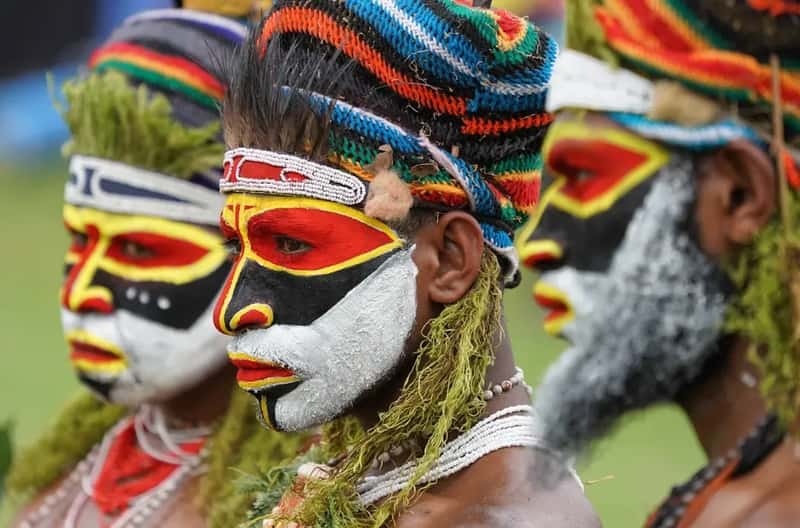
The Pacific Islands mask strikingly harsh realities, with intimate partner sexual and domestic violence against women reaching around 68 percent in Papua New Guinea. That figure places the country among the very worst in the world by any available measure. Over two-thirds of women in Papua New Guinea are estimated to experience some form of sexual violence in their lifetime.
In nationally representative survey data, almost seven in ten women in Papua New Guinea justified intimate partner violence against themselves. This normalization of abuse is part of what makes change so difficult to achieve. Alongside Fiji, Kiribati, and the Solomon Islands, Papua New Guinea reports a lifetime risk of intimate partner violence exceeding 50 percent, among the highest rates recorded anywhere in the Western Pacific region.
2. Solomon Islands

The Solomon Islands has one of the highest rates of family and sexual violence in the world, with 64 percent of women aged 15 to 49 having reported physical or sexual abuse by a partner. These are not marginal or outlying numbers. A national study found that nearly two in three women aged 15 to 49 reported physical or sexual violence by an intimate partner, and most women suffered in silence, with few seeking help from public services.
The Pacific region as a whole has both the lowest parliamentary representation of women and in the world. In the Solomon Islands specifically, institutional responses have historically been weak. To address this, seven government and nongovernmental service providers, including the police, hospitals, and crisis centers, joined forces to establish SAFENET, though access to services remains deeply uneven outside the capital.
3. Afghanistan
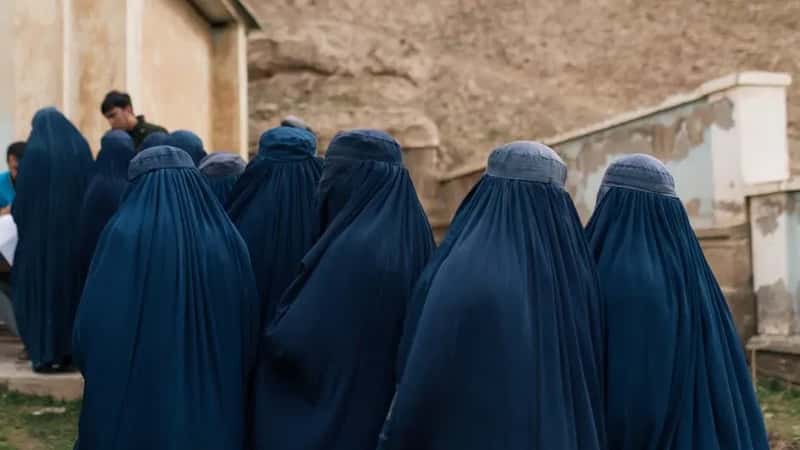
In Afghanistan, increasing restrictions on women and girls, high rates of domestic violence at home, and the overall worsening economic situation are contributing to a mental health crisis, with humanitarian partners reporting an increase in the number of patients seeking help. The situation has deteriorated substantially since the Taliban regained control in 2021. By July 2024, 64 percent of women in Afghanistan reported feeling “not at all” safe leaving home by themselves, compared to just 2 percent of men.
The codified promotion and protection of women that once existed has been transformed into a system predicated on the surveillance and control of women’s lives and bodies. Formal legal protections have been dismantled rather than strengthened. In Afghanistan, 64 percent of women reported feeling unsafe leaving home alone, and eight percent of surveyed women knew at least one woman or girl who had attempted suicide in the past three years. The compounding of legal exclusion, economic collapse, and domestic violence creates a crisis that is difficult to quantify fully.
4. Democratic Republic of the Congo
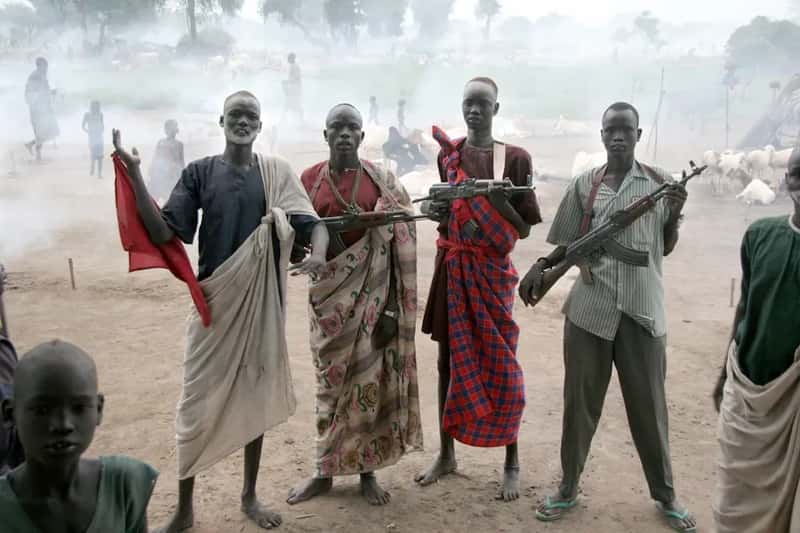
In the Democratic Republic of the Congo, women and girls face an unbearable plight as their bodies have become an extension of the battlefield amid cyclical violence and worsening insecurity, including in designated displacement sites, with reports of gender-based violence increasing, and the majority of those violations reported as rape. The scale of sexual violence in conflict zones within the country has drawn repeated condemnation from international bodies. The DRC has long been described by humanitarian organizations as one of the most dangerous places in the world to be a woman.
The WHO African region shows a lifetime intimate partner violence rate that places enormous numbers of women at risk, with unique challenges including armed conflicts, economic instability, weak legal frameworks, and cultural practices that may normalize violence. In the DRC specifically, the collapse of protection systems in conflict-affected areas means that most cases go unreported and unprosecuted. Across the world, more than 60 million women and girls who are forcibly displaced or stateless face high risks of gender-based violence, and the DRC contributes a significant share of that total.
5. Sudan
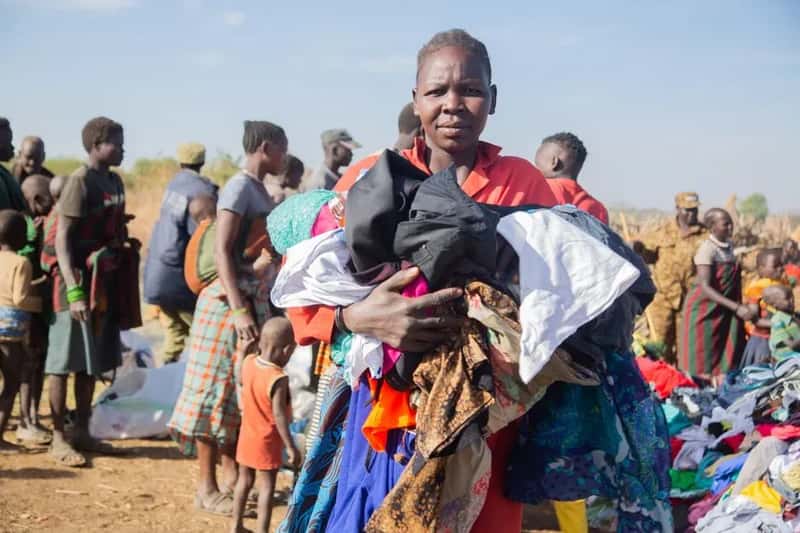
Sudan is now the world’s largest humanitarian crisis, and women and girls are paying the highest price. The ongoing civil war between the Sudanese Armed Forces and the Rapid Support Forces has turned sexual violence into a deliberate strategy of warfare. Documented cases of mass and systemic rape highlight the use of sexual violence as a weapon of war, and since December 2023, the number of survivors seeking gender-based violence services increased by 288 percent.
Enforced disappearances of women and girls have reportedly surged in areas under Rapid Support Forces control, with many believed to have been abducted for sexual slavery and exploitation, with victims taken from displacement settings, markets, and shelters amid a collapse of protection systems. The numbers documented are almost certainly a fraction of the real toll. The Sudanese government’s own unit documented 216 incidents of sexual violence in the first 18 months of conflict, and estimated that those cases constituted a mere two percent of the total incidents, concluding that sexual violence is being used as a weapon with the objectives of humiliation, forced displacement, and creating chaos.
6. South Sudan
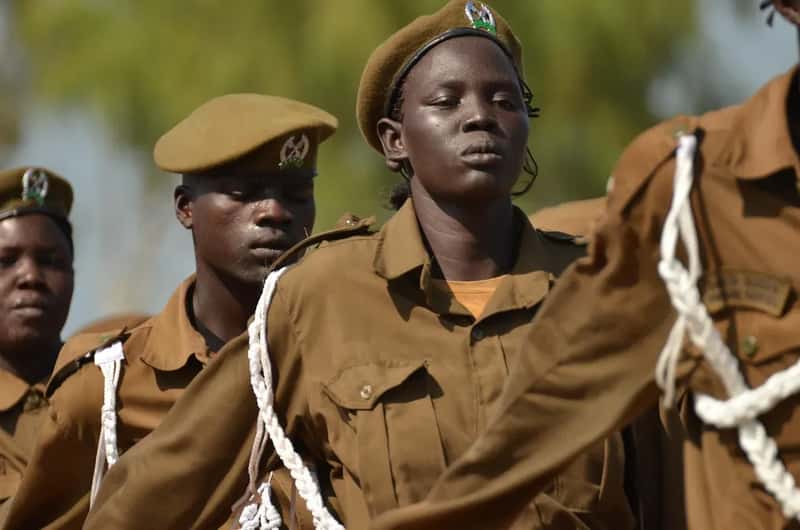
Women in countries classified as lowest-income, conflict-affected, and climate-vulnerable settings are disproportionately affected by violence, with regions such as Least Developed Countries showing intimate partner violence prevalence in the past 12 months that is higher than the global average. South Sudan sits squarely within that category. Decades of civil conflict have left legal institutions hollowed out and protection services virtually nonexistent across much of the country.
Sexual and gender-based violence cases in conflict-affected contexts have risen sharply, with roughly 8,100 cases reported in 2025, a 25 percent spike from 2024, while gangs are increasingly involved in child trafficking and forced recruitment, with girls facing systematic sexual exploitation and one in six survivors of gender-based violence being under 18. South Sudan also faces acute food insecurity and mass displacement, conditions that research consistently links to elevated rates of violence against women. Experts note that documented statistics represent only reported cases, and that actual prevalence could be significantly higher due to underreporting, social stigma, and limited access to support services.
What connects all six of these countries is not simply poverty or geography. Conflict, weak institutions, deeply embedded gender norms, and the near-total absence of accountability for perpetrators all play a measurable role. In the last 20 years, the average annual decline of intimate partner violence globally has been only 0.2 percent, and the one-in-three figure has remained essentially stagnant, making it very unlikely that the Sustainable Development Goal target on the elimination of violence against women will be achieved by 2030. The data tells a story that is slow to change, and the weight of that falls hardest on women in the most vulnerable places on earth.