Depression statistics rarely tell a simple story. A country can post a strikingly low number and still be struggling with mental health in ways that never show up in a spreadsheet. That gap between reported figures and lived reality is exactly what makes the following list worth a closer look, especially now that global health researchers are paying more attention to how depression is measured across different income levels and healthcare systems.
1. Solomon Islands
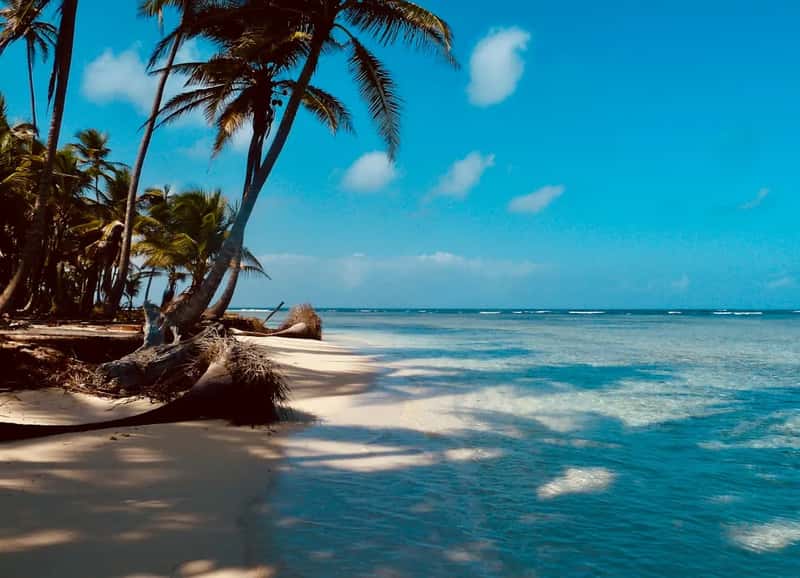
The Solomon Islands consistently ranks at the very top of global comparisons for the lowest reported depression prevalence. The Solomon Islands tops the list of countries with the lowest incidence of major depressive disorder, with only 2.9 percent of its population suffering from serious mental health concerns. That figure has held steady across multiple independent compilations built from Global Burden of Disease data, making it one of the more reliably cited numbers in this space.
Researchers caution against reading this as proof of genuinely better mental wellbeing. It’s important to note that depression is still prevalent in these countries and other less-developed nations, and the reason for the low focus on depression treatment is simply that their governments prioritize other national concerns such as sanitation, hunger, and other diseases. In other words, a low number can reflect limited screening as much as limited illness.
2. Papua New Guinea

Papua New Guinea sits just behind the Solomon Islands in most rankings drawn from the same underlying dataset. Papua New Guinea reports a depression rate of around 3.0 percent, tying closely with Timor-Leste for second place among the lowest recorded rates worldwide. Its vast, largely rural population and hundreds of distinct language groups make nationwide health surveys genuinely difficult to conduct.
Mental health infrastructure across the country remains thin, with most clinical attention directed toward infectious disease and maternal health rather than psychiatric screening. That imbalance likely shapes the reported numbers as much as any underlying difference in mood disorders among the population. Cultural framing of emotional distress in Papua New Guinea also tends to lean on community and spiritual explanations rather than clinical diagnosis.
3. Timor-Leste

Timor-Leste, one of the world’s youngest nations, appears alongside Papua New Guinea near the bottom of the depression prevalence tables. Timor-Leste’s reported rate sits at roughly 3.0 percent, placing it among the eight lowest figures tracked globally. The country’s health system is still recovering from decades of conflict, which has left formal psychiatric diagnosis relatively rare outside major towns.
Other research on the country tells a more complicated story. Preliminary clinical data collected in recent years has shown depression appearing more frequently among patients actually seeking psychiatric care, suggesting the national average may understate the burden among those who do access services. This tension between population-wide estimates and clinic-level findings is common in countries where mental healthcare infrastructure is still developing.
4. Vanuatu

Vanuatu, a Pacific archipelago of roughly two hundred thousand people, reports depression figures that place it firmly among the lowest worldwide. Vanuatu stands among the countries with the lowest depression rates, though around 13% of adults are affected by mental health disorders, with 3% experiencing severe conditions. That distinction between general mental health disorders and clinically defined depression matters when comparing countries.
Cultural beliefs about mental illness in Vanuatu also shape how conditions get reported and treated. Recent surveys reveal alarming misconceptions about mental illness, with 45% attributing it to sin, 34% to demon possession, and 38% to curses. Beliefs like these can discourage people from seeking a clinical diagnosis, which in turn keeps official depression statistics artificially low.
5. Kiribati

Kiribati, a scattered chain of atolls in the central Pacific, reports one of the lowest depression rates in global compilations. Kiribati’s figure comes in at approximately 3.1 percent, tying with Vanuatu and several other Pacific nations near the bottom of the list. The country’s small, dispersed population across dozens of islands makes comprehensive health surveillance a genuine logistical challenge.
Climate pressures add another layer to the picture. Rising sea levels and repeated relocation concerns have become a documented source of psychological stress for many I-Kiribati residents, yet formal depression diagnoses remain uncommon due to limited mental health staffing. The gap between environmental stress and clinical reporting is one reason researchers treat Kiribati’s numbers with some caution.
6. Tonga

Tonga rounds out the middle of this list with a reported rate hovering just above three percent. Tonga’s depression rate sits at roughly 3.2 percent, placing it in a near-tie with Samoa, Laos, and Nepal. The kingdom’s strong communal and church-based social structures are often cited informally as protective factors against isolation, one of the known contributors to depressive symptoms.
Still, protective social structures do not eliminate mental health need entirely. Healthcare access outside the main island of Tongatapu remains limited, and psychiatric services are concentrated in just a handful of facilities. That concentration likely means milder or undiagnosed cases in outer islands simply do not enter national statistics.
7. Samoa

Samoa reports figures nearly identical to its Pacific neighbor Tonga. Samoa’s depression rate is recorded at approximately 3.2 percent, tying it closely with Tonga, Laos, and Nepal in global rankings. The country’s fa’a Samoa way of life, built around extended family obligation and communal decision-making, is frequently discussed by public health researchers as a possible buffer against the isolation linked to depressive disorders.
Samoa’s mental health system, however, has historically been under-resourced relative to its physical healthcare infrastructure. A small number of trained psychiatrists serve the entire nation, which naturally limits how many cases receive formal diagnosis. As with other countries on this list, the low reported figure likely reflects a mix of genuine cultural resilience and constrained diagnostic capacity.
8. Laos
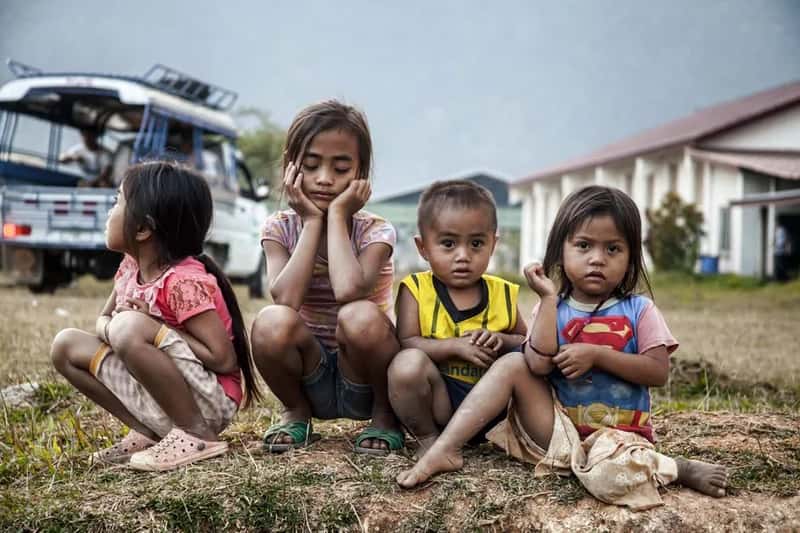
Laos closes out this list with a rate that places it among the lowest recorded anywhere in the world. Laos reports a depression rate of about 3.2 percent, tying with Nepal for the final position among the eight lowest figures globally. The country’s predominantly rural population and strong Buddhist cultural framework are sometimes pointed to as contributing to lower reported psychological distress, though direct causal evidence remains limited.
Laos also faces significant gaps in mental health infrastructure, with only a small number of specialized facilities serving the entire country. Public health experts generally agree that reported figures like this one likely undercount the true burden of depression, particularly in remote provinces where access to any form of healthcare, let alone psychiatric care, remains inconsistent. As with the rest of this list, the number reflects both cultural context and the practical limits of national health surveillance.
What ties these eight countries together is not necessarily better mental health outcomes but a shared set of circumstances: smaller populations, limited psychiatric infrastructure, and health systems that have historically prioritized other urgent concerns over depression screening. Depression is much more likely to be diagnosed in highly developed countries, whose more robust health care infrastructures are far better equipped to identify and treat mental illnesses, meaning less developed countries do not necessarily have less depression but rather their treatment of mental illnesses often takes a back seat to broader concerns such as hunger, disease, and sanitation. Reading this list as a ranking of national happiness would miss the point entirely. It is, more accurately, a map of where formal mental health diagnosis remains least developed, a distinction that matters for anyone trying to understand what these numbers actually represent.