I’ll research current cost-of-living and quality-of-life data for several affordable expat-friendly cities before writing this.
The Top 8 Overseas Cities for a High Quality of Life on a Low Budget
Rising rents, grocery bills that never seem to shrink, and stagnant wages back home have pushed more people than ever to ask a simple question: what if I just lived somewhere else? Across Southeast Asia, Latin America, and the edges of Europe, a handful of cities keep showing up on the shortlists of retirees, remote workers, and young professionals chasing more life for less money. These places aren’t hidden secrets anymore, but they still deliver something increasingly rare, a genuinely comfortable lifestyle without a punishing price tag.
What follows isn’t a ranking of the cheapest places on earth. It’s a curated look at eight cities where the cost of living stays low while healthcare, safety, food, and culture stay surprisingly high. Each one has its own personality, climate, and visa situation, so the right fit really depends on what you’re looking for.
1. Chiang Mai, Thailand

Thailand’s northern cultural capital has quietly become one of the most reliable budget destinations on the planet. Recent cost tracking puts a single person’s monthly costs at around $783, with a single traveler closer to $1,165 and monthly rent averaging about $330. That kind of math is hard to argue with, especially when it comes wrapped in a city that has been drawing long-term expats for decades.
Part of the appeal is what you actually get for that money. Chiang Mai is a former Lanna Kingdom capital that blends 700 years of history with modern amenities, home to over 300 Buddhist temples, bustling night markets, world-class healthcare, and a thriving digital nomad community. Most guides agree that living comfortably here costs somewhere between $1,000 and $1,500 per month, with quality housing, food, and healthcare at a fraction of Western costs, which explains why so many retirees and remote workers never quite leave.
2. Da Nang, Vietnam

Da Nang has spent the last few years transforming from a stopover between Hoi An and Hue into a full-fledged destination in its own right. Coastal, modern, and increasingly polished, it was ranked among the top 5 most affordable digital nomad destinations in Asia for 2025 by Travel Off Path, and the numbers back that reputation up. Visitors can live comfortably here for under $1,100 a month while enjoying pristine beaches, limestone cliffs, historic temples, French architecture, and rich cuisine.
The city’s combination of beach access and infrastructure is unusual for the price point. Da Nang offers beachfront living, fast fiber internet, and a comfortable month under $1,200, which is why it made Forbes’ top digital-nomad cities for 2026. For those planning a longer stay, realistic budgeting looks like $1,000 to $1,500 a month for most single expats, with couples typically budgeting $1,500 to $2,500 depending on how much Western comfort they want. It’s worth noting that popular beach neighborhoods have gotten noticeably busier and pricier in the last year or two, so quieter districts a short ride inland still offer the better value.
3. Medellín, Colombia
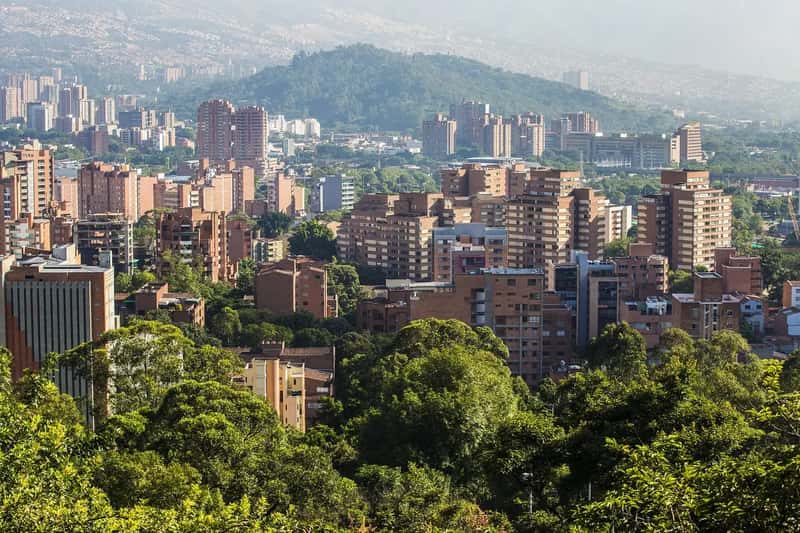
Medellín’s nickname, the City of Eternal Spring, isn’t just marketing. The mild, consistent climate means there’s essentially no heating or cooling bill to worry about, and that’s just one small piece of why the city has become Latin America’s favorite base for remote workers. Cost tracking places Medellín’s cost of living index at roughly a quarter of New York’s, and the city’s eternal spring climate means zero heating and cooling costs and year-round outdoor activities at minimal expense.
Budgets here scale nicely depending on lifestyle. Reports suggest budget travelers can get by on $900 to $1,300 a month, while comfortable expats typically spend $1,300 to $1,800. Getting around adds almost nothing to the total, since Medellín’s metro plus cable car system costs about $35 a month and covers the entire metro area with excellent frequency. Add in neighborhoods like El Poblado and Laureles, both known for walkability and strong coworking scenes, and it’s easy to see why this city keeps topping nomad surveys.
4. Cuenca, Ecuador
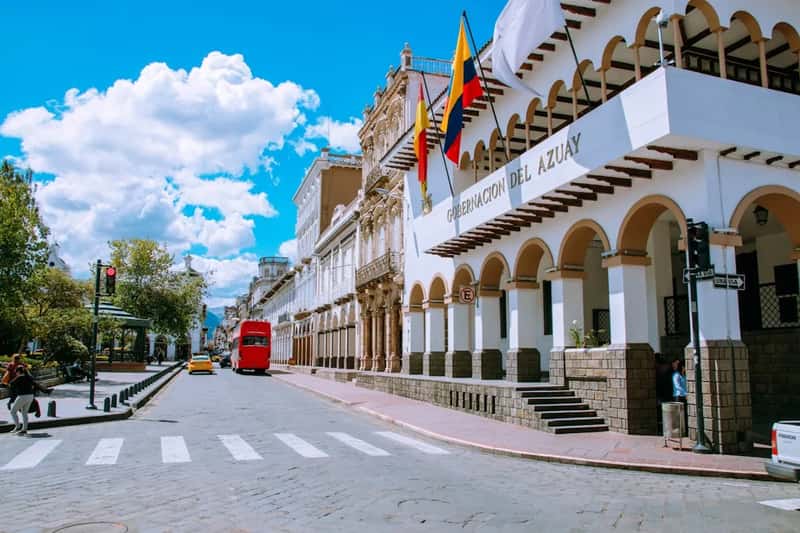
Perched high in the Andes, Cuenca has built its reputation almost entirely on retirees who wanted colonial charm without a colonial-sized bill. The city offers a UNESCO World Heritage colonial center, eternal spring weather, first-rate private healthcare, and a cost of living so low that couples routinely live well on $1,500 to $2,500 a month. Because Ecuador uses the US dollar, there’s no exchange-rate math to worry about either, which keeps monthly budgeting refreshingly simple.
Housing remains the city’s biggest bargain. Even in the most desirable areas, you can rent a modern two-bedroom apartment with a terrace and mountain views for around $750 per month, internet, building maintenance fees, and all utilities included. That said, the old “$1,500 a month” legend has shifted somewhat, and a more realistic full expat-style budget today sits closer to $1,900 to $2,100 for a life that includes the conveniences most newcomers are used to, though frugal households can still land under $1,600.
5. Tbilisi, Georgia

Tbilisi has become one of the more talked-about destinations for anyone chasing a low tax burden alongside a low cost of living. A single expat can generally expect to spend roughly $900 to $1,400 monthly for a comfortable life, with a couple typically landing around $1,500 to $2,400. Central one-bedroom apartments run about $700 a month, though prices swing considerably depending on the neighborhood.
What sets Georgia apart from most budget destinations is the paperwork, or rather the lack of it. The country offers a 365-day visa-free stay for over 95 nationalities, a 1% tax rate for freelancers, fast internet, and a cost of living that lets you live comfortably on half what you’d spend in Western Europe. Prices have climbed noticeably since 2022 as regional migration reshaped the rental market, but Tbilisi still delivers European charm, mountain scenery, and a serious wine and food culture at a fraction of EU prices.
6. Kuala Lumpur, Malaysia
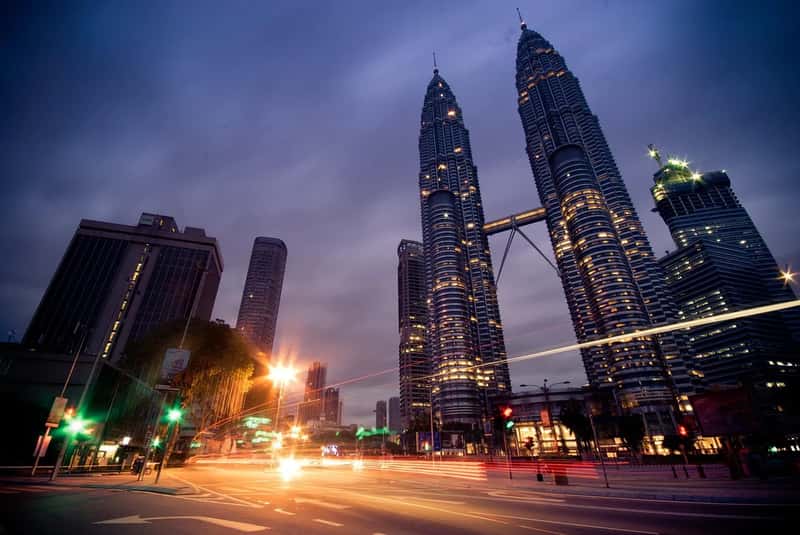
Kuala Lumpur occupies a sweet spot that few Asian capitals manage: genuinely modern infrastructure paired with costs that stay well below regional heavyweights like Singapore or Hong Kong. The healthcare system is a particular standout, with private hospital networks that rank among the region’s best, and healthcare quality here is considered strong, anchored by well-known private hospital groups that attract medical tourists from across Asia.
Malaysia has also leaned into attracting long-term residents through structured visa pathways, though the rules around programs like MM2H have tightened in recent years toward higher-net-worth applicants rather than budget retirees. Still, day-to-day living costs, from street food stalls to public transit, remain remarkably low for a capital city with skyscrapers, shopping malls, and a genuinely multicultural food scene spanning Malay, Chinese, and Indian cuisines. For anyone wanting big-city amenities without big-city prices, KL remains one of Asia’s best-kept value propositions.
7. Oaxaca, Mexico
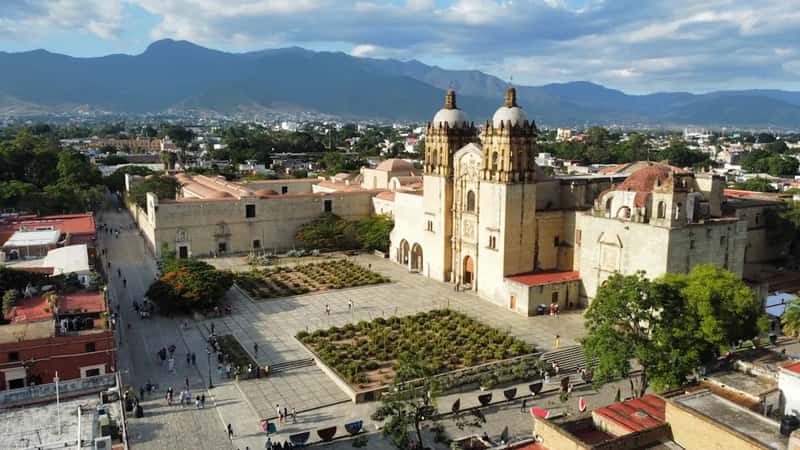
Oaxaca City has spent the past few years shedding its reputation as merely a weekend detour from Mexico City and stepping into the spotlight as a destination in its own right. Its historic center is a UNESCO World Heritage Site, filled with colonial architecture, vibrant markets, and arguably the best regional cuisine in the country, from mole to mezcal. Compared with Mexico City or the increasingly expensive beach towns of the Riviera Maya, Oaxaca still offers noticeably lower rents and everyday costs, making it attractive to remote workers who want authenticity over polish.
The city’s charm lies in its slower pace and deep cultural calendar, anchored by events like the Guelaguetza festival and a year-round crafts and textile tradition that draws visitors from around the world. Healthcare and daily expenses remain considerably cheaper than in the capital, and the growing community of long-term visitors has brought decent coworking spaces and reliable internet without erasing the city’s local character. It’s not as internationally hyped as Mexico City or Tulum, and that’s largely the point.
8. Sofia, Bulgaria
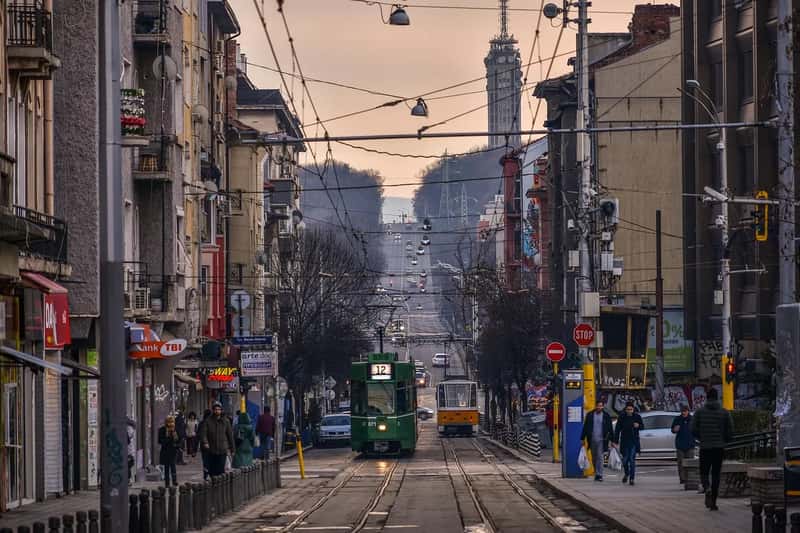
Bulgaria’s capital rarely makes the same highlight reels as Lisbon or Budapest, yet it consistently ranks among the least expensive capital cities in the European Union. Sofia benefits from Bulgaria’s flat ten percent income tax rate, one of the lowest in Europe, along with rents and grocery bills that remain far below Western European norms despite the country’s full EU membership. That combination of low costs and EU legal protections is rare and worth paying attention to.
Beyond the spreadsheet appeal, Sofia sits at the base of Vitosha Mountain, meaning residents can ski or hike within a short tram ride of the city center, something few European capitals can offer. The city mixes Soviet-era architecture with Orthodox cathedrals, a growing café culture, and improving infrastructure as EU investment continues to modernize public transport and services. For anyone wanting genuine European living, complete with Schengen access and full EU legal protections, without the price tag of Western Europe, Sofia deserves far more attention than it usually gets.
None of these eight cities are perfect, and none of them will suit everyone. Air quality dips in Chiang Mai during burning season, Tbilisi’s costs have crept up since the regional migration waves of 2022, and Da Nang’s popular beach districts are getting pricier by the year. Still, what ties these places together is a genuine trade: lower costs without a corresponding drop in safety, healthcare, food quality, or day-to-day comfort. For anyone willing to trade a familiar zip code for a stronger dollar, euro, or pound, these cities remain some of the smartest bets on the map right now.