English has become something like a universal passport, and nowhere is that more obvious than in the handful of countries that have turned it into a near-native skill despite never having colonized by Britain or grown up speaking it at home. Every year, organizations like EF Education First measure this phenomenon through massive testing programs, and the results consistently point to a cluster of small, globally connected nations punching well above their weight in English fluency.
The latest EF English Proficiency Index, released in November 2025 and drawn from test data covering 2.2 million test takers in 2024, offers the clearest snapshot yet of where non-native English speakers are thriving. Interestingly, Singapore, long a fixture near the top of these rankings, was excluded from the index since 2025 after being re-classified as a native English-speaking country, which is why you won’t find it among the nine nations below even though it remains famous for its bilingual fluency. What follows is a countdown of the nine countries currently leading the world in English mastery among places where English isn’t the mother tongue.
1. The Netherlands
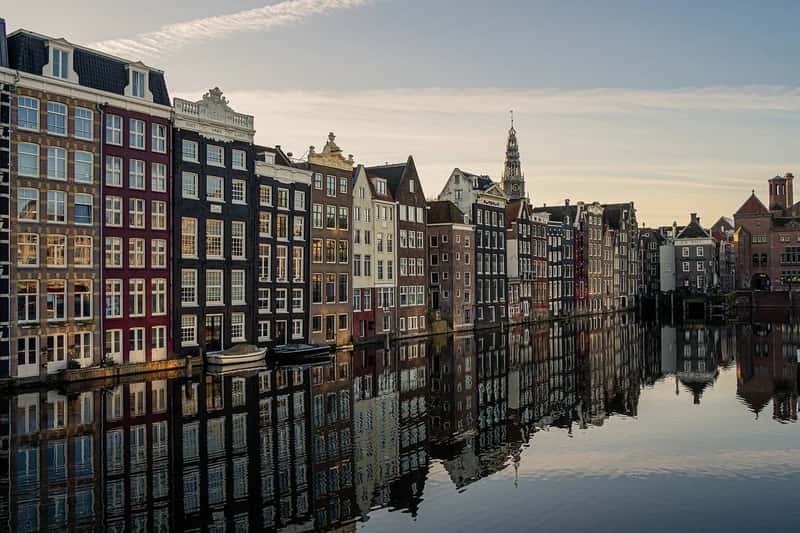
The Netherlands sits comfortably at the top of nearly every English proficiency ranking, and the 2025 EF EPI is no exception, crowning it the top performer, remaining #1 among 123 countries and regions worldwide. Dutch test takers scored 624 points in the official index, a result that reflects decades of English-heavy schooling, subtitled rather than dubbed television, and a culture that treats English as a practical everyday tool rather than a classroom subject.
What makes the Dutch case so remarkable is its consistency. Year after year, the Netherlands tops the charts, and reports note that Amsterdam earned the highest score of 646, suggesting the most proficient English speakers are centered in major urban cities. Business meetings, university lectures, and even casual conversations in the country often shift effortlessly into English, making it one of the easiest places in Europe for international professionals to operate without ever learning Dutch.
2. Croatia
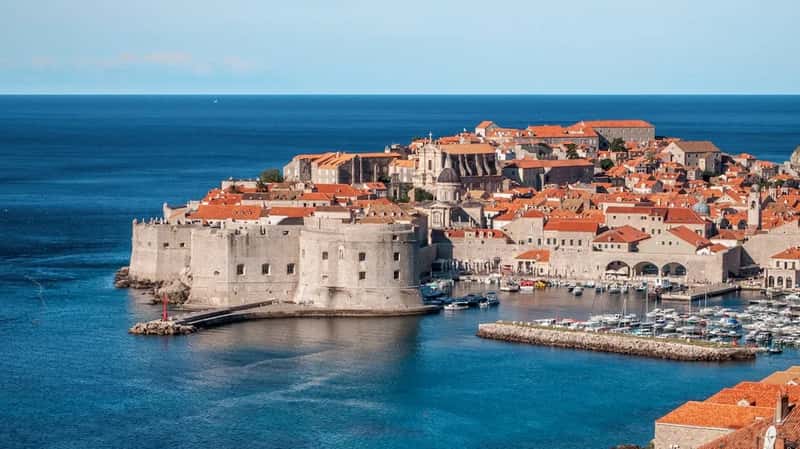
Croatia’s rise is one of the more surprising storylines in recent EF EPI editions. The country climbed into second place in the 2025 rankings, part of a wider pattern where the report noted the Netherlands remains #1, followed by Croatia and Austria – both of which improved their rankings. This jump reflects the country’s booming tourism economy, where fluency in English has become essential for engaging with the millions of visitors who arrive each year.
Beyond tourism, Croatia’s education system has leaned heavily into English instruction over the past decade, and younger generations in particular have benefited from widespread access to English-language media and online content. The result is a workforce that increasingly treats English as a second working language, especially in coastal cities that depend heavily on foreign visitors and international business ties.
3. Austria
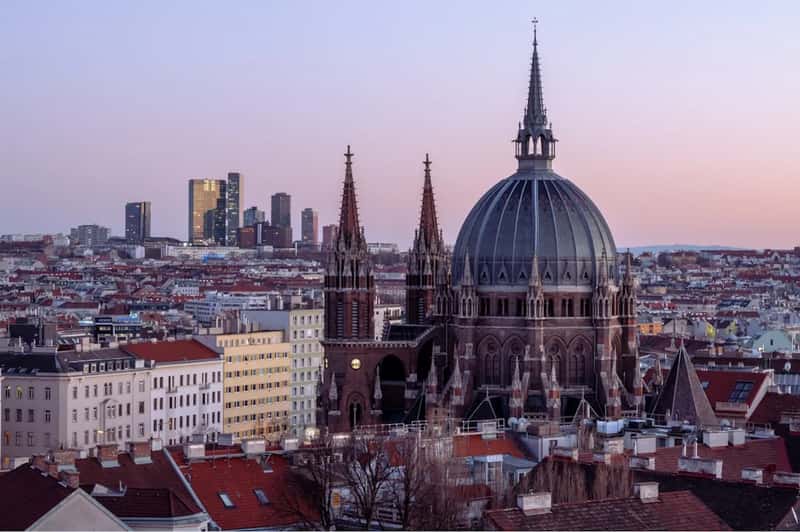
Austria has long been one of Europe’s most reliable performers in English proficiency, and it holds third place in the 2025 index with a score of 616. Its strong showing is often attributed to the abundance of study opportunities and the constant presence of English-language media in daily life, with one analysis pointing to many opportunities for study and practice, as well as the influence of English media on everyday life as key factors.
Vienna, in particular, has developed into something of an international hub, home to numerous global organizations and a large expatriate community that reinforces English usage outside the classroom. Austrian schools also introduce English early, and the country’s close economic ties with Germany and the broader European Union have made bilingualism a practical necessity rather than an academic luxury.
4. Germany
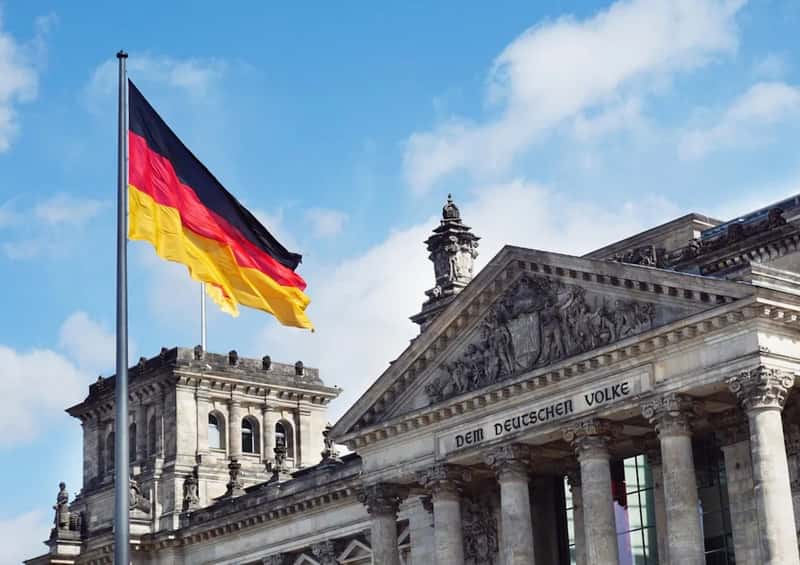
Germany posted one of the more notable gains in the 2025 EF EPI, climbing into fourth place. The report specifically highlighted this movement, noting that Germany climbed to #4 with one of the biggest gains in Europe. With a score of 615, Germany now sits just behind Austria, reflecting years of investment in English-medium university programs and a corporate culture that increasingly conducts business in English.
German cities, especially Berlin and Munich, have become magnets for international talent, and that influx has pushed English further into everyday professional life. Younger Germans in particular tend to consume large amounts of English-language film, music, and online content without dubbing, which likely contributes to the country’s steadily rising scores compared to previous years.
5. Norway
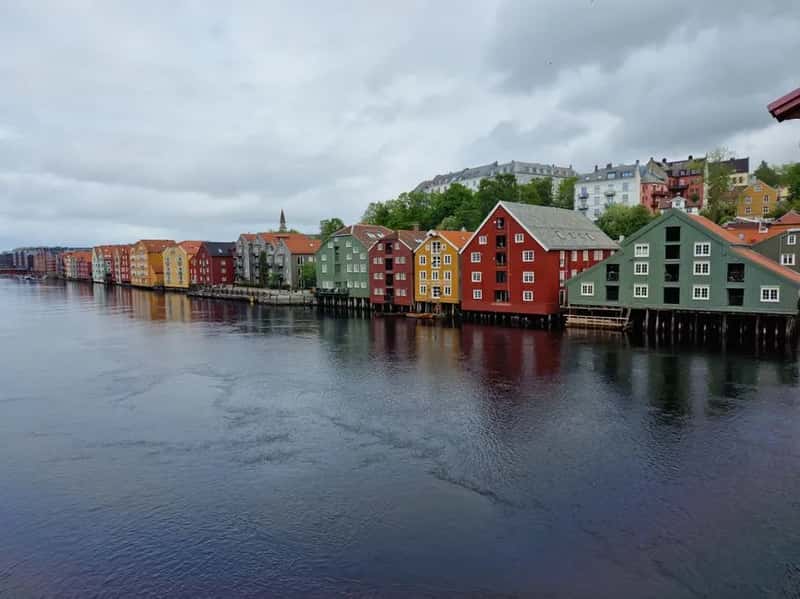
Norway consistently ranks among the world’s most fluent English-speaking nations, landing in fifth place with a score of 613 in the latest index. Analysts often credit this to viewing habits, since Norway and Sweden, where dubbing is not developed, and residents of these countries watch most TV series and films in the original language, giving Norwegians constant passive exposure to spoken English from a young age.
Norwegian schools also begin English instruction early and maintain it throughout the education system, reinforcing what students already absorb from media and travel. Combined with a small population and an economy deeply tied to international shipping and energy sectors, English has become almost a second native tongue for much of the country’s workforce.
6. Portugal

Portugal has climbed steadily in recent years and now holds sixth place, scoring 612 in the 2025 EF EPI. Reports describe it as a very high English-proficient country scoring an average score of 607 on the EF EPI proficiency test, in line with other European countries, with the most proficient areas centered in central city regions in earlier data, and its trajectory has only improved since.
Tourism plays an outsized role in Portugal’s English fluency, particularly in Lisbon and the Algarve, where hospitality workers routinely juggle multiple languages daily. The country has also become a popular destination for remote workers and digital nomads, which has further normalized English as a working language in cafes, coworking spaces, and small businesses across major cities.
7. Denmark
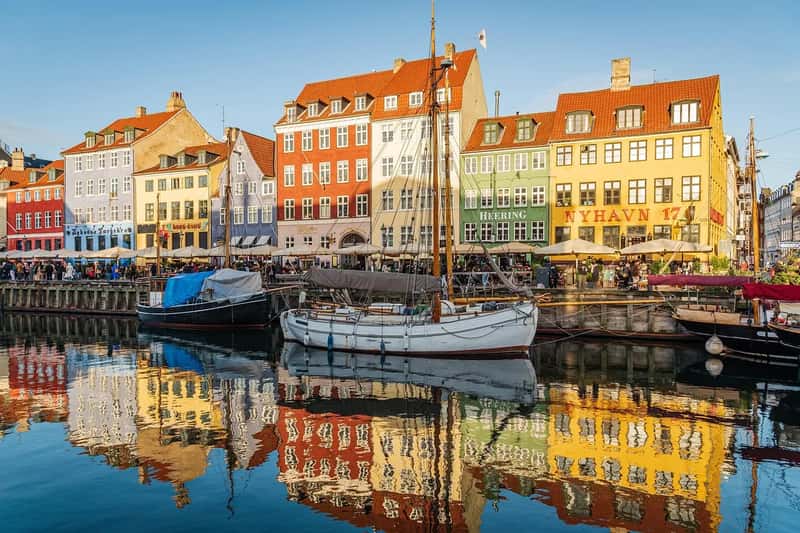
Denmark remains one of the strongest English-speaking nations in the Nordic region, ranking seventh overall with a score of 611. Much of this success traces back to childhood education, since most Danes have been learning English since early childhood, giving them a head start that carries into adulthood fluency.
Danish television, much like its Scandinavian neighbors, rarely dubs foreign content, which means children grow up hearing English regularly outside the classroom. Copenhagen in particular functions as an international business center, and English is often the default language in meetings, university courses, and even government communications aimed at foreign residents.
8. Sweden
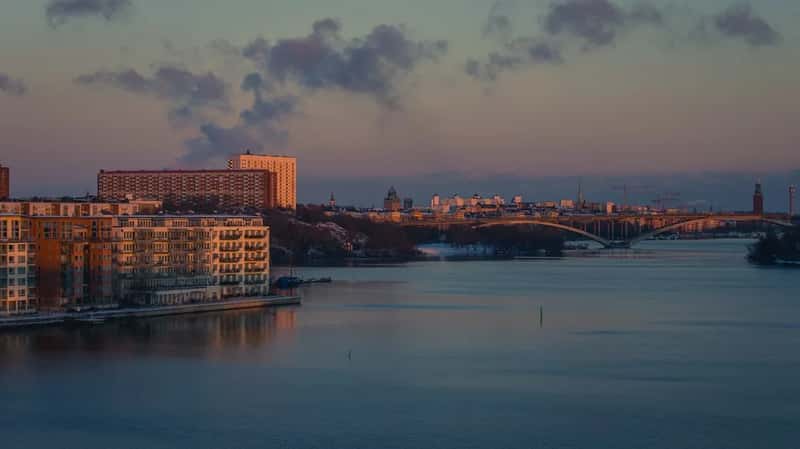
Sweden lands in eighth place with a score of 609, maintaining its long-standing reputation as one of Europe’s most English-fluent societies. The country’s capital stands out even within this strong national performance, as Sweden achieved an EF EPI score of 609, and Stockholm ranked among the top five cities worldwide for English proficiency, with a score of 637.
Swedish media, much like Denmark and Norway, favors subtitles over dubbing, which continually exposes viewers to authentic spoken English. The country’s tech and business sectors also operate heavily in English, particularly in Stockholm’s thriving startup scene, where international hiring has made English almost as common as Swedish in daily workplace communication.
9. Belgium
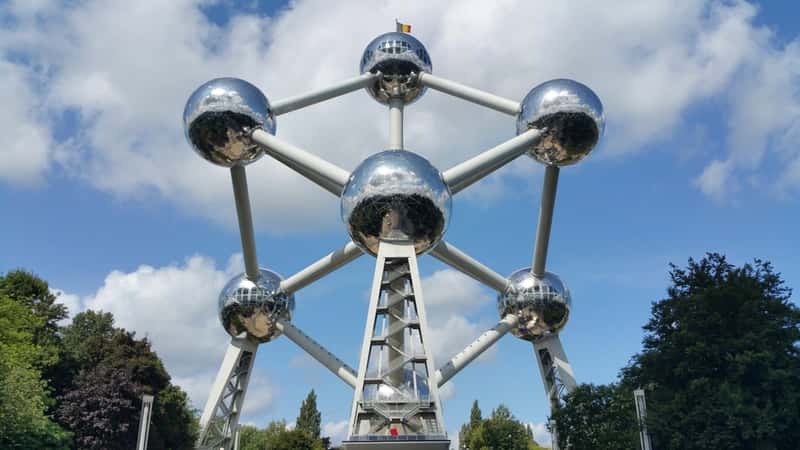
Belgium rounds out the top nine with a score of 608, continuing a broader European pattern where the report noted Belgium makes the list to continue the trend that European countries are more proficient in English than other countries, scoring a 608, indicating it has a very high proficiency in English.
Belgium’s multilingual character, already juggling Dutch, French, and German as official languages, seems to have made adding English relatively painless for much of the population. Brussels, as the de facto capital of the European Union, adds another layer of English immersion, with countless international institutions, diplomats, and multinational firms relying on English as the practical working language of daily business.
Taken together, these nine countries tell a consistent story. Small population size, early and sustained English education, a preference for subtitles over dubbing, and deep integration into international trade or EU institutions all seem to correlate strongly with exceptional English fluency. None of these nations speak English as a native tongue, yet many residents communicate with a comfort level that rivals speakers who grew up with it from birth.
It’s also worth remembering that these rankings shift from year to year, sometimes significantly. Croatia and Germany’s recent climbs show that proficiency isn’t fixed, and countries can improve rapidly when education policy, media habits, and economic incentives align. For anyone planning to work, study, or simply travel through Northern and Central Europe, chances are good that English will get you further than you might expect, no passport from London or Los Angeles required.