
Every summer, city dwellers and armchair travelers alike wait for one particular ranking to drop, and this year’s edition did not disappoint. The Economist Intelligence Unit has released its 2026 Global Liveability Index, and the results confirm that one European capital has once again proven itself the best place on the planet to call home.
The list evaluates 173 cities worldwide, weighing everything from healthcare access to cultural offerings, and this year’s edition tells a story of shifting fortunes across continents. A new report from the Economist Intelligence Unit ranks 173 cities based on stability, healthcare, quality of life and more. From Scandinavian streets to Australian shorelines, here is a closer look at who topped the charts and why.
Copenhagen Takes the Crown Once Again
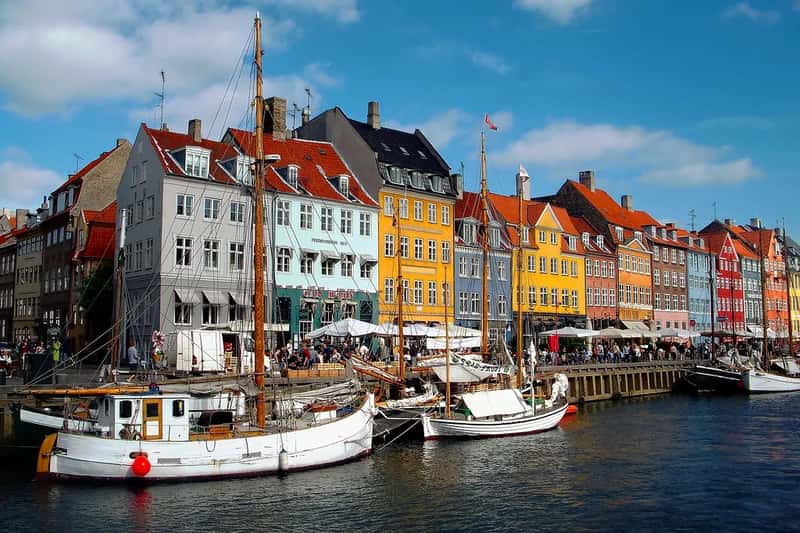
For the second year running, the Danish capital has been crowned the world’s most livable city. For the second consecutive year, Copenhagen, Denmark has been named the world’s most liveable city. It is a remarkable feat considering how competitive this list has become, with cities constantly jockeying for position based on tiny fractions of a point.
What makes this win particularly notable is the city’s steady climb over recent years. Since I began covering the EIU’s Global Liveability Index in 2022, the Danish capital has steadily climbed the rankings. Copenhagen has essentially become the gold standard that other cities now measure themselves against, and its consistency at the top suggests this is not a fluke but the result of sustained investment in public life.
The Numbers Behind Copenhagen’s Success
Copenhagen did not just squeak by with a narrow win. Copenhagen scored an overall 98 out of 100, notching up a perfect score in three of the index’s five categories: stability, education and infrastructure. Plus, it received a very respectable 96 for healthcare and 95 for culture and environment. Those are extraordinarily high marks across the board, and they help explain why the city has been so hard to dethrone.
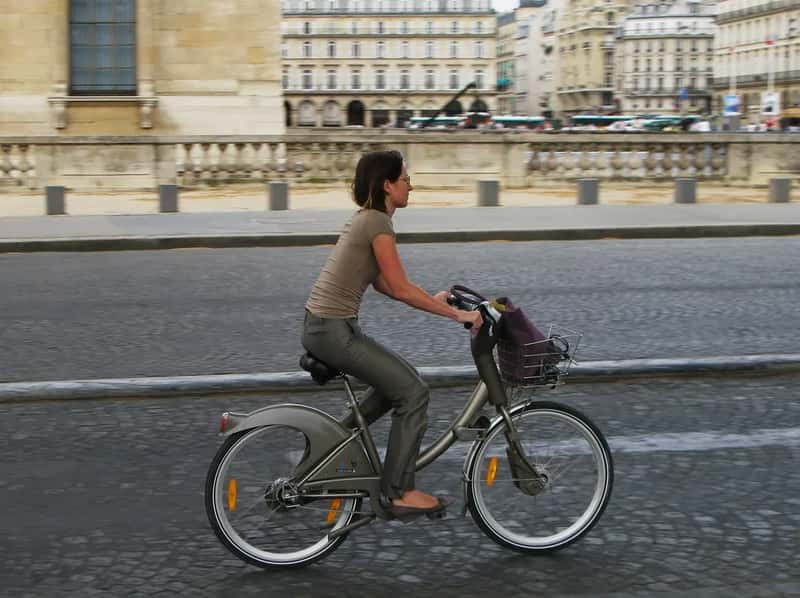
City officials and researchers point to a specific formula behind the win. Copenhagen’s persistent success at the top was down to a “winning combination of excellent scores in stability and infrastructure, great culture and environment and high quality of public services,” said a spokesperson from the Economist Intelligence Unit. The city’s famed cycling culture also plays a role in shaping perceptions of daily life there. Long considered a world leader for sustainable living, Copenhagen has inspired cities around the world to follow its lead in embracing cycle culture. There’s even a term for it: ‘Copenhagenisation’.
Vienna Settles for Silver, Again
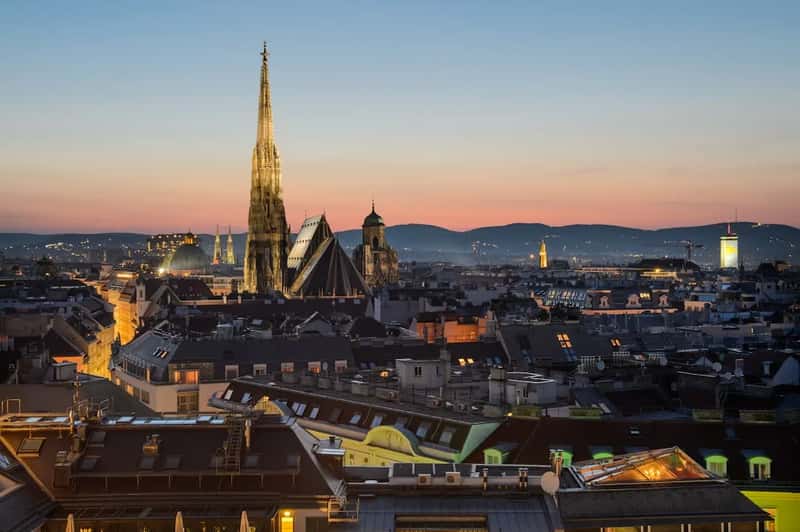
Austria’s capital has become almost synonymous with second place in recent years, and 2026 brought no change to that pattern. Copenhagen is holding onto the top spot for the second year running after knocking Vienna off its perch in 2025. It is a tough pill to swallow for a city that dominated this ranking for years before Copenhagen’s rise.
Vienna’s long reign at the top before losing its crown is worth remembering here. Vienna topped the list for several years, but the Austrian destination has lost out to another European city for the second time on the annual list of the world’s most livable cities. The city has hardly been idle in the meantime, either. Its calendar this year included a major international event that reinforced its reputation as a global host, with the Eurovision Song Contest returning to the Austrian capital and drawing a massive worldwide television audience.
Australia’s Remarkable Showing

If there is one country that had reason to celebrate this year’s index, it is Australia. Three of its cities cracked the top ten, an unusually strong result for a single nation. Rounding out the top five most livable cities are Vienna, Austria; Melbourne, Australia; Sydney, Australia; and Zurich, Switzerland.
Melbourne’s third-place finish continues a long tradition of excellence for the city, while Sydney made one of the more dramatic jumps on the list. Sydney jumped from sixth to fourth place this year, receiving perfect scores in the education and healthcare categories, and is one of two Australian cities in the top five. Adelaide rounded out the trio, landing comfortably in the top ten and cementing Australia’s status as one of the world’s most livable nations overall.
Switzerland’s Twin Powerhouses
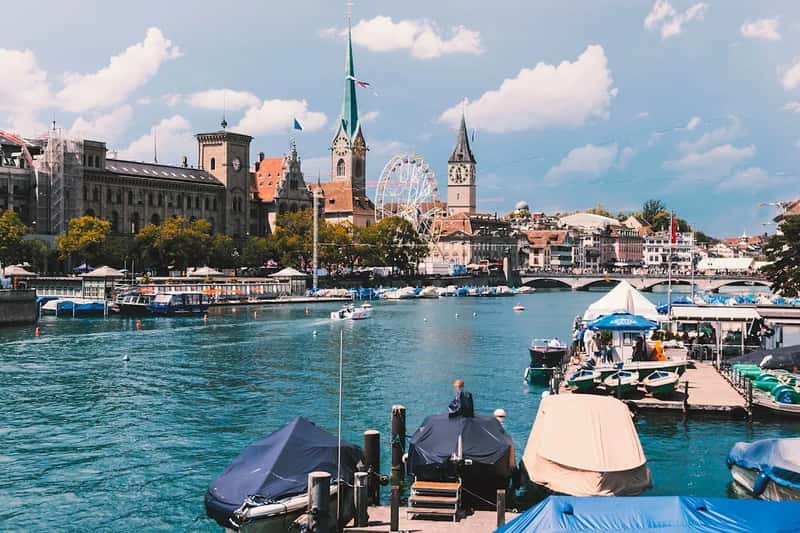
Switzerland once again proved that its reputation for quality of life is well earned, placing two cities inside the top ten. Switzerland is the only other European nation to feature in the top 10 of the latest index, with Zurich ranking fifth and Geneva coming sixth. Both cities are known for their efficiency, cleanliness, and strong public services, qualities that consistently earn them high marks.
Zurich did slip slightly compared to previous years, a shift that surprised some analysts. Zurich, which tied with Vienna in second place last year, dropped three spots this time around. Interestingly, the reasons behind this dip were not about safety or infrastructure but something more unexpected. “I was also slightly surprised by the fall in culture and environment scores in some European cities, including Zurich, Geneva and Luxembourg, which seems to reflect the impact of higher prices and strong currencies on tourism demand in these cities,” says Nicholls.
Japan’s Two Cities in the Spotlight

Japan secured a pair of spots in the top ten this year, with Osaka holding its position and Tokyo making a notable entrance. Japan claimed two spots in the top 10 with Osaka holding steady in seventh, and Tokyo rising three places to sneak into tenth, thanks to improved culture and environment scores. Tokyo’s arrival is especially significant given its sheer scale compared to the rest of the list.
Most cities in the upper tier of this ranking tend to be mid-sized, so Tokyo’s inclusion stands out. Tokyo was the sole newcomer to this year’s top 10 and the only megacity to make the cut. Its rise reflects broader gains across the region, and it also demonstrates that even the world’s largest metropolitan areas can compete on livability when infrastructure and culture keep pace with population size.
Vancouver Flies the Flag for North America

Once again, only one North American city managed to break into the global top ten, and it was Vancouver. Vancouver, at No. 9, was the only North American city to crack the global top 10. The Canadian city has long been praised for its natural setting, relatively low crime rates, and strong public infrastructure.
Vancouver’s position has fluctuated slightly but remains firmly entrenched near the top. Vancouver, which led the index for years, nudged up to ninth as the only North American city in the top 10. Meanwhile, no city from the United States came anywhere close to the top tier this year, a pattern that has persisted for some time and highlights ongoing challenges around affordability and public safety in many American metropolitan areas.
Where American Cities Landed

For readers wondering how US cities fared, the picture was mixed but showed some genuine progress. Honolulu remains the highest-ranked US city overall, despite falling two places to 25th position. That is still a respectable showing, even if it falls well short of the global top ten.
New York City, meanwhile, posted one of the more encouraging improvements anywhere on the list. New York rose three places to 66th, thanks to a significant improvement in its scores in the stability category, a result of falling crime rates and perceived lower risks of terrorist attacks. That said, New York still trails several other American cities in the broader rankings, a reminder that even improving scores in one metric don’t always translate into a dramatically higher overall position.
Asia’s Quiet Ascent and What It Means Going Forward

Perhaps the most significant storyline buried beneath the top ten is the broader rise of Asian cities across the entire index. Those gains helped make Asia the world’s most improved region. Nine Asian cities now appear in the global top 20, and the region’s overall score has risen by 0.3 points to 73.9. Much of this improvement traces back to a single category that has seen dramatic gains.
Healthcare investment across China in particular has driven much of this regional momentum. “We upgraded healthcare scores across the board for Chinese cities, reflecting the national improvements to funding schemes and investment,” added a spokesperson from the Economist Intelligence Unit, pointing to a new long-term care insurance system in the country as well as the improvement of healthcare provision. Meanwhile, Western Europe still holds the title of the strongest overall region, even as its average score has plateaued rather than grown, suggesting that the gap between the world’s most livable regions may start to narrow in the years ahead.
Copenhagen’s win this year is not just a headline. It reflects years of deliberate urban planning choices around cycling infrastructure, public services, and civic stability that other cities are still trying to replicate. Whether Vienna can reclaim the top spot next year, or whether rising Asian cities will continue closing the gap, remains one of the more interesting questions in urban life to watch heading into 2027.