Ask anyone what a “perfect” grandparent-grandchild vacation looks like and they’ll say the same thing: Disney World, a rented minivan, and grandpa quietly paying for the character breakfast. That’s the fantasy every family pictures – and it’s almost never what actually works.
The trips that grandparents and grandkids actually beg to repeat look almost nothing like that postcard. Some involve zero screens, some involve a boat full of strangers, and one of the most requested options these days doesn’t even include the parents anymore.
Cruise Ships Turn Grandpa Into the Fun One Again

The biggest myth about cruising with grandkids is that it’s just a floating buffet with a kids’ club stuck in the corner. In reality, cruise lines have quietly become one of the smartest multigenerational bets in travel. Everything is pre-decided – where to eat, what to do, how to fill the day – which is a relief for grandparents who haven’t wrangled a nine-year-old in a while.
The numbers back this up in a way most families don’t expect. Norwegian Cruise Line reports that multigenerational groups make up roughly 15 to 20 percent of guests on many of its sailings. That means one in five people at the pool deck is likely traveling with a grandparent, and cruise lines now build activities knowing that. Nobody drives, nobody navigates a foreign subway, and everyone can peel off to do their own thing without getting lost.
Fast Facts
- Multigenerational travelers make up an estimated 15% to 20% of guests on many Norwegian Cruise Line sailings.
- Kids’ clubs are typically split by age group, so a six-year-old and a fourteen-year-old aren’t stuck in the same room.
- One ship, one unpacking – meals, entertainment, and activities are already built into the itinerary.
- Shore excursions are optional, so a grandparent can skip a strenuous hike while the grandkids go zip-lining.
National Parks Beat Theme Parks for Actual Conversation

Here’s an opinion travel advisors keep repeating: a nineteen-dollar park entrance fee sparks more real conversation than a hundred-fifty-dollar theme park ticket ever will. National parks win families over with wildlife, wide-open space, and hands-on learning – the exact mix that keeps three generations engaged at once instead of splitting off toward different rides.
There’s no line to wait in, no costumed character to chase down, just a canyon rim or a waterfall trail that forces everyone to slow down together. Yosemite tops plenty of “best of California” lists for good reason, with nearly 1,200 square miles of cliff faces, waterfalls, and sequoias that have been standing for three thousand years. Grandkids remember the hike. Nobody remembers the gift shop.
Mountain Cabins Quietly Became the New Family Reunion
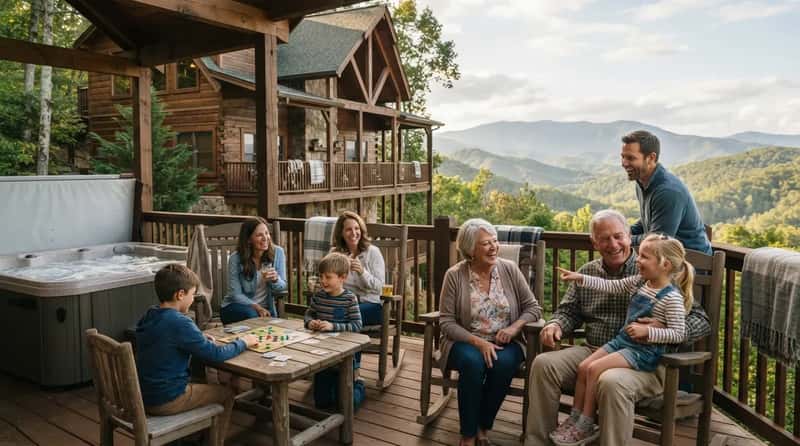
Most people picture multigenerational trips as flights, passports, and jet lag. The trend that’s actually exploding is far simpler: rent one big cabin and never leave it. Tucked into the foothills of the Smoky Mountains, Pigeon Forge has become a go-to for exactly this, pulling the same families back year after year.
The appeal isn’t the attractions in town – it’s the porch. Families rent one cabin with mountain views, a hot tub, and a game room, and that’s the entire itinerary. Nobody has to get dressed, drive anywhere, or juggle five separate schedules. Everyone just exists in the same space, which turns out to be exactly what both ends of the family actually wanted.
Educational Tours Are the Secretly Popular Choice Nobody Admits To

Grandparent-grandchild “learning trips” sound like homework wearing a vacation costume, but they’ve built a massive, loyal following. Road Scholar, the world’s largest educational travel organization for adults, was one of the first to design grandparent-specific tours – and now runs dozens of them, from rafting the Grand Canyon to African safaris to Broadway weekends in New York.
The part most families miss is the peer effect. Every other traveler on the trip is also a grandparent with a grandchild in tow, so both generations get built-in company their own age. Grandpa suddenly isn’t the only “old person” in the room, and the grandkid isn’t the only kid – which quietly removes most of the awkwardness that sinks other family trips.
All-Inclusive Resorts Solve the Fight Nobody Admits They’re Having

The quiet tension on most multigenerational trips isn’t the destination – it’s who pays for what, and who’s on duty watching the kids. All-inclusive resorts have become the peace treaty for both problems. Some properties split the group between a family-focused side and an adults-only section with its own pool, spa, and evening entertainment, so grandparents still get “the family vacation” without babysitting through dinner.
The money math matters more than people admit, too. Nearly half of grandparents split trip costs with their adult children, while about half cover the whole thing themselves – and either way, an all-inclusive price tag means nobody’s negotiating over the dinner bill. Add a kids’ club and an adult-only pool, and it’s easy to see why these resorts land on “actually worked” lists instead of “never again” ones.
At a Glance
- Nearly half of grandparents split trip costs with their adult children; the other half cover the whole bill themselves.
- Many resorts divide the property into a family zone and an adults-only section with its own pool and spa.
- One price covers meals, drinks, and most activities, so nobody’s arguing over the dinner bill.
- Kids’ clubs let grandparents duck out for a quiet afternoon without any guilt.
Dude Ranches Give Grandkids the One Thing Screens Can’t

Nobody expects a ranch vacation to become the trip that gets requested every single year, but that’s exactly what happens once a family tries it. There’s no theme park loop, no cruise schedule – just horses, campfires, and long stretches of unstructured time that force real conversation instead of small talk.
The reason it works is structural, not accidental. Ranch stays usually bundle meals, activities, and lodging into one price, wiping out the logistics that normally fall on grandparents. The spotty Wi-Fi turns out to be the biggest selling point – kids disconnect within a day, and grandparents finally get the undivided attention they’d been hoping for the whole trip.
Historic City Trips Turn Grandparents Into the Cool Storyteller
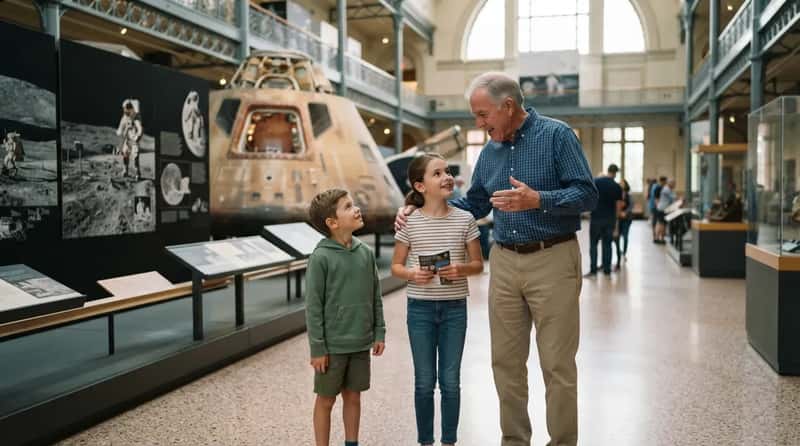
Most families default to beaches or parks and skip cities like Washington, D.C., Boston, or Philadelphia entirely – which travel planners say is a mistake. These cities flip the usual dynamic, turning grandparents into the expert in the room simply because they lived through more of the history on the plaques.
The free-museum model makes it painless, too. Every Smithsonian museum is free to enter, so a family of six can spend a full week exploring without a single ticket line or reservation fight. Grandkids get context they can’t get from a textbook, and grandparents finally get to be the one who “actually remembers” the moon landing.
Worth Knowing
- The Smithsonian runs 17 museums and the National Zoo in Washington, D.C. – and every single one is free to enter.
- Boston’s Freedom Trail is a 2.5-mile walk connecting 16 historic sites, manageable for most grandparents in a single afternoon.
- Philadelphia’s Independence Hall and the Liberty Bell sit only a few blocks apart, so a full history lesson fits in before lunch.
African Safaris Turn Every Age Into a Kid Again

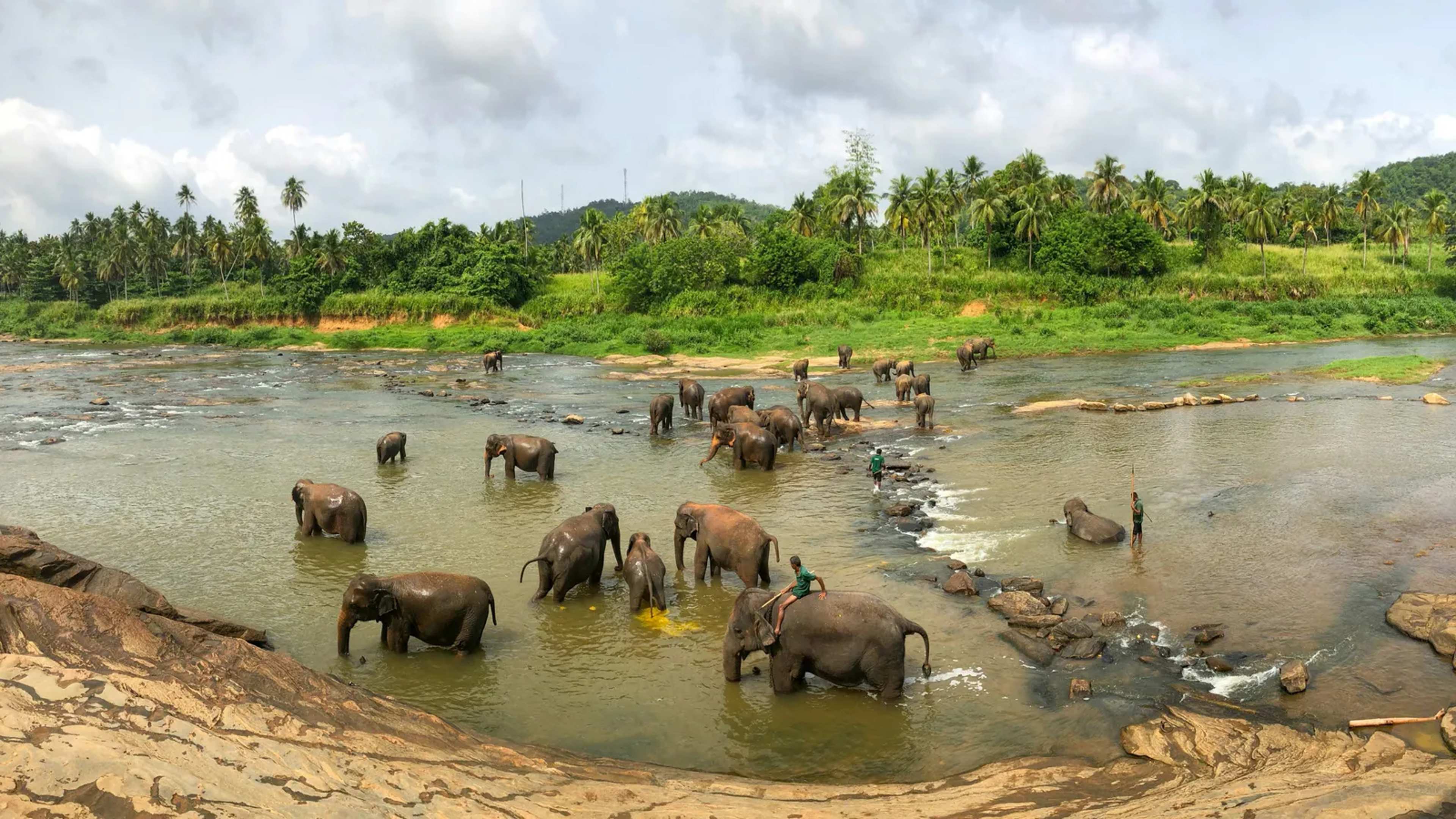
It sounds like the least practical option on this list, but travel advisors keep pointing to it as the trip with the biggest emotional payoff. A Kenya safari routinely tops recommended multigenerational trips, because it has a way of making everyone – toddler to great-grandparent – react like a kid seeing something for the first time.
Part of what makes it work is that nobody has the advantage of experience. A seven-year-old and a seventy-year-old are seeing their first wild elephant at the exact same moment, with nothing to compare it to. That shared “first time” is rare on a normal vacation, where the adults have usually already seen everything before.
Skip-Generation Trips Are Growing Faster Than Anyone Predicted

The most surprising shift in family travel isn’t multigenerational trips at all – it’s grandparents skipping the middle generation entirely. Roughly 22 percent of grandparents have now traveled with a grandchild completely alone, part of a market of more than 20.8 million U.S. travelers taking multigenerational trips each year.
And grandparents say the payoff is even bigger without the parents along. Seventy-five percent say multigenerational travel strengthens their bond with grandchildren – but that number jumps to 82 percent for trips where it’s just the two of them. Fewer adults in the room apparently means fewer competing agendas, and a noticeably closer bond by the end of the week.
Seven Generations Are Now Traveling at Once – and the Industry Wasn’t Ready

None of this is a small, fading trend – it’s quietly reshaping the whole travel industry. For the first time in history, seven living generations exist at once, from the youngest “Beta babies” up through Generation Alpha, Millennials, Generation X, and Baby Boomers. Companies that used to design trips for couples or nuclear families are now scrambling to build itineraries that work for an eight-year-old and an eighty-year-old on the same day.
The demand is only accelerating. One tour operator director reported multigenerational bookings growing at roughly 35 percent a year over the past three years – a rate almost unheard of in an industry that usually measures progress in single digits. Families aren’t just tolerating these trips anymore. They’re actively choosing them over everything else.
Quick Compare
- Generation Beta: born 2025 and later – the newest arrivals
- Generation Alpha: born roughly 2010 to 2024 – today’s grandkids
- Generation Z: born roughly 1997 to 2012 – the oldest “kids” in the mix
- Millennials and Generation X: the parents currently juggling both ends
- Baby Boomers and the Silent Generation: today’s grandparents and great-grandparents
The One Thing Every Trip on This List Has in Common
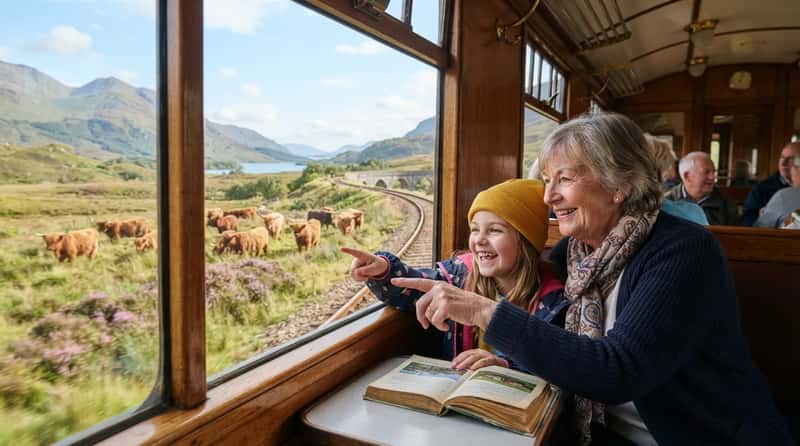
None of these trips work because of the destination on the brochure. They work because someone quietly removed the friction – the driving, the planning, the Wi-Fi, the extra adults arguing over the itinerary. Less logistics, more shared firsts: that’s the entire formula, whether it costs nine hundred dollars or nine thousand.
So which one has your family actually tried – and which one surprised you? That’s usually the real story behind these trips: not the place itself, but the one moment nobody expected to matter this much.