
Most people think of mosquitoes as a Southern problem – a swampy, humid, Georgia-in-August kind of problem. For years, that was actually true. Atlanta held the top spot on the nation’s most-watched mosquito rankings for nearly a decade, and nobody was especially surprised. Then something shifted. Los Angeles, the city of car culture and sun-bleached concrete, quietly became the mosquito capital of the United States, and it has now held that unwanted crown for several years running. Sunny, sprawling, and increasingly warm, L.A. is ground zero for an infestation that keeps intensifying with every passing season.
This isn’t just a backyard nuisance story. It’s a story about invasive species, a changing climate, urban density, and a public health system scrambling to keep up. Experts say the bigger story isn’t just that mosquitoes are annoying – it’s that they’re spreading into more regions and bringing greater health concerns with them. What’s happening in Los Angeles is a preview of what’s coming to cities across the country, and it’s worth understanding exactly why the problem has become so entrenched – and so hard to solve.
Los Angeles: Four Years at the Top and Counting
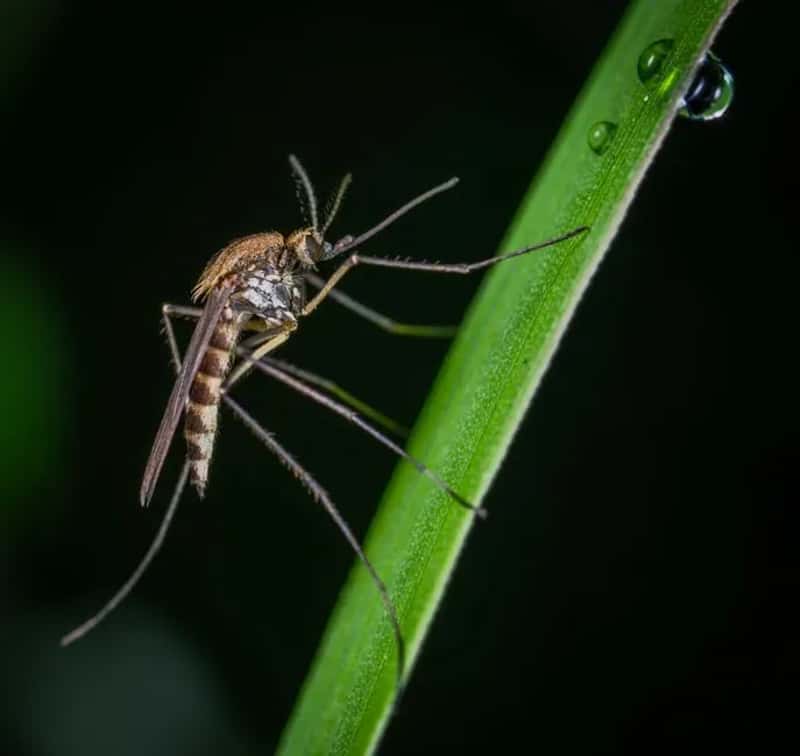
Los Angeles has now held the top spot on Orkin’s annual mosquito city rankings every year since 2021, marking a major shift in where mosquito activity is exploding across the country. Before that, Atlanta dominated the rankings for six straight years. The rankings themselves are grounded in real service demand: they are based on the number of new residential mosquito treatments performed by Orkin between March 2025 and March 2026. That’s not a projection or a climate model – it’s what actual homeowners are calling pest control companies about, month after month.
According to Orkin’s 2025 Top Mosquito Cities List, Los Angeles claimed the number one spot for the fourth year in a row, with fast-climbing cities like Detroit, Cleveland, and Denver making major moves into the top 10. California as a whole remains a stronghold for mosquito activity, with five cities in the Top 50: Los Angeles, San Francisco, Sacramento, San Diego, and Fresno. That kind of statewide saturation is no coincidence – it reflects a deeper, structural shift in where and why these insects are thriving.
The Invasive Species That Changed Everything
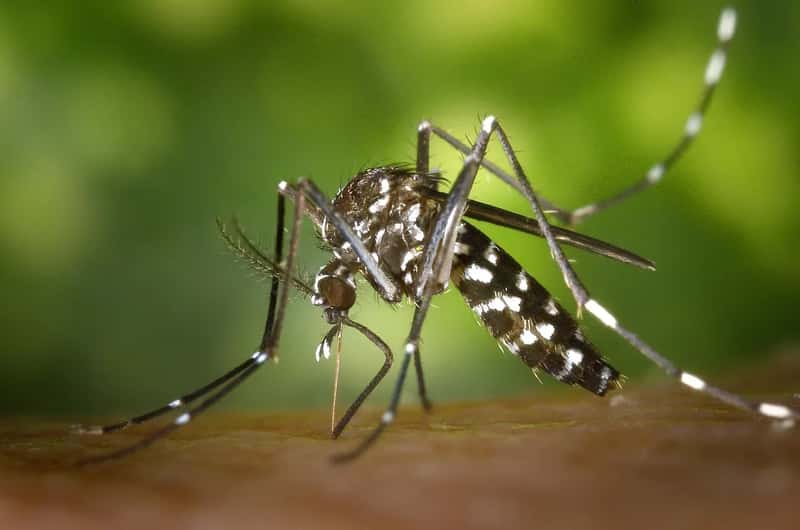
Public health technicians in the San Gabriel Valley are on constant alert for a particularly aggressive mosquito called Aedes aegypti. An invasive species, the Aedes mosquito is relatively new to Southern California – and it can spread a disease that historically could not be caught within the region: dengue fever. This isn’t the lumbering, dusk-hovering mosquito Californians were used to. Aedes mosquitoes are aggressive, black-and-white insects that thrive in cities, and are also called “ankle biters” due to their behavior of biting people near the feet.
The target species, Aedes aegypti, began to populate Los Angeles County in 2014, and has evolved to hone in on one thing – humans. The new mosquitoes gained a foothold in the region since the early 2010s, likely introduced from the Southeastern United States. Since then, they’ve really spread and are now present all across Los Angeles County, according to vector control officials. Once established, this species proved extraordinarily difficult to dislodge – a problem that continues to confound control agencies today.
Why the Climate Connection Is Real and Accelerating
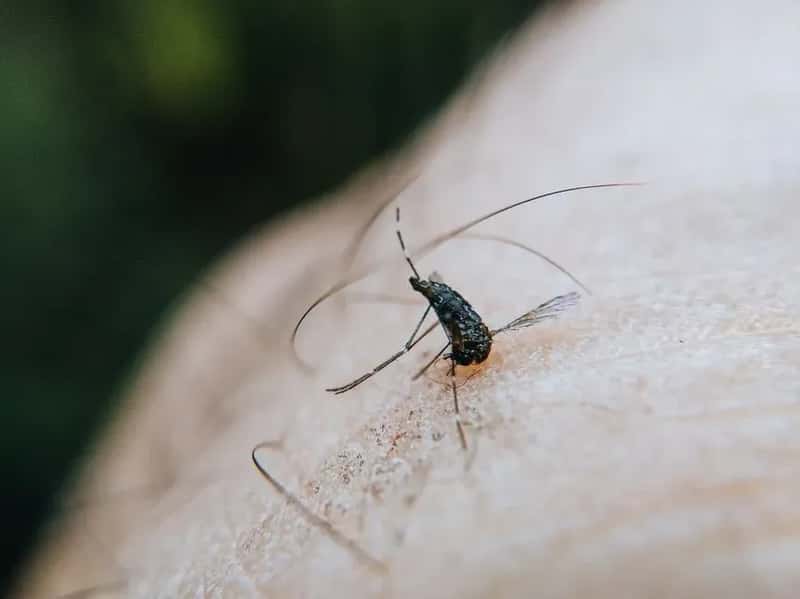
In recent years, climate change has softened winter temperatures, lengthening the season mosquitoes can thrive. Residents have also unwittingly created plenty of Aedes mosquito-friendly habitat. The mechanics here are fairly straightforward: warmer winters mean fewer eggs and larvae die off, so each new season begins with a larger base population than the one before. Warmer temperatures also affect how viruses survive and thrive inside the insects. “If it’s warmer for a longer part of the year, then the mosquitoes are active longer,” which affects their biology. Warmer conditions cause the virus to reproduce faster inside the mosquito, reducing the window of time between when a mosquito becomes infected and when it becomes infectious.
As one infectious disease expert at Huntington Health put it: “Warmer weather means warmer pools of standing water, a friendlier environment for breeding mosquitos, especially without very cold winters to kill off the eggs and larvae.” California’s weather is warming because of human-caused climate change, lengthening the season in which mosquitoes can survive and breed. The species can now theoretically survive nearly as far north as the Oregon border, according to potential range maps from the Centers for Disease Control and Prevention. That’s a staggering expansion of territory for a bug that was barely present in the region a generation ago.
Dengue Fever: A Disease That Wasn’t Supposed to Be Here
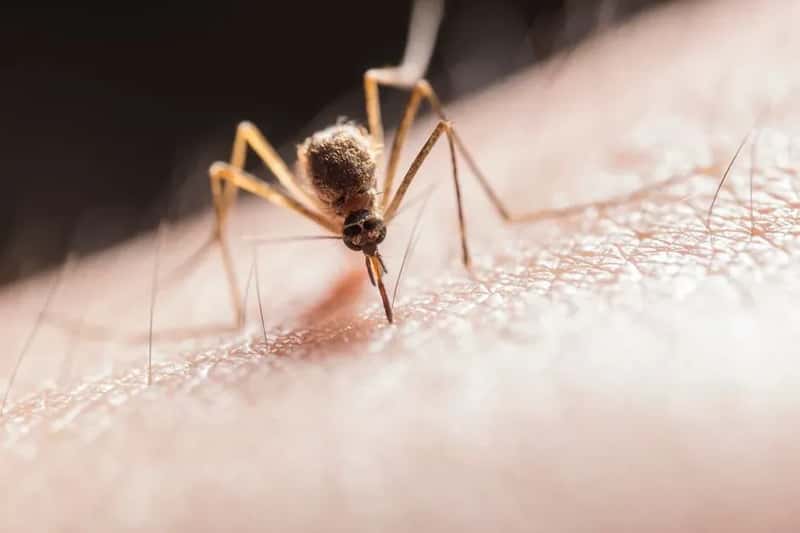
Before 2023, if you caught dengue fever in Los Angeles, it was because you had traveled to a tropical country. That assumption no longer holds. During the 2024 mosquito season, LA County saw an emergence of locally acquired dengue, reporting a total of 14 cases – which is extremely rare for a region where the virus had not previously been transmitted by mosquitoes. These weren’t returning travelers. These were people who had never left their neighborhoods. By 2025, the Los Angeles County Department of Public Health was already investigating the first case of locally acquired dengue for the new mosquito season in a resident of the San Gabriel Valley, with the person reporting no history of travel to areas where dengue is endemic.
Doctors at Cedars-Sinai have noted: “We’ve always had dengue cases in Los Angeles linked to travel, but now we’re encountering patients who haven’t traveled at all – they’ve never left Los Angeles. These individuals were bitten by mosquitoes locally.” This suggests there are likely more mosquitoes carrying dengue that haven’t been detected yet. In 2024, there was a record number of returning travelers diagnosed with dengue, which led to 18 reported locally acquired dengue infections in California. That number could increase as the dengue outbreak continues in Latin America, and invasive Aedes mosquitoes continue to spread rapidly throughout the state.
West Nile Virus: The Persistent, Deadly Undercurrent
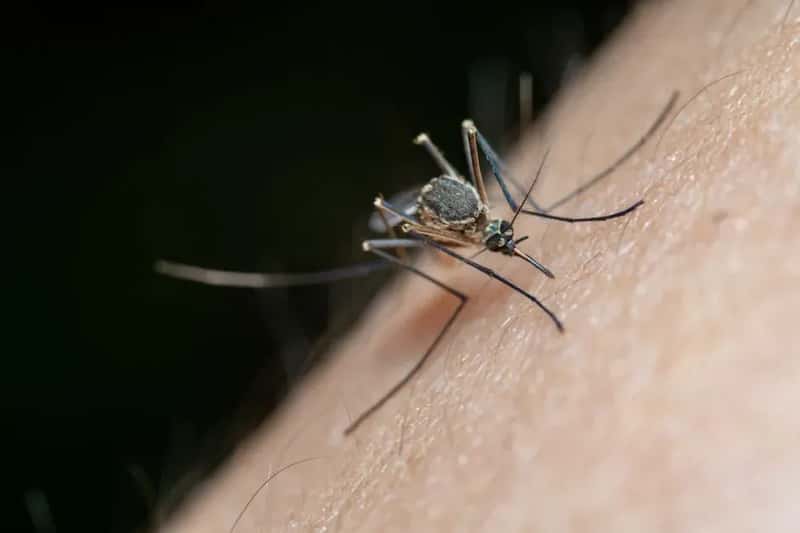
While dengue has grabbed recent headlines, West Nile virus remains the older, more embedded threat. West Nile virus, spread by Culex mosquitoes, is the most prevalent and serious disease transmitted by mosquitoes in California. There is no human vaccine for West Nile virus, a disease that can cause debilitating cases of meningitis, encephalitis, and even death. California had very high West Nile virus activity in 2023, with 433 human cases, 20 of which were fatal. There were fewer cases in 2024, with 129 human cases, 12 of which were fatal. There have been more than 8,000 human cases and nearly 400 deaths reported in California since 2003 when West Nile virus first appeared in the state.
The Los Angeles County Department of Public Health confirmed the first local death due to West Nile virus in the 2025 mosquito season: a resident of San Fernando Valley who was hospitalized and died from neurological illness caused by severe West Nile virus. West Nile virus is the most common mosquito-borne disease affecting residents in LA County, and Public Health reports cases of West Nile virus every year, as the virus is endemic to the region. This is the grim baseline – not a spike, not an anomaly, just the steady annual toll that the city has come to accept as the cost of its mosquito problem.
The Urban Landscape That Makes L.A. a Perfect Breeding Ground
In the United States, two mosquito groups are responsible for most activity in urban areas: Aedes and Culex. Both adapt well to city environments where small water sources, such as gutters, containers, and storm drains, create ideal breeding spots. Los Angeles, with its roughly ten million county residents, sprawling suburban yards, persistent drought-interrupted-by-rain weather cycles, and culture of outdoor living, provides an almost ideal environment for both. Aedes mosquitoes live primarily in urban, densely populated areas and can replicate in tiny amounts of water – just a capful of water can house hundreds of mosquito eggs.
The spread of invasive mosquitoes and the diseases they carry is being propelled by climate change, global trade, and urbanization pushing pests into new territory. With increased urbanization comes the destruction of the natural landscape, which contributes to a drop in biodiversity. The decreased abundance of species is allowing expansion of infectious disease vectors like mosquitoes, because they tend to be the most adaptable. As more abundant insect species are killed off, more adaptable ones like Aedes fill the void and flourish. Los Angeles has inadvertently optimized its landscape for exactly this kind of ecological takeover.
The Mosquito Problem Is Spreading Beyond L.A.
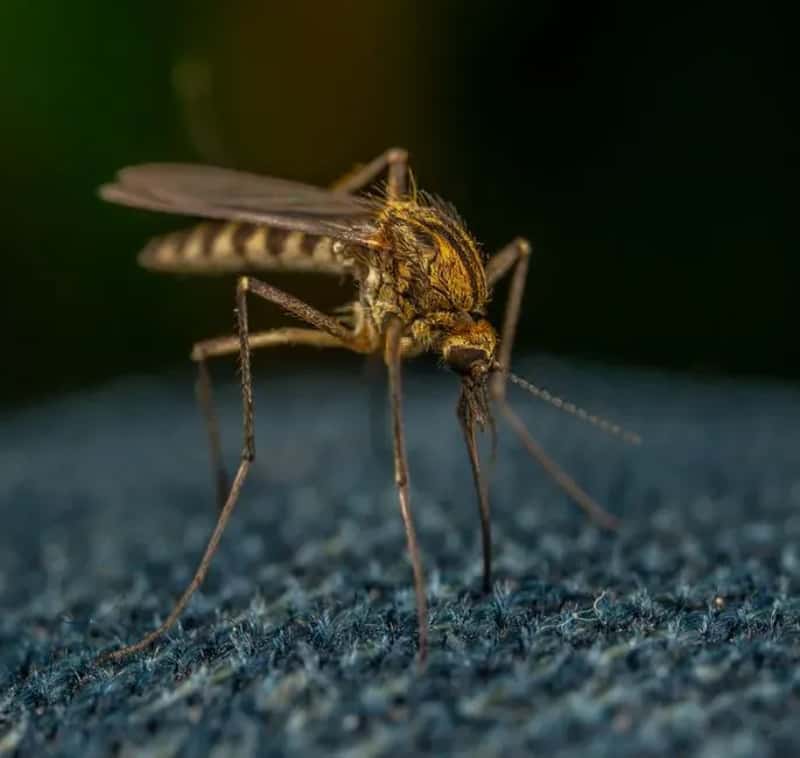
While Los Angeles bears the brunt of the rankings, the trajectory across the country is telling. According to Orkin entomologist Shannon Sked: “Over the past decade, we’ve seen mosquito activity expand beyond traditional hotspots and become a nationwide concern.” Emerging trends, especially in the Midwest, show how shifting climate conditions and the expanding range of the yellow fever mosquito are creating new hotspots across the country. Cities that never used to think much about mosquitoes are now appearing on national lists for the first time. Chicago, New York, Atlanta, and Detroit rounded out the top five in 2025, with Detroit making its first-ever appearance in the top rankings. Cleveland and Denver also broke into the top 10 for the first time, signaling larger mosquito pressure in northern cities as temperatures climb.
In the U.S., the most commonly reported illnesses from mosquitoes include West Nile virus, dengue, Zika virus, and chikungunya. According to the CDC, West Nile virus is the leading mosquito-borne disease in the continental U.S., with about 2,000 diagnosed cases each year – though the actual number of infections is likely higher because many people have mild or no symptoms. The CDC reports that mosquitoes lead to more deaths annually than any other creature in the world, with more than half a million people dying every year due to mosquito-transmitted diseases globally, including malaria, West Nile virus, dengue, yellow fever, Zika, and other ailments. What’s happening in L.A. isn’t a local curiosity – it’s a national warning sign.
What’s Being Done – and Why It’s Not Enough
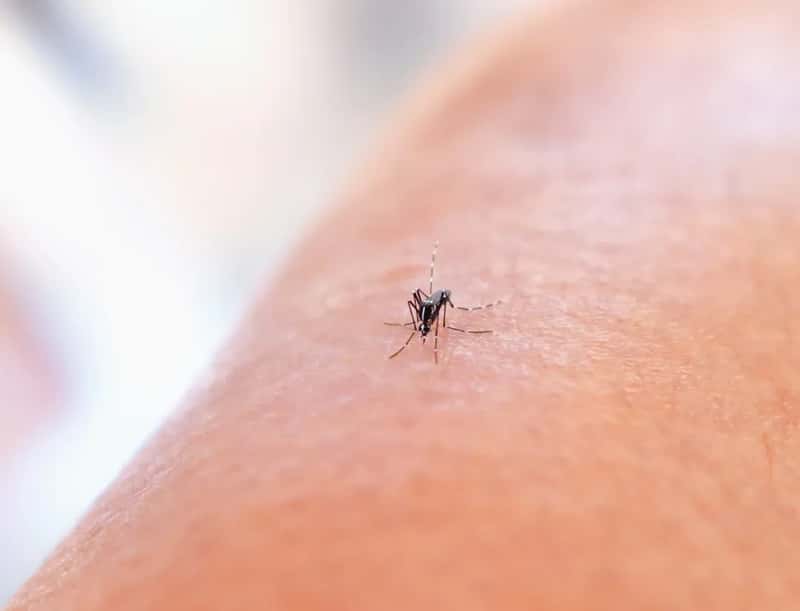
Officials in Los Angeles County are not standing still. In a striking sign of how serious the situation has become, vector control agencies have been deploying an unconventional weapon. Male Aedes aegypti mosquitoes don’t bite, so experts say the program poses near-zero risk to humans. Officials have planned to release seven to ten sterile mosquitoes for every wild male they believe is living in the target region, which could mean up to 60,000 mosquitoes per week. The strategy of flooding a zone with sterile males to outcompete wild ones and reduce reproduction is scientifically sound, but it is labor-intensive and geographically limited. Scientists acknowledge: “They’ve evolved specifically to exploit humans as their hosts, and so we are constantly in an arms race against them.”
Invasive mosquitoes have now become established in 24 counties in California. Invasive Aedes are very hard to control and pose a serious public health threat because they can spread diseases such as dengue, Zika, and chikungunya to people, as well as animal heartworm to pets. The sheer scale of the infestation means that even well-funded programs struggle to make a dent. Simple steps like removing standing water, cleaning gutters, trimming vegetation, and maintaining outdoor areas can help limit breeding sites – but in a city of ten million people, sustained, widespread participation in prevention is nearly impossible to achieve. The mosquitoes, meanwhile, are exceptionally patient.
The Outlook: A Problem Built to Compound
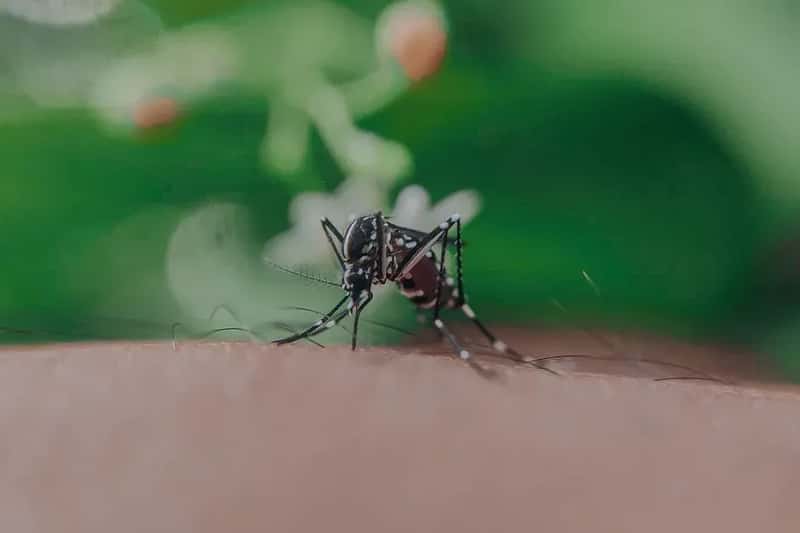
There is no realistic scenario in which Los Angeles wakes up one summer with a mild mosquito season and a clean bill of vector health. The structural conditions – warming temperatures, dense urban development, an established invasive species population, and increasing global travel – are all pointed in the wrong direction. Global warming causes temperatures to rise which, in turn, expands the reach of insects carrying infectious diseases. Species of mosquitoes that thrive in warmer environments are finding newly hospitable homes in places where the climate is warming and the summer heat lingers longer. That process is cumulative and self-reinforcing, which is precisely why pest control data year after year tells the same story: Los Angeles at the top, the problem growing.
The city that gave the world movie premieres and freeway culture is now, unexpectedly, one of the world’s most instructive case studies in what happens when an invasive biting insect meets a warming urban environment and finds everything it needs. Local dengue transmission in Los Angeles County highlights the emerging threat of mosquito-borne disease transmission in non-endemic areas and the need for rapid and coordinated public health and vector control responses to interrupt transmission. The mosquito season in L.A. now runs from June through November – half the year. For residents, the advice from public health officials remains unchanged: use repellent, eliminate standing water, and keep your screens intact. It isn’t glamorous counsel. But in a city where the bugs have been winning for five straight years, it may be the most practical thing anyone can say.