What makes a city truly livable? It’s a question people ask when they dream of moving somewhere new or simply wonder if the grass really is greener on the other side. Every year, urban dwellers around the globe debate which offer the best quality of life, where infrastructure meets culture, and where safety blends with opportunity. The answer varies depending on who you ask, yet there’s one ranking that’s become a trusted benchmark for assessing urban livability.
The Economist Intelligence Unit publishes the Global Liveability Index annually, ranking 173 worldwide based on stability, healthcare, culture and environment, education, and infrastructure. These aren’t just abstract categories. They represent the daily realities of millions of people navigating work, family, and leisure. Let’s explore which made the cut in the latest rankings and what sets them apart from the rest.
Copenhagen Takes the Crown
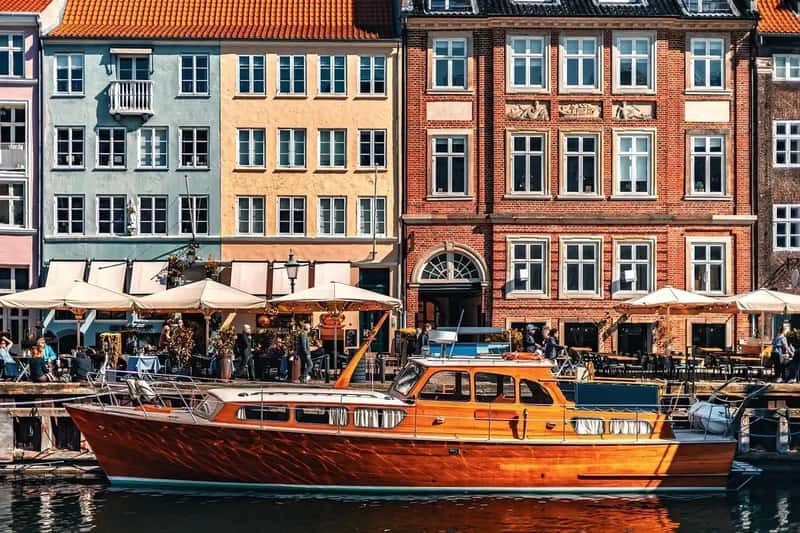
Copenhagen was ranked the most livable city in 2025, ending Vienna’s three-year run at number one. The Danish capital didn’t just edge out the competition. The city achieved perfect scores for stability, education and infrastructure with an overall average score of 98.0.
Walking through Copenhagen, you’d notice something distinct about the urban rhythm. The city features extensive bike lanes, some of the world’s best green policies, and a robust set of state protections. It’s hard to ignore how the city prioritizes sustainable living without sacrificing convenience.
Copenhagen innovates through initiatives like CopenPay, a green tourism program which rewards visitors for eco-friendly actions, with 90 participating attractions across the city. This kind of forward-thinking approach shows how a city can be both livable for residents and appealing to outsiders. It’s not just about having good schools and hospitals; it’s about creating an environment where people actually want to spend their time.
Vienna and Zurich Share Silver
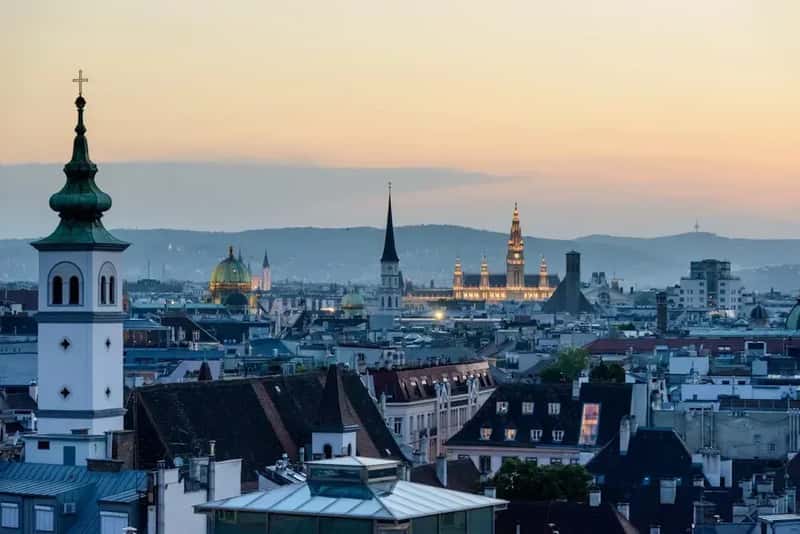
Vienna, Austria and Zurich, Switzerland tied for second place, each with a score of 97.1. Vienna’s drop from first position wasn’t due to systemic failures. The sharp decline in Vienna’s stability score was attributed to recent incidents, including a bomb threat at a Taylor Swift concert last summer, which led to the event being canceled.
Despite this dip, Vienna remains a powerhouse when it comes to livability. The city scored perfectly for stability, health care, education and infrastructure in the 2024 index. The Austrian capital continues to impress with its blend of imperial history and modern amenities.
Zurich, on the other hand, brings its own strengths to the table. Vienna scored higher than Zurich in the infrastructure category, while Zurich scored higher in culture and environment. Switzerland’s reputation for excellent healthcare and education systems plays a huge role here. Both cities offer stability and quality that’s hard to match elsewhere, making them ideal for families and professionals alike.
Melbourne Leads the Southern Hemisphere
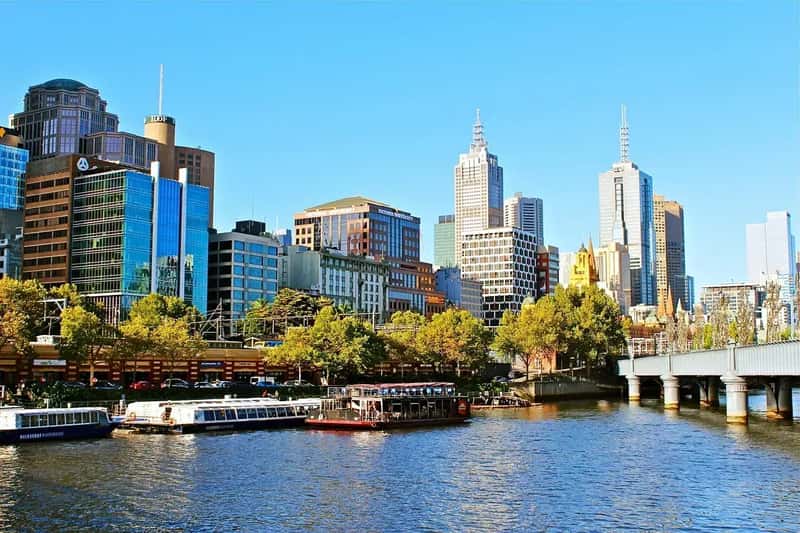
Melbourne ranked fourth with an overall score of 97 out of 100 and is the most livable city in the Southern Hemisphere. Once upon a time, Melbourne dominated these rankings completely. Melbourne reigned atop the list from 2011 to 2017 and was named the world’s most liveable city for seven years straight.
What makes Melbourne special? Melbourne and Sydney matched perfect scores for healthcare and education, but Melbourne pulled ahead in the culture and environment category, scoring 95.8 to Sydney’s 94.4. The city’s multicultural vibe is palpable in its neighborhoods.
Melbourne is ranked as one of the world’s best university cities, has a tram network spanning over 150 miles and 1,600 stops, and features more than 100 galleries and the vibrant East End Theatre District. Let’s be real, that kind of cultural infrastructure doesn’t happen by accident. It takes decades of investment and planning to create a city where art, education, and daily life blend so seamlessly.
Geneva’s Alpine Advantage

Geneva, Switzerland ranked fifth in the 2025 Global Liveability Index. Nestled at the southern tip of Lake Geneva, this Swiss city benefits from its stunning geographical position. The city serves as an international hub for diplomacy and finance, yet it hasn’t lost its livable charm in the process.
Geneva’s location at the southern tip of its namesake lake contributes to its high livability, with the nearby Alps and Jura mountains both offering world-class hiking, skiing, and climbing. Imagine finishing work on a Friday and being at a world-class ski resort within an hour. That’s the kind of lifestyle Geneva offers.
The city combines natural beauty with urban sophistication. Geneva’s Old Town boasts medieval monuments such as St Peter’s Cathedral and Maison Tavel. It’s a place where history meets modernity without feeling forced or artificial. Geneva proves that you don’t have to choose between career opportunities and quality of life.
Sydney Climbs the Rankings
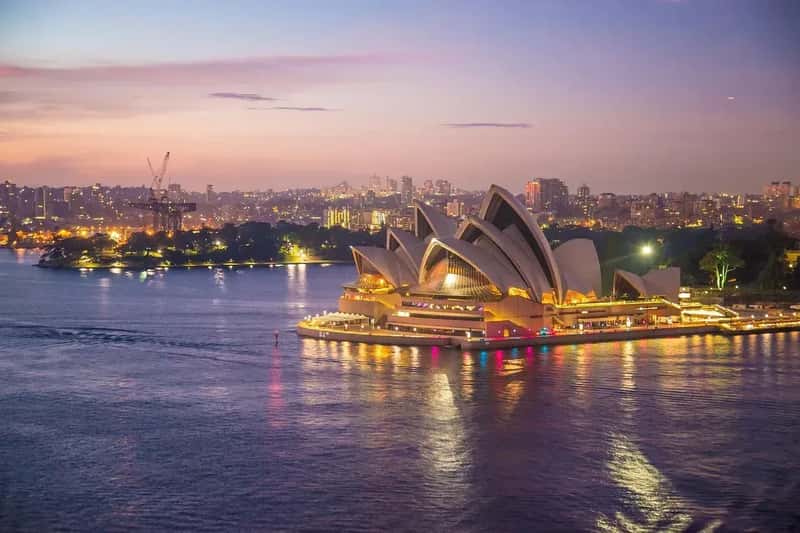
Sydney held onto its overall liveability score of 96.6, but overtook Calgary, jumping from seventh place in 2024 to sixth in 2025. Famous for its iconic Opera House and harbor views, Sydney is more than just a pretty face. The city is a growing business hub and home to excellent educational institutions.
Sydney’s strength lies in its balance. Despite the city’s urban appeal, Sydneysiders value work–life balance. You can climb the corporate ladder while still having time to hit the beach after work or catch a ferry across the harbor on weekends.
The city’s diverse neighborhoods each have their own character, from the beachside charm of Bondi to the historic Rocks district. Sydney matched perfect scores for healthcare and education with 100 each. Housing affordability remains a challenge, yet the city continues to attract people from around the world who see the trade-offs as worthwhile.
Osaka and Auckland Tie for Seventh

Osaka, Japan and Auckland, New Zealand tied for seventh place in the 2025 rankings. These two cities couldn’t be more different culturally, yet they share key qualities that make them highly livable. Osaka brings Japan’s legendary efficiency and cleanliness to the table.
Osaka received top scores for stability, health care, and education, with locals known for their friendliness and love of good food, featuring late-night takoyaki and skewered kushikatsu stalls lining the streets of Dotonbori entertainment district. The city has a more laid-back vibe compared to Tokyo, yet it doesn’t sacrifice quality or convenience.
Auckland, on the other hand, offers something entirely different. Auckland is committed to sustainability with the Waste Minimisation and Management Plan 2024 as a strategy to achieve zero waste in the city by 2040. New Zealand’s largest city combines stunning natural landscapes with urban amenities. Both cities prove that livability isn’t a one-size-fits-all concept, yet certain fundamentals like healthcare, stability, and infrastructure remain universal.
Adelaide’s Remarkable Ascent
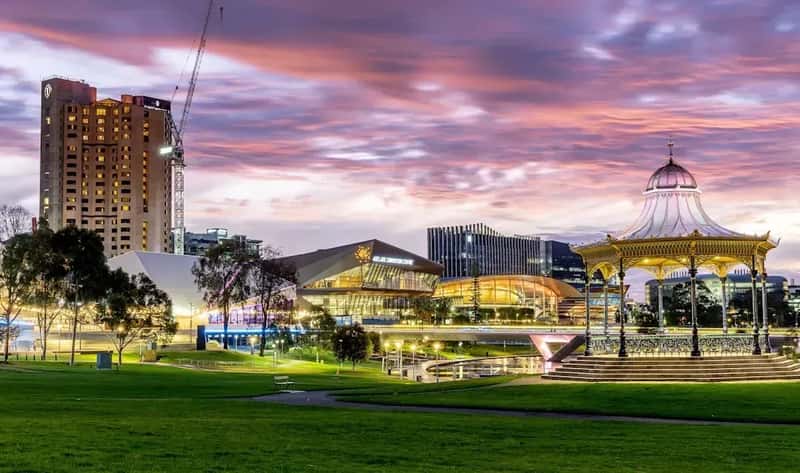
Adelaide ranked ninth place with an overall liveability score of 95.9, a huge leap from the city’s 11th place ranking in 2024 and an even bigger jump from 30th place in 2022. This South Australian capital has quietly become one of the world’s most livable cities without the flash of its larger neighbors.
Adelaide has been dubbed the 20-minute city because getting to the beach or the hills is just a short drive away, and the city boasts countryside charm and a vibrant art and food scene. It’s hard to find that kind of accessibility in bigger metropolitan areas.
Adelaide shares the same ratings as Melbourne and Sydney across all categories except culture and environment, where it scores a solid 91.4. The city moves at a gentler pace, which many people find refreshing. Adelaide knows how to have fun with its Fringe Festival, WOMADelaide, gallery nights, sports events, and lively weekend markets. Sometimes the best cities are the ones you haven’t heard as much about.
Vancouver Rounds Out the Top Ten
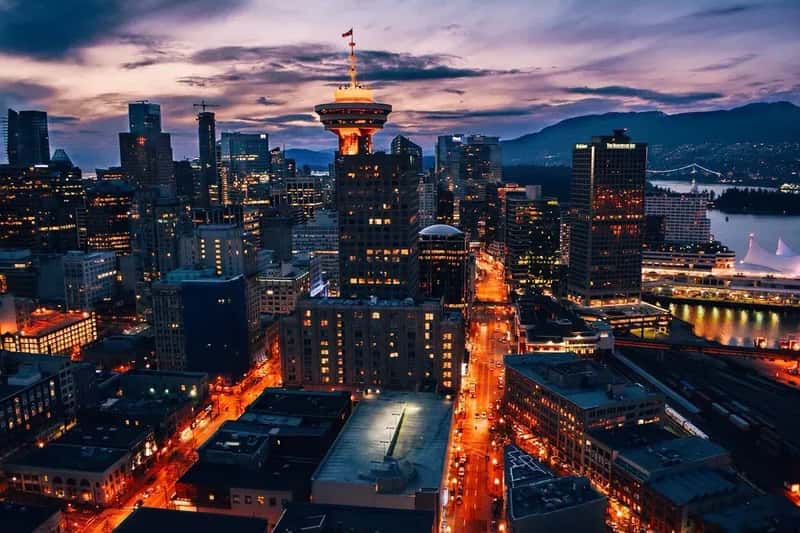
Vancouver, Canada took the number 10 slot in the 2025 rankings. Vancouver stands out as the only North American city to rank in the top . Calgary had previously held a top-five position, so Vancouver now carries the torch for the continent.
Stability and access to health care contributed to Vancouver’s strong showing, scoring a perfect 100 in the education category, and Vancouverites are blessed with a stunning location between the Pacific Ocean and North Shore Mountains. The natural beauty surrounding Vancouver is almost unfair. You can go skiing in the morning and sailing in the afternoon.
Housing affordability remains a significant challenge in Vancouver, just like in many desirable cities. Melbourne, Sydney and Vancouver slipped amid a significant shortfall in housing availability, with Toronto falling to 12th place after ranking among the top 10 in the previous two years for the same reason. Yet people continue to flock there, drawn by the combination of economic opportunity and natural splendor that’s hard to replicate elsewhere.
What Sets These Cities Apart

Looking at these top ten cities together, patterns emerge that explain their success. Cities from the Western world dominate the top 10, reflecting their widespread availability of goods and services, low personal risk, and effective infrastructure. These aren’t just wealthy cities; they’re places that have invested thoughtfully in quality of life for decades.
Western Europe was the best-performing region for livability globally, scoring an overall 92 out of 100, however it has dropped since last year due to an increase in protests and crime, which weighed on the stability category. Even the best-performing regions face challenges and need continuous improvement.
This year’s global average liveability score was 76.1, with almost half of the top 20 places located in East Asia and Australasia. What’s fascinating is that size doesn’t necessarily correlate with livability. Only three cities in the top 20 have more than 6 million residents. Medium-sized cities often perform better because they can maintain quality infrastructure and services without the overwhelming congestion of megacities.
The Cities That Didn’t Make the Cut

None of the 21 U.S. metros analyzed by the Economist Intelligence Unit made it into the top 20 in 2025, as growing instability across the U.S. undermined their standing. U.S. cities have the highest score for education with an average of 84.4 out of 100, but are rated lowest for stability, with the main reason being the greater incidence of social unrest and weak gun-control laws that mean crime is often violent and fatal.
Major global cities like New York and London also struggle in these rankings. There is a conspicuous absence of global alpha cities like New York ranked 69th, London 54th from the absolute apex of the list, suggesting that extreme size and global economic or political centrality may be evolving into liabilities in the liveability calculus. It’s a sobering reminder that economic power doesn’t automatically translate into quality of life for everyday residents.
Calgary dropped from fifth place in 2024 to 18th after receiving a lower healthcare score, along with three fellow Canadian cities, due to a strain on the country’s healthcare system. Even wealthy, stable countries can see their cities slip when essential services come under pressure. These rankings shift year by year, reflecting the dynamic nature of urban life and the constant need for cities to adapt and improve.
The world’s most livable cities share common traits: excellent healthcare, strong education systems, reliable infrastructure, cultural vibrancy, and above all, stability. They’re places where you can build a life without constantly worrying about safety, healthcare access, or whether your kids will get a decent education. These cities didn’t achieve their status overnight. They represent generations of thoughtful urban planning, public investment, and a commitment to putting residents’ quality of life at the center of decision-making. What’s your ideal city? Would it be the bike-friendly streets of Copenhagen, the cultural richness of Melbourne, or the mountain-meets-ocean beauty of Vancouver?