Ask any frequent flyer which airport tops the global charts, and there’s a good chance they will pause before answering. The honest answer depends on how you measure “,” but by the metric that matters most to most travelers, total passenger traffic, one airport has owned the crown for nearly three decades running.
That airport is Hartsfield-Jackson Atlanta International, and its dominance is not a fluke of good marketing. It’s the product of geography, airline strategy, and a hub-and-spoke system that turns one mid-sized Southern city into the connective tissue for air travel across an entire continent. Here’s how the rankings actually work, why Atlanta keeps winning, and who might eventually knock it off its perch.
Atlanta’s Remarkable Winning Streak
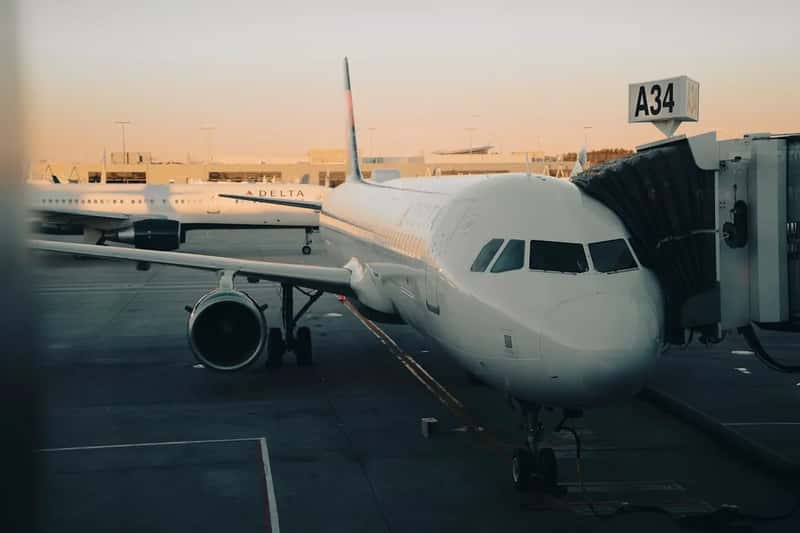
Hartsfield-Jackson Atlanta International Airport, often just called ATL, is not a household name the way London Heathrow or Dubai International are for international travelers. Still, it has quietly held the title of the world’s busiest airport for an extraordinary stretch of time. The Atlanta airport has held the world’s busiest airport title for 27 of the last 28 years, slipping just once in 2020 when air travel cratered during the start of the Covid-19 pandemic.
That kind of consistency is rare in any industry, let alone one as volatile as aviation. Wars, recessions, fuel price spikes, and a global pandemic have all come and gone, yet Atlanta keeps landing back on top. The airport’s staying power says less about luck and more about a business model built around connecting millions of domestic travelers who never even leave the terminal.
How ACI World Actually Counts “Busiest”
The rankings most people cite come from Airports Council International, or ACI World, the trade association that collects traffic data from thousands of airports worldwide. Airports Council International (ACI) World publishes the world’s busiest airport rankings each year based on passenger traffic, aircraft movements, and cargo volumes reported by airports worldwide. That distinction matters because an airport can top one category while ranking lower in another.
The passenger figure itself is calculated in a specific way. Passenger figures are calculated by summing the totals of departing passengers, arriving passengers, transferring passengers and direct transit passengers at each airport throughout the course of the year. In other words, someone connecting through an airport gets counted, but a person merely staying on the same plane during a technical stop is only counted once. This methodology tends to reward big connecting hubs, which is one reason Atlanta and Dubai consistently sit near the top.
The Latest Numbers: 2024 and 2025 in Review
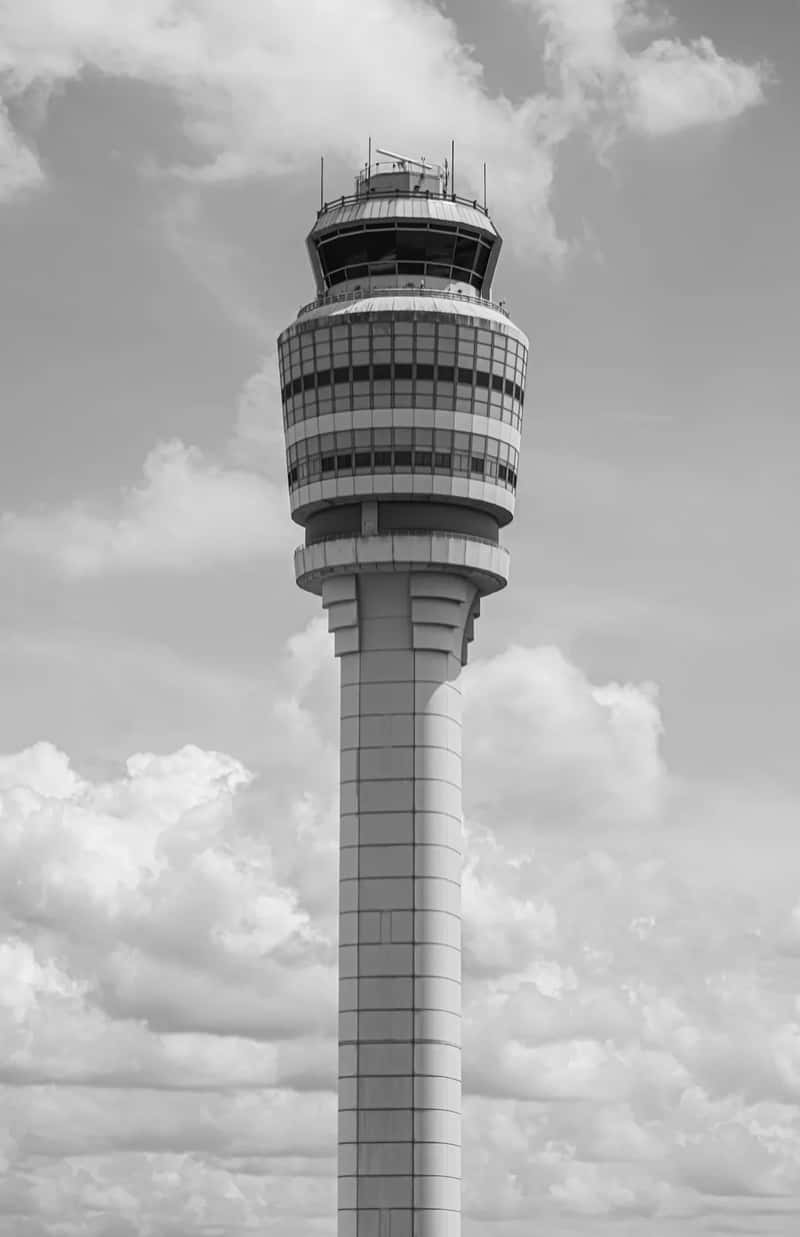
The most recent full-year figures paint a fairly stable picture at the top, even as the totals themselves shifted slightly. Hartsfield-Jackson Atlanta International Airport in the United States claimed the top spot on the Airports Council International (ACI) World list, having served over 108 million passengers in 2024, followed by Dubai and Dallas Fort Worth airports. That made 2024 the airport’s second-busiest year on record, trailing only its pre-pandemic peak.
By 2025, the picture had changed only modestly. Hartsfield-Jackson Atlanta International Airport, the Delta Air Lines hub in Georgia’s capital city, was once again No. 1 in the world for passenger traffic, with 106.3 million passengers using the airport in 2025, though that represented a 1.6% decline from the 2024 total and a nearly 4% dip from 2019. Even with that slight dip, Atlanta’s lead over the rest of the field remained comfortable and unmistakable.
Why Atlanta Became Such a Giant in the First Place
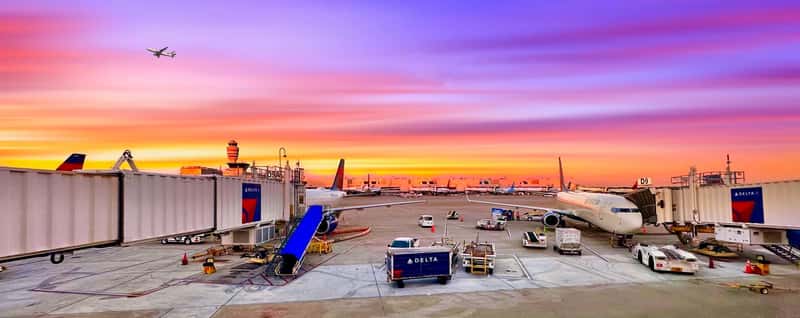
Geography helped set the stage long before Atlanta became an aviation powerhouse. The city sits within a two-hour flight of most major population centers in the eastern United States, making it a natural midpoint for connecting flights between the Northeast, Midwest, and Florida. Delta Air Lines built its largest hub operation there, and that single decision shaped decades of airport growth.
The result is an airport whose business is overwhelmingly built on connections rather than pure origin-and-destination traffic. The passenger mix remains heavily domestic, with domestic passengers in 2025 making up 86% of the total and international passengers accounting for the remaining 14%, up 1.57% year over year. That domestic tilt is the engine behind Atlanta’s numbers, since it allows the airport to funnel enormous volumes of connecting travelers who never touch international customs at all.
The Chasers: Dubai and the Resurgence of Tokyo Haneda
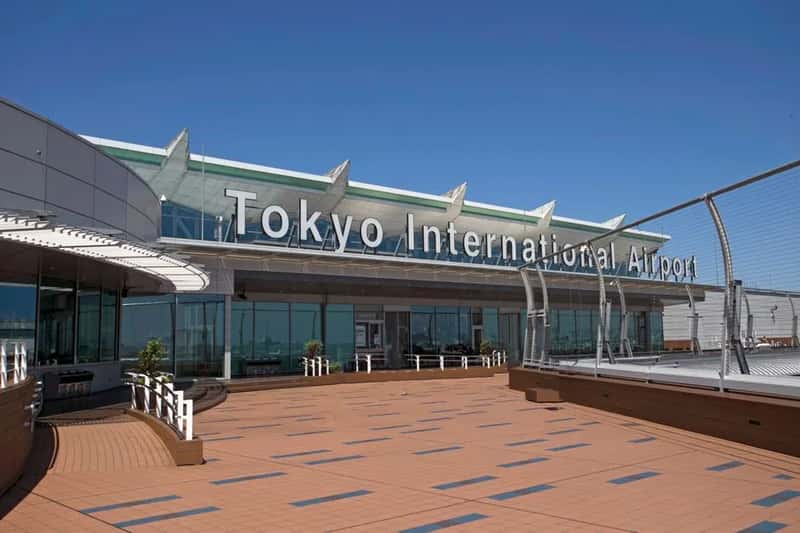
No airport has come closer to challenging Atlanta than Dubai International. Hartsfield-Jackson Atlanta International Airport remains the world’s busiest airport for passenger traffic, followed by Dubai International Airport and Tokyo Haneda Airport. Dubai’s rise reflects its role as the preferred long-haul connecting point between Europe, Asia, Africa, and Australia, a geographic sweet spot that Atlanta simply cannot replicate.
Tokyo Haneda’s climb up the rankings has been one of the more interesting storylines of the past couple of years. Tokyo Haneda Airport (HND) climbed to third place, reflecting the continued recovery and growth of air travel across the Asia-Pacific region. Meanwhile, other Asian hubs have staged comebacks of their own. Shanghai Pudong recorded the biggest jump in the top 10, rising from 10th to 5th, supported by international traffic recovery, visa policy easing, and expanded connectivity, while Guangzhou Baiyun rebounded to 9th position, up from 57th in 2022.
Why American Airports Still Dominate the Top Ten
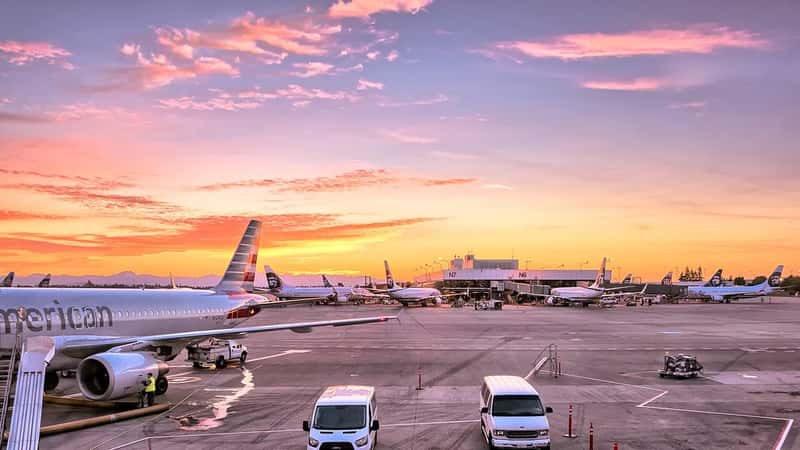
Despite growing competition from the Middle East and Asia, the United States still punches well above its weight in the global rankings. Four airports in the top 10 are in the United States, reflecting continued market strength. That is a remarkable share for a single country, and it comes down to the sheer scale of America’s domestic flying public combined with its network of hub airports.
Those American entrants share a common trait that sets them apart from hubs like Dubai. They all have significant domestic passenger shares, ranging from 80% to 95% domestic traffic. Chicago O’Hare, Dallas Fort Worth, and Denver all rely on this same connecting-hub logic that made Atlanta so dominant, funneling passengers between smaller cities through a handful of massive domestic gateways.
Beyond Passengers: Cargo and Aircraft Movements Tell a Different Story
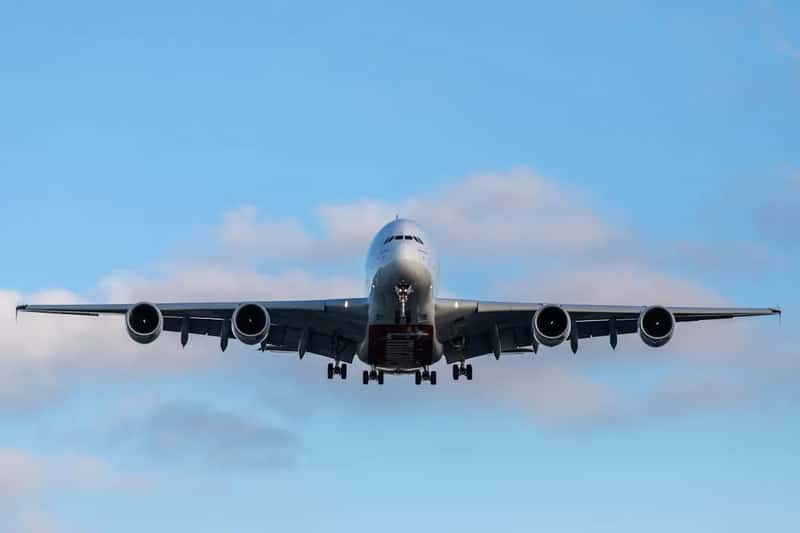
Passenger counts are only one way to measure an airport’s importance, and the rankings look quite different when you shift the lens. The top-ranked airport for cargo traffic is Hong Kong International Airport, while Chicago O’Hare International Airport records the most aircraft movements. That split reveals something important: Atlanta wins on people moved, but it doesn’t necessarily win on cargo tonnage or raw flight volume.
Chicago’s O’Hare offers a good example of how these metrics can diverge from the passenger totals. Sixth-ranked Chicago O’Hare handled 84.8 million passengers in 2025, up 6% from 2024, yet it still topped the aircraft movements category. That’s because O’Hare handles a huge volume of smaller regional jet flights alongside its mainline traffic, driving up total takeoffs and landings even without matching Atlanta’s or Dubai’s total passenger figures.
Could Dubai Actually Take the Crown Someday?

There have already been moments where alternative measures suggested a changing of the guard, at least temporarily. According to seat-capacity data tracked by the aviation analytics firm OAG, Dubai handled 5.5 million seats in January 2026, placing it ahead of Atlanta, which recorded around 4.9 million seats for the same period. That kind of snapshot has fueled speculation about Dubai’s ambitions, though it comes with an important caveat.
Seat capacity is not the same thing as actual passengers flown, and the two measures can tell different stories. OAG’s busiest airports ranking is based on scheduled seat capacity, not passenger throughput, meaning it reflects how many seats airlines have put on sale for travel rather than how many people actually flew. Dubai has certainly been on a hot streak lately. Dubai Airports reported the airport handled approximately 8.8 million passengers in December 2025, up from 8.3 million in December 2024, making it the busiest month ever recorded at the airport. Whether that momentum eventually translates into an actual annual passenger crown remains an open question for the years ahead.
What “Busiest” Really Means for the Average Traveler
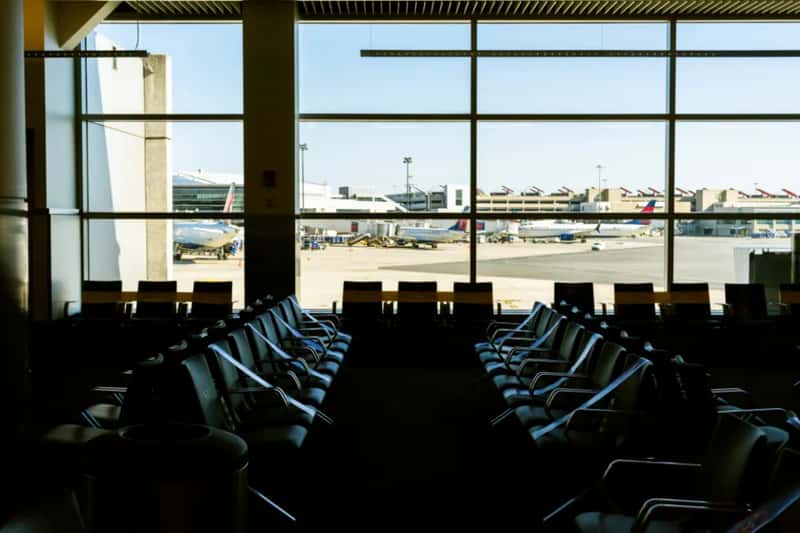
All these rankings can feel a bit abstract until you consider what they mean on the ground. An airport moving over 100 million passengers a year needs an enormous physical footprint, thousands of employees, and split-second coordination between air traffic control, ground crews, and airline operations. Officials say Hartsfield-Jackson generates more than 66 billion dollars in annual economic impact and supports over 63,000 on-site jobs, making it one of Georgia’s largest employers.
Beyond the economic footprint, being the busiest airport shapes the day-to-day experience of flying through it. More connections generally mean more flight options and often better fares, but they also mean longer security lines, bigger terminals to navigate, and a higher chance your connecting gate is a long walk away. For travelers, understanding these rankings isn’t just trivia. It’s a genuinely useful way to anticipate what kind of airport experience awaits on the other side of the jet bridge.
The Bottom Line

The title of world’s busiest airport isn’t decided by a single number or a single year. It reflects decades of strategic decisions about where airlines build their hubs, how geography shapes connecting traffic, and how quickly regions recover from disruptions like the pandemic. Atlanta’s long reign shows just how powerful a well-placed domestic hub can be, while Dubai’s rise shows what happens when an airport builds its entire identity around connecting the world’s long-haul routes.
Whichever airport ultimately holds the crown in any given year, the real story is bigger than the ranking itself. It’s about how interconnected global air travel has become, and how a handful of massive hubs now serve as the invisible backbone linking nearly every corner of the planet.