Java doesn’t sound like a quiet place, and it isn’t. It is the world’s most populous island, home to an estimated 159.2 million people, about 56% of Indonesia’s population, on only 7% of the country’s land area.[1] Jakarta’s traffic and the pace of daily life make that crowding obvious.
Yet a few hours from the capital, the island’s other side comes into view: giant stone temples, a living sultanate and some of the most important fossil beds on Earth. This gallery walks through those treasures one frame at a time, from volcanic-stone Buddhist reliefs to a royal city planned around a mountain and the sea.
Frame One: An Island Where Everything Is Close Together
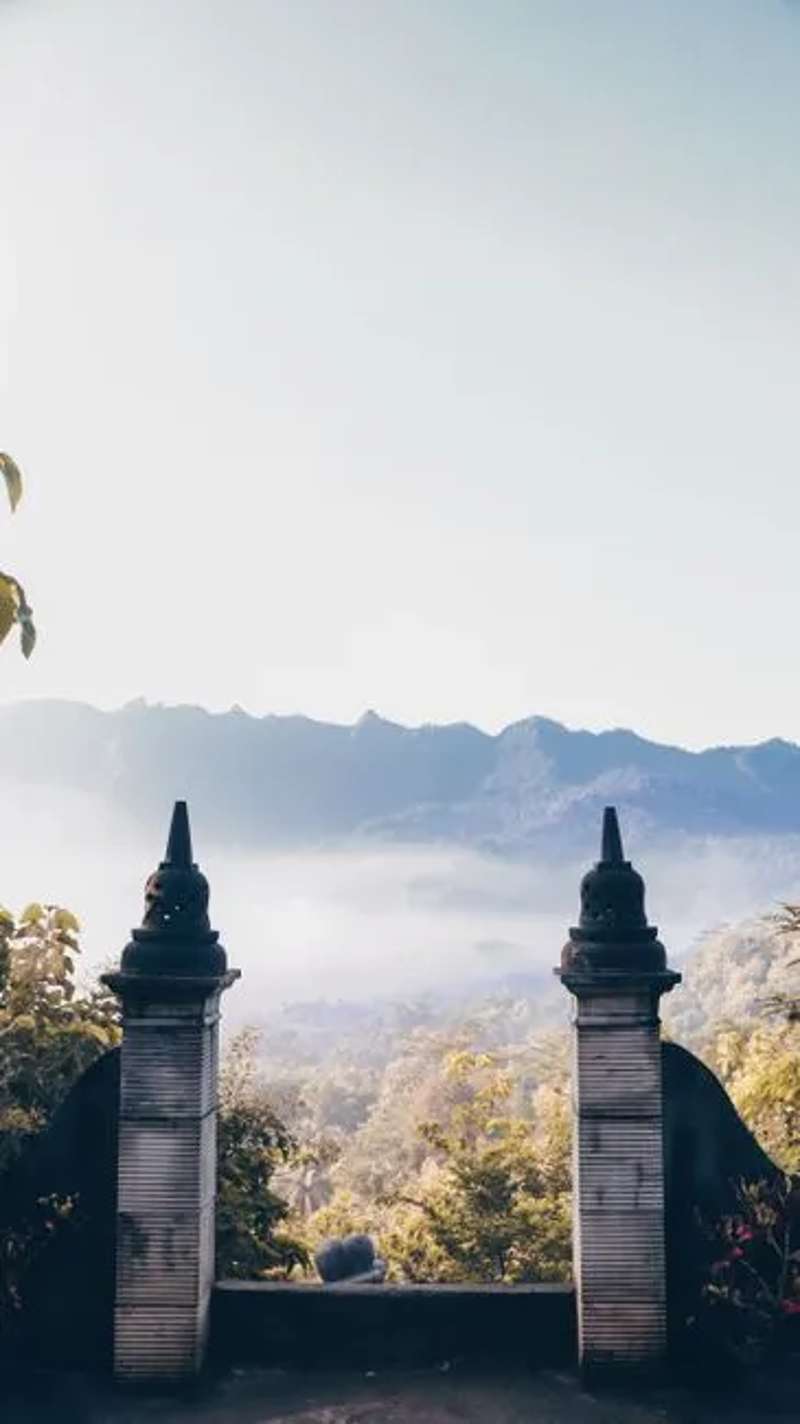
Java’s numbers explain why the word “busiest” fits. The Wikipedia entry on the island gives a density of about 1,192 people per square kilometer. It was also the centre of powerful Hindu-Buddhist empires, the Islamic sultanates, and the core of the colonial Dutch East Indies.[1] So the crowds sit on top of a very deep historical record.
That layering is easiest to see around Yogyakarta, which locals call Jogja. CNN reports that within a 25-mile radius of the city there are three UNESCO World Heritage sites.[2] Few places can offer that much heritage inside a single day’s travel. Getting around takes patience, though. Jogja’s car traffic can rival Jakarta’s at peak times.[2]
Frame Two: Borobudur and Its Stone Storybook
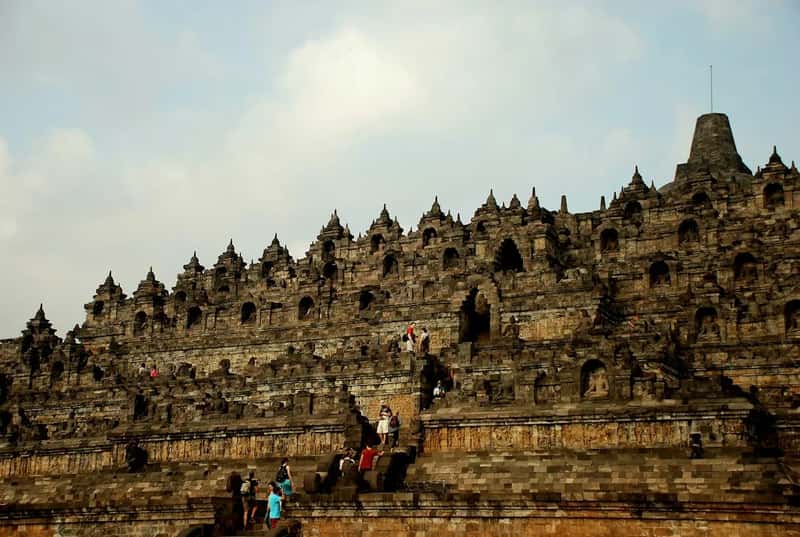
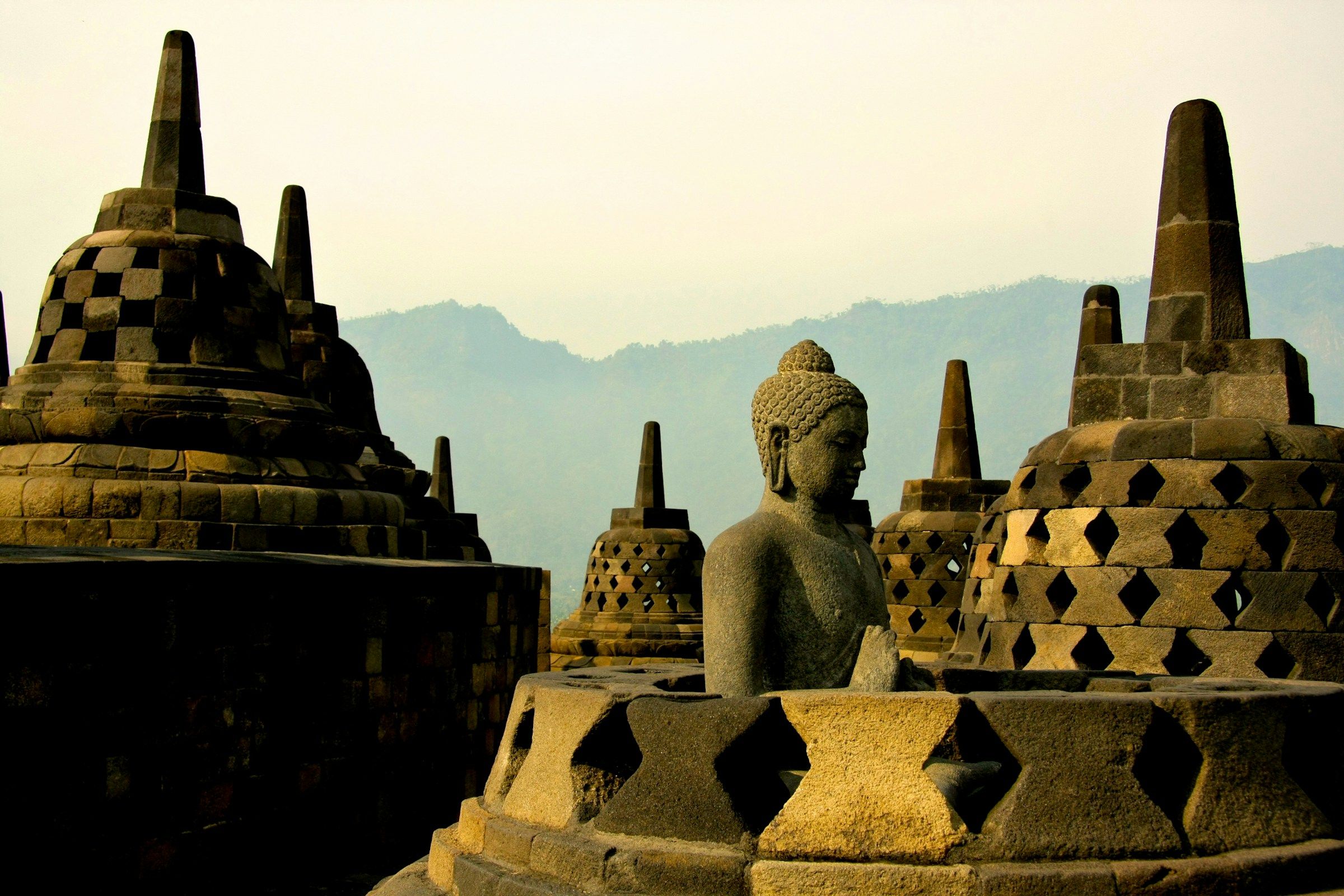
Borobudur is the obvious headliner. As the largest and most important Buddhist site in Indonesia, it is looked after by monks.[2] It was built on Buddhist principles, with 72 stupas and a shape inspired by a mandala.[2] The temple is a 9th-century monument in the Magelang area, according to the regency’s Wikipedia entry.
The walls work like a long picture book. In CNN’s reporting, a local guide named Ardiyansyah advises visitors to study the reliefs, which show scenes from the life of the Buddha.[3] The idea, he says, is that ancient people told stories through carvings, and you can try to “read” them. Many statues are now missing heads or arms, which is a reminder of how old the site really is.
Frame Three: Climbing Borobudur the Slow Way
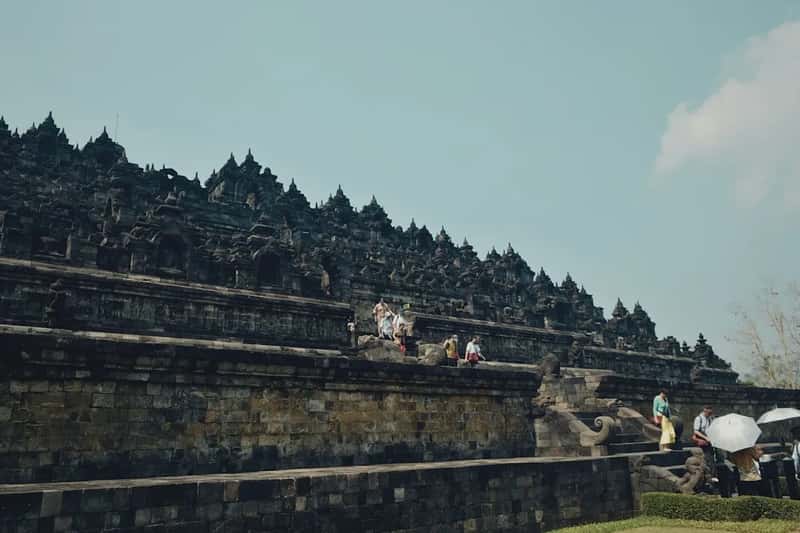
Visiting has changed in recent years. Anyone hoping to climb must book a timed slot online ahead of arrival, because numbers are limited to 1,200 a day.[4] The limit protects the monument from wear caused by large crowds.
On site, the rules continue. Visitors swap their shoes for traditional woven sandals called upanat, designed to protect the ancient volcanic stones.[4] CNN also notes that, instead of rushing to the top for photos, a more spiritual approach is pradakshina, circling the holy site several times clockwise.[4] It’s slower, and probably a better way to take in the carvings.
Frame Four: Prambanan, the Hindu Counterpart
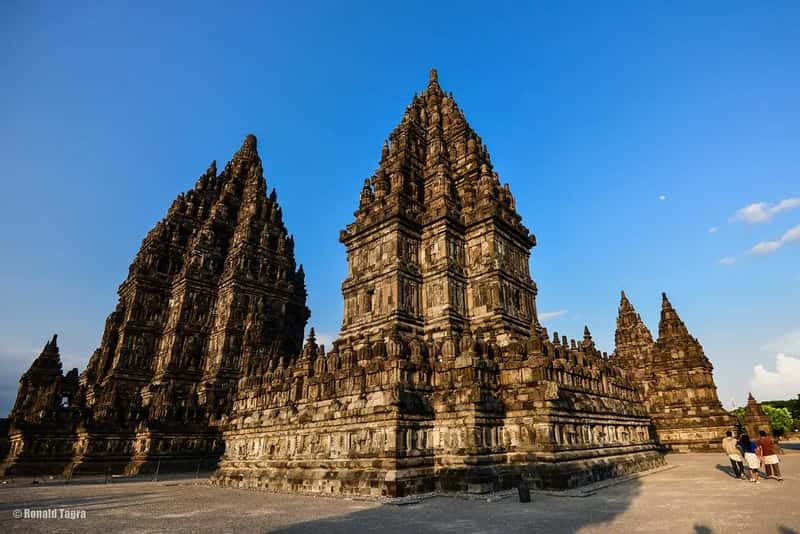
Not far away, Prambanan tells a different religious story. CNN says travelers in Asia may feel déjà vu on first seeing Indonesia’s largest Hindu temple site, because it resembles Cambodia’s Angkor Wat.[3] In all, more than 200 shrines and temples are scattered across 40 hectares.[3]
The Indo-Pacific Prehistory Association, in its 2026 conference tour notes, says the site preserves the legacy of the ancient Mataram civilisation from the 9th century. Its 47-meter-high Shiva Temple stands at the heart of the site and is dedicated to the Trimurti: Brahma, Vishnu, and Shiva.[5] Many visitors are surprised that such massive monuments representing two entirely different world religions were built just a short distance apart.[3]
Frame Five: A City Planned Around a Mountain and the Sea
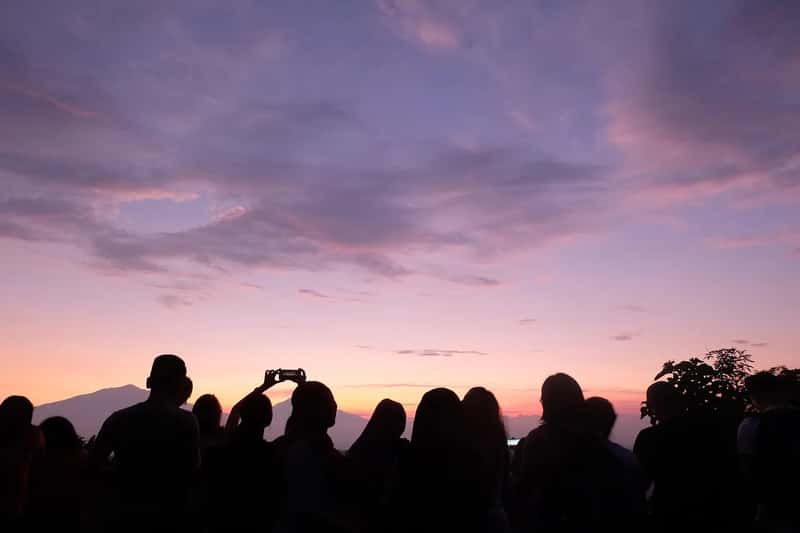
Yogyakarta’s third World Heritage listing is the newest and perhaps the most unusual. UNESCO says the city’s central axis was established in the 18th century by Sultan Mangkubumi and has remained a centre of government and Javanese cultural traditions ever since.[6] The designation came during the 45th Session of the World Heritage Committee on September 18, 2023.[7]
The layout is deliberate. The six kilometre north-south axis is positioned to link Mount Merapi and the Indian Ocean, with the Kraton at its centre.[6] Unlike the two temple complexes, this is a place people still live in. Its designation covers an inhabited urban landscape where architecture, public spaces and ceremonial traditions remain closely connected.[8]
Frame Six: The Sultan’s Palace and the Water Garden
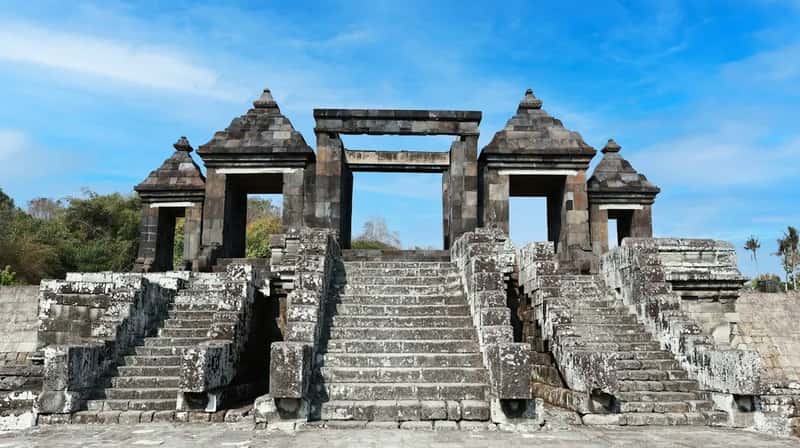
Yogyakarta is also a political curiosity. CNN calls it a rare thing, a sultan’s kingdom inside a country that is otherwise a republic.[9] The Kraton, the palace at the center of the axis, was built in the mid-1700s, with construction starting in 1755 and finishing in 1756.[10] Its sultan stood with the republican opposition to Dutch colonial rule after World War II, and was allowed to keep his domain once an independent federal government took power.[4]
Visitors can still experience court culture here. At the Kraton, tourists can see traditional Javanese music and dance performances like Beksan Putri, an all-female art form.[2] Beyond the exit, the Tamansari water palace area is now a lively village. Modern Indonesian artists paint murals, sell batik cloth and finely wrought silver jewelry, and make lattes from Java’s world-famous civet coffee.[4]
Frame Seven: Sangiran and the Deep Past
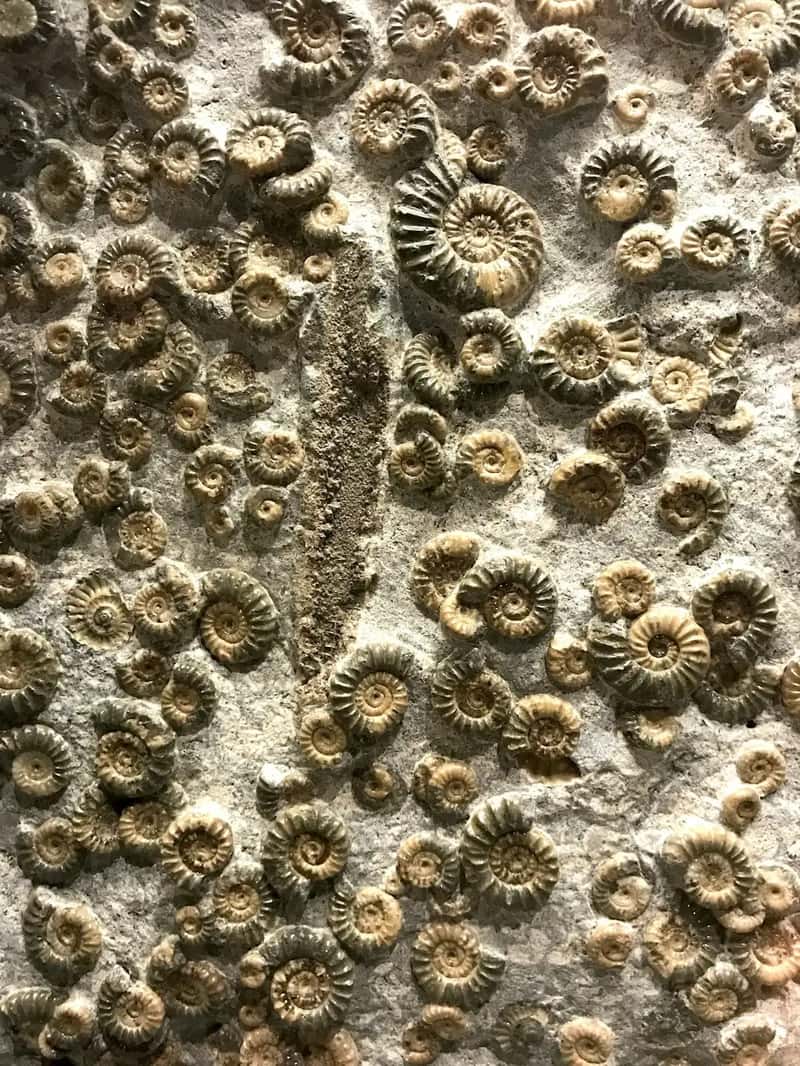
Java’s treasures stretch back far beyond any temple. The Sangiran Early Man Site was inscribed by UNESCO in 1996 and covers 5,600 hectares[11] in Central Java. UNESCO’s inscription text says the property reveals more than 100 individuals of Homo erectus, dating back at least 1.5 million years.[11]
Researchers consider it globally significant. The Indo-Pacific Prehistory Association says almost 50% of Homo erectus fossils discovered worldwide come from Sangiran.[5] The site also houses the Sangiran 17 specimen, one of the best-preserved early human remains ever discovered.[5] Many finds are kept in the on-site museum, though one traveler review notes that much of the display consists of dioramas and printed information instead of original fossils.
Conclusion: Busy Island, Deep Roots
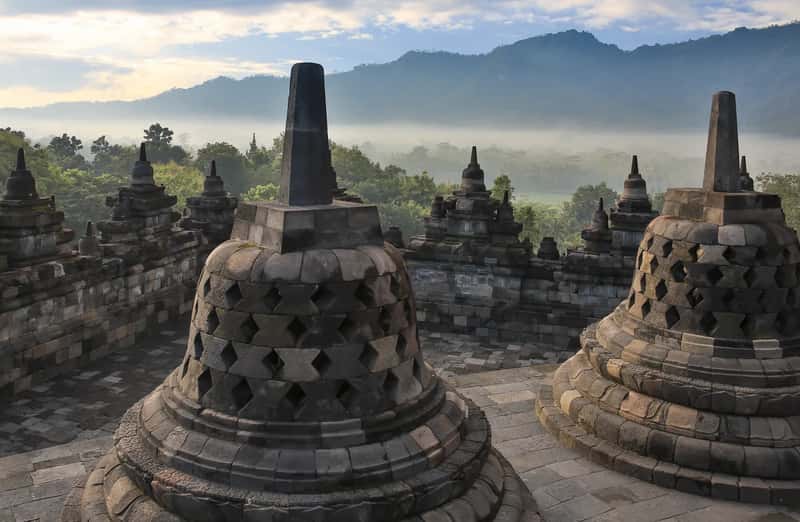
Java’s crowds and its monuments are not really in conflict. The same island that moves more than 150 million people through crowded cities also holds a Buddhist mandala in stone, a Hindu temple complex, a planned royal axis and a fossil record that reaches back over a million years. Visiting them takes more planning now, with timed tickets and protective footwear, but those rules exist because the sites matter.
If you go, give the temples time and let the reliefs slow you down. A busy island, it turns out, can still reward the patient traveler.