Ever notice how some cities just feel heavier than others? You walk the streets, and there’s this palpable tension in the air, a collective exhaustion etched on people’s faces as they rush past. It turns out this isn’t just your imagination. Recent global surveys and mental health studies have started mapping anxiety levels across major urban centers, revealing stark differences in how residents experience daily stress. The findings paint a sobering picture of modern city life, where economic pressures, overcrowding, and social instability converge to create environments that test human resilience.
What makes one city more anxiety-inducing than another goes beyond simple population density or cost of living. Researchers have identified complex patterns involving job security, housing stability, access to mental health services, and even historical trauma that continues to shape collective psychology. From Tokyo’s crushing commuter trains to Detroit’s economic wounds that never quite healed, each city on this list carries its own unique burden. The data reveals uncomfortable truths about where we choose to live and what that choice costs our mental well-being. Let’s explore the urban centers where worry has become woven into the fabric of daily existence.
Tokyo: Where Overwhelming Crowds Create Constant Tension
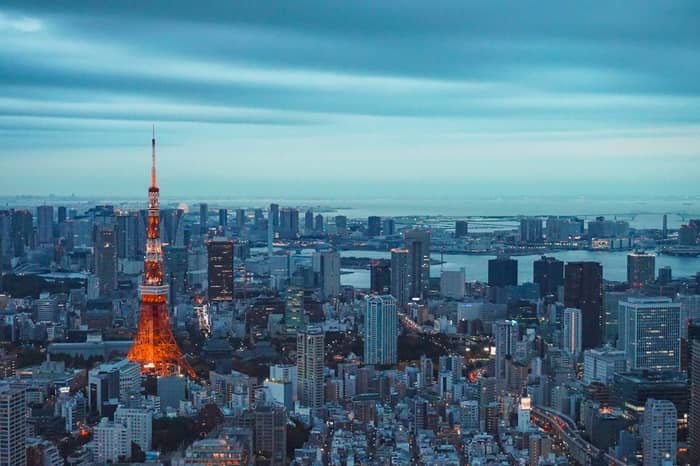
According to a 2024 study analyzing nearly 100,000 tourist reviews, one in four reviews about the Japanese capital reportedly mentioned words related to anxiety, making it the world’s most anxiety-inducing destination. Sixty percent of anxiety indicators reportedly mentioned feeling crowded, which honestly makes sense when you consider this megacity is home to over 13 million people. The Shibuya Crossing alone processes thousands of pedestrians every few minutes, creating an intensity that can feel suffocating even for seasoned travelers. For residents, this sensory overload is daily life, not a temporary tourist experience.
London: Financial Strain Meets Urban Pressure
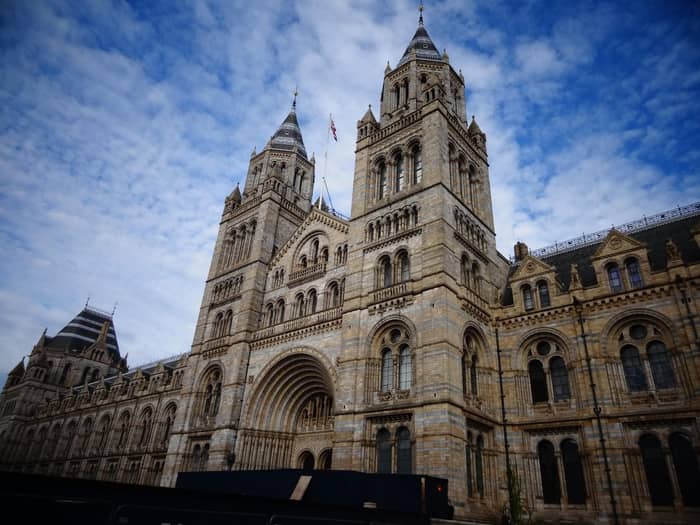
London has the largest proportion reporting high anxiety levels, with 41.3% of London adults reporting high levels of anxiety compared with the UK average of 38.5%, according to Greater London Authority research. Nearly half of Londoners are anxious, and almost a third report low levels of happiness. What’s driving this epidemic? Try the combination of sky-high housing costs, lengthy commutes, and the relentless pace of one of the world’s most expensive cities. Life satisfaction scores lag behind the national average, painting a picture of a capital where success comes at a steep psychological price.
Detroit: Economic Hardship Breeding Mental Strain
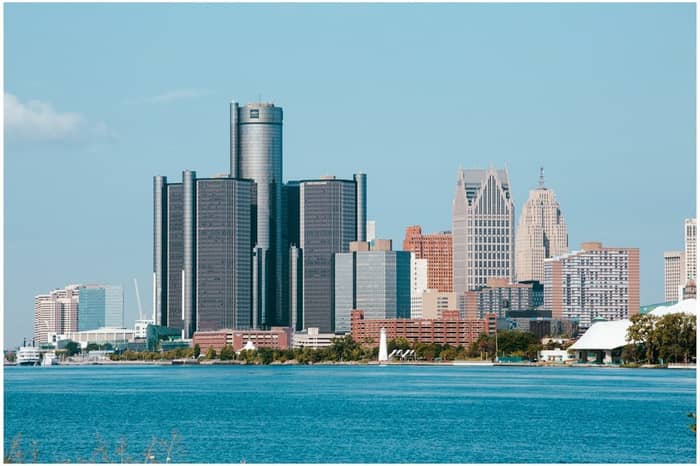
Detroit has the most stressed residents in the country, with an unemployment rate of 11.4%, one of the highest in America. The city has the lowest median household income after adjusting for cost of living at slightly over $38,000, and the highest poverty rate at 31.5%. This isn’t just about numbers on spreadsheets. These figures represent real families struggling to make ends meet, residents facing uncertain futures, and communities grappling with decades of disinvestment. The city has the second-highest separation and divorce rate and share of single-parent households, showing how financial stress ripples through every aspect of life.
Mumbai: Asia’s Stressed Financial Capital

India’s financial capital, Mumbai, is the busiest and largest city in the country and is ranked as the world’s most stressed city based on 2023 research examining factors like air pollution, green spaces, and safety. The city that knocked Cairo from the top spot faces unique challenges. Millions navigate overcrowded trains during brutal commutes, breathing heavily polluted air while managing the pressure-cooker environment of India’s economic engine. Nine of the top 10 most stressed cities are located in Asia, suggesting that something about rapid urbanization in the region is taking a toll on mental well-being
Cleveland: America’s Divorce and Depression Hub
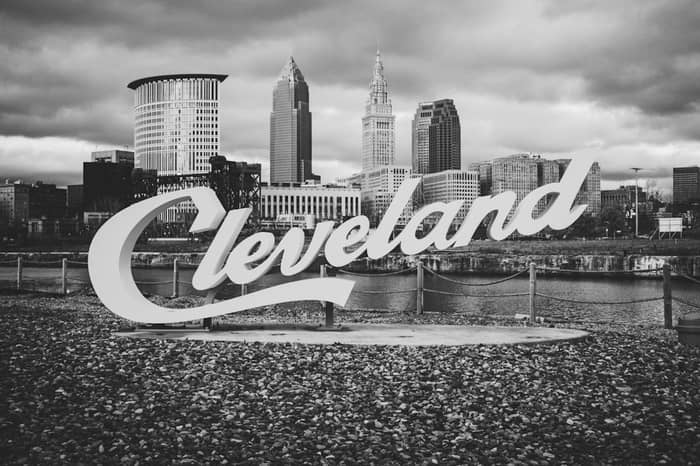
Cleveland ranks as the second most stressed city due to low adjusted median household income under $43,000, high foreclosure and poverty rates, and the highest separation and divorce rates, with more than 22 percent of adults reporting 14 or more mentally unhealthy days per month. This Rust Belt city exemplifies how economic decline translates directly into psychological distress. Over 22% of adults have 14 or more mentally unhealthy days per month, and 45% sleep less than seven hours per night, while Cleveland has one of the highest violent crime rates. The combination of financial insecurity, relationship breakdown, and safety concerns creates a perfect storm for chronic anxiety.
New York City: The Price of Never Sleeping
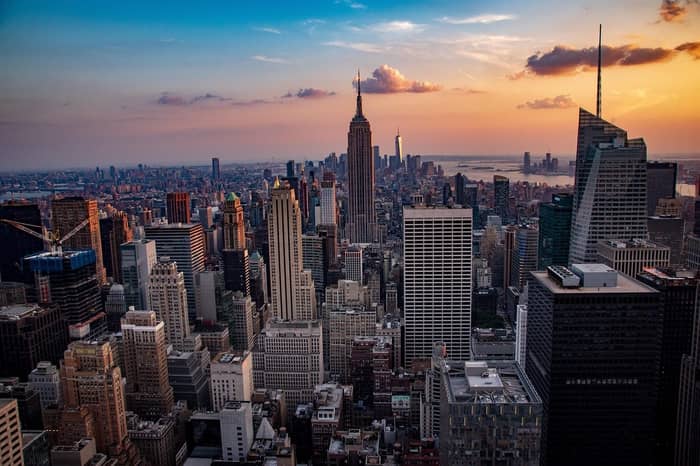
Eighteen percent of adult New Yorkers have been diagnosed with anxiety by a healthcare professional, according to the city’s first-ever State of Mental Health report released in 2024. Sixty-six percent of New Yorkers say housing costs cause stress, higher than the 49% nationally, while 60% cite job stability as a stressor, well above the 49% national average. The city’s relentless pace, combined with astronomical living costs and job insecurity, creates a pressure cooker environment. Yet many New Yorkers wear their stress as a badge of honor, even as it quietly erodes their mental health.
Athens: Economic Crisis Leaves Lasting Scars

Athens, Greece, reportedly ranks as one of the most stressed cities with high stress levels, including a low safety index and a high rate of stress-related habits such as smoking, according to a 2024 analysis. Years of economic turmoil have left deep psychological wounds on this ancient city. The Greek financial crisis didn’t just devastate bank accounts; it shattered the social fabric, created generational unemployment, and left residents navigating a landscape of uncertainty. The combination of economic precarity and reduced public services has created an environment where anxiety becomes almost unavoidable.
Baltimore: Violence and Housing Insecurity Collide
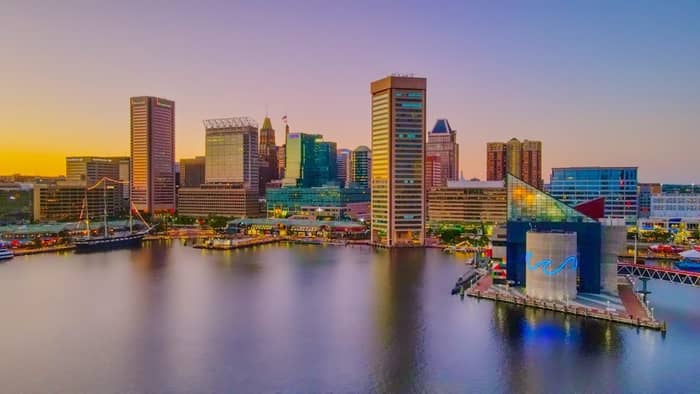
Here’s the thing about living with constant financial strain and safety concerns: your nervous system never truly relaxes. Many people have trouble keeping up with mortgage payments, as the city has the seventh-highest share of seriously underwater mortgages, while crime contributes a lot to stress, with one of the highest violent crime rates and the sixth-most mass shootings. This combination keeps residents in a state of perpetual vigilance.
The data paint a sobering picture of how urban environments shape mental health. From Tokyo’s overwhelming crowds to Detroit’s economic devastation, from London’s financial pressures to Athens’ crisis-scarred landscape, these cities demonstrate that geography profoundly impacts psychological well-being. Cities are associated with higher rates of most mental health problems compared to rural areas, including an almost 40% higher risk of depression, over 20% more anxiety, and double the risk of schizophrenia. The question isn’t whether cities affect mental health anymore; it’s what we’re willing to do about it.